A Bible Verse About Animals Worshipping God: Worship, Wonder, and Hope for All Creation
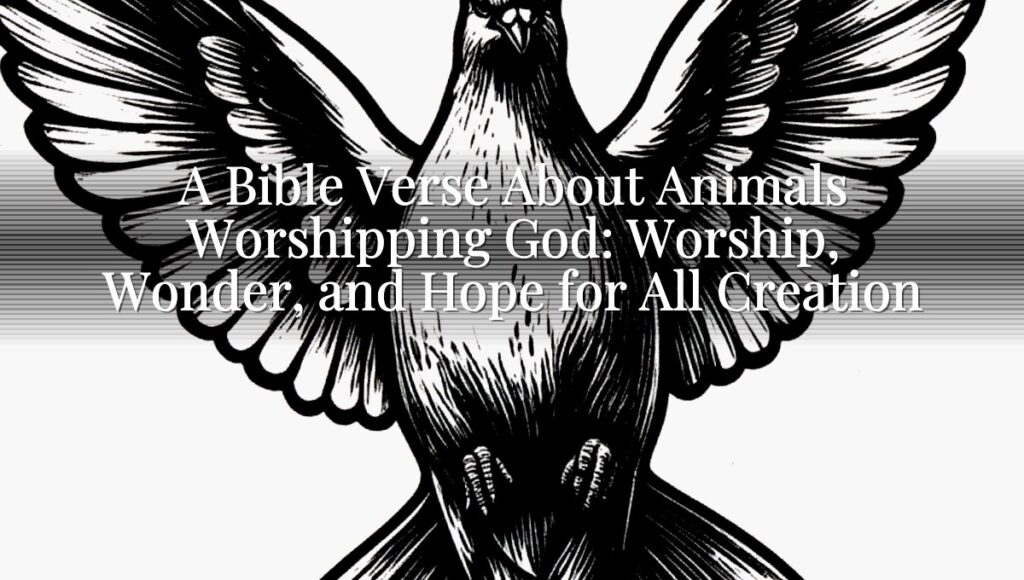
Quick Answer: A bible verse about animals worshipping god is found in Revelation 5:13-14, where every creature in heaven, on earth, under the earth, and in the sea joins the chorus of praise. This reminds us God is not distant from animals or nature—He rules, sustains, and calls all creation toward worship and honor.
Have you ever wondered whether the animal world is only background scenery—or whether God’s glory extends even to creatures that seem silent? The Bible shows that creation is active in God’s story. In Revelation 5:13-14, every kind of creature joins the worship of the throne, proving that praise is not limited to human voices. At the same time, the Psalms teach that God owns and provides for beasts, birds, and sea life, and that their lives depend on His hand. Romans 8:19-22 adds a powerful hope: all creation groans for renewal, not only individuals. These truths form one coherent encouragement—God’s care is real, His worship is universal, and hope reaches beyond us to the whole created order.
At a Glance — Verses in This Article
Romans 8:19-22
Psalms 50:10-11
Psalms 104:24-30
Revelation 5:13-14
Bible Verses
Romans 8:19-22 (King James Version)
“For the earnest expectation of the creature waiteth for the manifestation of the sons of God. For the creature was made subject to vanity, not willingly, but by reason of him who hath subjected the same in hope, Because the creature itself also shall be delivered from the bondage of corruption into the glorious liberty of the children of God. For we know that the whole creation groaneth and travaileth in pain together until now.”
This passage teaches that creation is waiting and groaning for deliverance, connecting worship and redemption to the whole created world.
Psalms 50:10-11 (King James Version)
“For every beast of the forest is mine, and the cattle upon a thousand hills. I know all the fowls of the mountains: and the wild beasts of the field are mine.”
God declares ownership and knowledge of every beast and fowl, showing His intimate involvement with animals.
“O LORD, how manifold are thy works! in wisdom hast thou made them all: the earth is full of thy riches. So is this great and wide sea, wherein are things creeping innumerable, both small and great beasts. There go the ships: there is that leviathan, whom thou hast made to play therein. These wait all upon thee; that thou mayest give them their meat in due season. That thou givest them they gather: thou openest thine hand, they are filled with good. Thou hidest thy face, they are troubled: thou takest away their breath, they die, and return to their dust. Thou sendest forth thy spirit, they are created: and thou renewest the face of the earth.”
The Psalm highlights God’s providence for creatures and His creative power, reinforcing that life and “worship” belong to Him.
Revelation 5:13-14 (King James Version)
“And every creature which is in heaven, and on the earth, and under the earth, and such as are in the sea, and all that are in them, heard I saying, Blessing, and honour, and glory, and power, be unto him that sitteth upon the throne, and unto the Lamb for ever and ever. And the four beasts said, Amen. And the four and twenty elders fell down and worshipped him that liveth for ever and ever.”
Every creature is pictured praising God, offering the clearest Bible image of animals and all creation worshipping.
God’s Kingdom Includes Every Creature
When people think about worship, they often picture only angels and believers. Yet Scripture widens our imagination: in Revelation 5:13-14, worship bursts outward to “every creature” across heaven, earth, sea, and even beyond human sight. The scene is not about animals as symbols only—it is about God’s throne being honored by the whole realm of what He made. That is why this is such a strong bible verse about animals worshipping god for anyone longing for faith that touches daily life.
Revelation’s vision also connects worship to worth. The praise is “Blessing, and honour, and glory, and power” to God and the Lamb. If that praise belongs to every creature, then creation is not irrelevant—it is part of God’s honored order. The animals, birds, and sea life are not forgotten; they stand under the same Sovereign who will one day complete His work.
And the Psalms help us see the “how” behind the “what.” God says, “every beast of the forest is mine,” and “I know all the fowls of the mountains” (Psalms 50:10-11). This is not poetic exaggeration; it is personal knowledge. God’s kingship includes the least and the wildest.
So when you watch a bird land, hear the rustle of the forest, or see the tide reshape the shore, you are not looking at meaningless motion. You are looking at a world that belongs to God—and one day, that world will sing back in harmony with the Creator.
Worship is not only an event we attend; it is also a response to the way God upholds life. In Psalms 104:24-30, the Psalmist marvels at God’s wisdom in making all things. Then the focus shifts from creation’s beauty to creation’s dependence. Creatures “wait all upon thee,” and God’s provision is described as active and timely: “That thou mayest give them their meat in due season… thou openest thine hand, they are filled with good.”
This matters for the question of animals worshipping. Even if we never assume animals understand theology as humans do, Scripture still portrays them as living within God’s providence. Their lives unfold under His care. That kind of dependence reveals worship’s deeper foundation: God is worthy because He sustains.
The Psalm also includes sober realism. When God “hidest thy face, they are troubled: thou takest away their breath, they die, and return to their dust.” That honesty keeps us from sentimental thinking. Animals are real living creatures with real vulnerability, and God is still present in their brevity.
Then comes renewal: God “sendest forth thy spirit… and thou renewest the face of the earth.” Renewal is both ecological and spiritual in its meaning—life returns because God restores.
In other words, when Scripture pictures creation praising God (Revelation 5:13-14), it is not detached from daily life. It is the culmination of a story already visible in providence: God creates, provides, and renews.
Creation’s Groaning and Our Future Hope
Romans 8:19-22 gives the emotional weight behind this theme. Creation is not merely “existing”; it is “groaneth and travaileth in pain together until now.” That shared groaning tells us that the world’s current state is not what God intended to last. The passage says creation waits with an expectation for a future “manifestation of the sons of God.”
Notice the word “earnest expectation.” This waiting is not passive. It is hope under tension. The creatures were subjected to “vanity” (not willingly), and yet God has set a direction “in hope.” Ultimately, creation is promised deliverance from “the bondage of corruption into the glorious liberty of the children of God.”
This means that the worship scene in Revelation is not only about sound—it is about restoration. When every creature praises the throne, it reflects a world made right, healed of decay, and aligned with God’s purpose.
For believers, that transforms how we view nature and animals. We can love the world without idolizing it, grieve its suffering without despairing, and trust that God’s promises reach beyond our personal salvation to the renewal of all things.
So if you’ve ever felt moved by animals in your neighborhood—strays, birds in the yard, creatures you find at the edge of the road—let Romans 8 shape your response. Their world is groaning, but God is working. The same God who knows every beast (Psalms 50:10-11) and provides in due season (Psalms 104:24-30) will also bring creation into its promised liberty (Romans 8:19-22).
Daily Ways to Worship God With an Animal-Loving Faith
You may not be able to “teach” an animal to praise, but you can align your heart with what Scripture reveals: God’s hand sustains life, and creation points to His worth. Here are some practical steps.
1) Practice gratitude for God’s provision. When you see an animal being cared for—or simply when you witness a bird thriving—pause and thank God for the ongoing “due season” provision described in Psalms 104:24-30.
2) Pray for creation’s renewal with Romans 8 in mind. Instead of only praying for yourself, include your prayers for the world: “Lord, let your promise of deliverance come. Heal what is corrupted and restore what is broken.” This turns the groaning into faithful intercession.
3) Worship with attention. During a walk, notice God’s details: the forest beast, the birds, the movement of sea life. Since “every beast… is mine” and God knows every fowl (Psalms 50:10-11), your attention becomes worship.
4) Choose compassionate action. If God is the rightful owner and caregiver of animals, then cruelty grieves Him and neglect dishonors His care. Serve through local shelters, responsible feeding, rescue support, or humane awareness—small obedience that reflects a reverent view of creation.
As you do these things, let Revelation’s future shape your present: one day, “every creature” will join the chorus of worship. Until then, your love and reverence can be a living witness that God’s kingdom includes all creation.
Frequently Asked Questions
Which passage shows animals worshipping God?
Revelation 5:13-14 shows every creature—covering heaven, earth, under the earth, and the sea—joining blessing, honor, glory, and power to God and the Lamb. It’s the clearest Bible picture of animals and all creation praising God.
Is there a bible verse about creation praising God beyond humans?
Yes. Revelation 5:13-14 depicts worship from “every creature,” and the surrounding praise scene includes both heavenly beings and all created life. This supports the truth that God’s worth is recognized across the entire created realm.
How do Psalms support the idea that God cares about animals?
Psalms 50:10-11 emphasizes that God owns the beasts and knows the fowls. Psalms 104:24-30 shows God providing food “in due season,” sustaining life by His hand and spirit. Together they portray God’s active care.
What does Romans 8:19-22 mean for hope about the natural world?
Romans 8:19-22 teaches that creation groans and is waiting for deliverance from corruption. That means the world’s suffering is not the final word—God has promised renewal and “glorious liberty” connected to His people’s future.
A Short Prayer
Lord God, thank You that You are not distant from Your creation. Teach us to see Your hand in every creature’s life and to honor You with reverent gratitude. As creation groans for renewal, strengthen our faith and our prayers for restoration. One day, every creature will worship at Your throne—let that hope shape how we live today: with compassion, wisdom, and praise. In Jesus’ name, amen.
Key Takeaway: God’s care reaches every creature now, and His promises will bring all creation into a future of worship and renewal.