Saint Cecilia — Patroness of Music and Martyrdom | Life and Virtue
Saint Cecilia — Patroness of Music and Martyrdom | Life and Virtue
Saints and Martyrs · mártires
Saint Cecilia — Patroness of Music and Martyrdom | Life and Virtue
November 22
mártires Saint Cecilia
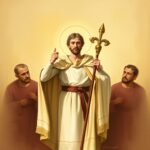
Saint Cecilia was a noble Roman Christian martyr from the 2nd or 3rd century. Renowned for her unwavering faith and her dedication to Christ, she is venerated as the patroness of music and poets. Her story exemplifies heroic virtue and the steadfastness of a Christian witness under persecution. Her legacy continues to inspire devotion and admiration throughout the Catholic Church.
The name Cecilia is of Latin origin, derived from the Latin name 'Caecilia,' which is related to the Latin word 'caecus,' meaning 'blind.' The name signifies purity, spiritual insight, and divine light. It was popular among early Christians, symbolizing spiritual clarity and faithfulness to God. The name reflects her role as a light bearer and spiritual muse for believers.
Feast Day
November 22
Related Bible Verses
1 Corinthians 10:31
So whether you eat or drink or whatever you do, do all to the glory of God.
This verse highlights the importance of dedicating every aspect of life to God's glory, much like Saint Cecilia dedicated her life and song to praising the Lord.
Revelation 15:3
They sing the song of God's servant Moses and the song of the Lamb, glowing with the glory of divine victory.
Saint Cecilia is often depicted singing hymns in heaven, embodying the heavenly chorus and divine praise.
Matthew 5:10
Blessed are those who are persecuted for righteousness' sake, for theirs is the kingdom of heaven.
Her martyrdom exemplifies this Beatitude, as she remained faithful despite persecution.
Martyrdom and Canonization
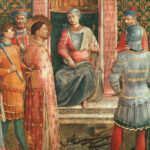
Saint Cecilia was martyred during early Christian persecutions, most likely in 177 AD, for her unwavering faith in Christ. Her death is believed to have been brought about by her refusal to renounce her vows and faith. The Church officially recognized her as a saint and martyr, opening her cause for canonization in the early centuries. Miracles attributed to her intercession, such as healing from illnesses, have been documented over centuries, reinforcing her status as a powerful intercessor. Her heroism and faith exemplify the virtues of constancy and sacrifice, inspiring countless believers to remain steadfast in their faith despite adversity.
Miracles and Apparitions
Saint Cecilia is renowned for numerous miracles, especially miraculous healings of the sick attributed to her intercession. Many pilgrims have reported visions and healings at her shrines, particularly in Rome where her relics are kept. The Church has officially documented some of these reported miracles, affirming her role as a miraculous intercessor. Her image appears in numerous artworks, often with musical instruments, symbolizing her patronage of music and divine praise. Her feast day is marked by special prayers, hymns, and processions invoking her aid and intercession.
Prayer and Devotion
Devotees often pray to Saint Cecilia seeking protection for musicians, artists, and those facing persecution. Traditional prayers and novenas invoke her intercession for strength, courage, and artistic inspiration. Medals and scapulars bearing her image are worn as a sign of devotion and protection. Many churches and shrines dedicated to her are places of prayer where the faithful seek her help, especially during difficult times of trial or illness. Her feast is celebrated with music, hymns, and liturgical devotions highlighting her role as a heavenly muse and martyr.
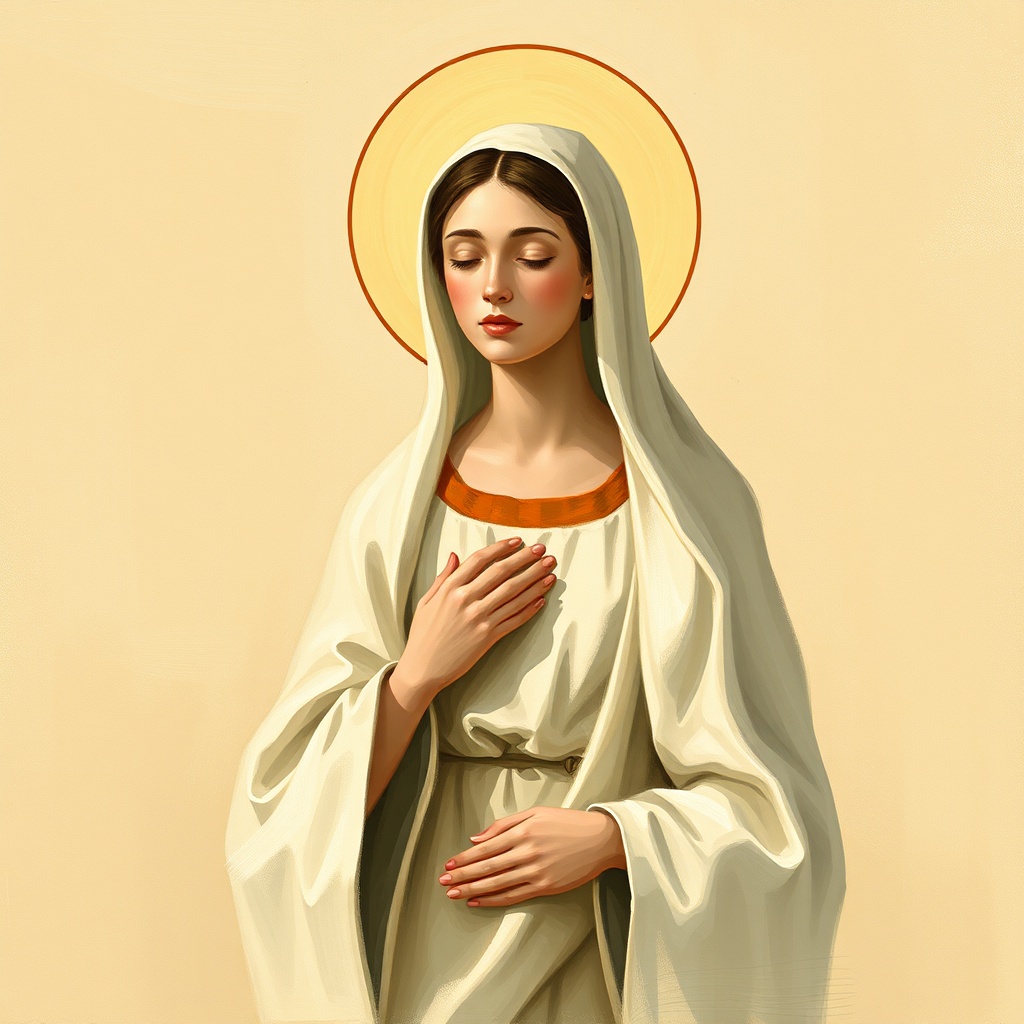
Saint Cecilia is frequently depicted in art holding a musical instrument or singing, often surrounded by angels, reflecting her heavenly role as a muse and divine songstress. Her image has inspired countless works of art, including paintings, sculptures, and musical compositions, making her one of the most artistically celebrated saints in Christian history.
Frequently Asked Questions
Why is Saint Cecilia considered the patroness of music?
Saint Cecilia is regarded as the patroness of music because of the legends describing her singing to God even during her martyrdom and her association with sacred hymns. Her name and story have inspired countless composers and musicians throughout history, reinforcing her role as divine muse.
When did Saint Cecilia live and die?
Saint Cecilia lived in the 2nd or 3rd century AD in Rome, and she is believed to have died as a martyr around 177 AD, during early persecutions of Christians in the Roman Empire.
Are there any relics of Saint Cecilia?
Yes, her relics are preserved in the Basilica of Saint Cecilia in Trastevere, Rome. They include her skull and other remains, which are venerated by pilgrims and devotees.