Saint Maximilian Kolbe — Martyr of Charity and Patron of Aces and Families
Saint Maximilian Kolbe — Martyr of Charity and Patron of Aces and Families
Saints and Martyrs · modernos
Saint Maximilian Kolbe — Martyr of Charity and Patron of Aces and Families
August 14
modernos Saint Maximilian Kolbe
Saint Maximilian Kolbe was a Polish Franciscan friar born in 1894 who dedicated his life to evangelization and defending the faith under turbulent times. He is widely venerated for sacrificing his life at Auschwitz to save a fellow prisoner during World War II. His unwavering commitment to love and martyrdom exemplifies Christian virtue in extreme adversity. Canonized in 1982, he is honored as a model of selfless sacrifice and unwavering faith.
The name Maximilian originates from Latin, combining 'maximus' meaning great or biggest, and 'Aelius,' a Roman family name, signifying 'the greatest.' It reflects strength and greatness, fitting for a figure of heroic virtue. The name has been popular among European nobility and saints, symbolizing leadership and courage. Maksymilian, his Polish form, emphasizes his cultural heritage and universal legacy.
Feast Day
August 14
Related Bible Verses
John 15:13
Greater love has no one than this: to lay down one's life for one's friends.
This verse epitomizes Saint Maximilian Kolbe's ultimate act of love and sacrifice at Auschwitz.
Romans 5:8
But God demonstrates his own love for us in this: While we were still sinners, Christ died for us.
Reflects Kolbe's willingness to suffer and die for others as an imitation of Christ's love.
Matthew 25:40
Truly I tell you, whatever you did for one of the least of these brothers and sisters of mine, you did for me.
Encourages the compassion and self-sacrifice exemplified by Saint Maximilian.
Martyrdom and Canonization
Saint Maximilian Kolbe was martyred in 1941 during the Holocaust, choosing to take the place of a fellow prisoner condemned to death at Auschwitz. His courageous act exemplifies the Christian virtue of martyrdom and heroic charity. His cause for canonization was opened shortly after his death, highlighting his reputation for sanctity and virtue. Pope John Paul II canonized him in 1982, recognizing his life of heroic virtue and sacrificial love. Miracles attributed to him include healings through his intercession, confirmed by Church investigations, solidifying his status as a saint and martyr who inspires faith and hope.
Miracles and Apparitions
The most famous verified miracle associated with Saint Maximilian Kolbe is a healing attributed to his intercession, recognized officially after thorough investigation. Several reported apparitions of his presence and messages have been received by the faithful, especially in Poland. Miraculous healings at his shrines and during prayer novenas are documented by the Church. His relics, including a finger and a piece of his flesh, are venerated, believed to be conduits of God's grace and miracles.
Prayer and Devotion
Devotees pray for Saint Maximilian Kolbe's intercession in times of suffering and temptation, often seeking courage and self-sacrifice. Novenas and prayer cards are dedicated to him, especially around his feast day, August 14. Many wear medals or scapulars bearing his image, invoking his protection and intercession. Pilgrims visit shrines dedicated to him, asking for strength to imitate his heroic love and fidelity. His life inspires numerous acts of charity, forgiveness, and courage among the faithful worldwide.
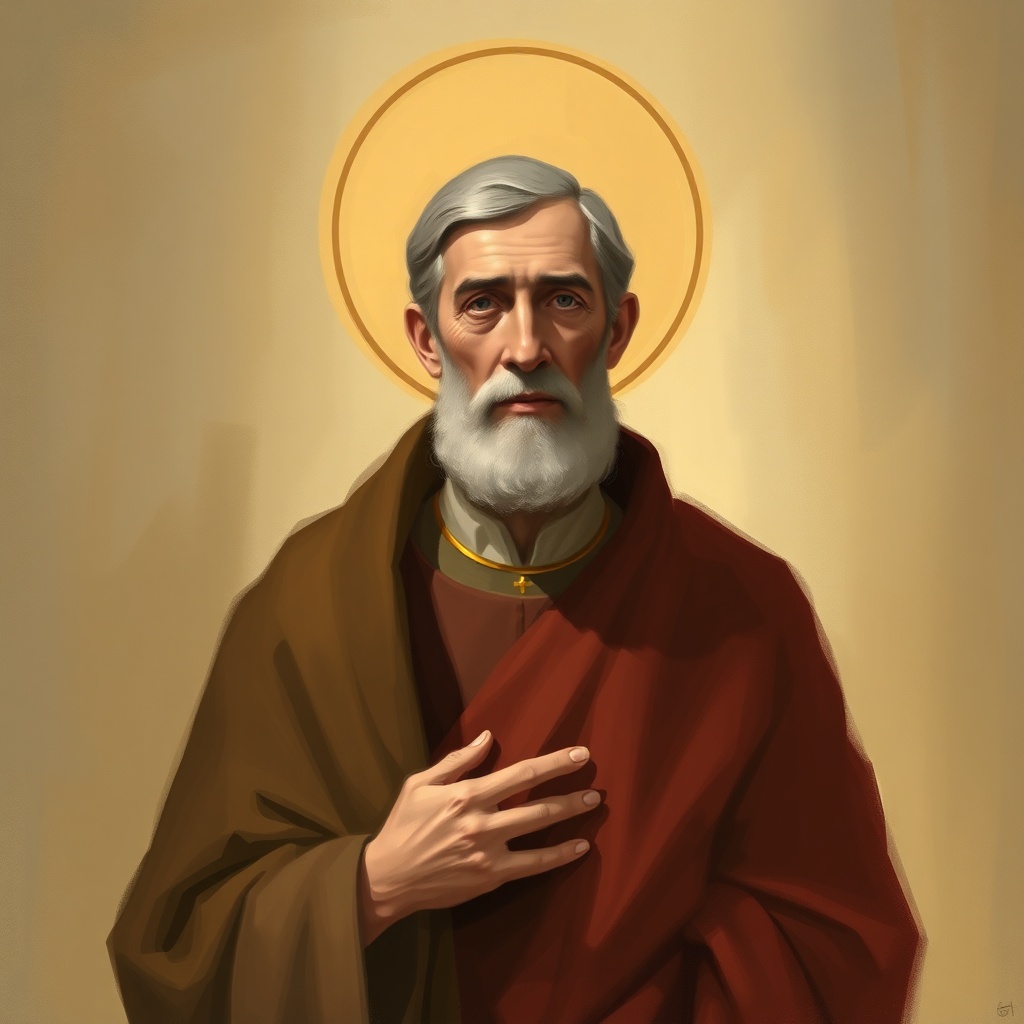
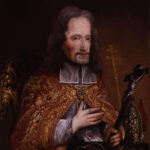
Saint Maximilian Kolbe's image is often depicted with a crown of flowers and a rosary, symbolizing his Marian devotion and spiritual victory. His relics are preserved in a glass case and venerated worldwide, inspiring countless artworks and devotionals. His sacrifice is celebrated not only in religious contexts but also in popular culture, inspiring movies, books, and public commemorations of heroism and faith.
Frequently Asked Questions
Why is Saint Maximilian Kolbe considered a martyr?
He is considered a martyr because he sacrificed his life intentionally during WWII at Auschwitz to save another inmate, embodying Christ-like love and sacrifice, as supported by his canonization and Church acknowledgment.
What is the significance of Saint Maximilian's devotion to the Immaculate Conception?
He deeply consecrated his life to the Virgin Mary and promoted the Immaculate Conception as a means of spiritual renewal, seeing Mary as a model of purity, faith, and maternal love.
How can I honor Saint Maximilian Kolbe today?
You can honor him by practicing selfless acts of charity, praying his novena, participating in Eucharistic adoration, and dedicating your actions to those in need, especially in moments of hardship.