Saint Nicholas — Patron of Children and Generosity | Life and Miracles
Saint Nicholas — Patron of Children and Generosity | Life and Miracles
Saints and Martyrs · populares
Saint Nicholas — Patron of Children and Generosity | Life and Miracles
December 6
populares Saint Nicholas
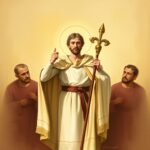
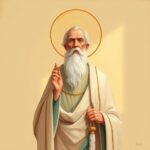
Saint Nicholas was a Christian bishop of Myra in Asia Minor during the 4th century. Renowned for his piety, kindness, and miracles, he became a symbol of charity and gift-giving. His life exemplifies Christian virtues of compassion and generosity, and he is venerated as a saint worldwide. Over the centuries, his legacy has influenced Christmas traditions and charitable acts.
The name Nicholas originates from the Greek 'Nikolaos,' meaning 'Victory of the People.' The root 'nike' means 'victory,' and 'laos' means 'people,' signifying 'Victorious People.' The name reflects a cultural emphasis on triumph and protection, fitting for a saint associated with miraculous interventions and guardian roles. Traditionally, Nicholas was a popular name among Eastern and Western Christian communities, symbolizing strength and divine favor.
Feast Day
December 6
Related Bible Verses
Matthew 25:35
For I was hungry and you gave me food.
This verse echoes Saint Nicholas's dedication to feeding the hungry and caring for those in need, embodying Christ’s call to act compassionately.
Luke 6:38
Give, and it will be given to you.
Reflecting Nicholas’s acts of generosity, this verse emphasizes the spiritual principle of giving freely and trusting in divine providence.
James 2:17
Faith by itself, if it has no works, is dead.
Saint Nicholas’s life exemplifies active faith demonstrated through deeds of charity and service.
Martyrdom and Canonization
Saint Nicholas was martyred during Roman persecutions of Christians in the 4th century, reportedly dying around 342 AD. His devotion to God and unwavering faith led to his quick recognition as a saint. The Church officially canonized him, citing numerous miracles of healing and intervention attributed to his intercession. The cause for his canonization was opened many centuries later, and he was canonized by Pope Pius X in the early 20th century. Miraculous healings, protection against dangers at sea, and other divine interventions are integral to his veneration and the catalog of miracles attributed to him.
Miracles and Apparitions
Saint Nicholas is renowned for performing miracles such as saving sailors from storms and providing dowries for impoverished girls, which led to his reputation as a miracle worker. Numerous reported apparitions have occurred, especially during storms or crises, where devotees prayed for his intercession. Miraculous healings—such as cure from terminal illnesses—have been documented and officially recognized by Catholic authorities. The Church continues to promote these miracles as signs of his ongoing guardianship and divine favor.
Prayer and Devotion
Devotees often pray the traditional Novena of Saint Nicholas or wear medals bearing his image to seek his intercession. Many invoke his aid in safe travel, emergencies, and charitable endeavors. Shrines dedicated to him, especially in Bari and Myra, attract pilgrims who leave offerings and pray for his intercession. The Feast of Saint Nicholas is also a time for giving to the needy, inspired by his legacy of charity and kindness.
Saint Nicholas is often depicted with three gold balls or bags of coins, symbolizing the legend of him secretly providing dowries for impoverished girls. His relics are enshrined in Bari, Italy, attracting thousands of pilgrims annually, and his legacy has profoundly influenced Christmas gift-giving customs worldwide.
Frequently Asked Questions
Is Saint Nicholas the same as Santa Claus?
Yes, the modern Santa Claus is derived from the historical figure of Saint Nicholas, whose reputation for gift-giving and kindness inspired the Santa tradition celebrated worldwide.
What miracles are attributed to Saint Nicholas?
Many miracles are linked to Saint Nicholas, including saving sailors from storms, miraculous healings, and providing secret donations to the poor, which have been documented over centuries.
Why is Saint Nicholas celebrated on December 6?
December 6 marks the anniversary of his death and is the traditional feast day dedicated to honoring his memory, virtues, and miracles.