Saint Thomas the Apostle — Patron of Doubters and Missionaries | Life and Legacy
Saint Thomas the Apostle — Patron of Doubters and Missionaries | Life and Legacy
Saints and Martyrs · apóstoles
Saint Thomas the Apostle — Patron of Doubters and Missionaries | Life and Legacy
July 3rd
apóstoles Saint Thomas the Apostle
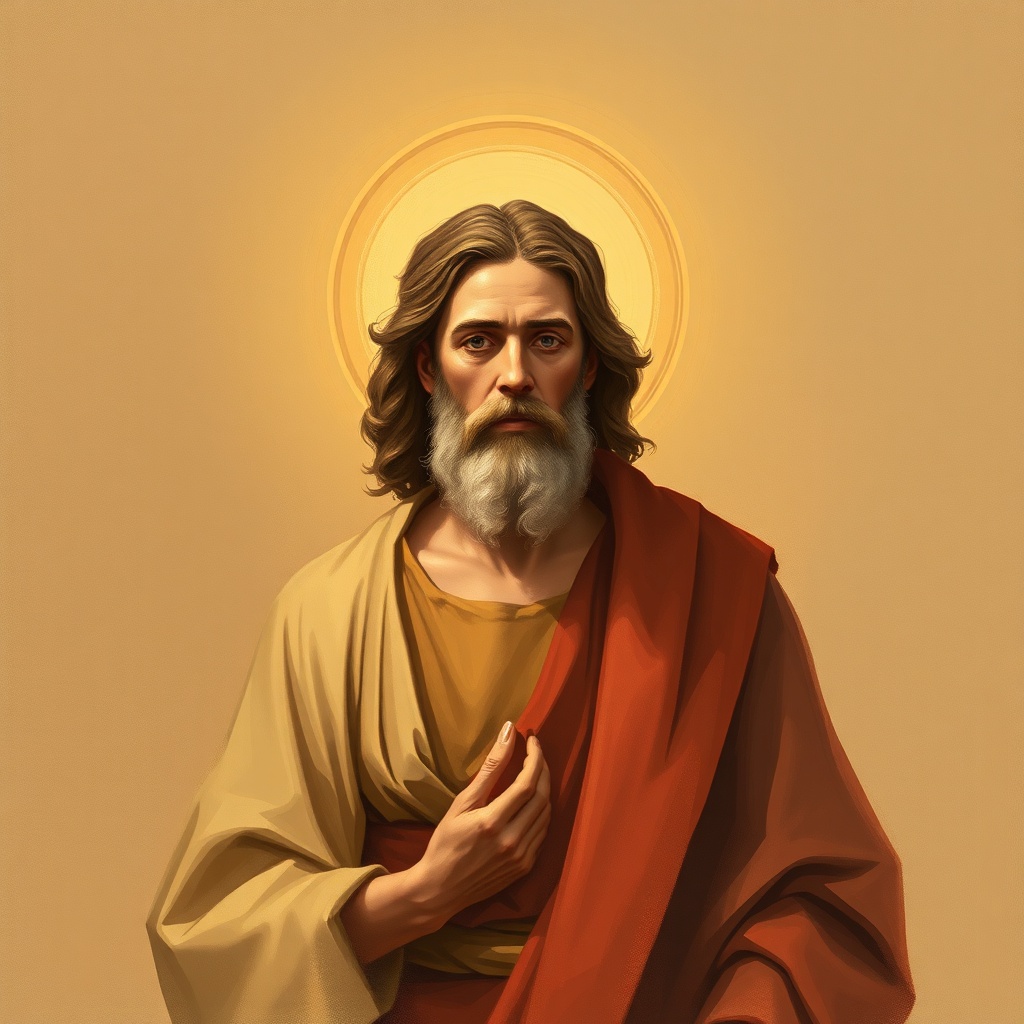
Saint Thomas the Apostle, also known as Didymus, was one of the twelve original disciples of Jesus Christ. He lived in the 1st century AD, primarily in the region of Judea and India. Known for his initial doubt in Jesus' resurrection, he later professed unwavering faith. He is venerated as a saint for his missionary zeal and profound encounter with the risen Christ.
The name Thomas is of Aramaic origin, derived from 'Ta'oma', meaning 'Twin'. The name signifies duality and a mirror image, reflecting the biblical depiction of Thomas as a doubter turned believer. Its usage highlights cultural values of identity and connection, emphasizing the deep spiritual journey of the saint.
Feast Day
July 3rd
Related Bible Verses
John 20:24-29
Thomas doubts Jesus' resurrection until he sees Christ's wounds, then he proclaims Jesus as 'My Lord and My God'.
This verse captures Thomas's initial doubt and subsequent faith, symbolizing the journey from skepticism to profound belief.
John 14:6
Jesus declares, 'I am the way, the truth, and the life,' guiding Thomas and the other apostles.
This verse underscores the faith and understanding Thomas seeks and ultimately affirms after his encounter with Christ.
Matthew 28:16-20
The Great Commission, where Jesus commands disciples to spread the Gospel to all nations, including Thomas’s missionary efforts in India.
This highlights Thomas’s role in spreading Christianity beyond Judea, fulfilling Christ’s universal mission.
Martyrdom and Canonization
Saint Thomas was martyred in India around 72 AD, traditionally believed to have been killed with a spear. His death exemplifies heroic virtue and unwavering faith in the face of persecution. The Church officially recognized him as a saint and a martyr, opening his canonization process centuries later. Miracles attributed to him include healing the sick and miraculous conversions, which have been documented through historical accounts and pilgrimages. His martyrdom inspires countless Christians to embrace faith amid adversity. The cause for his canonization was formally opened by the Church, recognizing his heroic virtue and exemplary witness to the Gospel.
Miracles and Apparitions
Numerous miracles are associated with Saint Thomas, including healing and protection during dangerous journeys. Pilgrimages to his tomb in India have often been marked by reports of healing and answered prayers. The Church has documented and verified some of these miracles through ecclesiastical investigations, acknowledging the saint's ongoing intercession. Apparitions and relics, such as the saint’s relics in India, continue to inspire devotion and belief in his ongoing presence among the faithful. These reports bolster his reputation as a miracle worker and intercessor.
Prayer and Devotion
Devotees often pray to Saint Thomas for faith, courage, and guidance in missionary work or moments of doubt. Traditional prayers include novenas dedicated to him, seeking his intercession, especially in times of spiritual uncertainty. Medals and scapulars bearing his image are worn as symbols of faith and protection. Many churches and shrines feature his relics, where the faithful gather to seek blessings and miraculous cures. Devotion to Saint Thomas encourages perseverance and trust in divine providence during life's challenges.
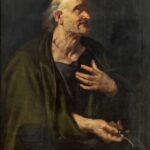
Saint Thomas is often depicted holding a spear or a builder’s square, symbolizing his missionary travels and craftsmanship. His relics in India are among the most venerated in the Christian world, attracting pilgrims from all nations. Artistic representations frequently show him with a carpenter’s instrument, emphasizing his traditional occupation and dedication to service and faith.
Frequently Asked Questions
Why is Saint Thomas called 'Doubting Thomas'?
He is called 'Doubting Thomas' because he initially doubted Jesus' resurrection until he saw and touched Christ's wounds, as described in John 20:24-29. His story highlights the human struggle with faith and the power of newfound belief.
Where did Saint Thomas carry out his missionary work?
Saint Thomas is traditionally credited with establishing the Christian church in India, particularly in the Tamil region and along the Malabar Coast, where he spread the Gospel and founded churches.
When is the feast day of Saint Thomas, and how is it celebrated?
His feast day is celebrated on July 3rd. Devotees observe the day with prayers, processions, and special Masses, seeking his intercession for faith and missionary zeal.