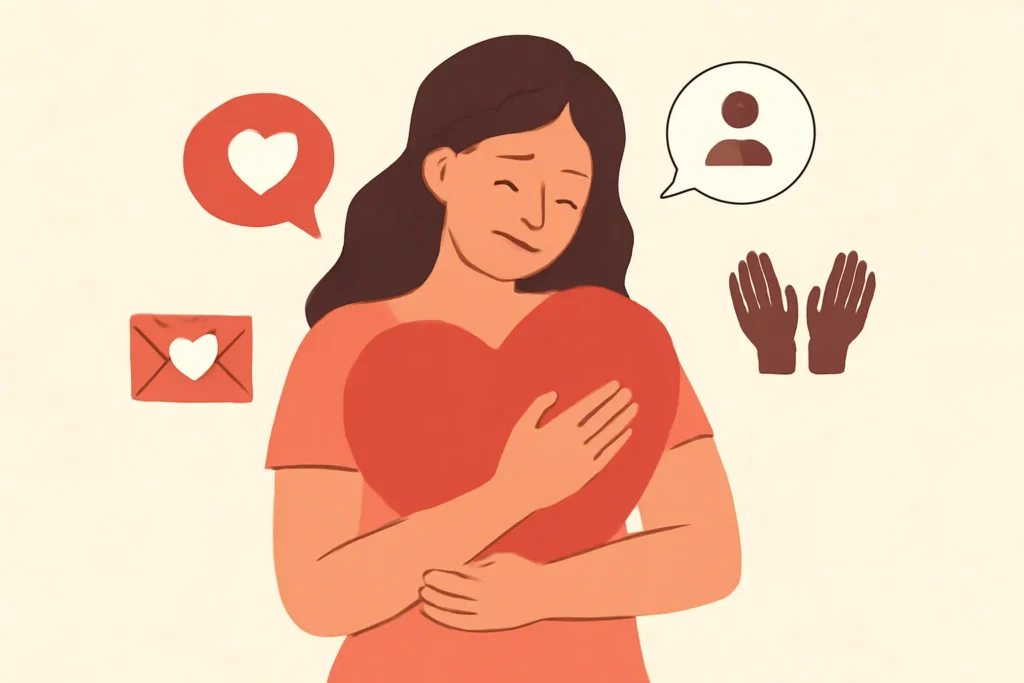
The idea of the five love languages was popularized as a framework for understanding how people give and receive affection. While often discussed in the context of romantic partnerships, this practical guide reframes the concept for singles—people who are not currently in a romantic relationship but who still want to cultivate deeper, more meaningful connections. In this article, we’ll explore the five love languages as they apply to single life and show you how to use them to strengthen friendships, family ties, roommate dynamics, community involvement, and even your future dating life.
By embracing five love languages for singles, you can design a daily practice that nourishes your own well-being while also enriching your relationships with others. This guide emphasizes practical strategies, concrete exercises, and realistic adaptations so that every language becomes a tool you can wield in your everyday interactions. Whether you’re seeking closer friendships, more supportive family relationships, or a more intentional dating approach in the future, understanding these languages helps you communicate care in a way that resonates.
Throughout this article, you’ll encounter variations on the phrase five love languages for singles to reflect different angles—such as the five love languages for single people, love languages for individuals who are single, and how to express love when you’re single. These variations are all part of the same idea: love is something you give as well as receive, and it can be expressed beyond romance. With that in mind, let’s begin with the first love language and translate it into concrete actions you can take as a single person.
1) Words of Affirmation: The Power of Encouraging Language for Singles
What this language means for singles
Words of Affirmation are verbal expressions of appreciation, encouragement, and validation. For singles, this language is not limited to romantic compliments. It includes the way you speak to friends, family, coworkers, neighbors, and even yourself. When you use kind, specific, and genuine words, you reinforce connection and trust. This language also supports healthier boundaries and clearer communication, which are essential for thriving in non-romantic relationships.
Start a daily compliment habit with people you encounter—co-workers, baristas, neighbors, or fellow gym-goers. Aim for sincerity and specificity (e.g., “Your presentation was clear and engaging,” or “I really appreciate how you listen.”).
Write short affirming notes to friends and family. A quick text, email, or handwritten card can brighten someone’s day and deepen your bond.
Record voice messages for close friends. Hearing your tone and warmth adds a personal touch that messages can’t always convey.
Practice positive self-talk. Create a list of three affirmations you return to when you feel uncertain or lonely (for example, “I am worthy of connection,” “I am capable of creating meaningful friendships”).
Examples and templates
When a friend shares a challenge: “I admire your resilience in this situation. You’ve got this, and I’m here to support you.”
For a colleague: “Thank you for your clear contribution to the project. Your detail-oriented approach makes a real difference.”
For yourself: “I value my time and effort, and I’m proud of how I’m choosing to invest in relationships.”
Common pitfalls and tips
Avoid generic phrases. People respond best to specific, sincere observations rather than clichés.
Don’t rely solely on digital language; where possible, pair words with actions that reinforce your message (e.g., follow through on a compliment with timely support).
Balance is key; give affirmations without expectations. The goal is authentic connection, not manipulation or obligation.
Exercises for the next 30 days
Today: Give one specific compliment to a person you interact with.
Week 1: Send a thoughtful note or voice message to three different people.
Week 2: Keep a “Words Journal” where you record at least two meaningful phrases you heard that day and reflect on why they mattered.
Week 3: Offer constructive, kind feedback in a meeting or group setting, focusing on concrete impact.
Week 4: Write a longer letter of appreciation to someone who has supported you, whether recently or in the past.
2) Quality Time: Intentional Presence in Your Singled Life
What this language means for singles
Quality Time is about giving someone your full attention. For singles, this language becomes a practice of being truly present with others—friends, family members, roommates, neighbors, or even your own inner experience. It also includes quality time with yourself when you’re exploring personal interests, hobbies, and self-care routines. The essence is not isolation but meaningful, undivided attention—without distractions.
Practical ideas for singles
Schedule weekly “quality time” sessions with a friend or family member—no phones, no multitasking, just conversation, shared activity, or mutual support.
Join or start a community activity (book club, walking group, language meetup) to be consistently present with others who share a common interest.
Plan date-yourself experiences—a solo dinner at a restaurant you love, a museum visit, or a hike—centered on being with your own thoughts and feelings in a mindful way.
Engage in co-working or study sessions with friends or neighbors to combine productivity with social connection.
Examples and scenarios
With a roommate: dedicate one evening a week to a device-free, shared activity—cooking together, playing a board game, or reviewing the week’s plans and goals.
With friends: attend a workshop or class together, then reflect on the experience over coffee—this creates shared memories and deeper understanding.
In dating contexts later: you’ll have practiced presence, which translates into confident, attentive conversations with potential partners.
Challenges and practical workarounds
Digital distractions can erode quality time. Create a tech-free window during your interactions (e.g., during meals or walks).
Schedule can be tight. Treat quality time as a non-negotiable appointment with a friend or with yourself, and protect it as you would a work deadline.
When you’re introverted, quality time with yourself is equally valuable. Build rituals that ground you and reconnect you with your inner world.
30-day quality-time plan
Days 1–7: One 60-minute uninterrupted conversation with a friend or family member each week day (phone or in person).
Days 8–14: Attend one in-person event with a small group; stay engaged for the entire activity and plan a debrief afterward.
Days 15–21: Schedule a solo outing (museum, park, café) and journal the experience—note how being alone affected your sense of connection.
Days 22–30: Combine activities—join a club or class and participate actively, then invite a friend to join you for the next session.
3) Receiving Gifts: Thoughtful Tokens and the Spirit of Generosity
What this language means for singles
Receiving Gifts is often misunderstood as materialism. In the context of singles, it’s really about thoughtful tokens, tangible reminders of care, and shared experiences. Gifts can be physical objects, experiences, or acts of generosity that communicate that someone is seen and valued. For singles, this language also extends to self-gifting—treating yourself with intentional care and celebrating small wins.
Practical ideas for singles
Give yourself small, meaningful tokens that reinforce your goals (e.g., a new journal, a cozy throw, a plant for your living space).
Share experience gifts with friends—tickets to a concert, a cooking class, or a weekend trip—creating shared memories.
Offer or exchange care packages with someone you care about (a friend, family member, or neighbor): snacks, notes, self-care items, or a favorite book.
Practice gratitude gifts by leaving a thank-you note or a small token for someone who helped you recently.
Examples and scenarios
A friend helped you move. You express your appreciation with a handwritten note and a small gift that suits their taste.
You join a book club and bring a copy of a book you loved for the group to discuss—an act of sharing and reciprocity.
You celebrate personal milestones (finishing a course, reaching a goal) with a self-purchased reward that reinforces your achievement and self-respect.
Common pitfalls and tips
Avoid equating cost with care; meaningful gifts are about thoughtfulness, not price.
Be mindful of the receiver’s preferences and boundaries. Some people prefer experiences over material items, and others may have allergies or sensitivities to certain gifts.
Pair gifts with accompany notes or invitations to experiences, so the gesture becomes a shared memory rather than a one-off item.
Gift-oriented exercises for singles
Month 1: Gift yourself one small, meaningful item that supports a personal goal (e.g., a planner, a wellness product, a new workout accessory).
Month 2: Schedule a “gift exchange” with a friend—an experience, not just a physical item—such as a cooking night or a day trip.
Month 3: Write a gratitude letter to someone who contributed to your growth, and include a small token that represents your appreciation.
4) Acts of Service: The Practical Demonstration of Care
What this language means for singles
Acts of Service center on doing helpful things for others. For singles, this language is a powerful way to build trust and reciprocity with friends, family, roommates, neighbors, and colleagues. It also translates into self-care when you take concrete steps to support your own goals. When you offer practical help, you communicate reliability, generosity, and attentiveness—qualities that strengthen any relationship, romantic or otherwise.
Practical ideas for singles
Offer to help a friend with a project—editing a paper, organizing an event, or running errands.
Volunteer for a cause you care about. A group activity with shared purpose fosters connection and meaning.
Take on household or communal tasks in a way that lightens the load for others (clean a common area, cook a meal for housemates).
Make yourself available for emergency support (a ride, a quick phone call) in moments when someone needs a lifeline.
Examples and scenarios
You notice a friend is overwhelmed with moving and offer to help them pack and transport boxes.
In your apartment building, you coordinate a neighborly assistance plan—people sign up to help each other with groceries or small tasks.
You support a family member by tackling a challenging chore or helping with a project that’s been causing stress.
Common pitfalls and tips
Avoid performing acts of service with expectations attached. The aim is genuine support, not obligation or reward.
Be mindful of capacity. Overcommitting can lead to burnout and resentment, which undermine connection.
Communicate boundaries and capabilities clearly. People appreciate reliable help when it’s realistic and consistent.
30-day acts of service challenge
Week 1: Do one thoughtful favor for a friend or family member without being asked.
Week 2: Volunteer for a non-profit or community project for at least two hours.
Week 3: Offer to help a neighbor with a practical task (yard work, groceries, repairs).
Week 4: Create a simple routine with a roommate or partner that distributes chores more evenly.
5) Physical Touch: Boundaries, Consent, and Safe Expressions of Affection
What this language means for singles
Physical Touch is not exclusively romantic. For singles, it encompasses healthy, consent-centered forms of touch—hugs, handshakes, pats on the back, high-fives, massage, or partner-free movement activities like dance classes. The key is respect for boundaries and ensuring that touch is welcome and appropriate in each context. Physical closeness can be a powerful way to convey warmth and solidarity, especially in group settings or with close friends and family.
Practical ideas for singles
Center touch around consent: ask before hugging, seating, or any prolonged contact, and respect a clear “no.”
Engage in group activities that involve safe, friendly touch, such as dance classes, partner exercises, or team sports.
Use self-care practices that involve safe touch, such as self-massage, stretching, or yoga.
Embrace tactile experiences with trusted people—handwritten notes can accompany a warm, nonverbal greeting, reinforcing connection without relying on touch alone.
Examples and scenarios
At a friend’s gathering, you offer a warm hug after a long day, and immediately ask if they’re comfortable with touch in that moment.
In a dance class or group fitness setting, you engage in coordinated movements that require touch but remain within comfort boundaries.
When receiving a massage or a spa service, acknowledge your boundaries with the practitioner and communicate any areas to avoid or emphasize.
Boundaries and safety tips
Always ask for consent and be prepared to accept a “no.”
Different contexts have different norms. A friendly high-five or hug in a family setting may differ from those in a casual work environment.
Respect individual comfort levels: some people prefer less touch, others more. Personalize your approach accordingly.
Touch-centered exercises for singles
Practice consent conversations in everyday interactions (e.g., “Would you be comfortable with a hug?”).
Enroll in a partner-based activity that emphasizes non-romantic touch (dance, contact improv, or massage workshop) with clear boundaries and safety norms.
Develop a personal self-touch routine that promotes relaxation and body awareness (self-massage, stretching, breathing exercises).
The five love languages for singles aren’t a rigid timetable, but a flexible toolkit. When you understand how you prefer to give and receive love, you can tailor your daily life to foster more meaningful connections across all your relationships. Whether you’re building a close circle of friends, nurturing family ties, coordinating with roommates, or laying the groundwork for future dating, these languages help you articulate care in ways that others intuitively understand.
Steps to implement the guide for singles
Identify your dominant love languages by observing how you feel most fulfilled in interactions and how you naturally show care to others.
Map your relationships. Create a simple chart that lists who you want to connect with (friends, family, roommates, coworkers, neighbors) and which language you want to emphasize with each person.
Create a 30-day plan that combines activities from all five languages. Balance time between giving and receiving, self-care, and community involvement.
Track your progress. Keep a short journal of meaningful moments, reflections, and any adjustments you need to make.
Personalizing the approach
Everyone’s social ecosystem is different. You might have a rich network of friends but a small family circle, or you might live with roommates and want to deepen those daily interactions. Use the five love languages for singles as a flexible framework rather than a prescriptive rulebook. For example:
If you crave Words of Affirmation, you may dedicate more effort to compliments, thank-you notes, and verbal encouragement within your circle.
If you value Quality Time, prioritize regular, focused interactions with peers and loved ones while also carving out moments for your own reflective time.
If Receiving Gifts resonates, practice mindful gifting that emphasizes thoughtfulness and shared experiences rather than cost.
If Acts of Service speak to you, identify practical ways to support others consistently, and invite reciprocal acts of care.
If Physical Touch matters, cultivate consent-based, respectful touch in appropriate settings and lean into activities that involve safe physical connection (dancing, group workouts, or partner-based classes).
Final tips for sustainable practice
Balance is essential. Avoid over-delivering in one language at the expense of others, as this can lead to fatigue or miscommunication.
Be mindful of boundaries and culture. Different communities have different norms about touch, gifts, and expressions of care—always lead with sensitivity and curiosity.
Use reflection and feedback. Regularly check in with the people you care about to learn what feels right and what doesn’t.
Optional: a long-term vision for singles and connections
As you grow more confident with the five love languages for singles, you’ll likely notice that your connection quality improves across all areas of life. You’ll be better at communicating your needs, more present in conversations, more generous without expectation, and more aware of boundaries. This doesn’t require you to pursue romance immediately, but it does create a social ecology in which meaningful relationships can flourish—whether they’re friendships, family ties, or future romantic possibilities.
Which love language is most natural for you, and which one do you want to develop more?
Who are three people in your life with whom you’d like to strengthen your connection this month, and which language will you emphasize with each?
What is one self-care ritual you can add this week that aligns with a love language (e.g., a weekly acts of service to yourself, a self-affirming note, or a solo quality-time outing)?
Putting it All Together: A 90-Day Practical Implementation Plan
Phase 1: Discovery and intention (Weeks 1–2)
Identify your primary and secondary love languages. Spend a few days observing how you feel most connected and fulfilled after different interactions.
List key relationships you want to nourish in the next three months: family, friends, roommates, coworkers, neighbors, or potential dating connections.
Set a daily and weekly intention: “Today I will express care using X language with Y person.”
Phase 2: Action and practice (Weeks 3–8)
Rotate through the five languages. Each week, focus on one language with a particular person or group, then blend to avoid stagnation.
Track experiences in a simple log: date, context, language used, outcome, and a short reflection.
Incorporate self-care as a form of the “gift” language, ensuring you are also giving yourself attention and kindness.
Phase 3: Integration and sustainability (Weeks 9–12)
Review your notes and identify patterns. Which language tends to yield the strongest connections? Which language requires more practice?
Fine-tune boundaries and consent practices to safeguard healthy relationships while expanding your social world.
Develop a long-term routine: weekly quality-time slots, biweekly acts of service, monthly gifts or experiences, regular affirmations, and ongoing opportunities for safe touch where appropriate.
Conclusion: The Empowered Path of the Five Love Languages for Singles
The idea of five love languages for singles is not about chasing romance or following a rigid script. It is about building a connected life full of intention, empathy, and practical care. By applying these five languages—Words of Affirmation, Quality Time, Receiving Gifts, Acts of Service, and Physical Touch—in thoughtful, consent-based, and boundary-respecting ways, you can cultivate meaningful relationships that enrich your daily life and prime you for future relationships if and when you choose to pursue them.
Remember that your journey as a single person is unique, and there’s no universal timetable for connection. Use the tools in this practical guide to tailor your approach to your own needs, strengths, and community. The goal is not simply to fill time or avoid loneliness; it is to cultivate a vibrant social ecosystem where care flows freely in healthy, reciprocal, and joyful ways. When you focus on authentic expression, you’ll find that meaningful connections—whether with friends, family, neighbors, colleagues, or future partners—arise with greater ease and grace.
If you’d like, you can adapt the exercises and plans above to a personal calendar or a digital reminder system. The most important step is to begin—one small, concrete action today that aligns with your preferred love languages for singles. By doing so, you invest in a more connected, resilient, and fulfilling life, now and in the years ahead.











Leave a Reply