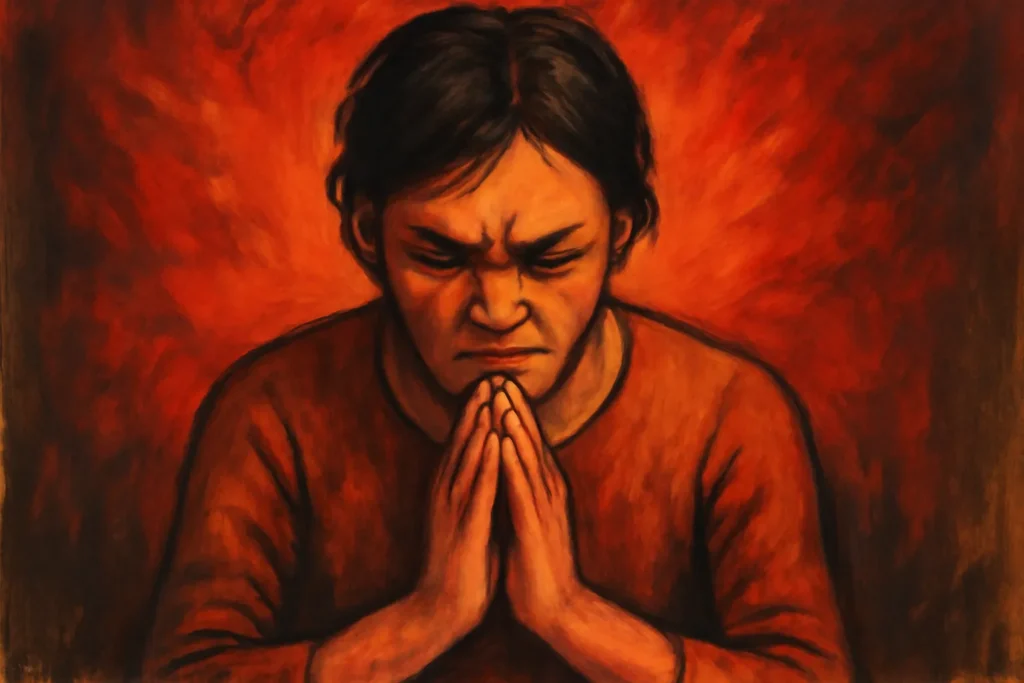
Anger is a powerful signal from our nervous system: a cue that something is out of alignment, whether it’s a boundary breached, a value challenged, or a stimulus that disrupts our sense of safety. For many people, anger can feel overwhelming, uncomfortable, or even frightening. Yet anger also carries energy that, when engaged mindfully, can fuel positive change, guardrails for behavior, and opportunities for growth. Anger prayers are a form of spiritual or reflective practice designed to help transform that energy into clarity, compassion, and inner peace.
In this article, we explore the concept of anger prayers as a practical, accessible path for releasing anger and restoring emotional equilibrium. You will find a careful blend of background, principles, and actionable steps, including multiple prayer variations—from brief prayers to longer, more contemplative rituals. Whether you come to prayer from a religious tradition, a secular mindfulness practice, or a personal blend of practices, the aim remains the same: to create space for honest feeling while guiding the heart toward forgiveness, healthier boundaries, and lasting emotional balance.
What are anger prayers?
Anger prayers are form-focused prayers or meditations that acknowledge anger, name the sensation, and invite transformation. They are not about denying or suppressing the emotion; instead, they offer a doorway to process it with intention. In many traditions, prayer acts as a bridge between the raw energy of anger and the wiser, more compassionate response that serves your well-being and the well-being of others.
There are several core aims that guide most anger-prayer practices:
Recognizing and naming the anger without judgment.
Breathing and grounding to calm the nervous system.
Releasing the urge to react impulsively and replacing it with measured action or surrender.
Reframing the situation through compassion, empathy, and perspective.
Repairing relationships by choosing words and actions that are constructive.
Restoring inner peace, so daily life becomes more sustainable even in the face of conflict.
While the word “prayer” might imply a specific religious framework for some, anger prayers can be secular or spiritual, ritualized or informal. What matters most is the intention: to invite awareness, soften reactivity, and cultivate a mind that can respond with clarity and compassion.
Why use anger prayers?
Anger can be corrosive if left unmanaged, but it can also be a catalyst for necessary change. A thoughtful prayerful practice can provide several benefits:
Emotional regulation: deep, intentional breathing and focused attention calm the autonomic nervous system, reducing the intensity of anger.
Clarity and discernment: pausing the impulse to react reveals options you might not have noticed in a heated moment.
Boundaries and responsibility: prayers can help you articulate boundaries with dignity and responsibility rather than aggression or withdrawal.
Healing and forgiveness: releasing resentment and choosing forgiveness—whether toward yourself or others—can reduce the burden of anger over time.
Compassion and empathy: shifting the focus from “I am offended” to “I understand what happened and who it affected” fosters humane responses.
Consistency: a regular practice builds a reliable framework for dealing with anger, even when it returns in new forms.
Research in psychology and mindfulness traditions shows that steady practice of mindful breathing, cognitive reframing, and compassionate intention can lower chronic stress and improve emotional tolerance. When combined with a sincere spiritual or reflective dimension, anger prayers can become a steady anchor in a stormy emotional landscape.
Anger prayers come in many shapes. Here are some practical varieties you can adapt to your life, traditions, and needs. The common thread is intention: to release anger without suppressing it, to respond with integrity, and to cultivate inner peace.
Breath-centered prayers: Short phrases accompanied by deliberate breathing (inhale, exhale) to settle the body.
Forgiveness-focused prayers: Aimed at letting go of anger toward others or toward self, recognizing humanity and limitations.
Boundary-prioritizing prayers: Clarifying what is not acceptable and stating boundaries with calm, respectful language.
Compassion-oriented prayers: Reframing the situation by seeking understanding of others’ situations and perspectives.
Gratitude-in-action prayers: Reframing anger by naming what you appreciate and what you’ve learned from the conflict.
Accountability prayers: Acknowledging your own part in the situation and committing to change, repair, or restitution.
Joyful-release prayers: A rite of release that uses imagery of letting go like releasing a balloon or a weight sinking to the bottom of a calm sea.
Contemplative visual-prayers: Using imagery or symbolic acts (lighting a candle, writing, or drawing) to embody release and calm.
Here are some practical, ready-to-use variants you can adapt. Each variation expresses a slightly different emphasis—whether you need to calm the storm, set boundaries, or invite forgiveness.
Variations of anger prayers for daily practice
Simple breath prayer: “Breathing in, I acknowledge the anger. Breathing out, I release what I cannot control. May calmness fill me.”
Release and reset prayer: “I release the urge to react in anger. I choose to respond with wisdom, courage, and kindness.”
Boundary-setting prayer: “Help me hold my ground with dignity. Teach me to speak truth without cruelty, to protect what matters most.”
Forgiveness-prayer: “May I be released from the burden of blame. May the other person be safe, and may I grow from this experience.”
Compassion prayer: “Open my heart to understand where the other person is coming from, even when I disagree.”
Practical guide: how to practice anger prayers
Below is a practical guide to establishing a reliable practice. It is designed to be accessible whether you’re new to prayer, new to anger-work, or returning after a rough patch.
Set a intention: Decide what you want to accomplish in this session (calm the body, articulate a boundary, release a grudge, ask for guidance, etc.).
Create a sacred space: This can be a physical space, a moment of silence, or a ritual like lighting a candle or placing a comforting object nearby.
Ground yourself: Begin with 3–5 breaths, counting slowly or simply noticing the rise and fall of your chest. Feel your feet on the floor and your body supported.
Name the anger: Briefly identify what you are feeling and what triggered it. This is not for judgment, but for clarity (e.g., “I feel angry because I was dismissed.”).
Choose a form of prayer: Use one of the variations above or craft your own. Keep it short if you’re new; you can extend it as you gain comfort.
Release and redirect: End with a clear statement of release and a path forward (e.g., “I release the grip of rage and choose a calm, firm response.”).
Close with gratitude or compassion: End with a moment of gratitude for the chance to learn or for the opportunity to act with kindness.
Tips for practice:
Consistency matters: Short daily sessions are often more effective than long sporadic ones.
Adapt to your context: If you’re at work or around others, you may prefer brief, discreet prayers; at home, you can be more expansive.
Integrate reflection: After the prayer, journal briefly about any new insights or commitments.
Be patient: Emotional regulation takes time and repeated effort. Expect fluctuations and treat yourself with kindness.
Seek support: If anger is persistent or explosive, consider combining prayer practice with counseling, therapy, or spiritual direction.
Here are several ready-to-use or easily adaptable prayers designed to help you work with anger in constructive ways. Each one can be sung, spoken quietly, chanted, or simply read as a meditative reflection.
Short, daily breath-prayer for anger
“Breathing in I acknowledge my anger; breathing out I release what I cannot control. May I respond with calm, clarity, and care.”
Release and reset prayer
“I feel the heat of anger within me, and I name it with honesty. With each breath I release the impulse to lash out. I choose a response that heals, protects what matters, and honors my values.”
Boundary-focused prayer
“Grant me the strength to set healthy boundaries without contempt or cruelty. If I am wronged, help me address it directly, but keep my speech and actions respectful. May my boundaries be clear and compassionate.”
“May anger loosen its grip on my heart. I release resentment and extend mercy toward myself and others. I choose to learn from this moment and to grow toward greater peace.”
“Open my ears and heart to understand the other person’s perspective, even if I disagree. May compassion guide my thoughts, words, and actions.”
Gratitude and growth prayer
“I am grateful for the energy anger brings, for its signal that something needs attention. May this awareness lead me to constructive action, wiser choices, and a kinder heart.”
Evening reflection prayer
“As I rest, I release the day’s anger into the night wind. Help me forgive where forgiveness is needed and wake rested, ready to respond with patience and grace.”
Anger prayers in different traditions
Anger-prayer practices can be found in many traditions, often under different names or with distinct ceremonial flavors. Here are a few ways people from various backgrounds align this practice with their beliefs:
Christian traditions: Centered on surrender, forgiveness, and the guidance of the Holy Spirit, often using the Lord’s Prayer as a framework or integrating personal petitions.
Jewish mindfulness and mistical practices: Emphasize tikkun olam (repair of the world) and inner honesty, sometimes using psalms or liturgical prayers that acknowledge anger as part of the human experience.
Buddhist approaches: Focus on mindfulness (mindfulness-of-feelings) and loving-kindness (metta), recognizing anger as a transient mental object and training the mind to observe without becoming overwhelmed.
Hindu and vedic traditions: May incorporate mantras, breathwork (pranayama), and prayers that reroute energy toward dharma (righteous living) and balance.
Indigenous and earth-centered practices: Often involve rituals that honor emotions as part of living in reciprocity with others and with the land, using ceremonial elements like fire, water, or earth as symbolic tools for release.
Regardless of tradition, the underlying principles are similar: acknowledge the anger, breathe, release the impulse to harm, and redirect energy toward constructive action, healing, and growth. If you practice within a faith community, you may find it helpful to share your practice with a trusted partner or spiritual guide who can offer encouragement and accountability.
Common roadblocks and how to overcome them
Even with the best intentions, anger-prayer practice can encounter obstacles. Here are common roadblocks and strategies to address them:
Resistance to naming the anger: It can feel vulnerable to admit that you’re angry. Start with a simple label (“I’m feeling angry”) and gradually deepen the description over time.
Racing thoughts: If your mind wanders, gently return to your breath and the intention of the prayer without judgment.
Belief that anger is bad: Recognize that anger itself is not wrong; it is energy that can be transformed. The aim is not to eliminate anger but to manage it usefully.
Impulse to blame or condemn: Replace judgment with curiosity. Ask, “What is this anger trying to tell me about my values or needs?”
Difficulty sustaining practice: Short, frequent sessions are often more sustainable than long, infrequent ones. Build a habit gradually, then grow the duration as comfort increases.
Integrating anger prayers into daily life
Anger prayers are most effective when integrated into daily life rather than treated as a one-off ritual. Here are practical ways to weave this practice into your routine:
Over time, you may notice that anger-prayer routines help you interpret conflicts differently, choose calmer words, and pursue outcomes that align with your core values. This is the result of consistent practice and the willingness to sit with difficult emotions without judgment.
Technology and modern tools for anger prayers
In today’s world, you can leverage technology to support your practice without letting it distract you. Some useful tools include:
Guided audio prayers or meditations focused on anger release.
Breathing apps that guide inhalation and exhalation patterns to regulate the nervous system.
Digital journals for quick notes after a prayer session to track progress and insights.
Reminder systems that nudge you to pause and pray at set times during the day.
When using technology, aim to keep your practice personal and private, ensuring that devices serve your well-being rather than amplifying stress or distraction. A ritual that grounds you is often more effective than a ritual that overwhelms you with notifications or screens.
Measuring progress: how to know if your anger prayers are helping
Progress in anger-prayer practice can look like several tangible shifts over time. Consider tracking these indicators:
Frequency of anger spikes decreases or becomes shorter in duration.
Quality of response improves—fewer impulsive reactions, more deliberate choices, and better articulation of needs.
Emotional clarity: You notice the root cause of anger more quickly and can address it with less self-judgment.
Relationships show signs of healing or improved communication, even in difficult conversations.
Self-compassion increases; you recognize that anger is a human experience and treat yourself with gentleness as you work through it.
If you track for several weeks or months and notice limited progress or increased distress, consider seeking support from a counselor, spiritual director, or trusted mentor who can offer guidance tailored to your situation.
Conclusion: the path to inner peace through anger prayers
Anger is not merely a problem to be solved; it is a signal that can help you realign with your deepest values and needs. Anger prayers provide a structure to acknowledge that signal, calm the body, and choose a response that honors both yourself and others. By combining intention, breath, and compassionate language—whether through short breath prayers, forgiveness-centered petitions, or boundary-focused supplications—you can transform the energy of anger into constructive action and lasting inner peace.
As you explore these practices, you may find that varied expressions of anger prayers—from silent breaths to spoken liturgies—offer flexible approaches that fit different moments in life. The most important element is consistency plus a willingness to meet anger with honesty, patience, and care. With time, the storm can become a source of clarity, guiding you toward healthier relationships, a more resilient mind, and a deeper sense of calm that endures beyond the moment of conflict.










Leave a Reply