Bathsheba: The Noble Woman of the Bible and Her Divine Significance
Bathsheba: The Noble Woman of the Bible and Her Divine Significance
Old Testament Women | Women of Faith
Bathsheba: The Noble Woman of the Bible and Her Divine Significance
📅 11th-10th century BCE (United Monarchy period) · 📜 In Hebrew, Bathsheba means 'Daughter of the Oath' or 'Daughter of Seven,' symbolizing her noble lineage and divine blessing.
BathshebaBible WomenOld TestamentKing DavidSalvation History
David took her, and she became his wife and bore him a son, but the thing David had done displeased the Lord.— 2 Samuel 11:27
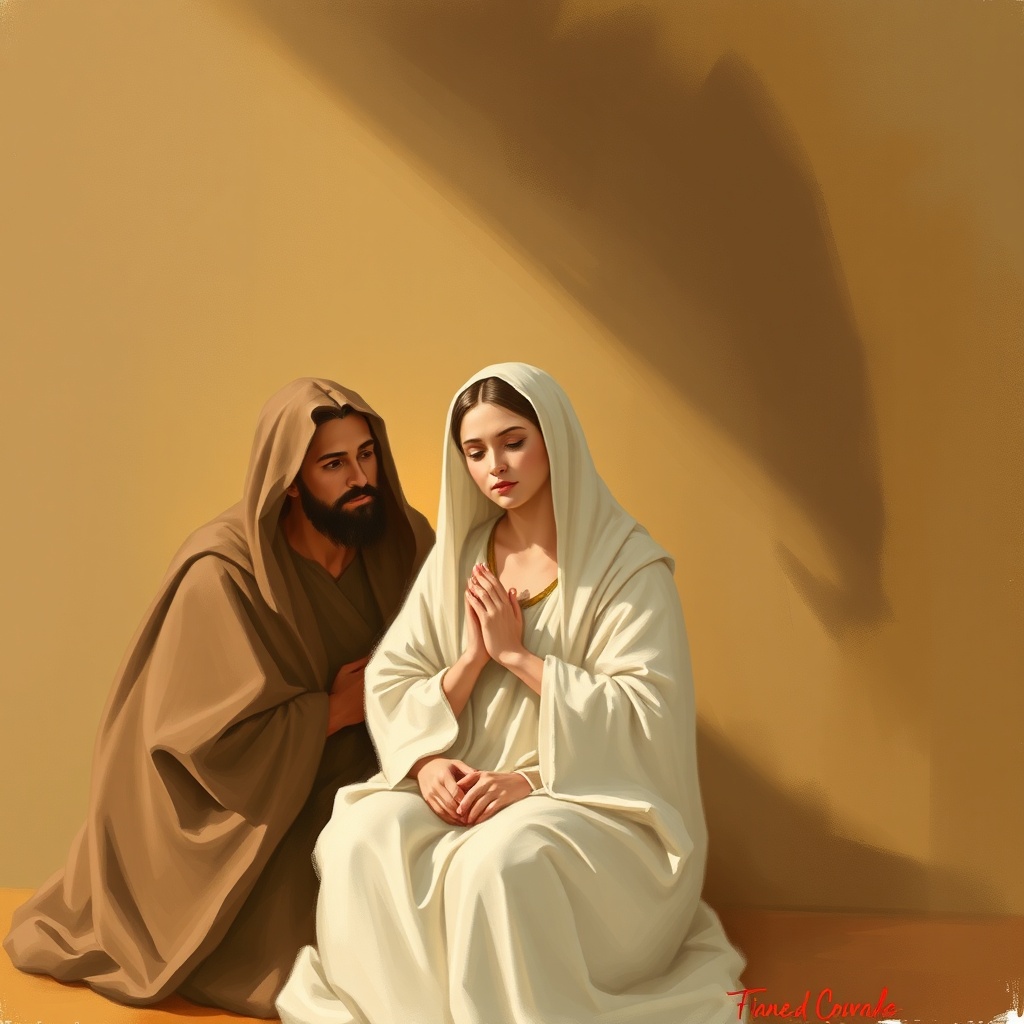
Bathsheba is introduced in the Bible as the wife of Uriah the Hittite, but her story takes a pivotal turn when King David sees her bathing and desires her. Under her influence, David orchestrates her presence in his palace, leading to their adulterous encounter. When she becomes pregnant, David attempts to conceal his sin, ultimately orchestrating Uriah’s death to cover up the affair. After her husband's death, she marries David, becoming the queen mother. Her story is marked by personal tragedy, divine forgiveness, and political significance. She eventually bears Solomon, a central figure in Israel’s history, symbolizing God's grace and the complexities of human morality. Bathsheba's narrative highlights themes of repentance, divine sovereignty, and the potential for redemption amidst sin. Her role also exemplifies the nuanced position of women in biblical history, often caught between power and vulnerability.
🏛️ Cultural & Historical Context
Bathsheba lived during Israel's monarchy when societal roles for women were largely defined by familial and political alliances. Women were often valued for their beauty, fertility, and role in continuing lineage, but they also faced vulnerability to power struggles. Bathsheba's story reflects the precarious position of royal women, who could wield influence through their children or face exploitation and shame. Her incidents expose societal attitudes towards gender, morality, and divine justice in ancient Israel. Despite the patriarchal culture, Bathsheba's rise to prominence shows her resilience and eventual importance in the royal narrative, illustrating shifting dynamics of authority and divine purpose in biblical times.
👨👩👧 Family Connections
Daughter of Eliam; wife of King David; mother of Solomon; grandmother to Rehoboam; linked to David through familial and political ties.
Bathsheba symbolizes God's sovereignty and ability to bring redemption from human error. Her story underscores themes of repentance and divine forgiveness, reflecting God's overarching plan despite moral failings. She is part of the messianic lineage through Solomon, emphasizing God's grace working through imperfect individuals. Bathsheba’s role highlights biblical insights into sin, repentance, and divine mercy, illustrating that God's plan encompasses all, even those who stumble. Her inclusion in the genealogy of Jesus (Matthew 1:6) elevates her significance in salvation history, exemplifying God's ability to turn human mistakes into pathways for divine purpose.
📖 Lessons for Today
📖 Lesson 1
Even in moments of failure or sin, repentance and humility can lead to redemption and divine forgiveness.
Bathsheba’s story contrasts with women like Deborah or Ruth, who are celebrated for leadership and righteousness. While she begins as a victim of circumstances, her eventual role as mother of Solomon highlights resilience and divine purpose. Her narrative underscores themes of repentance that are echoed in other biblical stories, emphasizing that women’s roles encompass both vulnerability and strength in God's plan.
📜 Scripture References
Reference
2 Samuel 11-12
1 Kings 1-2
1 Chronicles 3:5
❓ Frequently Asked Questions
Why is Bathsheba considered an important biblical woman?
Bathsheba is important because she is part of the Messianic lineage through Solomon and embodies themes of repentance, divine grace, and resilience amidst moral challenges, as seen in 2 Samuel and Matthew.
Did Bathsheba ever repent for her actions?
While the biblical text shows her as a victim of circumstances, her later prominence and inclusion in Scripture suggest she experienced divine forgiveness and played a vital role in God's plan, especially as the mother of Solomon.
How does Bathsheba relate to the concept of divine forgiveness?
Bathsheba’s story demonstrates that despite moral failings, repentance and God's mercy can restore and elevate individuals, exemplifying God's grace and purpose in salvation history.
✨ Did You Know?
The name 'Bathsheba' might be linked to the goddess Ishara, suggesting possible cultural overlaps, and her story has been the subject of various theological debates about sin, grace, and divine purpose in biblical scholarship.








Leave a Reply