Best Bible Proverbs: Timeless Guidance for Daily Living
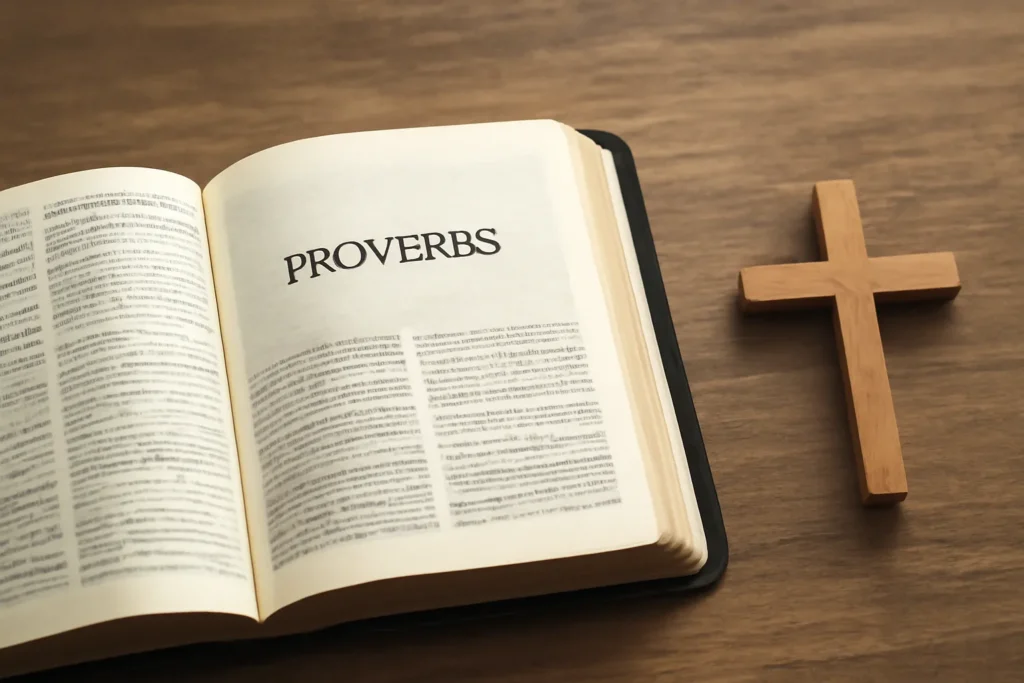
The Book of Proverbs offers short, practical sayings that illuminate how to live with wisdom in everyday moments. These are not merely ancient slogans; they are timeless guidance that address work, relationships, decision-making, character, and the everyday rhythms of life. In this article, we explore what makes the proverbs so enduring, highlight best Bible proverbs across key areas, and offer actionable ways to apply them to modern living. Whether you are seeking a clearer moral compass, better habits, or more peaceable relationships, the themes found in the Proverbs remain some of the most helpful anchors for daily living.
Throughout this guide, you’ll encounter varying ways to describe the same enduring wisdom. You’ll notice phrases like top Bible proverbs, classic proverbs, wise sayings, and scriptural maxims used interchangeably to capture the breadth of wisdom found in this ancient collection. The aim is not to elevate one translation above another, but to present a broad map of timeless counsel that readers can adapt in practical, concrete ways.
What makes a proverb truly timeless?
Proverbial wisdom earns its longevity by combining brevity, universality, and relevance to everyday life. Prolific writers of the Proverbs rely on accessible imagery—animals, crafts, daily labor, family life—to illustrate truths that cross cultures and centuries. A few hallmarks stand out:
Clarity: A good proverb communicates a principle in a single image or sentence, making it easy to recall.
Actionability: It often points toward concrete behavior—what to do, or what not to do—instead of abstract theory.
Balance: Many proverbs favor moderation and a balanced approach to life, warning against extremes (pride vs humility, hurry vs diligence, speech vs silence).
Accountability: They invite personal reflection: “What am I doing that aligns with this guidance?”
Hope and realism: They recognize human weakness while pointing toward constructive steps, prayerful trust, and wise planning.
In practice, the best Bible proverbs function as prompts rather than rulebooks. They invite readers to pause, consider consequences, and choose ways that cultivate character, peace, and justice within a community.
Wisdom for daily decisions
Daily decisions—big and small—shape our character over time. The proverbs consistently urge us toward prudent judgment, patient discernment, and a posture of trust. Here are some guiding themes and representative proverbs that inform daily living with wisdom.
Trust, reliance, and direction
One of the most cited and foundational ideas in the Proverbs is to ground life in trustful dependence on wisdom beyond ourselves. A well-known portion emphasizes wholehearted trust and attentive steering:
Trust in the Lord with all your heart, and do not lean on your own understanding. In all your ways acknowledge him, and he will make straight your paths.
Best Bible proverbs of this kind remind us that human planning is imperfect; divine guidance provides direction. In daily practice, this means seeking wisdom before impulse, praying for clarity, and aligning plans with enduring values such as honesty, mercy, and diligence.
Related household-wise counsel includes balancing plans with humility: humility and teachability keep us open to correction and growth. For readers who face competing priorities, the proverb tradition offers a gentle correction: slow down, count the costs, seek counsel, and then proceed with integrity.
Discernment in decision making
The best Bible proverbs also emphasize discernment—knowing when to act and when to pause. A common refrain is about prudence, planning, and avoiding rash choices. Consider this representative guideline:
The wise of heart is called discerning, and sweetness of speech increases persuasiveness.
In practical terms, this means cultivating habits such as pausing before reacting, asking clarifying questions, weighing consequences, and choosing speech that builds rather than harms. It also means recognizing when timely restraint is a form of wisdom, especially in high-stakes or emotionally charged moments.
Character formation is at the heart of biblical wisdom. The best Bible proverbs repeatedly teach virtues like integrity, diligence, humility, self-control, and kindness. These traits are not only morally desirable; they also yield tangible benefits in work, family life, and community standing.
Integrity and honesty
Honesty is valued as the foundation of trustworthy community life. Proverbial language often links integrity with blessed outcomes, while deception leads to harm. For example, consider the emphasis on truthful speech and the consequences of deceit. In practical terms, readers are encouraged to tell the truth, to own mistakes, and to pursue fairness in all transactions.
Diligence versus laziness
The Proverbs draw a vivid contrast between the outcomes of diligence and the consequences of laziness. A few lines highlight the rewards of consistent effort and the setbacks that come from idleness. In daily routine, this translates into regular work habits, reliable follow-through, and a willingness to start small but steadily build momentum.
Industry protects against poverty while enabling generosity.
Consistency yields trust and competence over time.
Advancing slowly and steadily often wins the race over quick, flashy starts that fade.
Relationships and community
Proverbs are deeply concerned with how we relate to others. Strong relationships—whether family, friends, neighbors, or mentors—are formed through speech, trust, honor, and mutual care. Below are core areas where the best Bible proverbs offer practical wisdom for everyday relationships.
Speech, words, and conflict
The way we speak matters as much as what we say. Provoking words can inflame conflicts, while measured speech can soothe tensions and build understanding. Here are guiding ideas that appear across various proverbs:
Gentle answers can defuse wrath and foster reconciliation.
Wise speech discerns when to speak and when to remain silent.
Truth-telling builds trust, while deceit damages relationships.
To translate these ideas into daily practice, consider small habits: pausing before replying, choosing words that affirm rather than condemn, and seeking to understand before being understood.
Friendship and mentorship
The best Bible proverbs also celebrate the importance of wise companionship. A friend who speaks truth in love is a treasure, and a mentor who guides with patience is a valuable gift. When reading these verses, reflect on your current relationships: Are you investing in people who challenge you toward virtue? Are you the kind of friend who listens, forgives, and forgives again? These reflections align with the timeless counsel of Proverbs about community life.
Economic and vocational considerations are common threads in biblical wisdom. The proverbs offer practical counsel about labor, planning, stewardship, and generosity. These themes form a cohesive guide for responsible living in any era.
Diligence, prudence, and prudential planning
The top Bible proverbs on work prize diligence and wise planning. They warn against acting without forethought while praising steady effort that yields fruit over time. Some useful language to carry into your workday includes:
Commit to steady progress rather than grandiose, unsustainable flurries of effort.
Seek wise counsel and study before committing to significant projects.
Balance ambition with wisdom so as not to overreach or neglect essential duties.
Generosity, stewardship, and social responsibility
Wealth is framed not as an end in itself but as a resource for blessing others and sustaining a community. Proverbs encourage generosity toward the poor, prudent stewardship of resources, and a posture of gratitude. In daily life, this translates into planning for the future, giving sacrificially when possible, and ensuring that one’s pursuits do not harm the vulnerable.
Generosity is linked with practical outcomes: relief for others, stronger community ties, and personal joy.
Wise budgeting and frugality protect families from crisis and enable long-term goals.
Stewardship includes ethical decisions in business and investments, honoring the dignity of workers and communities affected by financial choices.
Wisdom for family and parenting
Family life is a common arena for Proverbs’ wisdom. The best Bible proverbs on parenting and household life emphasize teaching, discipline, and modeling virtuous behavior. Parents and caregivers are encouraged to shape children’s hearts, not merely their behavior, recognizing that character formation begins in the family.
Discipline, instruction, and modeling
The tradition highlights the value of corrective guidance paired with loving nurture. Short summaries include:
Discipline is a form of care when done with consistency and gentleness.
Instruction should be paired with example—the actions of adults often speak louder than words.
A home built on wisdom, respect, and patience tends to produce resilient, compassionate individuals.
Practical applications for readers include setting clear boundaries, offering patient explanations for rules, and recognizing that children learn not only from what is taught but also from how parents handle mistakes themselves.
Wisdom for speech and listening
Words have color, tone, and impact. The best Bible proverbs about speech often contrast harsh speech with gentle, constructive language. Mastery of speech is portrayed as a key catalyst for harmony, trust, and integrity in all relationships.
Words that bless or harm
Short, memorable lines emphasize the effect of language:
Soft answers turn away wrath;
Truthful words heal and clarify;
Sincere listening honors the speaker and deepens understanding.
In daily life, this wisdom can guide responses in disagreements, workplace exchanges, and family conversations. It invites a thoughtful cadence: pause, listen, reflect, and choose language that builds rather than breaks.
Proverb-style exercises: applying timeless wisdom
Turning the pages of the Proverbs from study to practice requires deliberate steps. Here are practical, non-religious-friendly exercises that help integrate timeless guidance into daily routines. Each exercise takes only a few minutes a day but can produce meaningful shifts over weeks and months.
Choose a memory verse each week from a different topic (trust, diligence, speech, generosity) and recite it morning and evening.
Keep a wisdom journal for 30 days: note a daily decision, how the proverb would guide it, and the outcome.
Practice gentle listening in one conversation per day, aiming to understand first before offering a response.
Set a small discipline goal (e.g., a consistent early wake-up, a brief prayer, or a family check-in) and track progress for two weeks.
Engage in a kindness audit: toward the end of each day, recall one act of generosity or one kind word you offered and one area you could improve.
These exercises help transform abstract lessons into lived habits, aligning daily living with the practical wisdom of the proverbs.
How to study Proverbs: a method for daily devotionals
For readers who want to study Best Bible proverbs systematically, a structured approach can deepen understanding and retention. The following method is designed to be approachable for beginners and enriching for seasoned readers alike.
Structured reading plans
Read one chapter per day, noting a central theme and a personal application.
Group chapters by topic (wisdom, wealth, speech, discipline) and compare what they say about similar situations.
alternate between reading in different translations to capture nuanced shades of meaning.
Proverbs often echo or complement other biblical books. Cross-reference verses about wisdom with passages from Psalms or James to see how the biblical story of wisdom develops across genres. For example, compare the emphasis on humility in Proverbs with the humility described in the New Testament letters.
Memorization and contemplation
Commit short, impactful verses to memory to have them ready in moments of temptation or stress.
Practice contemplation by paraphrasing a proverb in your own words and applying it to your current life situation.
Translations and study aids
Since English translations vary in cadence and nuance, many readers find it helpful to consult multiple versions. The best Bible proverbs can be better understood when you compare language and tone. Common options include the King James Version (KJV), the English Standard Version (ESV), the New International Version (NIV), and the New Living Translation (NLT). Each brings a distinct flavor:
KJV offers a majestic, traditional cadence that can aid memorization.
ESV emphasizes precise translation and literary balance, often preferred by students of language and theology.
NIV provides readable, contemporary phrasing suitable for everyday reading.
NLT emphasizes readability and explanatory phrasing, useful for newcomers to biblical wisdom.
In addition to translations, several study aids can deepen understanding:
Commentaries that explore historical context and linguistic nuances.
Lexicons for word studies, especially for key terms such as wisdom, fear of the Lord, or folly.
Devotional guides that pair selected proverbs with reflections and questions.
Topical guides that cluster proverbs by themes like diligence, speech, or wealth.
Variations of best Bible proverbs across themes
The collection of proverbs is broad, and different readers resonate with different clusters of wisdom. Here are several thematic clusters you may wish to explore, each featuring representative ideas and practical takeaways.
Wisdom and discernment
This cluster emphasizes learning, thoughtful consideration, and the habit of seeking guidance. Readers frequently cite proverbs about discernment as foundational for more complex moral reasoning.
Practice humility and teachability as the basis for growth.
Seek counsel from diverse sources and weigh options carefully.
Value slow, careful decision-making over impulsive actions.
Character and virtue
Character formation is a central aim of biblical wisdom. Proverbial instruction on integrity, gentleness, patience, and self-control helps cultivate inner life that aligns with outward behavior.
Let patience temper your responses.
Choose modesty over pride; constancy over impulse.
Genuine virtue is evident in everyday choices, not just grand declarations.
Speech and relationships
The power of words shapes relationships, work, and worship. The best Bible proverbs on speech encourage thoughtful speech, honest dealing, and compassionate listening.
Graceful words ease tension and invite trust.
Truth-telling sustains integrity even when it is difficult.
Listening well is a companion practice to speaking wisely.
Work, wealth, and generosity
Economic life is addressed with a balance of prudent management and generous, justice-minded living. The proverbs advocate steady work, wise stewardship, and concern for the vulnerable.
Build wealth through diligence and prudent habit, not mere luck.
Use wealth to bless others and to sustain the common good.
Aimer to reflect on how your decisions affect others, especially the disadvantaged.
Applying timeless guidance to modern life
The ultimate test of Best Bible proverbs is not their poetic beauty but their capacity to shape a life. Here are several practical scenarios illustrating how timeless wisdom translates into action.
Scenario 1: You face a tough career decision
You’re weighing a job offer that promises advancement but would require a long commute and significant life changes. The Proverbs encourage you to weigh consequences, seek counsel, and consider the impact on your family. A practical approach might be to:
Ask for a trusted mentor’s perspective (seek wise counsel).
Count the cost: time, energy, relationships, and long-term goals.
Pray for discernment and patience to wait for a decision that aligns with core values.
In this scenario, a principle of prudence guides you to avoid haste and to prioritize lasting security and vitality for your household, rather than pursuing temporary gains.
Scenario 2: You want to improve family communication
Family life benefits from thoughtful language and consistent discipline. A practical plan might include:
Establish a routine for family meals or check-ins to encourage gentle dialogue.
Practice gentle correction with warmth, aiming to instruct rather than shame.
Model the behavior you wish to see: speak with patience, listen attentively, and own mistakes when they occur.
These steps reflect the spirit of the proverbs: a community grows through truthful, compassionate communication and steady, loving leadership.
Conclusion: embracing timeless guidance for daily living
The Best Bible proverbs offer more than antiquated lines from an ancient text. They provide a practical framework for everyday decisions, a robust map for character formation, and a compassionate approach to relationships and community life. By engaging with these proverbs through study, reflection, and deliberate practice, readers can cultivate a life marked by wisdom, restraint, generosity, and integrity.
Whether you are embarking on a new devotional habit, seeking better conflict resolution, or aiming to cultivate a more generous and disciplined lifestyle, the timeless guidance found in the Proverbs remains a reliable compass. The beauty of these proverbs lies in their adaptability: each generation can extract fresh insight and find new, concrete applications without losing the core call to wisdom and virtue.
If you want to explore further, consider building a personal or family proverb journal, selecting a handful of verses that speak most to you, and revisiting them weekly. With intention, the wise sayings of Proverbs can illuminate daily living, anchor moral decisions, and steady the heart for the journey ahead.





Leave a Reply