Gift of Healing — Biblical Meaning and Significance in Christianity
Gift of Healing — Biblical Meaning and Significance in Christianity
Bible Dictionary · espíritu santo
Gift of Healing — Biblical Meaning and Significance in Christianity
espíritu santo Gift of Healing
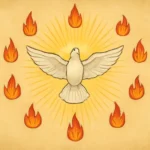
The Gift of Healing is a spiritual gift described in the New Testament, whereby individuals are endowed by the Holy Spirit with the ability to heal physical, emotional, or spiritual ailments. It functions as a sign of God's mercy and sovereignty, often manifesting through faith and prayer. This gift was evident in the ministry of Jesus Christ and the apostles, serving to confirm God's message and bring hope to the suffering. It continues to be present in various expressions within the Christian church today, emphasizing God's ongoing interest in healing and restoration.
The term 'Healing' derives from the Old English 'hælan,' meaning to make whole or sound. The Greek word 'iaromaí' (ἰαμαί) used in the New Testament, translates as 'to heal,' indicating a divine intervention to restore health. The root implies not just curing but also spiritual and holistic wellness, symbolizing completeness. Over time, the concept evolved in Christian theology to encompass both miraculous and general aspects of physical and spiritual restoration through divine power.
Key Bible Verses
James 5:14-15
Believers are encouraged to invoke the elders for prayer and anointing with oil, as a means of divine healing, illustrating the community's role in divine restoration.
This passage highlights the practical application of the Gift of Healing within the Christian community and emphasizes faith and prayer as vital components of divine healing.
1 Corinthians 12:9
Paul lists the gift of healing among spiritual gifts bestowed by the Holy Spirit to serve the church and demonstrate God's power.
This verse underscores the role of the Gift of Healing as a spiritual competency given for ministry and divine purpose within the body of Christ.
Matthew 10:8
Jesus commands His disciples to heal the sick as part of their mission, reflecting that healing is a vital sign of God's kingdom.
This shows the connection between healing and evangelism, illustrating that divine healing validates the message of the gospel.
Theological Significance
Theologically, the Gift of Healing roots back to God's compassion as shown in the Old Testament, exemplified in His healing of the sick and restoring health as a sign of His covenant. In the New Testament, healing becomes a tangible demonstration of Jesus' divine authority and the presence of the Holy Spirit. The gift is fundamental to salvation history, revealing God's ongoing mercy and His work through the church to continue Christ’s healing ministry. It reinforces the biblical view that physical health is intertwined with spiritual well-being, affirming God's desire to restore all aspects of human life. This gift also points to the future hope of complete healing in God's eternal kingdom, emphasizing God's sovereignty over death and disease.
Across Christian Traditions
Catholic tradition acknowledges the Gift of Healing as part of the Charismatic gifts, seen in sacraments like Anointing of the Sick and in miracles performed by saints. Protestant denominations vary, with many recognizing healing as a legitimate spiritual gift available today, especially in Pentecostal and charismatic churches. Orthodox Christianity also affirms divine healing, often integrated into liturgical practice and prayer. Evangelical groups generally emphasize faith and prayer as means to receive healing, believing it to be active today through the Holy Spirit’s power. Overall, interpretations range from viewing healing as miraculous and ongoing to seeing it as symbolic or spiritual rather than always literal.
Application in Christian Life
Christians today are encouraged to pray for healing in faith, trusting in God's power and sovereignty. They are also taught to seek medical treatment alongside prayer, recognizing divine healing as both spiritual and physical. The Gift of Healing inspires believers to show compassion, visit the sick, and pray specifically for those in need, embodying Christ’s love. This concept encourages a proactive faith that combines prayer, community support, and medical care, reflecting trust in God's plan for wellness and wholeness in daily life.
Historically, the early Christian church recorded numerous healings attributed to saints and relics, inspiring pilgrimages and faith movements. The term 'healing' also evolved linguistically from ancient traditions emphasizing rituals and faith healing, blending cultural practices with Christian teachings over centuries.
Frequently Asked Questions
Is the Gift of Healing available today?
Many Christians believe that the Gift of Healing is still active today through the Holy Spirit, as seen in modern miracles and healing ministries (James 5:14-15).
Can anyone receive the Gift of Healing?
The Gift is considered a spiritual endowment granted by the Holy Spirit to believers for service, not something earned or deserved (1 Corinthians 12:7-11).
Does healing always happen when prayed for?
Not necessarily; healing depends on God's will, faith, and purpose, and sometimes God's greater plan includes suffering or other outcomes. The focus remains on trusting God's sovereignty (2 Corinthians 12:7-10).