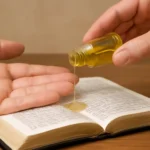
Healing Oil — Biblical Meaning, Significance, and Practice
Healing Oil — Biblical Meaning, Significance, and Practice
Bible Dictionary · prácticas
Healing Oil — Biblical Meaning, Significance, and Practice
prácticas Healing Oil
Healing Oil in the Bible refers to an anointing substance used to invoke divine healing, empowerment, and blessing. It is often associated with rituals performed by prophets, priests, and early Christians to symbolize God's presence and restorative power. The oil signifies sanctification, healing, and the Holy Spirit's anointing, reflecting God's care for physical and spiritual ailments. Throughout Scripture, the use of oil emphasizes God's provision for healing and spiritual renewal in His people.
The term 'Healing Oil' derives from Hebrew and Greek origins. The Hebrew word 'Shemen' (שָׁמֶן) means 'oil' or 'anointing,' indicating a substance used for oiling or consecration. The Greek word 'Elaion' (ἑλαίον) also means 'olive oil,' used in anointing rites. Over time, the concept evolved from literal use of oil for physical healing and consecration to symbolic representation of spiritual healing and the Holy Spirit's empowerment within biblical tradition.
Key Bible Verses
James 5:14
Is anyone among you sick? Let them call the elders of the church to pray over them and anoint them with oil in the name of the Lord.
This verse demonstrates the practice of using oil in prayer for healing, highlighting its role as a sign of faith and divine intervention during sickness.
Isaiah 61:3
To bestow on them a crown of beauty instead of ashes, the oil of joy instead of mourning, and a garment of praise instead of a spirit of despair.
The oil here symbolizes joy and blessing, reflecting spiritual renewal and God's restorative work in the lives of His people.
Mark 6:13
They drove out many demons and anointed many sick people with oil and healed them.
This verse shows the use of oil in healing practices by Jesus' disciples, emphasizing its role in divine healing through faith.
Theological Significance
Theologically, Healing Oil symbolizes God's provisions for physical and spiritual healing throughout Scripture. Its roots in the Old Testament demonstrate God's covenant relationship with His people, often involving anointing as a sign of divine approval and empowerment. In the New Testament, the symbolism deepens with the Holy Spirit’s anointing, signifying spiritual renewal, authority, and salvation. The practice reflects a continuity of God's healing power and underscores the importance of faith and prayer in divine intervention. Ultimately, Healing Oil embodies God's love, mercy, and the promise of restoration for believers.
Across Christian Traditions
Catholic tradition views Healing Oil, especially as anointing of the sick, as a sacrament involving sacred oils blessed by a bishop, emphasizing spiritual healing and preparation for eternal life. Protestant denominations generally see the use of oil as a symbolic act of faith and trust in God's power, often incorporated in prayer and healing ministries. Orthodox Christianity maintains a strong sacramental view, where Holy Oil (Unction) is used in healing rites as a means of grace. Evangelicals tend to interpret the practice more symbolically, focusing on prayer and faith rather than the material act, emphasizing divine healing through prayer and the Holy Spirit's work.
Application in Christian Life
Christians today use Healing Oil as a symbol of faith and trust in God's healing power. It is often used prayerfully during times of illness, stress, or emotional distress, representing an act of divine trust. Many believers choose to anoint themselves or others with oil as a sign of blessing and prayer for recovery and spiritual renewal. The practice encourages a mindset of seeking God's presence and trust in His sovereignty over health and well-being. Additionally, it serves as a reminder of the Holy Spirit’s anointing in the believer’s life for purpose and empowerment.
In ancient Israel, anointing with oil was a sign of divine appointment and authority, used to consecrate kings, priests, and prophets. Interestingly, the GIF (anointing oil) used in biblical times was often infused with aromatic spices, making it not only symbolic but also fragrant, emphasizing the significance of presence and sanctity in the ritual.
Frequently Asked Questions
Is Healing Oil considered a sacrament in Christianity?
In Catholic and Orthodox traditions, yes, it is part of the sacrament of Anointing of the Sick. Other denominations see it more as a symbolic act of faith and prayer.
Can Healing Oil cure physical illnesses?
Healing Oil is primarily symbolic and spiritual, representing faith in God's power to heal. It does not replace medical treatment but can be part of prayer for healing (James 5:14).
What type of oil is used as Healing Oil?
Olive oil is traditionally used in biblical times and remains common today, often consecrated by clergy for sacred use; some also use pure, high-quality olive oil for this purpose.