Bible Generations: Understanding Lineages and Faith in Scripture
In the Bible, generations are more than a simple list of names. They are a framework for identity, a record of covenant promises, and a lens through which readers witness the growth of faith across time. The study of genealogies, lineages, and descendants helps us see how God works through families, tribes, and nations to accomplishHis redemptive purposes. This article explores biblical generations in their original context, their literary and theological purposes, and their relevance for faith today.
The Hebrew Concept of Generations and Its Literary Purpose
In the Hebrew Bible, the word toledot appears frequently in Genesis and serves as a marker that introduces a new section of narrative. Translators render it as “these are the generations of” or “these are the descendants of.” This phrase signals more than genealogical data—it introduces a thematic shift, a new phase in God’s dealings with people, and a continuity of the covenant storyline. When you encounter toledot, you are invited to read not only who begat whom, but also how faith, obedience, and divine promises thread through the family lines.
In English translations the word “generations” sometimes sounds dry, yet in the biblical text it is deeply purposeful. It is a literary device that grounds history in human relationships, showing how the promises given to one generation become the foundation for the next. This perspective reframes genealogies from mere data to a living narrative about trust, faithfulness, and continued revelation.
Why Bible Genealogies Matter: Purpose and Function
Genealogies in Scripture serve several important purposes that are still meaningful for contemporary readers. They are:
Historical anchors: They place significant events within a concrete human timeline, linking patriarchs, prophets, and kings to real people and places.
Covenantal continuity: They trace the transmission of divine promises—from creation and the fall through Adam and Eve, through Noah, Abraham, and David—to the coming Messiah.
Identity and belonging: They establish tribal, family, and national identities, helping communities understand who they are in relation to God’s plan.
Lessons in faith: They reveal how generations respond to God—sometimes with steadfast fidelity, other times with failure—and how God’s mercy works through human weakness.
Inclusion and edge cases: The genealogies often include women, foreigners, and imperfect figures, illustrating that God’s purposes sometimes move through unlikely people.
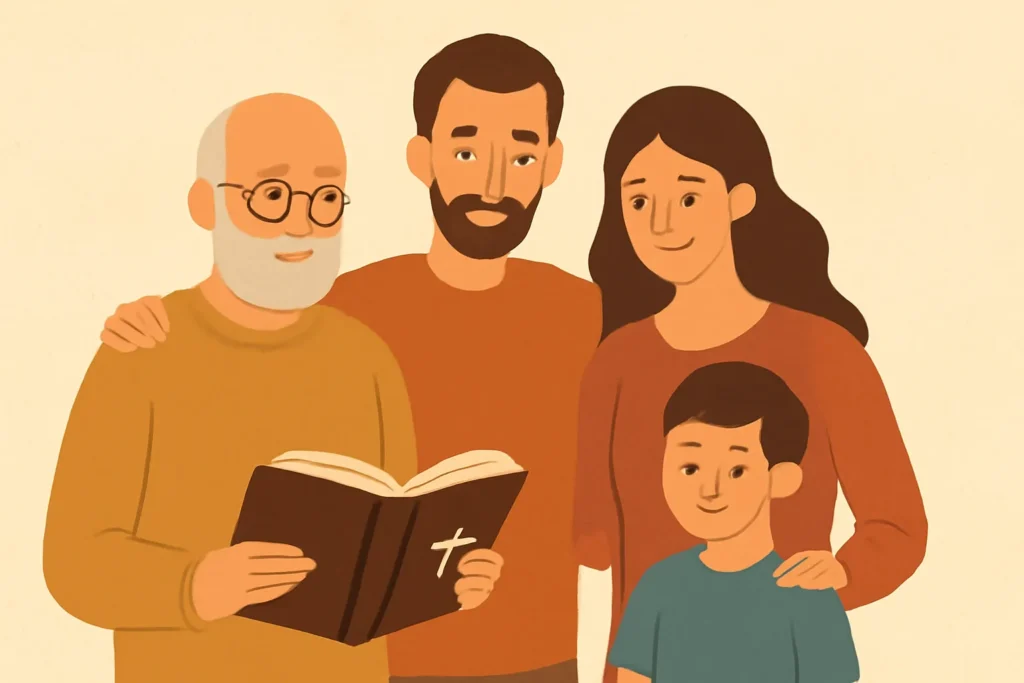
Across both old and new testaments, the concept of generational faith shows that what one generation learns about God is meant to be passed on to the next. This transmission is not merely mnemonic; it is the replication of a way of life centered on trust in God’s character and His promises.
Types of Generations: Lineages, Descendants, and Covenant Lines
There are several overlapping categories that scholars and readers use when studying biblical generations. Here are the main ones you’ll encounter:
Patriarchal lineages: The direct lines from the earliest fathers of humanity—Adam, Noah, Abraham, Isaac, and Jacob—through whom God’s plans unfold.
Tribal and family lineages: The genealogies that tie families to tribes, land, and responsibilities in Israel’s covenant community.
Priestly and royal lines: Lineages that establish legitimate succession for priestly duties and kingship, emphasizing the proper channels through which blessings and authority flow.
Inclusive and faith-based lineages: In many biblical accounts, Gentiles and individuals with imperfect pasts are woven into the line of promise, signaling a broadened scope of God’s plan.
Messianic and universal lines: New Testament genealogies that connect Jesus to the worldwide fulfillment of salvation history, highlighting that blessing extends to all nations.
Patriarchal Generations in Genesis: From Adam to the Exodus
Adam, Seth, and the Early Generations
The opening chapters of Genesis present humanity’s earliest generations and the testing ground of obedience. The story moves through generations who are defined by choices—often characterized by both trust in God and the consequences of sin. These early descendants set the stage for a reckoning with mortality, responsibility, and relationship with the Creator. The concept of ancestry here is inseparably tied to purpose: God’s image-bearers are called to steward creation and to walk with Him, a vocation that becomes fragile when faith falters.
From Abraham onward, the Bible emphasizes a covenant line—a divine promise that shapes the destinies of nations. The generations from Abraham to Isaac to Jacob are not merely genealogical data; they are the genealogical backbone of the biblical narrative that grounds the people of Israel in God’s plans. This family of faith becomes the vessel through which God’s blessing is mediated to the world. The story is as much about character transformation as it is about names on a page.
Joseph and the Fracture-and-Reunion of a Family
Joseph’s narrative demonstrates how descendants become a means by which a larger plan unfolds. Stripped of his brothers’ approval, sold into slavery, he later rises to power in Egypt and preserves his family during famine. This episode highlights themes of forgiveness, reconciliation, and the way God can redeem difficult circumstances to keep a people intact for His purposes. The generations in Genesis thus point forward to the future generations who would eventually become the people of Israel and, in Christian interpretation, part of a larger story of salvation.
Generations in the Monuments of David and the Prophets
As the biblical narrative advances into the narratives of the monarchy and the prophetic books, lineages continue to be a critical tool for organizing history and identity. The Davidic line in particular becomes central to expectations about the coming Messiah. The genealogies in Chronicles and in the Gospels demonstrate how God’s promises to Abraham are fulfilled not by human merit alone but by a divine plan that honors both history and faith.
The New Testament continues the theme of generations by presenting the Messiah’s lineage in two complementary ways. Matthew and Luke offer different angles on Jesus’ ancestry, each with a theological aim.
Matthew’s Royal and Covenant Line
Matthew presents Jesus as the rightful heir to Abraham and David. The genealogy runs from Abraham to Jesus, emphasizing Jesus’ role as the fulfillment of Jewish expectation. It includes several notable forebears who, despite imperfect faith, become part of the Messiah’s story. For example, the inclusion of Tamar, Rahab, Ruth, and Bathsheba (the wife of Uriah) in the lineage foregrounds God’s ability to work through imperfect people to accomplish perfect purposes. This is a powerful statement about grace and inclusion in the plan of salvation.
Luke traces Jesus’ lineage all the way back to Adam, highlighting the universality of Christ’s salvation. This genealogy emphasizes that the Gospel is for all people, not only for a particular nation. Luke’s account, often linked to Mary’s perspective, invites readers to see Jesus as the Son of Adam who brings reconciliation to humankind. The broadens of descendants reflect a vision of faith that crosses ethnic and cultural barriers, underscoring the global scope of God’s redemptive plan.
Reading the Genealogies: How to Engage with Biblical Generations
Genealogies can feel daunting to readers who approach them as mere lists. Here are practical ways to read biblical lineages with understanding and curiosity:
Look for literary markers: Notice phrases like toledot or “these are the generations,” which signal a new section and a shift in focus or purpose.
Recognize selective storytelling: Genealogies are curated, not exhaustive. They highlight particular lines that matter for the narrative’s aims.
Notice notable inclusions: The presence of women, foreigners, or morally complex figures often signals a broader message about faith and grace.
Track covenantal themes: Pay attention to how promises are transmitted across generations and how obedience or disobedience affects the storyline.
Connect to the broader arc: See how the genealogies connect to major events—exodus, exile, and the advent of Jesus as the culmination of centuries of revelation.
When you approach the genealogies with these strategies, you’ll often discover a deeper appreciation for how heritage and covenant identity shape the biblical narrative and illuminate God’s faithfulness across time.
One of the most enduring insights from biblical generations is the way faith is mentored and transmitted within families and communities. Several themes recur across generations that offer practical lessons for readers today:
Memory and testimony: Remembering what God has done becomes a training ground for future courage and obedience.
Discipleship within families: Parents and elders are urged to teach the faith diligently to their children (see Deuteronomy 6:4-9 and the Shema).
Moral complexity: Generational stories include individuals with flaws who nevertheless participate in God’s larger plan, reminding us that grace often works through weakness.
Hope for inclusion: The genealogies show that God’s promises extend beyond a single lineage to encompass diverse peoples and nations.
Prophetic anticipation: The lines point forward to a future fulfillment—the coming Messiah—highlighting the hope embedded in generations.
Impact on Identity: How Biblical Generations Shape Believers Today
For modern readers, the study of generational narratives can deepen personal and communal identity in several ways:
Affirmation of heritage: Understanding how one’s own family or faith community fits into the larger biblical story can strengthen a sense of belonging and purpose.
Lessons in faithfulness: Generations show how steadfast trust in God translates into enduring character, even in the face of trial.
Ethical and moral reflection: By examining the choices of figures in the lineages, readers can discern patterns of obedience, repentance, and mercy worth emulating.
Hope for transformation: The inclusion of imperfect individuals in the line of promise demonstrates that transformation is possible through God’s grace.
Generational Narratives in Practice: When Theology Becomes Family History
In many communities, the concept of generational faith histories translates into practical practices—teaching from elders, storytelling in family settings, and commemorating milestones that mark the continuity of a faith tradition. Here are some concrete ways that the biblical emphasis on lineages and descendants can be lived today:
Family devotional routines: Regular times of reading Scripture and recounting faithful acts across generations reinforce identity and shared purpose.
Corporate memory: Churches can collect and retell stories of faith families who shaped their community, highlighting how individual decisions fit into God’s bigger plan.
Teaching lineage and values: Instructors and leaders can connect biblical generations to modern ethical frameworks, showing how values pass from one generation to the next.
Inclusive storytelling: Emphasize the way diverse figures—women, foreigners, and the morally complex—play roles in God’s redemptive work, reinforcing a mission of inclusion and grace.
Historical Context and the Readability of Generations
Understanding the ancient Near Eastern context helps readers interpret biblical generations with greater accuracy. Land inheritance laws, tribal affiliations, and the role of kingship all influenced how genealogies were constructed and why certain names were included or omitted. For example, property rights and tribal territories often depended on lineage; thus, genealogies served practical administrative functions as well as theological ones. Recognizing these factors can prevent modern readers from misreading genealogies as mere genealogical trivia, and instead appreciate them as layered texts that encode history, law, theology, and worship.
Conclusion: Generations as a Living Link in God’s Story
In the end, bible generations are not isolated chapters but threads woven into a single, unfolding narrative of salvation. They teach us to honor the past, to take up the responsibilities of the present, and to trust in a future fulfillment that God has promised. The lineages and descendants described in Scripture remind readers that faith is not an isolated choice but a collective heritage—passed down through families, communities, and nations under the sovereignty of God. Whether you are tracing the toledot of a long line in Genesis or examining the genealogies that frame the life of Jesus, you participate in a tradition that is as much about character as it is about names. It is a call to remember, to learn, and to live out the faith that has sustained generation after generation since creation.









Leave a Reply