Bible learning books are a broad family of study aids designed to deepen your engagement with Scripture. They come in many forms, including study Bibles, commentaries, dictionaries, lexicons, concordances, handbooks, atlas guides, and devotional guides. Each type serves a distinct purpose: some illuminate literary structure, others explain historical and cultural background, some help with original-language study, and many bridge the gap between scholarly insight and practical daily living. The goal of these resources is not to replace Scripture but to illuminate it—pushing you toward a more informed, thoughtful, and transformative encounter with the biblical text.
Categories of Bible Learning Resources
Study Bibles
Study Bibles are designed for readers who want to read with informed guidance. They place the biblical text at the center while weaving in notes, cross-references, maps, timelines, and charts. Features matter, because they shape how you notice nuances, interpret passages, and connect themes across books.
ESV Study Bible — renowned for precise translation and robust, verse-oriented notes; durability and depth, though it’s substantial in size and weight.
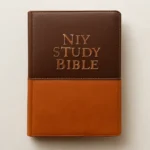
NIV Study Bible — approachable notes and clear explanations that balance readability with scholarly insight.
CSB Study Bible — modern language with reliable scholarship; user-friendly and accessible.
The MacArthur Study Bible — doctrinally oriented notes from a well-known pastor-theologian; strong for doctrinal clarity.
Life Application Study Bible — emphasis on practical application to daily life; particularly helpful for personal growth and small groups.
Commentaries
Commentaries analyze passages with varying levels of depth—from devotional reflections to technical exegesis. They are indispensable for preaching, teaching, and deep personal study. Choosing the right commentary series depends on your goals, background, and the level of detail you desire.
NICOT/NICNT (New International Commentary on the Old and New Testament) — scholarly, verse-by-verse analysis with strong historical context.
Word Biblical Commentary (WBC) — meticulous linguistic and literary analysis; widely respected in academic circles.
The New Bible Commentary — concise, readable summaries that pair well with personal study or class preparation.
The MacArthur New Testament Commentary — practical, pastoral exegesis with attention to application; often accessible to lay readers.
Dictionaries and Encyclopedias
Reference works in this category provide concise definitions, background, and context for people, places, terms, and events. They help you move beyond surface readings to a richer understanding of the biblical world.
The New Bible Dictionary — broad coverage and up-to-date scholarship; useful for quick lookups and deeper dives.
Holman Illustrated Bible Dictionary — visually engaging and accessible; strong for classroom and personal study alike.
The Anchor Bible Dictionary — comprehensive and scholarly; sizes can be large, but deeply informative.
The IVP Bible Dictionary Series — focused entries across topics, helpful for topical studies.
Concordances and Lexicons
Concordances provide index-style access to every word in the biblical text, while lexicons give semantic and lexical information about Hebrew and Greek terms. These tools are particularly valuable for those doing original-language study or for anyone seeking precise word meanings and usage.
Strong’s Exhaustive Concordance — classic and widely used; links English words to Strong’s numbers for further study.
Young’s Analytical Concordance — alternative organization; thorough and detailed.
BDAG (Bauer-Danker-Gingrich-Arndt) — the standard Greek lexicon for New Testament studies; essential for serious Greek study.
HALOT (The Hebrew and Aramaic Lexicon of the Old Testament) — leading Hebrew lexicon for Old Testament exegesis.
Topical and Thematic Guides
Topical and thematic resources help you study Scripture by theme, concept, or issue rather than by book order. They’re especially useful for sermon preparation, small-group curricula, and personal devotions centered on specific topics.
Topical Bible — an age-old tool organizing verses by subject; effective for quick topic exploration.
Treasury of Scripture Knowledge — an extensive cross-reference resource that supports topical and thematic study.
Interlinear Bibles and Word-Study Bibles
Interlinear Bibles present the original Hebrew or Greek text aligned with a direct English translation, word-study editions overlay lexical notes and Strong’s numbers for quick reference. These resources are especially helpful for learners who want to engage closely with the original languages.
The Hebrew-Greek Key Word Study Bible — popular for linking English translations to the underlying Hebrew and Greek roots.
Interlinear Bibles — available in various language pairings; useful for beginners and advanced students alike.
Handbooks and Backgrounds
Backgrounds and handbooks provide concise essays on geography, archaeology, history, culture, and theology. They help you understand the world in which biblical events took place and offer methodological guidance for interpretation.
The IVP Bible Background Commentary — per-book background information that complements textual study.
HarperCollins Bible Dictionary — accessible reference for general readers.
The Oxford Handbook of Biblical Studies — broad, academically rigorous coverage for more in-depth study.
Devotional and Personal Growth Guides
Devotional and growth-oriented guides pair with more technical materials to foster spiritual formation, discipline, and ongoing practice in everyday life.
My Utmost for His Highest — a classic devotional offering spiritual depth and challenge.
Experiencing God (Henry Blackaby) — focuses on discerning God’s activity in daily life and growing in faith through response and obedience.
Bible Atlases and Archaeology Guides
Atlases and archaeology resources bring geography to life and illuminate the material culture behind biblical texts. Maps, routes, and landscapes help you visualize settings, enhancing comprehension and retention.
Holman Bible Atlas — clear maps integrated with text notes; excellent for classroom use and personal study.
IVP Bible Atlas — scholarly maps with historical context; widely used in academic settings.
Discovering the Bible Lands — accessible introduction with engaging visuals.
Digital and Online Bible Learning Tools
Digital resources expand your study through searchability, cross-linking, and access to vast libraries. A thoughtfully chosen digital toolkit can significantly enhance your study habits and outcomes.
Logos Bible Software — extensive library, powerful search capabilities, and analytical tools; ideal for serious students and pastors.
Accordance — fast, highly specialized for original-language work; favored by many scholars and educators.
Blue Letter Bible — free online resource with lexical aids and cross-references; beginner-friendly.
YouVersion and other Bible apps — daily reading plans, convenient access, and community features for broad audiences.
How to Choose the Right Bible Learning Book for You
Choosing the ideal set of bible learning resources begins with honest self-assessment of your goals, experience, and preferred modes of study. Consider these criteria to guide your selection:
Purpose — Are you aiming for devotional growth, rigorous exegesis, or preaching and teaching preparation? Your purpose should drive the core selection of study tools.
Experience level — Beginners benefit from clear, readable study Bibles and concise dictionaries, while advanced students may reach for multi-volume commentaries and lexical resources.
Translation approach — Some prefer literal translations for rigorous study; others favor dynamic equivalence for readability. Your translation choice will influence how you use a given resource.
Scope — Decide whether you want a single-volume resource or a full library of multi-volume works. A measured plan often starts small and expands over time.
Format and budget — Print editions offer tactile familiarity, while digital formats provide searchability and ongoing updates. Consider a mix that suits your schedule and learning style.
Illustrative paths include: a beginner might begin with a study Bible plus a compact dictionary, then gradually add a concordance and a concise commentary; a mid-level student could layer a commentary series with a lexicon and a handbook on background; an advanced learner might combine an interlinear edition with a robust lexicon and a comprehensive commentary library.
How to Use Bible Study Resources Effectively
Owning high-quality bible study resources is only the beginning. The real power comes from deliberate, methodical use. Consider these practical strategies to maximize your learning:
Plan and pace — Set a realistic study schedule and goals for each week or month. Consistency beats intensity in the long run.
Observe before interpreting — Read the passage in context, note literary structure, repeated terms, and cross-references. Let the text speak first, then consult notes to illuminate ambiguities.
Cross-resource comparison — Compare notes from a study Bible with insights from a scholarly commentary. Observing how different sources approach a problem helps you discern nuance and avoid bias.
Language awareness — When you encounter key terms, consult a lexicon or word-study edition to understand their semantic range across verses and books.
Note-taking and synthesis — Maintain a study journal: summarize insights, record questions, and outline applications. Periodically review to identify growing themes and shifts in understanding.
Application as a habit — Translate insights into action: personal life decisions, teaching notes, or conversations with others. Turn study into practice.
Acknowledge limitations — No single resource holds all answers. Recognize the limits of any approach and seek broader perspectives, including different scholarly angles and traditional interpretations.
Even excellent bible study tools can lead you astray if not used carefully. Here are frequent pitfalls and practical remedies:
Ignoring context — Always situate verses within literary context, historical circumstances, and the biblical canon. Use backgrounds and handbooks to anchor interpretation.
Overemphasizing language without basics — It’s valuable to study Greek and Hebrew, but foundational understanding of genres, authors, and cultural settings matters first. Build language knowledge gradually.
Confirmation bias — Seek diverse perspectives. Read commentaries with different theological leanings and compare how they handle tough passages.
Overloading with resources — Start with a core set, then expand thoughtfully. A few well-chosen tools often yield better fruit than a vast, unfocused library.
Undervaluing application — The Bible calls for response. Prioritize concrete applications and how your study informs daily living, service, and faith community engagement.
Neglecting culture and archaeology — Context matters. Use atlas and archaeology guides to see how geography, customs, and material culture influence biblical narratives.
Case Study: A Hands-on Approach to Romans 8
To illustrate how a thoughtful combination of bible learning books can illuminate a passage, consider Romans 8. You might approach it as follows:
Read the passage in a Study Bible to get the immediate text alongside notes that flag key terms and theological themes (e.g., life in the Spirit, adoption, and righteousness).
Consult a commentary that covers Romans 8 from a scholarly perspective and a pastoral one. Compare views on the nature of the Spirit and the role of the law in the believer’s life.
Turn to a lexicon for Greek terms such as “pneuma” (spirit) and “huiothesia” (adoption) to understand their semantic range and how they shape interpretation.
Use a dictionaries/encyclopedias entry to explore historical debates about justification, creation’s groaning, and the future glory described in the chapter.
Check a backgrounds resource to recall first-century Greco-Roman contexts and how early Christians understood life in the Spirit in contrast to living under the Law.
Visualize geography and route connections with an atlas if you’re examining verses tied to specific regions or missionary journeys mentioned around Romans.
Review cross-references in a topical Bible to see how Romans 8 relates to themes like sin, freedom, and hope across the Scriptures.
Conclude with personal application, documenting how the Spirit’s work in Romans 8 informs your daily life, prayer, and community witness.
Practical Roadmap: A 90-Day Plan to Deepen Your Bible Understanding
For readers who want a structured pathway, here is a practical plan that blends different forms of bible learning volumes with consistent practice. Adapt the timeline to your schedule and interests.
Weeks 1–2: Begin with a Study Bible and a concise dictionaries entry. Read through a single book (e.g., Luke or James) with notes open. Create a glossary of key terms you encounter and mark cross-references that catch your attention.
Weeks 3–4: Add a concordance or lexicon for a handful of significant words you noticed. Compare how these terms are translated in different verses and how nuance shifts across contexts.
Weeks 5–6: Introduce a commentary volume covering the same book. Read select passages with commentary notes and note how interpretation shifts when historical and literary context are considered.
Weeks 7–9: Include a dictionaries and encyclopedias entry for cultural/historical topics that arise (e.g., priestly roles, feasts, or Roman governance) and add those insights to your notes.
Weeks 10–12: Add a handbook on Bible background or archaeology, and an atlas to map key places. Integrate maps into your daily study and use them to reimagine scenes from the text.
As you progress, incorporate digital tools (for example bible software libraries and online resources) to deepen your study. A careful combination of print and digital formats can maximize efficiency without sacrificing depth.
Building a Personal Library: Practical Tips
Creating a tailored library of bible study resources involves balancing breadth with depth. Here are practical strategies to assemble a library that grows with you:
Start with a core kit — a solid study Bible, a reputable one-volume commentary or background handbook, and a concise dictionary. This trio covers translation notes, context, and term definitions.
Expand gradually — after you’re comfortable with the basics, add lexicons and topic-focused guides in measured steps. When in doubt, prefer quality over quantity.
Layer formats — combine print resources with digital tools to leverage search features, cross-links, and updates. Use print for daily reading and digital tools for deeper language study and cross-referencing.
Stay organized — maintain a simple inventory of resources and a running list of study questions you want to explore. A well-organized library saves time and encourages consistent study.
Acknowledge bias — many study tools reflect theological perspectives. Build a balanced library that includes materials from multiple viewpoints to understand the range of interpretations on key topics.
Glossary of Key Terms
Here is a brief glossary to help you navigate common terms you will encounter while exploring Bible learning books:
Concordance — an index of occurrences of words in the biblical text, often linked to numbering systems (e.g., Strong’s numbers) for easier reference.
Lexicon — a dictionary of languages used in Scripture (Hebrew for the Old Testament; Greek for the New Testament) that explains meanings and semantic ranges.
Commentary — a book or set of volumes that explains and interprets Scripture passages, frequently with references to original languages and cultural background.
Study Bible — a Bible edition with added notes, cross-references, charts, and maps integrated into the text or in margins.
Dictionaries — reference works defining terms, explaining people and places, and clarifying theological concepts; often interdisciplinary.
Backgrounds — resources that illuminate historical, cultural, social, and religious contexts of biblical times.
Atlas — a collection of maps that illustrate geography, routes, and topography related to biblical events.
Topical Bible — a reference tool organizing Scripture by topics (themes) rather than by book order.
Interlinear — a text layout showing the original language text alongside a direct translation, word-by-word or phrase-by-phrase.
In the journey of bible learning and bible study, the right suite of bible learning books can serve as a trusted guide through intricate topics, historical contexts, and theological nuances. The aim is not merely to accumulate information but to cultivate a disciplined practice of reading, interpreting, and applying Scripture in ways that honor its original intent. A well-planned library—comprising a sturdy study Bible, reliable commentaries, robust dictionaries, precise lexicons, and practical digital tools—can illuminate the text, sharpen discernment, and enrich daily faith. Whether you are a student, a teacher, or a curious reader, you can embark on a path toward deeper understanding by choosing resources that align with your goals, using them consistently, and remaining open to new insights as you explore the Bible in its full breadth and depth.










Leave a Reply