Bible Quotes from Genesis: Inspiring Passages for Faith
Bible Quotes from Genesis: Inspiring Passages for Faith
Bible Quotes from Genesis: Inspiring Passages for Faith
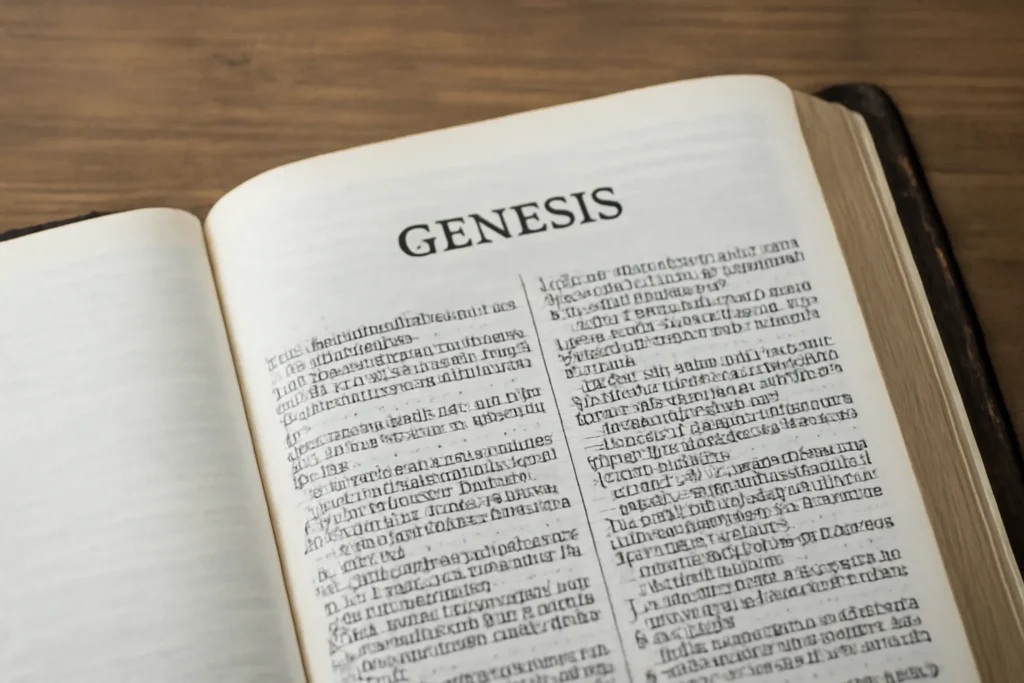
Genesis opens the Bible with a sweeping account of origins, but it also plants seeds of faith, trust, and hope that grow throughout Scripture. The verses below pull from the Genesis narrative to highlight timeless truths that strengthen belief, guide daily living, and remind readers of God’s purposes from creation to the patriarchal family. Each section offers a blend of direct quotes and brief reflections to invite reflection and application in real life.
From the very first lines, Genesis presents God as the authoritative Creator and sustainer of all things. The renderings below emphasize how the cosmos bears witness to God’s design, and how human beings are placed within that design to steward and enjoy it.
“In the beginning God created the heaven and the earth.” (Genesis 1:1, KJV). Begin with this truth: God is the origin of everything, and He spoke the world into existence.
“And God said, Let there be light: and there was light.” (Genesis 1:3, KJV). Words have power in God’s hands; creation responds to divine speech.
“And God saw the light, that it was good.” (Genesis 1:4, KJV). Goodness follows obedience and order; light reveals purpose in the created order.
“So God created man in his own image, in the image of God created he him; male and female created he them.” (Genesis 1:27, KJV). Human beings bear the divine imprint, a notion that grounds identity and dignity.
“And the LORD God formed man of the dust of the ground, and breathed into his nostrils the breath of life; and man became a living soul.” (Genesis 2:7, KJV). The intimate act of divine breath gives life and purpose to every person.
“And God saw every thing that he had made, and behold, it was very good.” (Genesis 1:31, KJV). That verdict invites gratitude and responsible stewardship of creation.
Reflection: The creation narratives invite readers to consider not just how things began, but who began them. The emphasis on God’s words and orderly design invites a posture of wonder, worship, and responsibility. In your day, let the theme of God’s creative authority shape your perspectives on work, family, and community.
Fall, Judgment, and Promise: The Human Story under God’s Discipline and Grace
The Genesis account of the Fall introduces sin and brokenness but also the first glimmers of a rescue plan. The quotes below surface the tension between human failure and divine faithfulness, including the enduring principle that grace often comes when we least deserve it.
“And the LORD God called unto Adam, and said unto him, Where art thou?” (Genesis 3:9, KJV). God seeks out the estranged; the inquiry is relational and redemptive.
“And I will put enmity between thee and the woman, and between thy seed and her seed.” (Genesis 3:15, KJV). This is the protoevangelium, a seed of hope that points toward restoration through God's plan.
“If thou doest well, shalt thou not be accepted? and if thou doest not well, sin lieth at the door.” (Genesis 4:7, KJV). Choices carry consequences; responsibility and repentance are critical.
“And Noah found grace in the eyes of the LORD.” (Genesis 6:8, KJV). Grace remains a central thread woven through a world marred by sin.
“For the imagination of man’s heart is evil from his youth.” (Genesis 8:21, KJV). God’s judgment is real, yet the door to renewal remains open to those who seek Him.
Reflection: In Genesis, the Fall is not the final word. The narrative moves toward a God who remains involved with His creation, calling people to faith and repentance. When you face your own failures, recall that grace appears in unexpected ways—often through patient guidance, corrective discipline, and the hope of restoration.
Noah and the Flood: A Covenant After Judgment
Noah stands as a contrast to the earlier generation’s rebellion: a faithful man who obeys God in a perilous moment and thereby participates in a renewing of creation. The verses below highlight obedience, grace, and the enduring covenant God makes with humanity after judgment.
“But Noah found grace in the eyes of the LORD.” (Genesis 6:8, KJV). Grace is not earned by perfect living but granted in response to faithful obedience.
“And the LORD said, I will destroy man whom I have created from the face of the earth.” (Genesis 6:7, KJV). Judgment follows a pattern of refusing to abandon humanity, while offering a way forward through obedience.
“And God said unto Noah, The end of all flesh is come before me; for the earth is filled with violence through them.” (Genesis 6:13, KJV). The depth of corruption necessitates renewal and a new path forward.
“And I, behold, I establish my covenant with you, and with your seed after you.” (Genesis 9:9, KJV). A lasting pledge that God will preserve life and bless the nations through the family line.
“And I will establish my covenant with you, neither shall the water anymore become a flood to destroy all flesh.” (Genesis 9:11, KJV). The emblem of the rainbow becomes a sign of mercy and commitment.
Reflection: The Noah story reinforces that obedience in a broken world matters. The covenant that follows demonstrates God’s intention to work through history to accomplish redemptive purposes. When you feel overwhelmed by the state of the world, remember Noah’s faithful response and the sign of God’s steadfast covenant.
Abraham: The Call, the Promise, and the Test of Faith
Abraham’s life is a masterclass in trusting God’s promises even when their fulfillment seems distant. The Genesis accounts present a pattern: a divine call, a hopeful promise, and a test that deepens faith. The quotes below illustrate core themes such as blessing, faith, and obedience.
“And I will make of thee a great nation, and I will bless thee, and make thy name great; and thou shalt be a blessing.” (Genesis 12:2, KJV). God’s plan centers on a people through whom blessing would extend to all families of the earth.
“And I will bless them that bless thee, and curse him that curseth thee: and in thee shall all families of the earth be blessed.” (Genesis 12:3, KJV). The promise widens the scope of a single family into a global blessing.
“And he believed in the LORD; and he counted it to him for righteousness.” (Genesis 15:6, KJV). The phrase anchors the biblical concept of faith as a relational trust that God credits as righteousness.
“And I will establish my covenant between me and thee, and thy seed after thee in their generations.” (Genesis 17:7, KJV). The covenant formalizes God’s ongoing relationship with Abraham’s descendants.
“In thy seed shall all the nations of the earth be blessed.” (Genesis 22:18, KJV). This anticipates the global reach of God’s redemptive plan through a descendant.
Reflection: Abraham’s journey invites readers to respond to God with trust even when the path isn’t fully visible. Each milestone—calling, promise, testing—offers a pattern for faithful living: heed God’s voice, rest in His promises, and persevere in obedience, knowing that the purpose of blessing extends to all nations.
Subsection: Practical Devotions from Abraham’s Story
Reflect on your own calling: What might God be inviting you to leave behind in order to step forward in faith?
Journal about a time when trusting God’s promise brought unexpected peace in uncertainty.
Ask God to help you see how your life might become a conduit of blessing to others, just as Abraham’s was designed to bless all nations.
Jacob: Ladders, Blessings, and the Naming of a Nation
Jacob’s narrative is rich with moments where God meets a flawed yet chosen person, transforms a life, and reshapes destiny. The verses here highlight divine encounter, personal transformation, and the emergence of a people through which God’s purposes unfold.
“And he said, Surely the LORD is in this place; and I knew it not.” (Genesis 28:16, KJV). A recognition of divine presence in ordinary places.
“This is none other but the house of God, and this is the gate of heaven.” (Genesis 28:17, KJV). The encounter marks a turning point; a place becomes a monument of faith.
“And he called the name of that place Bethel.” (Genesis 28:19, KJV). Names carry meaning; Bethel becomes a symbol of covenant experience.
“Thy name shall be called no more Jacob, but Israel.” (Genesis 32:28, KJV). The transformation from deceiver to a nation’s forefather is foundational for the future of Israel.
“All these are the generations of Jacob.” (Genesis 37:2, KJV). Generations and lineage anchor the continued unfolding of God’s plan.
Reflection: Jacob’s life shows that God is not hindered by human imperfection. In places of struggle, God can reveal a new identity and purpose. If you are wrestling with identity or calling, recall that God can reframe your story toward a larger, redemptive trajectory.
Joseph: Providence in Trials and the Gift of Reconciliation
Joseph’s story is a compelling study of God’s providence at work through suffering, delay, and eventual restoration. The quotes below illuminate how God can work through human plans for a higher good and how trust persists in hardship.
“And the LORD was with Joseph, and he was a prosperous man.” (Genesis 39:2, KJV). Divine presence often accompanies difficult circumstances, turning trials into opportunities to grow in steadfastness.
“And Joseph blessed Pharaoh, and said, God sent me before you to preserve life.” (Genesis 45:5, KJV). Even in misfortune, God’s plan advances mercy and provision.
“But as for you, ye thought evil against me; but God meant it unto good.” (Genesis 50:20, KJV). A powerful reminder that God can redeem human malice into a larger intention of mercy and salvation.
“And Joseph said unto his brethren, Fear not: for am I in the place of God?” (Genesis 50:19, KJV). Grace and forgiveness become a test of character and a witness to others.
“So Joseph settled his father and his brothers, and gave them a possession in the land of Egypt.” (Genesis 47:11, KJV). Provision and reconciliation form a bridge from hardship to hope.
Reflection: Joseph’s arc—from betrayed brother to trusted administrator—shows how God’s sovereignty can establish peace and provision amid tumult. In moments of doubt, consider how God may be arranging circumstances for a larger good, and let grace guide your responses to others who wrong you.
Foundational Themes for Faith: Trust, Obedience, and Blessing
Beyond the dramatic narratives, Genesis repeatedly teaches essential principles that help believers cultivate a robust and resilient faith. The following quotes capture recurring motifs that can shape daily devotion and decision-making.
“And he believed in the LORD; and he counted it to him for righteousness.” (Genesis 15:6, KJV). This concise statement encapsulates the core link between faith and acceptance by God.
“For in it the righteousness of God is revealed from faith to faith.” (Alternative thematic phrasing inspired by Genesis’ emphasis on trust; note: not a direct Genesis verse but consistent with the Genesis narrative’s trajectory toward faith and blessing). Use this line as a devotional prompt to reflect on living by faith daily.
“In thy seed shall all the nations of the earth be blessed.” (Genesis 22:18, KJV). The promise extends beyond a single family; it points to a universal blessing through a future descendant.
“God called unto him out of heaven, and said, Abraham, Abraham.” (Genesis 22:11-12, KJV). God’s communication to faithful leaders often comes with a test—growth follows obedience.
Reflection: The faith journey in Genesis is not a single moment but a pattern of hearing, believing, and acting in trust. By meditating on these verses, you can cultivate a posture of dependence on God, even when outcomes are unclear.
Applying Genesis to Modern Faith: Ways to Meditate on these Passages
Genesis provides a trove of verses that offer practical guidance for contemporary life. The following practices help you translate the ancient words into present-day devotion.
Daily meditations: Read a Genesis verse, write a one-sentence reflection, and note a concrete action you will take in response to God’s word.
Prayer prompts: Use phrases like “Let there be light” or “Be with me as You were with Joseph” to center your conversations with God around creation, guidance, and providence.
Family devotions: Share a Genesis quote with family members, discuss its meaning, and identify a way to live the message together during the week.
Character formation: Let the stories of Abraham, Jacob, and Joseph challenge you to pursue integrity, forgiveness, and perseverance in the face of trials.
Reflection: The Bible’s opening book invites ongoing conversation between the human heart and divine purpose. A life rooted in Genesis can grow in hope, joy, and a steadfast resolve to live out God’s design for your relationships, work, and community.
Closing Thoughts: Genesis as a School of Faith
From the ordered days of creation to the intimate encounters with God in dreams, altars, and wilderness, Genesis teaches that faith is not a vague feeling but a relationship with a living God who acts in history. The quotes above are not isolated incitements to memorize; they are seeds for a life that trusts God’s character, obeys His directions, and expects His promises to unfold in time. Whether you are facing uncertainty, expecting a blessing, or seeking courage to act justly, the Genesis narratives offer anchor points for your spiritual journey.
As you revisit these passages, consider how they intersect with your current circumstances. Ask questions like: In what ways is God inviting me to trust Him today? How can I reflect Abraham’s courage, Noah’s obedience, or Joseph’s hopeful reconciliation in my own life? In every response, let the eternal perspective of God’s covenant and blessing shape your steps forward.








Leave a Reply