Bible Soap: How to Make and Use Bible-Inspired Soap at Home
Soapmaking has long been a practical craft, but when you combine it with a devotional focus, you can create bible soap that nourishes both body and spirit. Whether you call it biblical soap, scripture soap, or simply Bible-inspired soap, this guide will walk you through the ideas, techniques, and devotional uses that make this craft meaningful. You’ll learn how to make soapy bars that carry themes from the Christian faith, and you’ll discover ways to use them as gifts, devotionals, or small acts of service. The goal is not only clean hands but a mindful practice that invites reflection on the sacred texts as you prepare and use your soap.
What is Bible Soap and Why It Matters
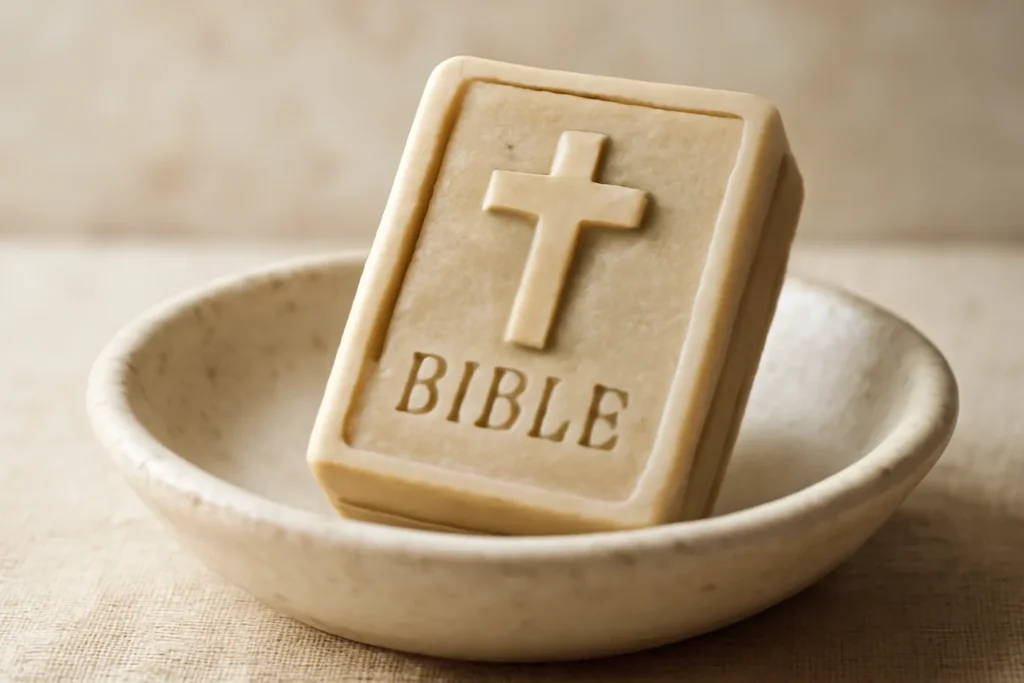
Bible soap is soap that draws inspiration from biblical themes, verses, and scents associated with biblical times. It often blends natural oils, butters, and botanicals with carefully chosen fragrances or essential oils to evoke the ancient world or the grace described in Scripture. Some people create scripture soap with verses imprinted or labeled, while others focus on colors and textures that symbolize biblical narratives, such as the colors of the robes in the temple or the cedar and myrrh of biblical markets.
The idea behind Bible-inspired soap goes beyond fragrance. It is a craft that can serve as a daily reminder of faith, gratitude, and stewardship of creation. The process of gathering ingredients, measuring lye safely, and watching a simple mixture transform into a solid bar can become a small devotional practice. Many crafters enjoy pairing their soap with devotional journals, Bible study plans, or church outreach projects. By infusing intent into the making and use of the soap, you create an object that is both practical and meaningful.
Before you begin, it helps to keep a few core concepts in mind. The two most common pathways for making bible soap are melt-and-pour and cold process. Each method offers different benefits in terms of safety, time, and customization. Regardless of the method, you can tailor the fragrance, color, and texture to align with biblical themes and your personal devotionals.
Theme and intent: Decide whether your soap will recount a biblical story, celebrate a virtue, or simply evoke a sacred atmosphere.
Natural ingredients: Favor olive oil, coconut oil, shea butter, cocoa butter, and essential oils that have biblical associations or widely accepted safety profiles.
Fragrance choices: Consider frankincense, myrrh, spikenard, cedarwood, lavender, rose, or citrus notes to reflect biblical contexts.
Color symbolism: Use color to tell a story—white for purity, blue for the heavens, purple for royalty, green for growth or new life.
Safety and labeling: Especially with cold process soaps, maintain proper handling of lye, include allergen information, and label essential oil concentrations.
There are two main routes to making bible soap at home. Each has its place depending on your goals, time, and skill level.
Melt-and-Pour: A Friendly Gateway to Scripture Soap
The melt-and-pour method is ideal for beginners, and it lends itself well to creating Bible-inspired soap quickly without handling lye directly. It uses pre-made soap bases that you melt, customize with color, scent, and inclusions, and then pour into molds to set. You can incorporate biblical themes through decorative elements, labels, and packaging.
Choose a base: Start with a high-quality melt-and-pour base (transparent or white) that suits your skin type (glycerin-based bases are common and beginner-friendly).
Prepare your workspace: Set up a clean, well-ventilated area with a heat-safe bowl, measuring spoons, molds, and safety gear if needed.
Melt the base: Cut the base into small chunks and melt gently using a double boiler or a microwave in short bursts, stirring between bursts.
Incorporate oils and color: Add essential oils or fragrances associated with biblical themes, and stir in colorants or natural botanicals that symbolize your chosen motif.
Pour and set: Pour into molds. Before the base fully hardens, you can press in decorative elements like dried flowers or a soap-safe stamp with a verse. Allow to cool completely, then unmold and cure according to the base’s instructions (usually a short period).
Label and present: Label the bars with the chosen theme or verse, and consider including a card that explains the Bible-inspired concept behind the design.
Pros of melt-and-pour for scripture soap projects: speed, safety, and flexibility. It’s perfect for teachable demos, gift sets, or seasonal devotional gifts.
Cold Process: Traditional Soapmaking with a Faithful Twist
The cold process method is the traditional way to make bible soap from scratch. It requires handling lye (sodium hydroxide) and fresh oils, which then saponify into soap. This method gives you the longest-lasting bars and the most control over ingredients and textures, but it requires careful safety practices and patience while the soap cures for several weeks.
Safety first: Wear goggles, gloves, and protective clothing. Work in a well-ventilated area and keep children and pets away from the process.
Measure precisely: Accurately measure lye and water, as well as oil fats. Use a digital scale for precision.
Prepare the lye solution: Slowly add the lye to water (never the reverse) and stir until dissolved. Allow the solution to cool to a safe temperature.
Prepare the oils: Heat or mix your chosen oils and fats until they reach the recommended temperature range for saponification.
Combine and blend: Slowly mix the lye solution with the oils, then stir or blend until you reach trace. This is when the batter leaves a visible trail on the surface.
Add fragrance, color, and botanicals: Introduce fragrances or essential oils, colorants, and any biblical-themed inclusions you desire, such as dried herbs or spices tied to your chosen verse or story.
Pour into molds and cure: Pour the soap batter into mold(s). Cover and insulate for a day or two, then unmold and cure the bars in a ventilated area for 4–6 weeks, turning occasionally to prevent sweating and to ensure an even cure.
The cold process method can yield more durable bars and allows for a wider range of textures. If you’re aiming for Bible-themed soaps that last and hold a specific scent profile, this is a robust option. If you’re new to soapmaking, consider starting with melt-and-pour and then advancing to cold process as you gain confidence.
Whether you pursue melted or cold-processed form, you’ll want some reliable equipment and a thoughtful set of ingredients. Here’s a practical starter list organized for clarity and faith-centered intention.
Digital scale for precise measurements
Thermometer to monitor temperatures for both melts and lye solutions
Heat-safe containers for melting bases or oils
Soap molds in your preferred shapes
Spatulas and spoons for mixing
Safety gear such as goggles and gloves (especially for the cold process)
Soap stamps or labels for verse imprints or branding
Fragrance and essential oils with appropriate skin-safe concentrations
Colorants that are skin-safe and compatible with soap bases
Botanicals and exfoliants like oats or poppy seeds (optional)
Liquid base or base oils for melt-and-pour, or lye and water for cold process
Fragrances or essential oils aligned with biblical symbolism (for example, frankincense and myrrh, cedarwood, lavender, rose)
Colorants: micas, clays, or natural clays and botanicals that pair well with your theme
Inclusions: dried herbs, edible flowers, or exfoliants that are skin-safe and non-irritating
One of the joys of bible soap is the ability to tell a story through design. You can connect your bar to a specific verse, a biblical character, or a season in the Christian calendar (Advent, Lent, Epiphany, etc.). Here are ideas to help you plan and execute:
Color symbolism: Use blue to signify heaven or water, white for purity or cleansing, purple for royalty and kingship, green for new life or resurrection, and gold or amber tones to evoke the richness of biblical times.
Fragrance narratives: Choose essential oils to reflect biblical imagery—cedarwood and sandalwood for temple settings; frankincense and myrrh for Epiphany; rose or lavender for peace and devotion; citrus notes for joy and blessing.
Texture and layers: Build layered bars that reveal a story when sliced—stripes or swirls representing the split sea, the manna in the desert, or the water turning into wine.
Verse-focused elements: Consider stamping or labeling with short, readable scriptures. You can also include a small card with a verse that corresponds to the design.
One of the most meaningful aspects of scripture soap is the way you connect a verse with a physical object. There are several respectful and practical approaches to incorporating biblical passages into your soap project:
Verse imprints: Use a soap stamp or mold with a short verse or word, such as Grace, Peace, or a verse snippet that fits the bar’s theme.
Taglines and cards: Include a small card with a verse that complements the soap’s design. This is ideal for gifts and church outreach.
Verse-inspired naming: Give each soap a name inspired by scripture—“Water to Wine,” “Channels of Blessing,” “Cedar of Lebanon”—to guide user reflection.
Devotional pairing: Pair a bar with a brief devotional prompt or reflection that relates to the verse or theme.
When choosing verses, be mindful of the audience and the setting. For personal use, you may include longer devotional prompts; for gifts or public distribution, concise and readable text works best to respect sensitivities and keep bar sizes practical.
Safety is essential in any soapmaking endeavor, but especially if you are sharing bible soap with others. Here are best practices to help you stay safe and produce quality bars:
Lye safety (for cold process): Work with lye in a well-ventilated area, wear protective gear, and never add water to lye in a reactive manner. Store lye away from children and pets.
Allergies and sensitivities: Be transparent about ingredients, especially essential oils and fragrances. Provide a list of common allergens and consider offering fragrance-free alternatives.
Skin compatibility: Test new ingredients on a small patch of skin if you have sensitive skin, and avoid potent essential oil concentrations in bars intended for sensitive audiences.
Labeling: For gifts or sales, include a simple ingredient list and the net weight. If you include gospel-themed verses or imagery, ensure it aligns with packaging and copyright considerations if you’re distributing through a formal channel.
Storage: Keep finished bars out of direct sunlight and in a dry, cool place to maintain color, scent, and texture.
Bible soap makes a thoughtful gift for various contexts. Here are some practical uses that can extend your ministry or outreach:
Pastoral gifts: A beautifully crafted bar along with a verse card can be given as a welcome or blessing to new members or visitors.
Sunday school and youth groups: Create theme-based soap projects tied to Bible stories or virtues. These are excellent as hands-on learning tools or as take-home lessons.
Church bazaars and fundraisers: Offer gift-ready bundles with a few bars, each representing a different biblical theme, for sale as a fundraiser.
Care packages: Include a bar in care packages for congregants who may appreciate a practical, faith-filled gift during difficult seasons.
Soapmaking can be unpredictable at times. Here are common challenges you may encounter and how to address them, especially when your aim is to create bible soap that looks and smells right:
Discoloration: Some fragrance oils or essential oils can cause discoloration in melt-and-pour bases. If you want consistent color, test a small amount first and choose colorants that are stable in your base.
Rash or irritation: If your soap irritates skin, reassess fragrance levels, switch to milder essential oils, or switch to a fragrance-free base for sensitive users.
Sour or soft bars (hasty curing): Ensure proper curing times and environment. For cold process, the cure room should be ventilated and undisturbed; for melt-and-pour, wait until the bar is fully set and labeled correctly.
Texture issues: If bars are crumbly, consider adjusting the oil-to-butter ratio or adding a stabilizer like a small amount of stearic acid or a pinch of clay to improve hardness and lather.
Fragrance fading: Pour fragrance at a stage where the base temperature is appropriate to preserve scent; over-heating can drive off volatile notes.
If you’re brand-new to bible soap, starting with a simple melt-and-pour recipe is an excellent way to learn and enjoy quick results. Here is a beginner-friendly template you can adapt to your devotional theme.
Base: 1 lb (450 g) melt-and-pour glycerin base (your choice: clear or opaque)
Color: Soap-safe colorant (optional; choose a color that matches your theme)
Fragrance: 0.5–1% total weight in essential oil or fragrance oil (adjust for sensitivity)
Theme element: A small label or verse card to accompany the bar; optional decorative botanicals
Steps:
Cut base into small chunks and melt in a double boiler or microwave in short bursts.
Stir in color and fragrance, then pour into molds.
Optional: press a stamp or embed a decorative element before the base fully sets.
Let cool completely, unmold, and wrap or label for gifting.
For those who want a slightly more advanced project, you can experiment with a small cold-process batch using a tried-and-true recipe you trust. If you do this, follow standard safety practices for lye-based soapmaking and ensure you cure the bars properly before use or distribution.
This section offers a compact outline for a cold process project. If you decide to proceed, consider taking a dedicated course or reading a detailed guide first, as proper handling of lye is essential for safety and quality.
Fats and oils (approx. 500 g total): olive oil, coconut oil, and a butter like shea or cocoa to create a creamy lather and solid bar.
Lye solution: Prepare lye solution with water in the recommended ratio for your fats, using protective gear.
Temperature: Maintain a steady mix temperature (around 95–110°F / 35–43°C) for combining lye and oils.
Trace and scent: Mix until light trace, then add fragrance and any Biblical-themed colorants or botanicals.
Mold and cure: Pour into molds, insulate, and let the bars harden for a day or two, then cure in a well-ventilated space for 4–6 weeks.
To keep your bars looking and smelling their best, practice proper storage and handling. This helps ensure that the bible soap you make remains a blessing for longer years and uses:
Store in a dry, cool place away from direct sunlight to preserve color, fragrance, and hardness.
Keep bars wrapped or in a breathable packaging if giving as gifts, to preserve scent and protect verses or stamps.
Avoid moisture in the storage area to prevent sweating or softening of bars.
Label carefully with ingredients and any potential allergens so users can make informed choices.
To expand your Scripture soap offerings, consider developing a few thematic lines that reflect different biblical moments or virtues. Here are some ideas you can mix and match:
Creation Collection: Greens and earth tones with soft florals, emphasizing themes of life and abundance.
Exodus and Journey: Ocean blues, desert tans, and light citrus notes to evoke journey and provision.
Wisdom and Teaching: Subtle herbal scents (sage, rosemary) with clean whites to symbolize purity and learning.
Peace and Comfort: Calming lavender or chamomile, with gentle swirls representing still waters.
Incarnate and Emmanuel: Soft rose or amber tones with a creamy texture to feel comforting and warm.
Seasonal or Liturgical Sets: Advent or Lent-themed bars with appropriate colors and smaller verse cards for reflection during those seasons.
Many soap crafters integrate ethical and sustainable practices into their Bible-inspired projects. Here are some considerations to keep in mind as you plan and create:
Sustainable sourcing: Choose oils and butters from suppliers committed to sustainable practices and fair trade where possible.
Natural colorants: Rely on clays, spirulina, beetroot powder, and other natural, skin-safe colorants to minimize synthetic additives.
Minimal packaging: Use recyclable or compostable packaging and consider bulk gifting options to reduce waste.
Educational components: Provide information about the biblical themes alongside the product to deepen the devotional aspect without overwhelming the consumer.
Working with bible soap can be a community activity as well as a personal devotional practice. Here are ways to broaden your reach and deepen your engagement:
Workshops: Host hands-on classes at your church or community center, focusing on different biblical themes each session.
DIY kits: Create take-home kits that include a small amount of base, colorants, fragrance, and a card with a Bible verse for personal reflection.
Volunteer projects: donate bars to homeless ministries, women’s shelters, or faith-based outreach programs as part of a service project.
Blog and social media: Share recipes, devotional prompts, and verse cards to inspire others to start a Bible-inspired soap journey.
For many makers, bible soap is more than a craft—it is a form of prayer or meditation. The act of choosing ingredients with thoughtful intention, reciting a verse while pouring, or reflecting on the character of God as you measure and mix can turn a routine hygiene task into a quiet devotional minute. The sensory elements—sight, smell, and touch—can anchor your thoughts in scripture, helping you to slow down and remember your spiritual commitments. If you use the product personally, consider pairing it with a daily scripture reading plan or a short journaling exercise that relates to the theme of the soap you’ve crafted.
Creating Bible soap is a blend of practical skill, meaningful symbolism, and a desire to bless others. It takes ordinary ingredients and ordinary hands and turns them into something that can remind you of faith, reflect biblical stories, and be shared as a tangible gift of love. Whether you pursue melt-and-pour projects for their speed and safety or embark on cold-processed ventures to honor traditional soapmaking, you have the opportunity to infuse your craft with intention and grace. The variations of this craft—ranging from scripture soap bars with verse stamps to color-swirl designs that tell a story—allow you to express your faith in a way that is both personal and universal. May your kitchen, studio, or workshop become a place where daily routines are sanctified, and where the simple act of washing hands becomes a moment to remember and reflect on the beauty of Scripture.








Leave a Reply