Bible Story Book: The Ultimate Guide to Bible Stories for All Ages
Bible Story Book: The Ultimate Guide to Bible Stories for All Ages
Welcome to a comprehensive guide on bible story books—resources that translate sacred narratives into accessible, engaging formats for readers of every age. Whether you are a parent seeking wholesome bedtime fare, a teacher shaping classroom discussion, or a curious reader exploring the arc of biblical literature, a bible story book can illuminate core themes, strengthen faith, and foster a lifelong love of stories. This article serves as an ultimate guide to understanding, selecting, using, and getting the most out of various forms of biblical storytelling. We will explore different types of story Bibles, practical strategies for reading with children and adults, and a wealth of ideas for deeper study and discussion. Throughout, you will encounter the idea of a story Bible as more than a retelling: it is a gateway to understanding character, history, theology, and everyday application.
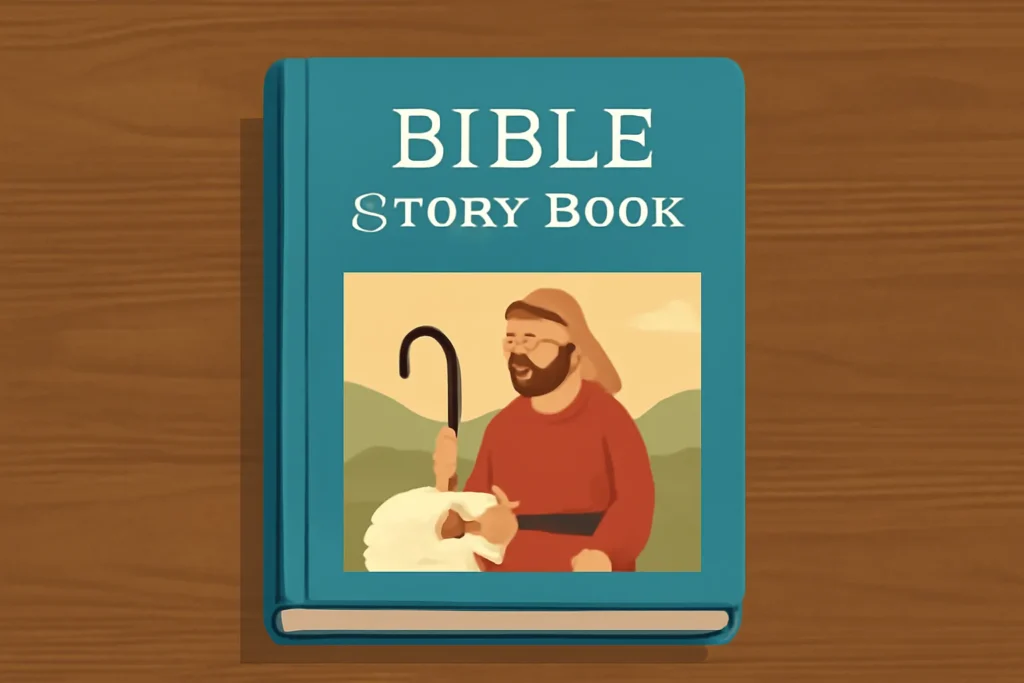
A bible story book is a collection that retells passages from the Bible in narrative form, often organized around themes, characters, or chronological progressions. Unlike a traditional survey Bible that presents the full text, a story Bible emphasizes storytelling craft: pacing, dialogue, imagery, and arcs that help readers grasp complex ideas without being overwhelmed by scripture’s original formatting. Depending on the title, a biblical story collection may include additional features such as maps, character lists, discussion questions, devotionals, or activity prompts. The central aim is not to replace the Bible but to invite readers into its world in a way that is memorable, accurate, and theologically sound for their developmental stage.
Why Read Bible Story Books?
Reading a Bible story book offers several distinctive benefits for readers across ages:
Accessibility: Complex narratives are presented in approachable language and structure.
Engagement: Narrative drive helps young readers stay focused and builds anticipation for the next story.
Thematic connections: Story Bibles often highlight overarching themes—covenant, mercy, justice, faith—making it easier to see how disparate stories fit together.
Family and classroom utility: These books provide ready-made material for group discussions, family worship, or classroom storytelling.
Character development: Readers encounter models of leadership, courage, doubt, perseverance, and obedience, along with imperfect humanity.
Theological framing: Many volumes offer concise explanations of doctrinal ideas in language suitable for the intended audience.
In short, a well-chosen bible story book serves as both a companion for ongoing Bible literacy and a springboard for personal growth and communal conversation. The phrase bible story book covers a spectrum of formats—from light, picture-rich retellings to more substantial narrative collections that invite reflection and discussion.
Types of Bible Story Books
The market offers a spectrum of story Bible formats. Understanding the differences helps you pick the right one for the setting, the age, and the goals you have in mind. Here are common categories:
Picture-forward retellings that pair short narratives with vivid illustrations.
Stories told in simple language, often featuring memorable phrases and repetitive structures to aid recall.
Frequent focus on key characters and high-contrast imagery to capture attention.
Classic Narrative Collections
Retellings that move in a roughly chronological order, weaving in biblical background and setting alongside the story.
Often include brief summaries at chapter breaks and suggest discussion prompts for family or classroom use.
Devotional and Theological Story Bibles
Each story is paired with a short devotional or commentary that explains the theological point in accessible terms.
Designed to connect scripture with daily living, ethics, and faith challenges.
Study-Oriented and Thematic Collections
Organized around themes such as Creation, Covenant, Redemption, or Wisdom.
May include study questions, activities, and cross-references to encourage deeper inquiry.
Activity-Driven and Multisensory Bibles
Voluminous extras such as hands-on activities, crafts, games, and audio/video components.
Designed to engage different learning styles—visual, auditory, and kinesthetic.
How to Choose a Bible Story Book
Choosing the right bible story book hinges on several practical considerations. The goal is to find a resource that aligns with the reader’s age, beliefs, and learning preferences while remaining faithful to core biblical content. Here are key criteria to consider:
Age and Reading Level
Age-appropriate language: Younger readers benefit from simple sentences, repetition, and clear imagery. Older children might enjoy more nuanced storytelling and richer vocabulary.
Length and pacing: Short, self-contained stories are ideal for preschoolers, while longer narratives suit elementary-age readers or family read-aloud sessions.
Theological Alignment
Ensure the book reflects a theological perspective compatible with your faith community or personal beliefs. Some stories emphasize covenantal promises, others highlight moral instruction, while some foreground the life of Jesus and the resurrection.
Look for accuracy in retellings, particularly when narratives are condensed or reworked. A reliable Bible story book preserves key details, characters, and timelines while simplifying language for readability.
Storytelling Approach and Structure
Chronological retellings can help readers grasp the flow of biblical history, while thematic collections emphasize recurring motifs across books.
Consider whether you prefer a continuous narrative, a cycle of standalone stories, or a hybrid that switches between stories and devotions.
Illustrations and Design
Artwork quality matters, especially for younger audiences. Colorful, expressive illustrations can aid comprehension and memory.
Layout and typography influence readability. Large fonts, generous white space, and clear headings are helpful features.
Extras such as discussion questions, prayer prompts, or activity ideas add value for family and classroom settings.
Consider digital accessibility options: audio narration, adjustable text size, and screen-reader compatibility can broaden use for readers with visual or cognitive differences.
Reading Strategies by Age
Different ages require different approaches to maximize engagement and learning from a bible story book. Here are practical strategies for several reader groups:
Toddlers and Preschoolers
Read aloud with expressive voice and pacing. Use repetitive phrases to reinforce memory.
Point to pictures and ask simple, concrete questions like “Who is this person?” or “What happened next?”
Pair stories with related songs, finger plays, or motions to reinforce comprehension and retention.
Early Readers (Kindergarten–Grade 2)
Encourage independent and collaborative reading in short sessions. Break stories into two or three minutes of focused reading with a quick recap.
Ask basic comprehension questions and invite students to predict outcomes or relate characters’ choices to their own experiences.
Use story Bibles with larger pictures and clear captions to support decoding and meaning-making.
Middle Childhood (Grades 3–5)
Introduce character maps and timelines to strengthen understanding of sequence and relationships among events.
Integrate discussion prompts that explore motives, courage, temptation, and consequences in a relatable way.
Encourage note-taking or personal reflections in a bound notebook or a provided journal section within the book.
Older Children and Tweens (Grades 6–8)
Discuss themes such as justice, mercy, identity, and faith under pressure. Compare how different stories approach similar issues.
Use the devotional or study elements to cultivate personal application and accountability in daily life.
Offer opportunities for creative response: drawing, journaling, or short writing prompts linked to the narratives.
Teens and Adults
Engage in reflective reading and theological inquiry. Examine how retellings influence understanding of scripture and tradition.
In group settings, pair narrative reading with guided discussion on ethics, leadership, and resilience as demonstrated in the stories.
Leverage parallel readings or cross-references within the story Bible to enrich interpretation and dialogue.
Using Bible Story Books in Different Settings
A bible story book can be a versatile tool in family life, classrooms, church programs, and community outreach. Here are practical applications for various environments:
Establish a regular rhythm, such as a weekly family storytelling night or daily two-minute devotionals that center on a single story.
Use a story Bible to anchor discussions about values, compassion, generosity, and honoring commitments.
Invite family members to retell the story in their own words or act out scenes to reinforce comprehension.
Preschool and Elementary Classrooms
Integrate story Bibles into a balanced literacy program that includes listening, speaking, reading, and writing activities.
Use the thematic or devotional editions to frame a unit on a given topic (e.g., Creation, Faith, Courage).
Incorporate art projects, role-play, and collaborative storytelling to deepen understanding.
Homeschooling and Independent Study
Pair a story Bible with age-appropriate comprehension questions, vocabulary builders, and cross-curricular connections (history, geography, art).
Encourage independent reading with reflective journals and periodic book reviews or mini-presentations.
Church Libraries and Community Programs
Offer a curated collection of bible story books that span ages and denominations, with clear categorization by age and theme.
Utilize story Bibles as a bridge between worship services, Sunday school lessons, and family ministries.
Activity Ideas and Discussion Prompts
Beyond simply reading, you can unlock deeper engagement with a range of activities and prompts designed to accompany a bible story book:
Discussion questions after a story: What did you notice about the main character’s choices? What would you do in that situation?
Character studies: Create short profiles for key figures, noting strengths, flaws, and growth arcs.
Creative responses: Draw a scene, write a letter from a character’s perspective, or compose a modern-day parable inspired by the narrative.
Memory work: Memorize a key verse or two connected to the story and discuss its relevance.
Map and timeline activities: Plot journeys, exoduses, or miracles on a simple map; insert dates or approximate eras to build historical context.
Arts and crafts: Build props for a story’s setting, such as a boat representation for a sea voyage or a simple ark Diorama.
Service projects: Connect a virtue learned in a story to a practical act of service in the community.
Thematic Guides: Core Topics in Bible Story Books
Many readers appreciate a thematic approach that connects disparate stories through shared motifs. Here are core themes commonly explored through narrative retellings:
Creation and Stewardship: Beginning chapters, nature imagery, and humankind’s responsibility to care for the earth.
Covenant and Promise: How God’s commitments unfold across generations, inviting response and obedience.
Faith, Doubt, and Courage: Realistic portrayals of imperfect people who grow in trust or resist prevailing fears.
Leadership and Humility: Stories about kings, prophets, judges, and teachers that illustrate governance, accountability, and mercy.
Forgiveness and Redemption: The movement from brokenness toward reconciliation, reconciliation, and renewal.
Wisdom and Righteousness: Lessons about discerning right paths, making prudent choices, and living with integrity.
Jesus’ Life and Teachings: Parables, miracles, and the core messages about the Kingdom of God, love, and mercy.
Resurrection and Hope: Narratives that point toward renewal, eternity, and a transformed future.
Digital vs Print: Choosing the Right Format
In today’s world, readers can choose between print and digital formats, and sometimes a blend of both. Each format has strengths and limitations:
Print: Tactile, durable, and often richer for shared reading experiences. Physical books are easy to annotate; illustrations can be more vivid in print.
Digital: Portable, searchable, and accessible on multiple devices. Audio narration can support early readers or individuals with visual impairments. Hyperlinked cross-references and interactive activities can enrich learning.
Hybrid approaches: A print core with supplementary digital media (audio versions, discussion guides, online activities) can offer the best of both worlds.
Accessibility and Inclusivity
A thoughtful bible story book should strive to be accessible to diverse readers. Consider these elements when evaluating potential titles:
Language accessibility: Clear, inclusive language that respects diverse backgrounds while staying faithful to the narratives.
Translations and editions: Availability in several translations or paraphrases can aid comprehension for multilingual families or classrooms.
Visual accessibility: Large print editions, high-contrast illustrations, and dyslexia-friendly layouts support readers with visual or cognitive differences.
Audio options: Read-aloud features or narrated editions help auditory learners and accessibility for those who benefit from listening over reading.
Common Myths and Misconceptions about Bible Story Books
Like any resource, story Bibles can be misunderstood. Here are common myths debunked to help you approach these books with discernment and clarity:
Myth: “A retelling is the same as Scripture.” Reality: Retellings reinterpret content for accessibility; they should preserve core facts, names, and chronological sense while offering faithful interpretation and context.
Myth: “All story Bibles are childish and trivial.” Reality: There are serious, devotional, and academically rigorous editions suitable for teens and adults that retain narrative appeal and theological depth.
Myth: “If it’s a picture book, it’s not authoritative.” Reality: Visual storytelling can enhance understanding; the authority lies in accuracy, alignment with canonical text, and responsible interpretation.
Myth: “One size fits all.” Reality: The best choice depends on age, learning style, faith tradition, and intended use—family devotional, classroom instruction, or personal study.
Below is a practical starter guide that highlights well-known and broadly available options across age groups. This list is illustrative, not exhaustive, and you should feel free to explore other titles that match your needs. When possible, review sample pages or a preview to confirm suitability for your context.
Toddlers and Preschool (Ages 0–5)
The Beginner’s Bible (illustrated retellings of biblical stories with simple language and engaging pictures)
Jesus Storybook Bible (narrative-driven accounts focusing on Jesus’s life and mission, told in accessible terms)
Bible Stories for Little Ones (short stories with large images and gentle text for early learners)
Early Readers (Ages 5–7)
Read-Aloud Bible Stories (short narratives designed for parent-child sharing and early independent reading)
Children’s Bible Storybooks (colorful pages, simplified plots, and clear moral takeaways)
Elementary (Ages 7–11)
The Action Bible (graphic-novel style retellings with high-energy visuals; good for engaging reluctant readers)
Illustrated Bible Stories (beautiful artwork paired with concise narratives; suitable for classroom use)
The Bible in Pictures for Little Eyes (age-appropriate retellings emphasizing core themes and values)
Middle School and Teens (Ages 11–14)
The Bible Story Book for Teens (narratives presented with questions and reflections tailored to adolescence)
The Jesus Storybook Bible for Youth (adolescent-friendly retellings that connect Jesus’s life to broader themes)
Faith-Building Narrative Collections (thematic volumes emphasizing ethics, courage, and discernment)
Adults and Family Devotion (All Ages)
Story Bible with Devotional Tie-Ins (retellings paired with brief devotionals and discussion prompts)
Classic Thematic Bibles (collections organized around key biblical themes, suitable for group study)
Multimedia Story Bibles (print + audio, with optional study guides for deeper exploration)
Practical Tips for Getting the Most from a Bible Story Book
If you want to maximize the impact of a bible story book, consider these practical tips that apply across age groups and settings:
Preview before reading: Look at the illustrations, layout, and any discussion questions to anticipate how to frame the reading for your audience.
Connect stories: Highlight cross-references and recurring themes so readers see the bigger biblical narrative.
Incorporate discussion: Pause to ask questions that invite interpretation and personal application, not just recall.
Use supplementary materials: Leverage maps, timelines, or character charts to enrich comprehension.
Balance retelling with direct scripture: For older readers, consider reading a short passage directly alongside the story to compare language and emphasis.
Adapt for accessibility: If needed, read aloud, provide a summarized version, or use audio versions to accommodate different learning styles.
Plan regular sessions: Consistency matters. A predictable schedule helps integrate biblical storytelling into routine life.
Conclusion: Embracing the Bible Story Book as a Lifelong Resource
A bible story book is more than a collection of retellings. It is a vehicle for literacy, a dialogue starter about faith and values, and a bridge between generations—parents and children, teachers and students, communities and individuals. By selecting the right blend of narrative technique, theological framing, and practical features, you can cultivate a rich reading experience that resonates across ages. This ultimate guide has explored the many shapes a bible story book can take, offered strategies for effective reading and discussion, and provided ideas for using these resources in family life, schools, and churches. No matter your context, a thoughtful approach to biblical storytelling can illuminate timeless truths, invite wonder, and equip readers to carry the narratives into everyday living with courage, compassion, and hope.







Leave a Reply