Bible Study for Elderly People: Gentle, Accessible Lessons for Seniors
Bible study for elderly people is more than a curriculum; it is a path to renewed meaning, companionship, and spiritual growth. This article offers practical guidance, thoughtful formats, and sample plans to make Scripture engaging and accessible for seniors. Whether you are a facilitator planning a group, a family member supporting a loved one, or a retiree seeking a personal devotional rhythm, you will find ideas that honor pace, memory, hearing, vision, and mobility considerations while keeping the focus on the timeless truths of the Bible.
Why Bible Study Matters for Older Adults
As people enter later life, spiritual companionship and meaningful routine often become more important than ever. For many seniors, a regular intake of Scripture offers comfort in times of transition, a sense of purpose, and opportunities to contribute wisdom to others. Studies and testimonies from churches and senior centers show that ongoing engagement with the Bible supports emotional well-being, reduces isolation, and fosters a resilient faith. This is not about rushing through pages or cramming facts; it is about learning in community, asking honest questions, and applying Scripture to the everyday rhythms of aging.
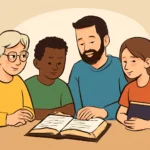
In practice, bible study for seniors can take many forms, from small-group discussions to quiet, personal reflection with trusted prompts. The emphasis is on clarity, accessibility, and warmth—an approach that welcomes participants wherever they are in their journey and honors the wisdom that comes with years of life experience. When we tailor scripture study for older adults to accommodate sensory needs and physical limits, we open doors for deeper understanding and lasting transformation.
Foundational Principles for a Gentle, Accessible Practice
Pace and clarity: Allow time for reflection, reading aloud, and gentle repetition. Elderly participants often benefit from slower tempo and repeated verse references.
Accessibility of materials: Choose large-print Bibles, high-contrast text, or audio formats. Ensure fonts, spacing, and layout reduce visual strain.
Inclusion and respect: Create a space where every voice is welcomed and every question is heard. Avoid rushing to conclusions; honor diverse perspectives within the group.
Memory-friendly design: Use short passages, clear discussion prompts, and opportunities to memorize one key verse at a time, reinforced through repetition, journaling, and prayer.
Practical application: Connect biblical passages to daily routines—mealtime gratitude, caregiving moments, or moments of rest—with concrete examples.
Multisensory engagement: Combine reading with listening to audio recordings, singing, or symbol-based prayer to accommodate different learning styles and faculties.
Safety and comfort: Prioritize comfortable seating, adequate lighting, and easy access to restrooms or mobility aids, ensuring a secure environment for everyone.
Variations of Focus Within Bible Study for Elderly People
Different approaches can be used within the broader discipline of bible study for elderly people to suit group dynamics and individual needs. Some variations include:
Memory-centered study: Emphasizes memorizing a single verse or short passage each week, with multiple review cycles.
Prayerful reflection: Centers devotion and journaling, with Scripture as a backdrop for personal prayers and petitions.
Dialogue-based discussion: Encourages open conversation about life experiences that resonate with Scripture themes.
Audio-first study: Uses spoken Scripture and storytelling for participants with limited eyesight or reading stamina.
Hands-on engagement: Incorporates crafts, tactile Bible markers, or symbol-based activities to anchor learning.
Practical Considerations for Elderly Participants
Vision and Hearing
Visual and auditory changes are common in older age. When planning scripture study for older adults, consider the following adjustments:
Bright, glare-free lighting and large-print Bibles with ample margins.
High-contrast slides or handouts; avoid light-colored text on bright backgrounds.
Auditory support such as assisted listening devices, amplified microphones, or clear spoken narration for sessions with many voices.
Provide audio versions of the week’s passage for participants to listen before or after the meeting.
Mobility and Comfort
Accessibility is not only about eyesight and hearing; it is also about physical ease and including everyone in the experience. Consider:
Wheelchair-accessible seating and enough space to move around for those who prefer standing or stretching.
Short sessions with optional “stretch and share” breaks to reduce fatigue.
Easy-to-reach water, warm beverages, and a quiet corner for moments of rest.
Remote options or home-based formats for participants who cannot travel.
Cognitive Considerations
Some seniors may experience memory changes or processing speed differences. Helpful strategies include:
Use short readings paired with a few focused questions rather than long blocks of text.
Offer repetition and paraphrasing to reinforce comprehension.
Provide printouts with bullet points and key verses for easy review between sessions.
Encourage journaling or simple recap notes to aid recall.
Routine and Structure
Consistency is comforting and stabilizing. Build a predictable rhythm into your elderly Bible study groups or senior-focused scripture circles with the following:
A consistent meeting time and location, or a reliable virtual format with a clear agenda.
Regular opening and closing prayers, along with a brief overview of the next session.
A simple format: read aloud, discuss, reflect, and close with a prayer or blessing.
Formats and Tools for Successful Bible Study for Seniors
In-Person Small Groups
Small, in-person groups are often the most impactful for bible study for elderly people, because they foster personal connection and accountability. Tips for success:
Keep groups to a manageable size (6–8 participants) to ensure everyone can contribute comfortably.
Offer a rotating role system (reader, facilitator, note-taker, prayer time leader) to share leadership responsibilities.
Choose accessible meeting venues with comfortable seating, good acoustics, and low crowding.
Provide printed materials with large fonts and strong contrasts, plus an optional audio recording of the session.
Home-Based Bible Study
For seniors who prefer to meet in familiar surroundings, a home-based approach can be equally enriching. Consider:
Hosting with advance notice, ensuring safety and comfort for participants, especially those with mobility concerns.
A home-study guide that mirrors the in-person session but allows pacing at home, with reflection prompts and family involvement.
Use of household items for tactile engagement—objects or images that symbolize themes in the week’s passage.
One-on-One Bible Study
One-on-one formats can offer highly customized support, particularly for aging adults who value individualized attention. Benefits include:
Personalized pace, focus, and devotional rhythm aligned with the participant’s memory and energy levels.
Flexible scheduling and location choices, including a quiet park bench, a living room, or a church library.
Opportunities for intimate prayer, confession, and tailored Scripture exploration.
Audio and Large-Print Materials
Technology and format choices can unlock access to Scripture for many seniors. Useful tools include:
Large-print Bibles in easy-to-read fonts and formats with generous margins.
Audio Bibles or sermon recordings with adjustable playback speed to accommodate listening preferences.
Bible study apps and websites that offer adjustable font sizes, high-contrast themes, and offline access.
Printed study guides featuring bold headers, bullet summaries, and reflective questions.
Sample 12-Week Plan for Gentle Bible Study
The following outline is designed for gentle, accessible Bible study for seniors and can be adapted for scripture study for older adults in a church, community center, or home setting. Each week includes reading, discussion, reflection, and a simple takeaway.
Theme: Seeing God at work; Verse focus: Psalm 126:3
Activity: Group blessing and personal takeaways sharing; planning beyond the twelve weeks.
Takeaway: Create a personal devotional plan for ongoing study with a trusted friend or caregiver.
Discussion Questions and Reflection Prompts
Use these prompts to stimulate thoughtful conversation in bible study for elderly people and related formats. Adapt them to the week’s passage and to the group’s dynamics.
What part of the passage resonates most with your current life experience, and why?
Which verse would you memorize or meditate on this week, and what memory cue would help you recall it?
How does this Scripture shape your daily routine or interactions with family, caregivers, or friends?
What is one practical action you could take this week that reflects the passage’s teaching?
Is there a question you would like to bring to God in prayer as you study this week?
How can the group support you in applying what you’ve learned without judgment?
Additional prompts for specific passages, such as Psalms of comfort or parables about hospitality, can be prepared in advance and shared as handouts or slide notes. Encouraging explicit connections between Scripture and daily life helps seniors anchor their faith in practical living.
For Facilitators: Leading Bible Study for Seniors
Leading a senior-friendly Bible study requires intention, patience, and clarity. Here are practical guidelines to help facilitators create an affirming, fruitful environment:
Set a gentle pace: Build in time for reading aloud, reflection, and discussion without rushing participants.
Offer multiple entry points: Provide short passages, accessible summaries, and a choice of discussion questions to accommodate different comfort levels with analysis.
Honor diverse life experiences: Invite participants to share how Scripture intersects with family history, caregiving experiences, and community life.
Incorporate prayer as a core practice: Begin and end with prayer, and consider brief moments of silent listening to hear God’s still small voice.
Provide memory aids: Use printed cards with key verses, short prompts, and simple handouts that reinforce learning.
Balance discussion and quiet time: Create space for personal reflection as well as group dialogue, so quieter participants have room to contribute.
Plan for accessibility: Ensure all materials have large fonts, high contrast, and clear layout; offer audio options when needed.
Prepare for interruptions gracefully: If physical needs arise, have a plan to pause, attend to participants, and resume with minimal disruption.
Resources and Accessibility Tools
Having the right resources can make bible study for elderly people more effective and enjoyable. Consider the following tools and materials:
Large-print Bibles with spacious margins and clear type.
High-contrast printouts and slide decks designed for easy readability.
Audio Bible options, including DAISY books, MP3 audio, or streaming narration with adjustable speed.
Voice-recorded summaries of each week’s passage for later listening.
Memory aids such as bookmark cards, verse cards, or cue phrases to promote recall.
Accessible software and apps that offer adjustable font sizes, color themes, and offline access for seniors who prefer digital formats.
Comfort items like blankets, warm cups of tea, or a quiet corner for rest during sessions.
More broadly, consider connecting with local libraries, churches, or senior centers to gather equipment and ensure your program aligns with community needs. When possible, partner with caregivers or family members who can help participants participate meaningfully outside formal sessions.
Closing Thoughts and Encouragement
Ultimately, bible study for elderly people is about companionship, reverence for Scripture, and the steady transformation that comes from thoughtfully engaging God’s Word. By prioritizing accessibility, compassion, and practical application, you create spaces where seniors can explore faith with curiosity and rest in God’s promises. Whether you call the effort a scripture study for older adults, a senior Bible circle, or a bible study group for aging adults, the heart remains the same: to grow in wisdom, in grace, and in the shared joy of faith lived out together.
As you embark on or continue this journey, remember to celebrate small wins: a quiet moment of prayer, a meaningful comment in discussion, or a verse memorized for one week. Those pastoral, everyday steps accumulate into a rich tapestry of spiritual growth that honors the dignity and experience of every participant. May your elderly Bible study be a warm, hopeful, and transformative practice that brings light to the aging process and life beyond it.










Leave a Reply