Bible That I Can Understand: A Clear, Plain-Language Guide to Reading the Bible
Reading the Bible in plain language is a skill you can learn, not a mystery you must solve all at once. This guide is designed to help you approach the scriptures with clarity, patience, and practical tools. You will encounter many terms and styles, but the core aim remains simple: to understand what the text is saying, why it matters, and how it can inform your life today. Throughout this article, you will see bolded words and phrases to highlight key ideas you can carry with you as you read.
What the Bible Is and Isn’t
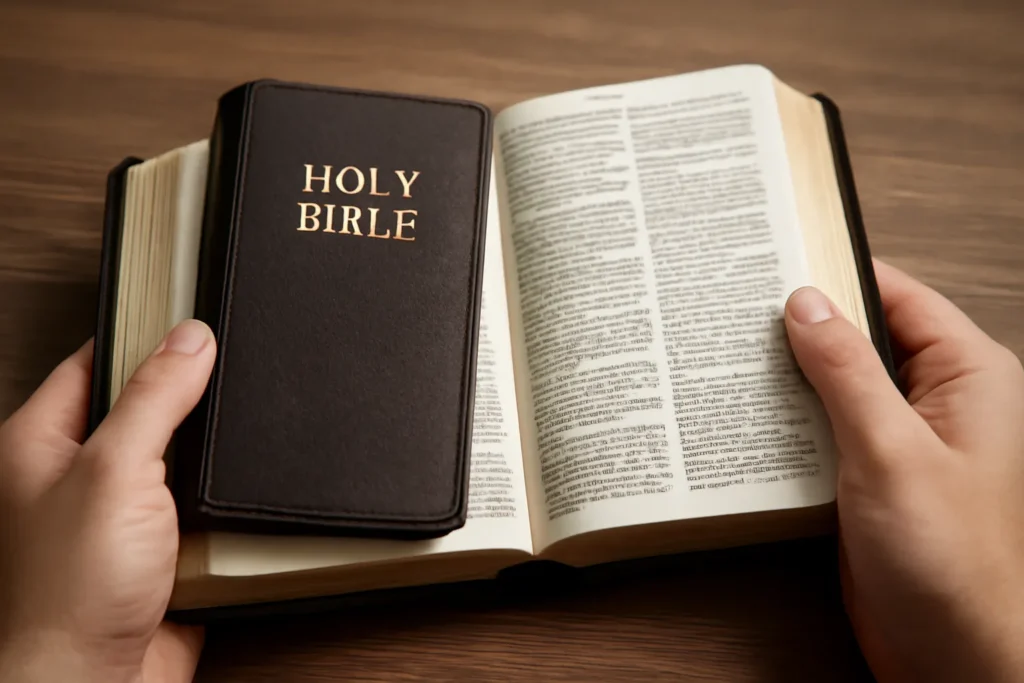
First, it helps to have a basic orientation about the Bible itself. The Bible is a collection of writings from many authors over a span of centuries. It is not a single book with one voice; rather, it is a library of books that share certain themes and goals. In Christian usage, the Bible is often called the Holy Bible, the Scriptures, or simply the Bible. Some people also refer to it as the Good Book in casual speech, signaling respect for its importance in faith and life.
Important distinctions to keep in mind as you read:
Translations versus original languages: Most readers access the Bible through translations that render the original Hebrew, Aramaic, and Greek into idiomatic English. A good translation helps you grasp meaning without getting bogged down in old or unfamiliar wording.
Genres vary from book to book: history, poetry, wisdom, prophecy, letters, and apocalypse all appear in the Bible. Each genre has its own rules for interpretation.
Cultural and historical context: Understanding the time and culture in which a passage was written often clarifies its purpose and message.
How to Choose a Bible Translation That Is Easy to Understand
Different translations balance readability and accuracy in different ways. If you want plain language that is approachable for everyday reading, here are common categories you’ll encounter:
Dynamic equivalence or thought-for-thought translations emphasize conveying meaning as people today would understand it. Examples: New International Version (NIV), New Living Translation (NLT).
Formal equivalence or word-for-word translations aim for closeness to the original wording, which can be more precise but sometimes harder to read. Examples: English Standard Version (ESV), New American Standard Bible (NASB).
Paraphrases rephrase scriptures in very contemporary language. They can be easy to read but may sacrifice some nuance. Example: The Message (MSG).
Tips for picking a translation:
Start with a well-regarded dynamic equivalence Bible if you want to build vocabulary and understanding quickly (for example, the NIV or NLT).
Use a study Bible or a translation with helpful notes if you’re new to the Bible or studying a difficult passage.
Keep a small set of translations for comparison. Reading the same passage in two different translations can illuminate meaning.
Understanding the Structure: Old Testament and New Testament
Most Christians organize the Bible into two major sections: the Old Testament (the Hebrew Bible) and the New Testament (Christian writings about Jesus and the early church). Each section contains several kinds of writing, often grouped into literary genres.
Old Testament overview
Law or the Pentateuch (the first five books, including Genesis, Exodus, Leviticus, Numbers, Deuteronomy) — foundational stories, laws, and covenant ideas.
Historical books — narratives about Israel’s history, kings, prophets, and returns from exile.
Wisdom literature (books like Proverbs, Ecclesiastes, Job) — reflections on life, ethics, and practical living.
Poetry and prophets — songs, prayers, and prophetic messages concerning justice, mercy, and God’s future plans.
New Testament overview
Gospels — four perspectives on the life and teachings of Jesus (commonly Matthew, Mark, Luke, and John).
Acts — the early church’s story and how the message spread after Jesus’ death and resurrection.
Epistles — letters from leaders like Paul, Peter, James, John, and others guiding churches and individuals in faith and practice.
Revelation — a poetic, symbolic book about hope, judgment, and ultimate renewal.
Genres You Will Encounter and How to Read Them
Each genre invites a different reading approach. Reading with awareness of the genre helps you grasp the intended meaning rather than reading something that isn’t there.
Narrative (stories about people and events) often reveals character, callings, and decisions. Read for plot, motives, and consequences.
Poetry uses imagery, rhythm, and figurative language. Look for themes, repetition, and forms like parallelism in Hebrew poetry.
Wisdom literature emphasizes practical living and reflections on life’s big questions. Consider what is being advised, not just what is joked about.
Prophecy addresses future hopes and current calls for justice. Pay attention to imagery, promises, and calls for repentance.
Gospel narratives focus on Jesus’ life, death, and teaching. Note the purpose: who Jesus is and what he invites people to trust and do.
Epistles are letters addressing communities and individuals. Look for problems discussed and guidance offered, often with practical applications.
Apocalyptic literature (like Revelation) uses symbols to convey hope and judgment. Don’t expect a straightforward timeline; look for messages about faithfulness and renewal.
Steps for Reading the Bible with Clarity
When you start a reading session, you can use a simple framework to stay focused and gain understanding. Here are practical steps you can apply in any book or passage.
Read for meaning: Read the passage once to understand the basic sense, then reread to notice details you might have missed.
Ask basic questions: Who? What? Where? When? Why? How? What is the author trying to say? What is the main point?
Look for the main idea: Try to summarize the passage in one sentence. If you can’t, reread or read a few verses before and after for context.
Consider context: Look at the surrounding chapters and the overall message of the book. How does this passage fit into the larger story or argument?
Identify the audience: Who was this written to? What situations or problems were being addressed?
Note key words and phrases: Mark them as themes you want to track as you read more.
Ask for practical application: What does this passage say about God, about people, and about how we live?
Check cross-references: See how other parts of the Bible talk about the same idea to deepen understanding.
Practical Reading Plans for Everyday Life
Having a plan helps you stay consistent and avoid feeling overwhelmed. Below are several approaches you can try, depending on your schedule and goals.
Daily bite-sized plan: Read 1–2 chapters a day, alternating between Old and New Testament passages to keep a balanced view of the whole narrative.
Thematic plan: Choose themes like mercy, faith, or justice and read passages across different books that touch on the same theme.
Chronological plan: Read through the Bible in the order the events happened, which can help you follow the big story more naturally.
Scripture plus reflection: After reading, write a short reflection on how the passage speaks to your life today or to someone you know.
Study-friendly plan: Pair a reading with a short commentary or study notes to gain context and explanations for tricky passages.
If you’re new to this, start with shorter sessions and gradually increase as your familiarity grows. The goal is consistency and comprehension, not speed.
Context, Culture, and Clarifying Questions
Plain-language reading is aided greatly by context. Several layers of context influence how a passage should be understood:
Historical context: What was happening politically, socially, and religiously at the time the text was written?
Literary context: How does this passage fit within the book’s overall argument or narrative arc?
Cultural context: What customs, speech patterns, and norms are assumed by the writers and readers?
Theological context: What beliefs about God and humanity shape the text’s message?
Helpful questions to guide your study include:
What is the main claim or promise in this passage?
What actions or attitudes does the passage encourage or warn against?
What promises, commands, or examples does it offer for daily living?
How do the surrounding passages reinforce or adjust this message?
Tools That Help You Read with Confidence
A good reader’s toolkit makes a big difference. Below are resources you can use to deepen your plain-language understanding and stay engaged with the text.
Study Bible: A Bible edition that includes introductions, explanations, historical context, maps, and notes about difficult passages.
Concordance: A reference that helps you find where words appear in the Bible, useful for tracing themes and cross-references.
Dictionaries and lexicons: Tools for understanding the original meanings of key Hebrew and Greek words in the text.
Commentaries: Authors provide explanations of passages, cultural background, and different interpretive angles. Start with beginner-friendly ones if you’re new to study.
Maps and timelines: Visual aids to locate places, travel routes, and chronology, which helps in understanding historical narrative.
Glossaries: Quick reference to terms or cultural concepts that may be unfamiliar to modern readers.
How to Read for Understanding vs. Reading for Devotion
Some readers want to understand the text’s meaning in a factual sense, while others read primarily for spiritual formation and personal devotion. Both approaches are valuable, and you can blend them in your routine.
Reading for understanding emphasizes accuracy, context, and interpretation. It often involves note-taking, cross-referencing, and questions about authorship and audience.
Reading for devotion emphasizes prayer, meditation, and personal response to God’s character and promises as revealed in the text.
A practical approach is to begin with a brief, devotion-centered note after your reading, asking: “What now?” “What does this reveal about God?” and “What would following this look like today?”
Common Challenges and How to Overcome Them
Even with the best plan, readers encounter obstacles. Here are common hurdles and practical fixes to keep you moving forward with plain-language understanding.
Historical names and places: Use maps and glossaries to keep track of people and locations. Don’t worry about memorizing every name at first; focus on the main figures and what they illustrate.
Complex sentence structures: When a verse seems dense, read it in smaller chunks, paraphrase in your own words, and look up cross-references for clarity.
Command vs. example: Some verses are prescriptive (what to do) while others are descriptive (what happened in a given era). Distinguish advice that applies today from historical accounts that illustrate a principle.
Hard questions: It’s normal to encounter verses that raise questions about ethics, violence, or God’s actions. Be patient, seek context, and read with humility, asking for guidance rather than certainty.
Names and chronology: When in doubt, note the passage, keep reading, and revisit after gaining more context. Chronology in ancient texts can be complex; a timeline or chronological reading plan can help.
Consistency matters more than intensity in the early stages. Here are routines that can help you keep coming back to the text with energy and clarity.
Set a regular time each day, even if it’s brief. A fixed time reduces friction and builds momentum.
Keep a reading journal: Write a sentence or two about what stands out, questions you have, and how you might apply a passage.
Use a simple checklist: Read a passage, note the main idea, identify one application, and mark any cross-references you want to explore later.
Mix formats: Alternate between a straightforward prose reading and a short devotional or reflection to balance understanding with inspiration.
How to Apply What You Read
Reading with intention becomes meaningful when you consider how to apply it to your life or the life of others. Here are ways to translate scripture into action without losing the focus on plain language and clear meaning.
Ask how it affects daily choices: What does this passage suggest about honesty, kindness, or justice in everyday situations?
Practice what you learn: Choose one practical action to try during the week based on what you read.
Share insights responsibly: Discuss passages with friends or a study group to hear other perspectives and grow together.
Seek compassionate understanding: When you encounter challenging passages, seek to understand the people and circumstances involved, not just the text in isolation.
Examples of Plain-Language Interpretive Mindset
Developing a plain-language mindset means focusing on plain meaning, accessible language, and real-life relevance. Here are examples of how you might approach common themes.
Love and neighborliness: Look for passages that call you to show kindness and fair treatment to others, including those who are different from you.
Justice and mercy: Notice how justice is paired with mercy in prophetic and wisdom literature, and consider how these ideas guide your actions today.
Faith and trust: Many passages invite trust in God. Consider what it means to trust in practical ways, such as through patience, prayer, or acts of service.
Hope in difficult times: Apocalyptic and prophetic sections often point to a future renewal. Translate that hope into present-day resilience and constructive choices.
Glossary of Key Terms for Easy Reference
As you read, keeping a small glossary handy can help you stay confident and clear. Here are some essential terms you’ll encounter frequently.
Translation — the process of rendering the original languages into another language, such as English.
Version — a specific Bible translation (for example, NIV, ESV, NASB, NLT, KJV).
Old Testament — the collection of books written before Jesus’ life, focusing on creation, covenant, and history of Israel.
New Testament — the collection of books about Jesus and the early church after his life, death, and resurrection.
Paraphrase — a restatement of the text in very contemporary language (useful for quick reading, not always precise).
Concordance — a reference tool for locating verses by keyword or concept.
Here are some common questions readers ask, along with straightforward answers to help you continue reading confidently.
Can I understand the Bible with just one translation? Yes, you can begin with a modern, readable translation, but comparing a second translation can deepen understanding, especially for tricky passages.
Do I need to know ancient languages to read the Bible well? Not necessarily. A good translation and helpful study aids can provide a strong, plain-language understanding without needing to learn Hebrew or Greek first.
What if a passage seems contradictory? Read the surrounding context, consult a study note, and consider genre and historical context. Sometimes apparent contradictions reveal different perspectives or situations rather than true conflict.
How long should I study each day? Start small—15 to 20 minutes—and adjust as you grow more comfortable. The goal is steady, thoughtful engagement, not marathon sessions.
To summarize a practical approach for readers who want a clear, plain-language experience with the Bible, consider the following plan:
Pick a readable translation (for example, NIV or NLT) to begin with, and optionally pair it with a more literal version for study.
Join or form a study routine that includes reading, reflection, and discussion with others if possible.
Use study aids like a study Bible, glossary, and map resources to build context as you read.
Practice a simple method such as the steps outlined earlier: read, questions, summarize, context, cross-references, apply.
Be patient with growth. Your understanding will deepen over time as you become familiar with genres, themes, and the overall narrative arc of the scriptures.
Reading the Bible in plain language is not about reducing deep truths to a simple slogan. It is about making timeless wisdom accessible, meaningful, and applicable to everyday life. As you immerse yourself in the texts—whether you refer to them as the Scriptures, the Holy Bible, or the Bible—you are engaging with a narrative that many have found transformative over generations. The goal of this guide is to equip you with practical steps, honest curiosity, and reliable tools so that you can read with clarity, confidence, and intention.
Whether you call it the Bible, the Scriptures, or the Holy Bible, this collection invites you into a conversation about life, faith, ethics, hope, and love. With steady practice, you can move toward a plain-language understanding that helps you recognize God’s voice in everyday moments and act with wisdom, mercy, and courage.
Remember: the aim is not only to know what the text says, but to understand what it means for the lives of real people today. By reading with structure, context, and practical application, you can transform challenging passages into helpful guidance for your decisions, relationships, and daily routines. This is how a reader can approach the Bible—whether you are new to the faith, returning after a pause, or simply seeking a clearer path to understand the ancient words in a modern language.








Leave a Reply