Introducing the Bible Verse About Repenting Your Sins: What It Means for Forgiveness
Across the Bible, the theme of repentance stands as a doorway to forgiveness and renewed relationship with God. When people ask, “What does it mean to repent, and how does repentance relate to forgiveness with God?” they are touching a core message that runs from the Old Testament to the New Testament. This article surveys biblical verses about repenting your sins, explains what repentance means in biblical terms, and describes how repentance paves a path toward forgiveness. We will explore multiple phrases and variations—such as turning from sin, turning toward God, and changing one’s mind and behavior—to give you a broad, semantically rich understanding of repentance in Scripture.
What repentance looks like in the Bible: turning away from sin and toward God
In Scripture, repentance is more than feeling sorry for a mistake. It is a deliberate shift in the direction of life—an inner change that leads to outward actions aligned with God’s will. The Greek word often translated as repentance is metanoia, literally meaning a change of mind that results in a change of direction. The Hebrew idea behind repentance in the Old Testament includes returning or turning back to the LORD after wandering away. Below, you’ll find a spectrum of verses and ideas that illustrate this transformation.
The core biblical call: repent and believe the good news
Two pillars frame the New Testament call to repentance: repentance itself and belief in the gospel. Jesus’ earliest public message centers on both elements imparted in one tense and intention:
Key New Testament invitations
Matthew 4:17 — Jesus begins His public ministry with the command to repent because the kingdom of heaven is near. This phrase signals that the divine era is breaking in and requires a response: a change of allegiance and life direction.
Mark 1:15 — The gospel proclaimed by Jesus includes the call to repent and to believe the good news. Repentance and faith together form the posture of a disciple entering the age of God’s grace.
Luke 13:3 — A stark reminder: “Unless you repent, you will all perish.” The urgency underscores the seriousness of turning from sin and turning toward God for life.
Luke 24:47 — The apostles are commissioned to proclaim repentance for the forgiveness of sins to all nations, beginning at Jerusalem. This ties repentance directly to the forgiveness God offers through Jesus Christ.
In these verses, repentance is not a vague feeling; it is a concrete shift in life that prepares one to receive the gospel and the forgiveness it brings. The New Testament consistently links repentance with faith—two sides of the same coin: turning away from sin and turning toward God in trust.
Old Testament foundations: repentance as turning back to God for forgiveness
The Bible’s earlier testimony lays a groundwork for repentance as a way of returning to God and receiving His mercy. The prophets and psalmists describe repentance as a turning from sin and a pleading for mercy, paired with decisive action to live in fidelity to God.
Representative Old Testament verses
Ezekiel 18:30–32 — God calls His people to turn from all the offenses and to put away iniquity, promising that He will remember and forgive when the people humble themselves and seek Him with their hearts.
Joel 2:12–13 — The prophet urges a national return to the LORD with fasting, weeping, and mourning, stressing that the attitude of the heart matters more than ritual alone: “return to the LORD your God, for He is gracious and merciful.”
Psalm 51:1–2 — A heartfelt plea for mercy: to blot out transgressions, wash away iniquity, and cleanse the heart. Repentance here is a turning to God for cleansing from sin.
Psalm 32:5 — The psalmist confesses sin, acknowledging that acknowledging sin to God leads to forgiveness and steady groaning turning into joy because the Lord forgives all your sins.
Proverbs 28:13 — A practical warning: those who conceal their sins do not prosper, but those who confess and renounce their transgressions find mercy. This captures the moral logic: confession paired with turning away brings mercy and restoration.
Across these passages, repentance is portrayed as a decisive reorientation of the heart and life toward God. It often includes confession, lament over sin, turning away from harmful patterns, and seeking to live according to God’s commands. When people respond in faith and obedience, God’s mercy and forgiveness become the atmosphere of their daily life.
What forgiveness looks like when repentance is genuine
Forgiveness in Scripture is more than a legal release; it is relational renewal. When a person truly repents, God’s forgiveness is described as cleansing, canceling guilt, and restoring fellowship with Him. The Bible speaks of forgiveness in several strands: legal acquittal before God, personal restoration, and the empowering work of the Holy Spirit to help live in godliness.
Verse snapshots that connect repentance to forgiveness
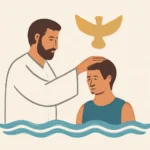
Acts 2:38 — Peter’s exhortation on the day of Pentecost: “Repent and be baptized, every one of you, in the name of Jesus Christ for the forgiveness of your sins.” Here repentance is paired with baptism as the means by which sins are forgiven and the Spirit is granted.
1 John 1:9 — The apostolic assurance: “If we confess our sins, He is faithful and just and will forgive us our sins and purify us from all unrighteousness.” Confession aligns with ongoing forgiveness and purification.
Romans 3:23–24 — The diagnostic reality of sin and the gracious provision of forgiveness by God: all have sinned, but all are justified freely by His grace through the redemption in Christ Jesus.
Psalm 103:12 — A vivid image: as far as the east is from the west, so far has He removed our transgressions from us. Forgiveness restores what sin damaged and heals the relationship with God.
These verses show that forgiveness is not earned by perfect behavior but is received by God’s gracious response to repentance and faith. The effect is not only legal mercy but personal transformation and ongoing fellowship with God.
The means by which forgiveness is received: confession, faith, and turning
Efforts at repentance are not merely moral cycles of guilt and shame; they are, in Scripture, steps toward God’s grace and a reoriented life. The biblical data emphasize three interconnected acts that together open the door to forgiveness: confession, faith, and repentance (often expressed as turning to God). These are frequently presented together in the early Christian proclamation and in the apostolic letters.
Representative biblically grounded steps
Confession of sin before God, acknowledging what is wrong and naming it as sin in need of mercy. 1 John 1:9 highlights confession as a gateway to forgiveness and cleansing.
Faith in Christ and His provision for sin, trusting that His death and resurrection meet the demands of justice and restore relationship with God. Romans 10:9–10 emphasizes belief that leads to salvation and forgiveness.
Repentance as the turning away from sin and the turning toward God. This is often described as a change of mind and a reorientation of life, not merely an emotional moment.
Transformation through the Spirit that enables a new way of living, consistent with the ethical life God calls us to live.
In Acts 2:38, the sequence is clear: repentance is the posture that precedes baptism, and both are linked to the received forgiveness of sins. The pathway is not a single act but a process that continues as believers grow in faith and obedience.
Living out repentance: practical steps for ongoing forgiveness and renewal
Repentance in daily life is an ongoing discipline. It is not a one-time event but a habitual posture in the life of a believer. Below are practical steps that reflect biblical teaching on how to live in light of repentance and forgiveness.
Practical applications
Self-examination and prayerful reflection on where you have fallen short. Regularly asking God for light to see hidden sins and attitudes.
Confession to God and, when appropriate, to others impacted by your sin. James 5:16 encourages confession as a path to healing, and in some contexts, reconciliation.
Reparative action where possible—making things right with others, returning what was damaged, seeking reconciliation, and pursuing restitution in a godly way.
Gratitude and worship for God’s mercy, which strengthens faith and humbles pride, fostering ongoing dependence on grace.
Scripture-based renewal—letting the Bible shape your desires, your decisions, and your daily routines so that your life increasingly reflects Christ.
Practically, this means adopting habits that sustain repentance: honest prayer, accountability within a faith community, regular Scripture reading, and transparent living before God and others. The aim is transformation—a life that increasingly mirrors the character of Christ and a heart that expects and experiences God’s forgiveness anew with humility and joy.
Common questions about repentance, forgiveness, and salvation
Readers often have questions about how repentance interacts with salvation and what it means for their personal journey. Here are some frequently asked questions, with concise biblically informed answers.
In biblical terms, repentance and faith are intertwined responses to the gospel. The New Testament presents repentance as a necessary response to the gospel’s call, but it is ultimately God’s grace that enables true repentance and faith. Passages like Acts 3:19 describe calling people to repent and turn to God so that sins may be wiped out, which partners with belief in Christ for salvation.
FAQ: What if I sin again after repenting?
The Bible teaches that forgiveness is always available to those who confess sins and trust in God’s mercy. 1 John 1:9 speaks to ongoing confession and cleansing for believers. The gospel doesn’t demand perfect sinlessness but calls for continual repentance and trust in Christ’s atoning work.
FAQ: How can I know if my repentance is genuine?
Genuine repentance often reveals itself in a changed life: a shift in priorities, a growing hatred for sin, and a desire to obey God. The presence of fruits consistent with repentance, such as love, humility, and a willingness to seek reconciliation, provides strong indicators that repentance is real.
Strengthening your understanding: how repentance shapes forgiveness and relationship with God
Repentance is not an end in itself but a means to restoration of relationship with God. When you turn from sin and toward the Lord, you place yourself under the benevolent care of a gracious Father who desires to forgive, renew, and empower. The biblical narrative continually returns to the themes of mercy, faith, grace, and new life in Christ. In this sense, repentance is the strategic posture of a believer who desires to live under God’s rule, receive His forgiveness, and participate in His mission in the world.
Key takeaways: a concise map of repentance and forgiveness in Scripture
To summarize, here are the essential, biblically grounded points about repenting your sins and receiving forgiveness:
Repentance involves a real turning away from sin and turning toward God, often described as a change of mind that manifests in changed behavior.
Forgiveness is God’s gracious act of pardoning sins, cleansing from unrighteousness, and restoring relationship with Him; it is received through confession, faith, and repentance.
The Bible presents multiple pathways by which forgiveness is applied: through faith in Christ, baptism, confession, and living a life empowered by the Holy Spirit.
Repentance is both the initial response to the gospel and an ongoing discipline for the life of a follower of Christ.
Conclusion: moving forward in repentance and forgiveness
In the biblical witness, repenting your sins is a transformative invitation into a life centered on God’s grace. It begins with a honest recognition of sin, proceeds through turning toward God in faith and obedience, and culminates in the experience of forgiveness and restoration. Whether you are encountering these themes for the first time or seeking to deepen your walk with God, the Bible presents a hopeful, practical path: confess what you have done, turn away from the patterns of sin, believe in the good news of Jesus Christ, be reconciled to God, and rely on His empowering grace to live a new life. May your journey toward forgiveness be marked by humility, faith, and steadfast devotion to the God who loves you and welcomes you back with open arms.
If you would like, I can tailor this article to a specific denomination or tradition, include additional verses from particular biblical books, or provide a short devotional guide based on the themes of repentance and forgiveness. Let me know how you’d like to extend this discussion.









Leave a Reply