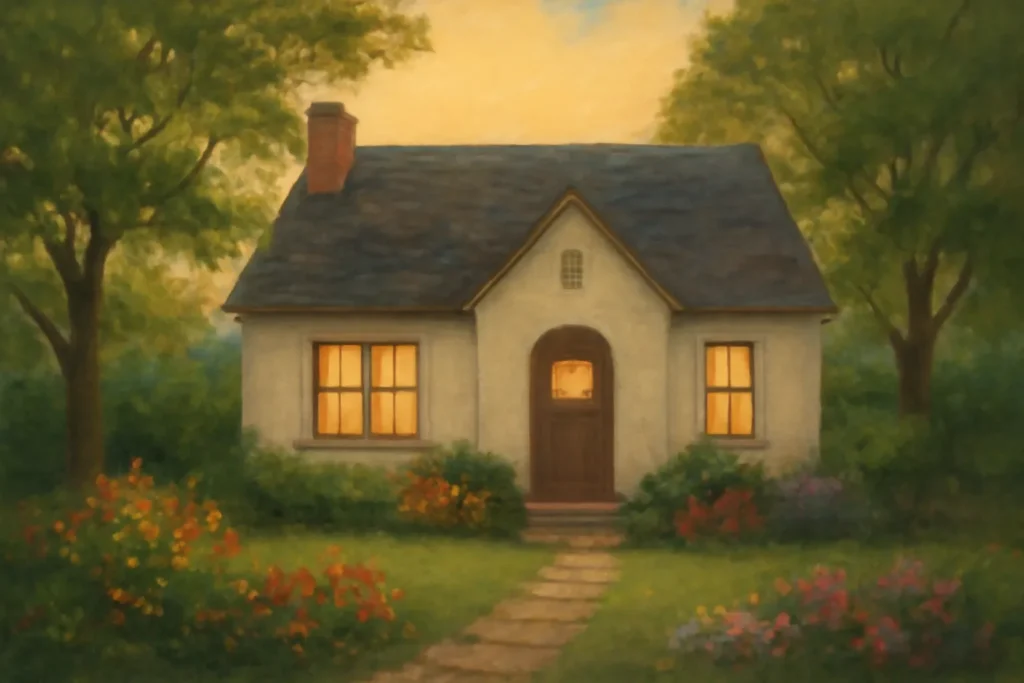
Bless This House Prayer is a simple, intention-driven practice used in many homes to invite positive energy, protection, and harmony into the living space. While the exact wording can vary, the essential idea centers on focusing your thoughts, words, and actions toward blessing the people and places that reside within a house. The practice is often part of a broader ritual called a house blessing or home blessing, and it can be adapted to fit different beliefs, traditions, and personal preferences. Whether you describe it as a bless this house prayer, a blessing for the home, or a home blessing ritual, the goal remains the same: to set a tone of peace, care, and spiritual awareness for everyone who lives, visits, or works in the dwelling.
In this guide, you will find an accessible explanation of what a bless this house prayer entails, how it originated in various cultural contexts, and practical instructions for creating a personal blessing that suits your family’s values. The emphasis is on intent, participation, and reverence in everyday life. No matter your faith background, the practice can be meaningful if approached with sincerity and respect for the space and the people who share it.
Origins and Meaning: Why Bless a Home?
House blessings have a long history across many cultures and faith traditions. Although the exact phrasing of a bless this house prayer varies, the underlying concept is consistent: a blessing invites a sense of sanctity, safety, and positive influence to fill the rooms, hallways, and doorways where daily life unfolds. In Christian contexts, a blessing may invoke divine protection and guidance over a family or household. In Jewish, Muslim, Hindu, Buddhist, and secular contexts, similar intentions appear—seeking harmony, protection, healing, and gratitude for the dwelling and those who inhabit it.
In a broader sense, to bless a house is to acknowledge that a home is more than its walls and furniture. It is a space where relationships grow, where meals are shared, where people rest, work, and dream. The home blessing acknowledges this reality and asks for forces—whether spiritual, moral, or communal—to contribute to the wellbeing of all who live there. Importantly, a bless this house prayer is not about magical thinking alone; it is about setting purposeful intentions, creating rituals that reinforce care, and cultivating a culture of hospitality and safety.
What a Bless This House Prayer Typically Includes
Although there are many variations, most versions of a bless this house prayer share several core components. These elements help create a coherent and meaningful ritual that can be adapted to different beliefs and circumstances:
Opening intention: A statement of purpose—why you are gathering, what you hope to bless, and who benefits from the blessing.
Protection and safety: A request for safety from harm, both physical and spiritual, for residents, guests, and even pets.
Harmony and peace: A wish for calm, patience, and healthy communication among household members.
Gratitude: Expressions of thankfulness for shelter, daily comforts, and the relationships that make a house a home.
Ritual actions: Concrete acts such as lighting a candle, sprinkling water or salt, or saying a short blessing aloud.
Closing or commissioning: A final affirmation that the house will continue to be a space of care, welcome, and growth.
These pieces can be woven into a custom blessing that reflects your values and the unique character of your home. In many households, the bless this house prayer is an ordinary ritual performed at meaningful times—when moving into a new home, after a major life transition, or at the start of a new year or new season.
Variations: Different Ways to Say It
Because the heart of the practice is intention, you can find or create many versions of the home blessing that suit your beliefs. Here are some broad categories to consider as you choose or craft a version of the bless this house prayer:
Christian and Catholic-inspired forms
In Christian households, the blessing may reference God’s grace, protection, and presence. The tone remains reverent and earnest, emphasizing the household as a place where faith and family life intersect. Typical elements include invoking divine blessing for the family, the home’s rooms, and those who visit or work there, with emphasis on peace and safety under spiritual care.
Jewish and Muslim-inspired forms
Both Jewish and Muslim traditions include blessings that sanctify the home and invite divine protection. The wording may reflect Torah or Qur’anic themes, with a focus on peace (shalom or salam), hospitality, and the presence of God in daily life. Even when adapted for a secular audience, these forms often embody a commitment to welcome, safety, and ethical living within the home.
Secular and interfaith approaches
Many families choose a secular or interfaith approach that centers on universal values such as love, kindness, gratitude, and mutual respect. A bless this house prayer in this vein might emphasize creating a safe and welcoming environment, fostering healthy routines, and supporting one another’s well-being, with no explicit religious language.
From gathered rituals at doorways to the sprinkling of blessed water, different cultures have distinct rituals that accompany a home blessing. Some traditions use herbs, oils, or incense to symbolize cleansing and blessing; others rely on spoken blessings or songs. The common thread across these variations is a shared sense of care for the living space and its inhabitants.
How to Use a Bless This House Prayer
Using a bless this house prayer is less about adhering to a fixed script and more about engaging with your space with intention. Here is a practical guide to using this practice in an approachable, meaningful way:
Prepare the space: Create a calm atmosphere. Dim the lights, light a candle or a small lamp, or prepare a moment of quiet before beginning.
Set an intention: Decide what you want to invite into your home—peace, health, generosity, resilience, joy, or any blend of these values.
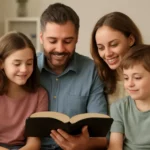
Invite participation: If you live with others, invite them to join. A blessing is often more powerful when shared, and it teaches children that home is a place of care and reflection.
Speak or silently hold the intention: You can recite a prepared blessing, read a short passage, or simply offer a personal sentence about what you wish for the home.
Close with gratitude or a blessing for ongoing practice: End with thanks for the space and a wish for it to be a place of safety and growth.
Simple, adaptable scripts
While you can write your own, here are adaptable skeletons you can customize. Each is suitable for a bless this house prayer that remains concise or expands into a more elaborate ritual:
Opening: “We gather in this home to welcome peace, safety, and love.”
Petition: “Guard against harm, bless the hearts of those who dwell here, and guide all who visit.”
Gratitude: “We give thanks for shelter, nourishment, and companionship.”
Closure: “May this house be a sanctuary of kindness and a source of strength.”
Crafting a Personal Blessing for Your Home
Creating a personalized bless this house prayer helps ensure that the blessing resonates with your household’s unique personality and needs. Consider the following steps as you design your own text:
Identify guiding principles: Decide what matters most to your family—compassion, courage, hospitality, environmental care, or spiritual growth.
Determine the scope: Will your blessing cover the entire property, or focus on particular spaces like the kitchen, bedrooms, living room, entryway, or a prayer corner?
Choose language: Use language that reflects your beliefs and preferences. It can be reverent, poetic, plainspoken, or a blend of languages if appropriate.
Incorporate sensory cues: Mention tangible elements—light, water, scent, and sound—to anchor the ritual in concrete experience.
Include a closing intention: End with a forward-looking statement that invites ongoing care and mindfulness in daily life.
A practical template you can adapt
The following is a flexible template you might customize for a home blessing ritual:
Opening: We gather in this home to honor the people who live here, and to invite care, safety, and joy into every room.
Petition: May this house be a shelter from fear and a haven for compassion. May all who enter find rest, and may our conversations be patient and kind.
Gratitude: We give thanks for shelter, nourishment, and shared meals. We acknowledge the work that sustains this home and the love that makes it thrive.
Sanctification: May the air here carry calm, the walls echo with laughter, and the doors open to welcome guests with generosity.
Closing: Let this space be a force for good in the world, a place where we grow wiser, braver, and more connected.
Practical Ritual Elements and Tools
Many families incorporate small, symbolic actions to ground the blessing in tangible practice. Here are common elements you might include in a bless this house prayer ritual:
Lighting a candle to symbolize presence, light, and continuity of care.
Sprinkling water or salt as a cleansing or purifying gesture, or to invite blessing.
Burning incense or herbs to elevate the atmosphere and signify purification.
Speaking aloud blessings or reading a short passage that aligns with your intention.
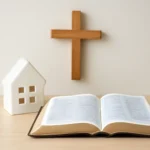
Creating a small altar or prayer corner with symbols, photos, or objects that evoke your values.
Tips for a Meaningful Experience
To ensure your home blessing ceremony feels authentic and respectful, consider these practical tips:
Set aside dedicated time—even a brief, focused moment can be powerful if done with intention.
Keep inclusivity in mind: In multi-faith or multi-religious households, use inclusive language or alternate between traditions so everyone feels welcome.
Involve children:
Invite them to share what they love about the home.
Let them choose a small symbol to place on the altar or prayer corner.
Respect household rules and safety: Be mindful of electrical lights, candles, and any fire hazards, especially around pets and children.
Make it a practice, not a performance: A regular, simple habit—done with sincerity—tays more meaningful than a long, ceremonial event.
Integrating a Bless This House Prayer into Daily Life
A blessing for the home can extend beyond a one-time ritual. Here are ways to weave the spirit of home blessing into daily life:
Morning or evening ritual: Begin or end the day with a brief, personal blessing spoken aloud or whispered to set a tone for the hours ahead.
Seasonal refresh: Revisit the blessing with the changing of seasons or after a major life event to renew your intentions.
Hospitality practice: Use a quick blessing when guests arrive to cultivate warmth and welcome.
Reflection and gratitude: Pair the blessing with a moment of gratitude for shelter, safety, and support.
Common Questions About Bless This House Prayers
Families often have questions about how to approach a home blessing in contemporary life. Here are answers to some frequent inquiries:
Is it appropriate for non-religious households?
Yes. A bless this house prayer can be adapted to secular language that centers on wellbeing, harmony, and mutual care. The practice remains meaningful when its focus is on compassionate living and responsible stewardship of the living space.
How often should a blessing be performed?
There is no fixed rule. Some families bless the house when moving in, after renovations, or at the start of a new year. Others use it as a quarterly or monthly practice to reaffirm intention and gratitude. The frequency should suit your household rhythm.
What if there are tense relationships at home?
The blessing can be framed to emphasize healing and reconciliation. You might add language that invites patience, listening, and constructive dialogue, underscoring that the home is a space where conflicts can be resolved with care.
Are there safety considerations for rituals involving fire or incenses?
Always observe safety guidelines. If lighting candles or burning incense, ensure they are on a stable surface, away from flammable materials, and never left unattended. Consider electric candles or essential-oil diffusers as safer alternatives in homes with children or pets.
What if someone in the house has strong beliefs that differ from mine?
Approach the practice with respect and openness. Invite everyone to contribute a personal blessing or to participate in a non-religious way. The aim is consensus on a shared vision for safety, hospitality, and care within the home.
As you adopt or adapt a home blessing, keep in mind the following ethical and practical considerations to maintain integrity and inclusivity:
Consent and inclusivity: In a shared living situation, ensure that all household members are comfortable with the ritual.
Respect for neighbors and community: Be mindful of noise, lighting, and any religious symbols that could affect others in the building or neighborhood.
Authenticity over display: The value of the ritual lies in genuine intention, not in a flashy presentation.
Consistency with everyday actions: A blessing should be complemented by acts of care, such as responsible upkeep, kind communication, and acts of service within the home.
To keep the practice significant, couple speech with thoughtful action. A home blessing becomes more than words when it is followed by practical steps—for example: maintaining clean, safe spaces; caring for family health; providing hospitality to guests; and protecting the mental and physical wellbeing of all occupants. The ritual then acts as a reminder to live out the values you articulate in your blessing day by day.
Language matters in any blessing practice. If you live in a multicultural or diverse household, consider language that is inclusive and respectful. You can emphasize universal themes such as kindness, care, grace, and hope rather than dogmatic formulations. The goal is to create a sense of belonging and safety that everyone can share, while preserving the personal significance of the ritual for those who practice it.
If you want to explore further, here are ways to deepen your understanding or expand your practice:
Books and guides on house blessings from various traditions.
Interfaith resources that offer inclusive language and rituals for home blessings.
Family-oriented blogs and articles with practical templates for bless this house prayers that can be adapted for children.
Conclusion: The Power of a Simple Blessing
In the end, a Bless This House Prayer is a small but meaningful act—an intentional pause in daily life to honor the space you share and the people who live there. Whether you call it a home blessing, a blessing for the home, or a house blessing ritual, its power lies in turning a physical space into a living environment shaped by care, intention, and gratitude. By integrating a personalized bless this house prayer into your routine, you invite a sense of safety, peace, and togetherness that can strengthen family bonds, welcome guests with warmth, and support healing and growth within the home.
Whether you prefer a short, quiet blessing or a longer, more structured ceremony, the practice remains a practical reminder that a home is more than shelter—it is a dynamic center of life, love, and learning. May your own bless this house prayer bring you clarity, calm, and a renewed sense of purpose as you move through each day within the walls you call home.







Leave a Reply