Body, Soul, Spirit Explained: A Clear Guide to Their Meaning
Body, Soul, Spirit Explained: A Clear Guide to Their Meaning
Welcome to a comprehensive guide on anatomy, inner life, and transcendence. In this article, we explore the terms body, soul, and spirit—collectively a triad that appears across cultures, philosophies, religions, and modern psychology. Whether you encounter these terms in sacred texts, scientific papers, or everyday conversation, they’re part of a broader attempt to describe what it feels like to live as a person in the world. This piece uses variations of the phrase body soul spirit explained to give a broad, nuanced understanding of how these dimensions interact, overlap, and differ. The goal is to offer a clear guide to their meaning, without reducing one into another, and to show how recognizing all three can enrich health, ethics, creativity, and everyday choices.
When people ask for a clear explanation of the terms body, soul, and spirit, they are often seeking a framework that can accommodate science, personal experience, and spiritual or existential meaning. A balanced view does not insist that these terms refer to fixed substances in a dualistic sense; instead, they describe dimensions of being that can be studied, cultivated, and harmonized.
Key ideas to hold in mind as you read are:
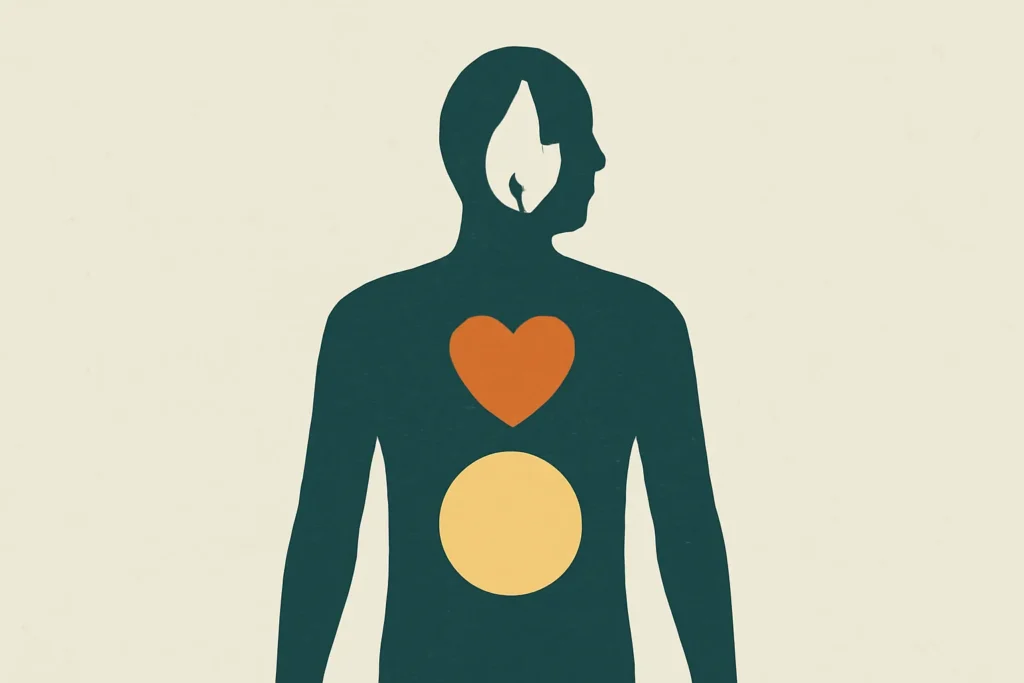
The body is the material, physical aspect of a person—observable, measurable, and essential for action in the world.
The soul is often associated with inward life—feelings, memories, character, values, and identity—how a person experiences themselves and others.
The spirit is frequently linked to meaning, purpose, connection to something larger than the self, and a sense of transcendence or motive force.
To begin, imagine the body as the vessel through which life is expressed; the soul as the inner weather—the thoughts, loves, hopes, and fears; and the spirit as the compass—the sense of belonging, purpose, and resonance with a larger story. This triadic approach helps explain why people care about health, values, and meaning in a way that neither materialism nor mysticism alone can fully capture.
Defining the Body: The Ground of Existence
Biological substrate
The body is the physical form composed of cells, organs, tissues, and biochemical processes. It is the substrate for sensation, movement, and interaction with the external environment. In scientific terms, the body is studied through anatomy, physiology, genetics, and neuroscience. Some important points include:
Structure and function: Bones, muscles, nerves, and organs work together to sustain life.
Homeostasis: The body maintains internal balance through regulatory systems like the nervous, endocrine, and immune systems.
Plasticity: The body changes in response to experience—training, injury, nutrition, and environmental factors.
Cultural and personal conceptions
Beyond biology, many cultures endow the body with symbolic meaning. How a society treats the body—through ritual, art, medicine, or fashion—reveals shared values about health, beauty, vulnerability, and power. Personal practice, too, shapes how we experience the body, from body awareness in mindfulness to habits that protect or stress the physical form.
Body in daily life: practical implications
In health, the body is the focal point for nutrition, exercise, sleep, and medical care.
In learning, bodily cues (posture, breath, proprioception) influence attention and memory.
In creativity, physical energy and sensory input can fuel or restrain imagination.
Defining the Soul: The Inner Landscape
Historical roots and evolving meanings
The notion of the soul has ancient roots in many traditions. Historically, the term has carried meanings such as life force, moral agency, and the seat of personality. In some traditions, the soul is considered immortal or separable from the body, while in others it denotes the essential, enduring self that persists through change. Over time, the concept has adopted psychological interpretations as well, increasingly focusing on inner experience rather than metaphysical permanence.
In modern psychology, the soul often maps onto the realm of inner life: consciousness, emotions, values, and identity. Some useful distinctions include:
Self-concept: The story we tell ourselves about who we are.
Emotional life: The repertoire of feelings that color perception and action.
Values and meaning: The principles and purposes that guide choices and commitments.
Relational and moral aspects
The soul is frequently described as relational: it comes alive in relationships, community, and the ethical space between beings. In many traditions, the soul is linked to conscience, compassion, and responsibility—how we choose to respond to others and to the world.
Exploring the Spirit: Meaning, Purpose, and Transcendence
Religious and mystical senses
Across faiths and spiritual paths, the spirit often refers to that dimension of life that seeks connection with the sacred, the eternal, or the transcendent. In these experiences, people may describe a sense of timelessness, awe, or the feeling that life is part of a larger story. Some common ideas include:
Transcendence: Moving beyond ordinary limits to touch something beyond oneself.
Ritual and devotion: Practices that cultivate connection to the sacred or ultimate concerns.
Guidance and purpose: A sense that life has direction grounded in values larger than personal convenience.
Secular spirituality and flow
Even outside traditional religion, the concept of the spirit can describe a sense of meaning, purpose, or peak experiences. Contemporary psychology speaks of "flow"—a state in which action and awareness align so completely that time seems to disappear. This is often described as a spiritual experience in non-religious terms: a sense of unity, clarity, and intrinsic motivation that transcends ordinary self-centered concerns.
Engagement with purpose: Identifying activities that feel meaningful can nourish the spirit.
Contemplation and awe: Practices that foster gratitude, wonder, and humility.
Ethical alignment: Living in a way that reflects deeply held values.
Interconnections: How the Body, Soul, and Spirit Interact
The triadic relationship in philosophy and life
Rather than treating the body, soul, and spirit as separate parts, many frameworks describe a dynamic interaction among them. For instance:
Physiological states influence emotional and spiritual experience: hormones and neural activity shape mood, motivation, and openness to transcendence.
Meaning and intention can regulate bodily processes: purposeful activity can improve health, resilience, and immune function.
Values and beliefs shape daily behavior: moral commitments guide habits that affect both physical well-being and inner life.
Examples from literature and culture
In many stories, the hero’s journey traces the interplay of these dimensions: the body carries the journey, the soul experiences trials and growth, and the spirit seeks a larger purpose or mission. Philosophical essays, poetry, and spiritual traditions often use metaphors—breath as life, light as truth, and seeds as potential—to illustrate how these dimensions meet and mature together.
In Western thought, the threefold model has ancient roots in Greek philosophy, Christian anthropology, and later secular psychology. Some classic patterns include body as the vessel for life; soul as the seat of agency, memory, and desire; and spirit as the source of inspiration and moral meaning. Over centuries, debates about whether these realms are separable or integrated have shaped medicine, education, and the arts.
Eastern and Indigenous views
Across Eastern philosophies, the boundary lines among physical, mental, and spiritual dimensions are often more fluid. For example, practices in yoga, Ayurveda, and traditional Chinese medicine seek to balance bodily health with mental clarity and spiritual harmony. Indigenous worldviews frequently teach that humanity is not separate from the land, ancestors, or community; the body participates in a larger, living network that includes soul and spirit.
Modern Approaches: Science, Psychology, and Spirituality
Neuroscience, embodied cognition, and the body-soul-spirit dialogue
Contemporary science emphasizes the interdependence of physical processes and subjective experience. Key ideas include:
Embodied cognition: mental processes are deeply rooted in the body's interactions with the environment; our thoughts and feelings are shaped by sensory and motor systems.
Neuroplasticity: experiences, including spiritual practices, can shape brain structure and function, influencing mood, attention, and resilience.
Psychosocial factors: relationships, culture, and meaning-making profoundly affect health and well-being.
Psycho-spiritual integration
Many therapeutic approaches today acknowledge how body, soul, and spirit interweave. Integrative therapies might combine mindfulness or meditation (nurturing the spirit and inner life) with physical activity and medical care (supporting the body). The aim is to help people live more fully by honoring all dimensions of their being.
Practical Guidance: How to Nurture All Three
Daily routines that honor the triad
Here are practical practices that can support a balanced development of body, soul, and spirit:
Body care: prioritize sleep, balanced nutrition, hydration, regular physical activity, and preventive healthcare.
Soul nourishment: cultivate meaningful relationships, engage in creative activities, reflect on values, and monitor emotional well-being.
Spirit nourishment: engage with something larger than yourself—whether through nature, community service, art, or contemplation—so that life feels purposeful.
Exercises and practices
Breath-centered mindfulness: a simple practice that can stabilize the nervous system and open space for inner reflection.
Journaling a values-based life: write about what matters most and how your daily actions align with these values.
Movement with intention: combine physical activity with awareness—notice how body sensations accompany mood and thought.
Gratitude and awe rituals: regularly acknowledge sources of meaning and beauty to cultivate a connected spirit.
Common Misconceptions and Clarifications
Misunderstandings about the triad can derail productive discussions. Here are some common myths clarified:
Body and soul are not always opposed; they can be partners in a healthy life, with the body enabling vibrant inner life and moral action.
The spirit is not necessarily linked only to religion; it can denote purpose, meaning, and a felt sense of belonging in a broader story.
To claim that one must “deny the body” to experience the soul or spirit is a false dichotomy. Many traditions teach that embodiment is the path to genuine inner life.
Weakening one dimension does not automatically strengthen another; the healthiest approach tends to be integration and care across all three.
Glossary: Variations and Related Terms
To help readers see the breadth of this topic, here are some related terms and variations that capture different angles of the body-soul-spirit explained framework:
Physical body, psychological self, and transcendent dimension as a tripartite model.
“Embodiment” describes how cognition and emotion are grounded in bodily states, linking body and soul.
“Vital force” or chi or prana as ancient language for life energy that connects body and spirit.
Concrete examples can illuminate how this triad functions in everyday life. Here are a few short scenarios that illustrate the practical application of a body, soul, and spirit framework:
A nurse manages stress by integrating mindful breathing (affecting the body) with reflective journaling about patient care (nurturing the soul) and a sense of calling (enriching the spirit).
A musician practices scales and rhythm (the body), explores themes of identity in songwriting (soul), and performs with a sense of purpose that resonates with audiences (spirit).
An athlete uses visualization and grounding techniques to regulate arousal (body), while aligning training with long-term goals and personal values (soul), and seeking a transcendent experience of flow or unity with teammates (spirit).
Conclusion: A Balanced View of the Body, Soul, and Spirit
In the end, the body, soul, and spirit provide a robust vocabulary for describing the human condition. This tripartite perspective invites us to treat health, meaning, and moral life as interconnected pursuits rather than isolated goals. By acknowledging the physical substrate, the inner life, and the sense of higher purpose, we create a holistic approach to living well. The body is not merely a vessel to be managed or suppressed; it is an active participant in the story of who we are becoming. The soul is not simply a repository of feelings to be analyzed; it is a living map of our values, motives, and relationships. And the spirit is not only an abstract ideal; it is a practical fountain of energy, resilience, and connection that helps us align action with what we most deeply care about.
As you reflect on the meanings of body, soul, and spirit, consider your own life as a continual practice of integration. Notice how physical sensations, inner experiences, and existential aims interact in daily moments—during work, rest, and interaction with others. The goal of body soul spirit explained is not to pick a single answer but to cultivate sensitivity to all three dimensions so that each informs and enriches the others. With this integrated view, you can foster greater energy, more authentic relationships, and a life that feels meaningful in a way that is practical, personal, and transformative.









Leave a Reply