Can You Be a Christian and Be Gay? A Compassionate Guide to Faith, Identity, and Community
Can You Be a Christian and Be Gay? A Compassionate Guide to Faith, Identity, and Community
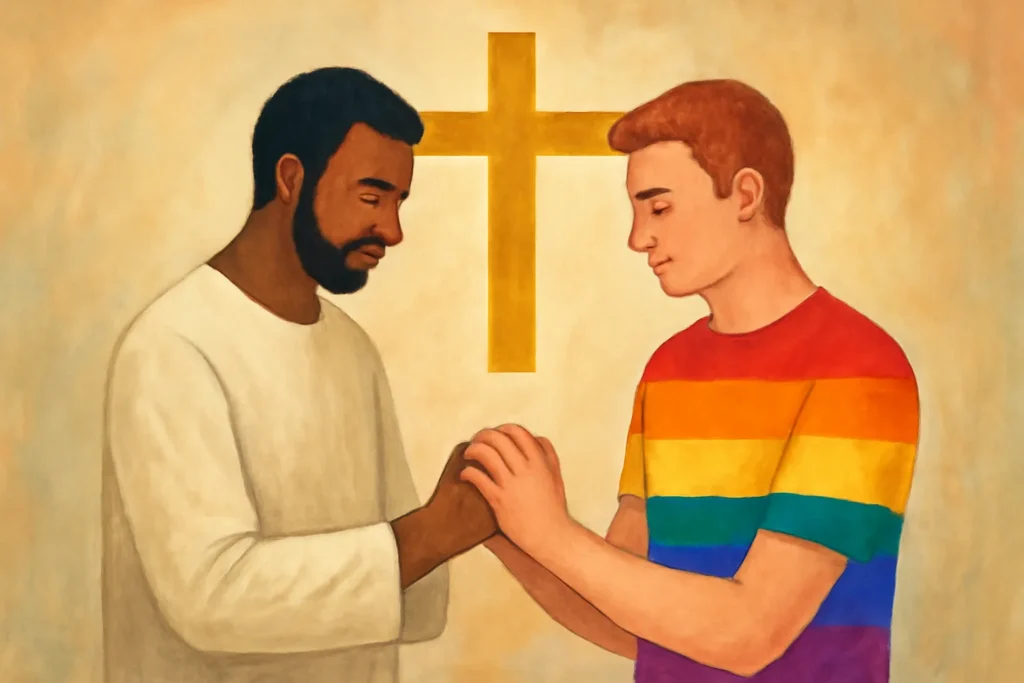
Can you be a Christian and be gay? This question has echoed in churches, classrooms, and living rooms for decades. The answer is not a single, simple yes or no, but a nuanced conversation about faith, sexuality, interpretation, and belonging. This article offers a compassionate guide to understanding how people reconcile Christian faith with gay identity, the range of Christian perspectives on the topic, and practical steps for finding faith communities that honor both spiritual conviction and authentic self-expression. The goal is not to prescribe a single path but to illuminate the diverse ways people live with integrity, love, and truth within a Christian framework.
Framing the Question: Can You Be a Christian and Be Gay?
At its core, the question invites two conversations that often intersect: what faith asks of a believer and what it means to live as a gay person in the modern world. For many, being a Christian means embracing a set of values centered on love, justice, mercy, and grace. For others, being gay is an essential part of one’s identity, including romantic and sexual orientation. When these two intentions meet, people ask: Can the Christian life accommodate a gay identity without sacrificing fidelity to Jesus? The way communities answer depends on how they read sacred texts, how they understand human sexuality, and how they envision the church as a place of welcome or correction. In this guide, we will explore the spectrum of answers and offer pathways for nurture and belonging, even amid difference.
What Does It Mean to Be a Christian and Gay?
Being Christian is about following Jesus, practicing love, and seeking to live in ways that reflect mercy, truth, and intention toward God and neighbor. Being gay refers to a sexual orientation—the enduring pattern of emotional, romantic, and physical attraction toward people of the same gender. When someone holds both identities, several core questions emerge: How does one interpret scripture?What model of community is most faithful?How can one live with integrity in a church that may or may not affirm their sexual orientation?
There is no universal verdict that applies to every Christian or every church. Some people experience full affirmation—where their orientation and their marriage or intimate relationships are welcomed within their faith community. Others experience a path of celibacy or faithful singleness as a respectful, prayerful compromise within their tradition. And many fall somewhere in between, negotiating boundaries, friendships, and leadership roles as they seek to honor both their faith and their identity. In all cases, the journey is personal, often long, and deeply shaped by community, mentorship, and spiritual practice.
Different Christian Perspectives on LGBTQ+ Identities
Across the Christian landscape, congregations and denominations hold a broad range of beliefs about LGBTQ+ identities. This diversity reflects differences in theology, hermeneutics, tradition, and experience. Below are some of the major strands, with attention to both limitations and possibilities for belonging.
Traditional and Conservative Traditions
Many traditional or conservative communities teach that heterosexual relationships are the divinely ordained norm for sexual activity, and that sexual intimacy should occur within heterosexual marriage. In this frame, some interpret scripture as prohibiting homosexual acts, while others distinguish between same-sex orientation (not chosen) and same-sex behavior (a variable area of moral deliberation). For people who identify as gay, these communities may emphasize celibacy as the path consistent with their understanding of biblical ethics, or they may urge exploration of conversion-era approaches. In these contexts, pastoral care often centers on compassion, boundaries, and moral formation, but full institutional affirmation may be limited or conditional. The reality for many is a sense of tension between personal identity and the doctrinal framework of the community.
Authority of scripture as primary in moral discernment
Emphasis on sin, repentance, and holiness in relation to sexuality
Expectations of chastity or heterosexual marriage as the standard for sexual expression
Pastoral care focused on support, accountability, and truth-telling
Progressive and Inclusive Churches
Many churches and denominations today affirm LGBTQ+ identities and seek to practice hospitality, equity, and justice. In these communities, gay Christians can marry, have leadership roles, and participate fully in sacraments (where sacramental practices are central). They often emphasize grace, inclusion, and relational truth over moral policing, and they read scripture through lenses such as love as the defining criterion for Christian living and the authority of Jesus' ethic of compassion. For these communities, a gay person can be both deeply faithful and fully integrated into church life without having to hide or deny their orientation.
Key features of this perspective include:
Queer-affirming theology and flexible hermeneutics
Support for marriage equality and LGBTQ+ leadership within church structures
Robust pastoral care that affirms identity as a gift rather than a burden
Commitment to anti-discrimination and social justice as integral to faith
Historic Catholic and Orthodox Approaches
The Catholic and Orthodox traditions bring deep wisdom about sacraments, community, and spiritual formation, while also wrestling with modern questions about sexuality. In many Catholic circles, the official position distinguishes between inherent orientation and acts, teaching that homosexual acts are disordered but that individuals with same-sex attractions should be treated with dignity and offered pastoral accompaniment. Some Catholic groups advocate for greater inclusion, while others maintain more traditional boundaries. In Orthodox contexts, the emphasis often centers on ascetic discipline, pastoral care, and community norms that can limit full acceptance of same-sex relationships, though there are diverse voices within different national churches. In all cases, many LGBTQ+ Catholics and Orthodox believers seek a faith life that honors both their relationship to God and their identity, sometimes by finding or forming communities that balance doctrinal fidelity with compassionate welcome.
Important considerations in Catholic and Orthodox settings include:
Pastoral care and spiritual direction that respect the person
Distinctions between orientation and behavior in moral teaching
Conversations about marriage, blessing, and family life within the tradition
Creation of safe spaces for LGBTQ+ believers in parishes, schools, and ministries
How Scripture is Read and Interpreted
One of the central sources of disagreement or consensus in Christian communities is how scripture should be read. Readers bring different hermeneutical tools, life experiences, and interpretive traditions to the text. Several common approaches shape this conversation:
Literal or traditional readings that emphasize specific prohibitions or prescriptions in biblical passages.
Historical-cultural readings that seek to understand the ancient context, norms, and language in which the texts were written.
Canonical or Christ-centered readings that prioritize Jesus’ teachings on love, mercy, and justice as the primary hermeneutical key.
Progressive or liberation readings that highlight inclusion, human dignity, and the pursuit of equity as essential to the gospel.
Key questions that shape interpretation include:
What is the genre and historical context of the passages often cited in debates about sexuality?
Do the texts address identity, orientation, or behavior in ways that are transferable to contemporary life?
How do the broader biblical witness and Jesus’ example of love and mercy inform our stance?
How does a community balance truth-telling, accountability, and inclusion for all members?
Many scholars, pastors, and laypeople encourage reading with a focus on pastoral sensitivity and justice oriented faith. They argue that a faithful Christian reading of scripture must take into account the wellbeing, dignity, and flourishing of LGBTQ+ individuals, especially in the context of lifelong discipleship. Others insist that scriptural fidelity requires a more conservative stance, guiding communities toward celibacy or heterosexual marriage. The spectrum demonstrates that interpretation is not monolithic, and that there is room for thoughtful conviction alongside gracious hospitality.
Identity and community are not separate from faith but are deeply entwined with it. For LGBTQ+ Christians, the journey often involves reconciling personal identity with a shared faith story, and finding or creating spaces where belonging, worship, and service can coexist with integrity.
Important facets of this experience include:
Belonging and acceptance within a faith community without having to conceal who you are
Experiences of shame and stigma in some settings, and how to cope with them in healthy ways
Access to pastoral care that affirms identity while guiding spiritual growth
Opportunities for leadership and service in churches that value diverse voices
For caregivers, family members, and friends, a Christian approach to a gay loved one often emphasizes unconditional love, patient listening, and shared spiritual practices. When communities model grace and truth together, they create spaces where trust can grow, questions can be asked, and faith can deepen without requiring concealment. For many, the question shifts from whether a gay identity can exist within Christianity to how a person can live out a meaningful Christian life in a supportive and honest community.
Practical Steps for Individuals
If you are navigating faith and sexuality, the following practical steps can help you move toward a life of integrity, love, and spiritual growth. These steps are not a mandate but a thoughtful menu of options for personal discernment.
Assess your values and needs: Consider what matters most to you in a faith community—worship style, doctrinal clarity, pastoral care, inclusion, or social justice. Clarify what kind of environment supports your spiritual growth.
Explore diverse communities: Attend services or join study groups in both traditional and affirming settings to understand how different churches handle LGBTQ+ inclusion.
Ask compassionate questions of pastors or leaders about their stance, practices, and the kinds of accountability or support they provide.
Seek inclusive pastoral care: Look for mentors, counselors, or spiritual directors who are trained to address sexuality in a faith-context with care and respect.
Prioritize safety and well-being: If you’ve faced rejection or harm, consider focusing on environments that protect your emotional and physical safety while you explore deeper faith commitments.
Practice spiritual disciplines: Prayer, meditation, scripture study, and communal worship can ground you in grace, regardless of doctrinal debates.
Build chosen family and community: Create or join LGBTQ+-affirming circles, study groups, or support networks that share your values and faith commitments.
In all steps, honesty, humility, and courage play crucial roles. You are not required to resolve every theological question immediately; many people move through the process layer by layer, gradually clarifying how to live out their faith in alignment with their identity.
Finding a faith community that feels like home is less about labels and more about lived experience. Consider these practical approaches to locating spaces that align with your faith and identity:
Research publicly stated beliefs and mission statements about LGBTQ+ inclusion and marriage policy.
Visit multiple communities before deciding where to invest time and energy.
Observe the culture—how are LGBTQ+ people welcomed in prayer, teaching, and leadership?
Talk with LGBTQ+ members about their experiences within the church and the level of safety and affirmation they feel.
Consider non-traditional spaces—church plant meetings, campus ministries, or small groups that explicitly practice hospitality toward LGBTQ+ believers.
Remember that a welcoming community is not perfect; every church has blind spots and room to grow. The goal is to find a community that actively pursues justice, kindness, and truth while offering a place to worship and grow with others who value you as a whole person.
There are many organizations, churches, and programs dedicated to helping people explore faith and sexuality in constructive, supportive ways. Some of these resources focus on theological reflection, others on pastoral care or community building. Here are several kinds of resources you might explore:
Affirming Christian communities that welcome LGBTQ+ people in leadership and marriage.
Pastoral care networks that offer counseling, spiritual direction, and guidance for LGBTQ+ believers and their families.
Online forums and study groups where LGBTQ+ Christians discuss scripture, theology, and life in community.
Educational materials that provide honest, respectful discussions about sexuality and faith from multiple perspectives.
Local congregations that have explicit policies of inclusion, endorsing both traditional faith and contemporary understandings of sexuality.
Representative organizations and directions to explore include:
Q Christian Fellowship (formerly Gay Christian Network) – a network that supports LGBTQ+ Christians and their allies with resources, community, and dialogue.
DignityUSA – a national Catholic organization focused on LGBTQ+ inclusion, liturgy, and advocacy within the Catholic tradition.
Affirming Ministries and inclusive denominations within various Christian traditions, which publish statements of welcome and provide local church directories.
Local pastoral counseling with counselors who specialize in LGBTQ+ issues and spiritual integration.
In addition to formal organizations, consider pastoral conversations with leaders who model humility, empathy, and a commitment to learning. Many people find it helpful to read widely, engage in reflective prayer, and participate in faith formation programs that address sexuality with care and nuance.
Conclusion: A Path Toward Integrity, Belonging, and Love
The question “Can you be a Christian and be gay?” invites a larger reflection on what it means to follow Christ in a world of diverse experiences and beliefs. The Christian tradition, across its many streams, holds a powerful conviction: love your neighbor as yourself. For many LGBTQ+ believers, this foundational call becomes a compass for choosing communities that honor both faith and identity. For others, the path involves discernment in stewardship, singleness, or committed, covenant relationships that align with their understanding of God’s design and grace.
Ultimately, a compassionate Christian approach to sexuality is less about policing behavior and more about nurturing relationships rooted in truth, trust, and tender care. It is about creating faith communities where people can bring their whole selves to God—body, soul, and identity—and be met with welcome, challenge, accountability, and joy. The journey is personal and communal in equal measure, demanding patience, courage, and ongoing conversation.
If you are searching for a path that honors both your faith and your identity, remember these guiding ideas:
Grace and truth can coexist in a church’s life and leadership.
Identity and faith are not necessarily mutually exclusive; they can inform and enrich one another.
Community matters—where you worship shapes how you understand God, yourself, and your call to love others.
Discernment is ongoing—there is no single moment when all questions are answered; you advance through reflection, prayer, mentorship, and shared experience.
As you navigate this journey, you may encounter both welcome and challenge. Hold fast to your core convictions, seek communities that reflect the benevolent heart of Christ, and lean into practices that nurture your spiritual life. In the end, the questions you ask are not just about doctrine but about life—how to live with integrity, how to love generously, and how to belong in a faith that calls you to beautiful, transformative horizons.









Leave a Reply