Foundations: Faith as the Starting Point for Recovery
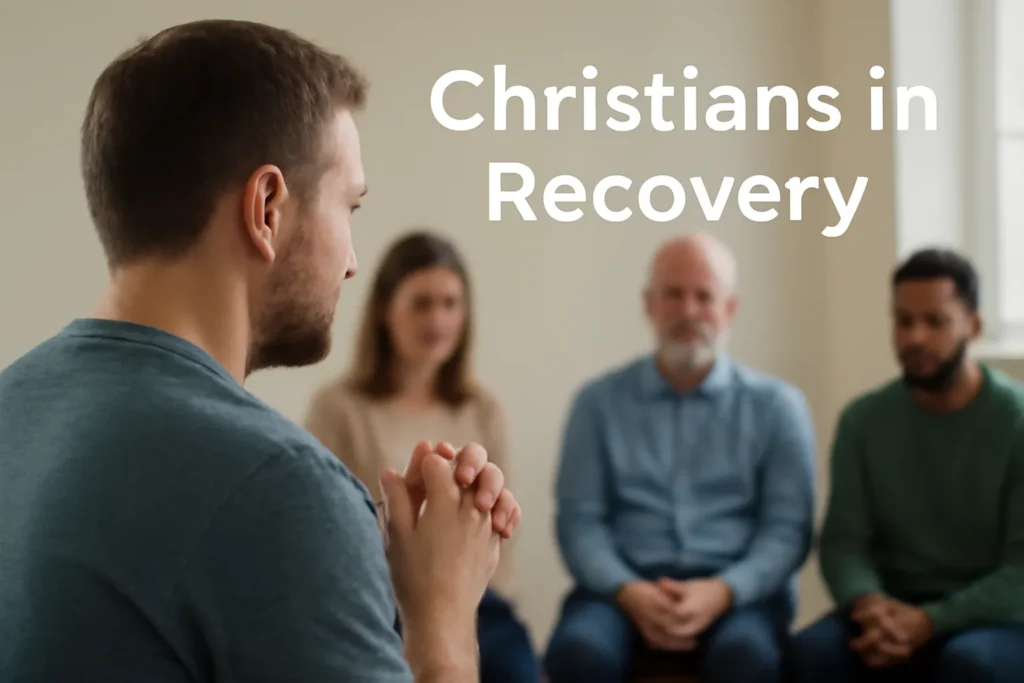
For many people, the journey of recovery begins with a deep, personal conviction that life can be transformed through
faith. Christians in recovery often describe recovery as a holistic process that integrates body, mind, and spirit.
This integration is not a quick fix but a long-term alignment of daily choices with a sense of purpose grounded in
God’s love, grace, and the teachings of Jesus. In Christian communities, the conviction is that sin and brokenness are real,
yet so is the possibility of restoration through divine mercy and communal accountability. When the heart is
oriented toward a higher good, individuals find motivation not only to abstain from harmful patterns but to grow
toward wholeness in every dimension of life.
The language of recovery within Christian communities often centers on restoration, renewal, and stewardship.
Individuals in Christian recovery are encouraged to view themselves as beloved children of God who are invited to live
into healthier habits, truthful relationships, and purposeful service. This perspective helps to frame abstinence or symptom
reduction as a pathway to greater freedom rather than a mere prohibition. As a result, the early stages of recovery can be
a time of immense spiritual formation, where the question shifts from “how can I stop this behavior?” to “how can I live a life
that reflects the love of Christ more fully?”
Spiritual Disciplines and Practices
Central to the Christian approach to recovery are spiritual disciplines—structured practices that ground daily living
in prayer, Scripture, worship, and accountability. These disciplines help maintain focus on healing, cultivate resilience,
and nurture a sense of discipline that supports sustainable change. For many Christians in recovery, these practices become
the rhythm of everyday life.
Prayer, Scripture, and Worship
Prayer is often described as ongoing conversation with God—honest, open, and persevering. For someone in recovery,
regular prayer can provide a sense of companionship in vulnerability, a framework for confession, and a source of courage
to face difficult days. Reading Scripture offers guidance, counteracts cynicism, and reminds believers of God’s promises.
Worship experiences, whether communal or personal, reinforce the sense that life is larger than individual struggle and that
healing is part of God’s redemptive work in the world.
Accountability, Community, and Confession
Accountability is a widely valued aspect of Christian recovery circles. Believers often join
small groups or mentoring relationships where they can share struggles, celebrate victories, and receive encouragement.
Confession—whether explicit verbal confession in a trusted setting or a more contemplative practice of naming hurts before God—
plays a role in reducing secrecy, which is frequently a barrier to healing. Hearing another person’s vulnerability
can normalize one’s own pain and open doors to practical support, prayer, and practical steps toward healthier patterns.
Fasting, Silence, and Sabbath
Some in the Christian recovery community practice fasting or periods of intentional silence to recalibrate the nervous system,
reduce impulsivity, and focus attention on God. Sabbath observance—intentionally resting from regular work and activities—
provides space for renewal, reflection, and the redirection of energy toward relationships, service, and self-care.
Theological Perspectives on Suffering and Restoration
A robust understanding of suffering and restoration is essential for faith-informed recovery. The Christian tradition
offers a language for naming pain, examining the sources of brokenness, and locating healing within God’s redemptive plan.
The belief that God is present in suffering, not distant from it, gives Christians in recovery a resource beyond human strength:
a divine companionship that sustains hope even during long stretches of difficulty.
God’s love as the bedrock of identity, not external performance. Understanding that God’s love does not depend on
achievement helps reduce self-criticism and invites a more compassionate self-narrative.
Grace before effort: Recovery is not earned by willpower alone; it is sustained by grace experienced through
community, prayer, and spiritual practice.
Transformation as a lifelong process: Healing is not a single event but a continuing journey toward
wholeness, that includes repentance, forgiveness, and renewal of relationships.
Within this framework, Christians in recovery are encouraged to interpret setbacks not as failures that condemn, but as opportunities
to return to support networks, recalibrate coping strategies, and lean more fully into God’s guidance. The theological emphasis on
hope, reconciliation, and renewal provides a resilient narrative that helps sustain people through the inevitable ups and downs of
the recovery process.
Community and Church as Support Systems
Church communities have long served as vital scaffolding for people seeking recovery. A welcoming parish, a compassionate pastor,
or a nearby recovery ministry can offer not only spiritual nourishment but practical resources, mentorship, and social connection.
When churches actively create spaces for healing, they transform from venues of assembly into hubs of practical compassion and
lasting transformation.
Pastoral Care and Counseling
Pastoral care in Christian recovery contexts often includes one-on-one counsel, crisis support, and guidance through
spiritual disciplines. Trained pastors, spiritual directors, and lay mentors can assist individuals in navigating triggers,
identifying high-risk situations, and building a sustainable relapse-prevention plan grounded in faith and accountability.
Recovery-Oriented Ministries and Programs
Many churches host or sponsor recovery groups that align with Christian beliefs without compromising the integrity of the program. Faith-based recovery ministries can blend Scripture study, testimony, and mutual care with evidence-based approaches to
addiction and mental health. Examples include:
Christ-centered 12-step groups that incorporate prayer and biblical reflections
Small, accountable accountability partnerships that meet weekly
Mentoring programs pairing novices with seasoned believers who have walked a recovery path
Family and caregiver support circles to address relational dynamics impacted by substance use or compulsive behaviors
Churches also provide practical support, such as transportation to meetings, child care during group sessions, and sober-friendly
social events that help maintain a community atmosphere. For many Christians in recovery, sustained engagement with a church’s
life—during joys and difficulties—strengthens the sense of belonging and purpose that underpins long-term sobriety.
Recovery Programs with a Christian Lens
Beyond individual church groups, there are formal programs that specifically integrate Christian spirituality with structured recovery
methodologies. These programs aim to address the whole person—spiritual, emotional, mental, and physical—while acknowledging
the complexities of addiction, trauma, and mental health. Participants in Christian recovery programs often report that the integration
of faith helps sustain motivation, cultivates accountability, and deepens a sense of meaning.
Celebrate Recovery (a well-known Christian recovery program) emphasizes the seven principles grounded in biblical wisdom and
the 12 steps. It focuses on recovery from hurts, hang-ups, and habits through Christ-centered support.
Christian-based 12-step adaptations that reframe each step with scriptural reflections, prayer practices, and church-based
accountability.
Church-initiated support groups focusing on specific issues (for example, alcohol misuse, drug addiction, pornography, or gambling) with a
spiritual emphasis and trained facilitators.
It is important to note that Christian recovery programs vary in structure and emphasis. Some prioritize a more traditional 12-step
framework; others lean into contemporary spiritual practices, biblical literacy, and holistic care. For many Christians in recovery,
the key ingredients are clear boundaries, transparent sharing, and consistent spiritual formation.
Across the spectrum of Christian recovery, personal testimonies highlight the diverse paths that believers take toward healing.
Although each story is unique, several common themes recur: the importance of community, the centrality of grace, and the
sustained practice of faith in daily life.
One believer describes stumbling into a church recovery group after years of hiding a painful pattern. Through honest sharing,
they encountered compassionate accountability and rediscovered the joy of worship. The person notes that recovery shifted from
a fear-based attempt to quit into a life oriented toward love, service, and forgiveness. Another Christian in recovery emphasizes
how Scripture offered both a critique of destructive behavior and a roadmap for healthier living, including the cultivation of
patience, gratitude, and service to others in need.
Families of Christians in recovery also tell meaningful stories. Spouses, parents, and siblings often participate in support groups,
learning new communication styles, setting healthy boundaries, and embracing a shared faith that anchors hope during challenging seasons.
The relational dimension of Christian recovery—reconciliation with loved ones—emerges as a powerful catalyst for enduring change.
Addressing Challenges and Boundaries
No recovery journey occurs without obstacles. For Christians in recovery, particular challenges may require thoughtful,
faith-informed strategies to maintain progress without compromising safety or integrity.
Co-occurring conditions: Mental health concerns, trauma, or chronic pain can complicate recovery. Integrated care
that respects both spiritual needs and clinical treatment is essential. Churches can partner with mental health professionals to
ensure appropriate care plans while preserving a faith-informed approach.
Stigma and shame: Some believers internalize stigma surrounding addiction. Normalizing recovery as a journey of growth
and inviting non-judgmental support can reduce shame and encourage ongoing participation in recovery activities.
Relapse as a teaching moment: Relapse is not uncommon in recovery. In Christian communities, it can be reframed as a signal
to lean more fully on grace, revisit coping strategies, and renew commitments with the help of trusted accountability partners.
Boundaries in spiritual leadership: While pastors and mentors provide guidance, healthy boundaries are crucial to prevent
dynamics that resemble control rather than care. Reputable recovery programs emphasize safety, consent, and mutual respect.
Holistic Healing: Body, Mind, and Spirit
Christian recovery emphasizes holistic healing rather than a purely behavioral change. This approach recognizes that physical health,
mental well-being, relational harmony, and spiritual life are deeply interconnected. Strategies commonly promoted include:
Healthy living choices: Sleep, nutrition, physical activity, and stress management support sobriety and mood stability.
Mental health care: Access to counseling, therapy, and psychiatric care when needed helps address underlying issues that
contribute to addictive patterns.
Relational restoration: Rebuilding trust with family and friends, practicing honest communication, and participating in
community service can create a reinforcing ecosystem for sustained recovery.
Vocational and educational opportunities: Purposeful work and ongoing learning improve self-esteem and reduce the
likelihood of relapse by providing meaning and structure.
Community Practices and Inclusive Approaches
A growing emphasis in Christian recovery is inclusive, compassionate engagement with people from diverse backgrounds. This involves
recognizing how social determinants—poverty, discrimination, and access to care—shape recovery outcomes. Inclusive Christian recovery
communities strive to welcome people regardless of race, gender identity, sexual orientation, or past mistakes, while remaining
faithful to shared values around dignity, service, and accountability.
Building inclusive spaces also involves training leaders and volunteers to be culturally competent, trauma-informed, and mindful of
the needs of marginalized groups. When churches and recovery ministries model openness and respect, they reflect the breadth of
God’s creation and extend healing to a wider circle of people who seek renewal.
Practical Guides: How to Start or Strengthen a Christian Recovery Path
For individuals seeking recovery or for families seeking to support a loved one, practical steps can help initiate a durable
and meaningful process grounded in Christian faith.
Identify supportive communities: Look for local churches with recovery ministries, faith-based support groups,
or partnerships with addiction and mental health professionals. Online resources can also connect you with nearby options.
Engage in spiritual formation: Establish regular practices such as daily prayer, Scripture reading, journaling, and
worship that anchor your days in divine grace.
Develop a relapse-prevention plan: Work with trusted mentors or counselors to identify triggers, coping strategies,
and safe people to contact during high-risk moments.
Seek professional care as needed: Do not hesitate to pursue medical or therapeutic treatment when required. Christian recovery
does not exclude professional help; it affirms the value of wisdom, science, and compassionate care as gifts from God.
Engage in service and accountability: Volunteering, mentoring others, or participating in peer-support relationships fosters
a sense of purpose and reinforces healthier habits through reciprocal care.
Care for the caregiver: Caregivers, spouses, and families also need support. Attending family-oriented groups or counseling
can provide essential tools and emotional resilience for the whole household.
Impact: Healing as a Holistic and Ongoing Process
The outcomes of Christian recovery extend beyond abstinence or symptom reduction. For many believers in recovery, the process
yields deeper purposeful living, stronger relationships, and a transformed relationship with God, self, and community.
Healing becomes a pathway to service—using one’s experiences to help others, advocate for justice, and contribute to vulnerable
populations. In this sense, recovery functions not only as a personal transition but as a public witness to hope and
renewal.
The journey often includes seasons of testing—times when old patterns resurface or when life presents new stressors. The faithful,
however, frequently discover a more resilient faith community that stands with them, offering prayer, practical help, and honest
companionship. Over time, Christians in recovery may describe their lives as a tapestry of grace-filled moments: recovery milestones,
learned wisdom, and relationships that reflect the heart of the Gospel.
A wealth of resources exists for individuals pursuing recovery within a Christian framework. Access to books, study guides, online
communities, and local ministries can empower people to grow in faith while healing from addictive or compulsive behaviors.
Local churches and denominations: Many maintain dedicated recovery ministries or partnerships with community organizations.
Recovery ministries and faith-based counseling services that integrate spiritual teachings with evidence-based approaches.
Online communities offering forums, tele-support groups, and virtual meetings that connect believers across geographic boundaries.
Literature and study guides: Biblical reflections on healing, grace, and transformation; guides that address specific struggles in a faithful context.
When seeking resources, Christians in recovery should consider alignment with core values such as dignity, grace, accountability, and service.
It can be helpful to ask mentors or pastoral leaders for recommendations, and to evaluate programs for safety, inclusivity, and evidence-based
practices. A well-chosen resource network can sustain momentum and reinforce the belief that God’s provision includes community care.
For those who identify as followers of Christ in recovery, the path ahead is marked by hope, patience, and sustained friendship.
It is common to experience moments of gratitude for progress, interlaced with reminders of the work still to be done. The Christian faith
tradition teaches that healing is not merely avoiding harm but cultivating a radiant life characterized by love for God and neighbor.
The interplay between faith, healing, and support creates a resilient ecosystem. When churches, families, mentors, and peers collaborate
with tenderness and perseverance, a landscape of recovery emerges that is:
Relational—built on trust, confession, and faithful companionship.
Spiritual—anchored in prayer, Scripture, and worship that sustain hope through trials.
Practical—grounded in routines, boundaries, and service that reinforce healthier habits.
Empowering—focused on growth, vocation, and the capacity to help others in need.
In embracing these dimensions, Christian recoveries communities model a faith that embodies compassion, responsibility, and
transformation. The aim is not only personal relief but a shared witness to restoration—an invitation to the world to glimpse
the possibilities of life renewed by God’s grace.






Leave a Reply