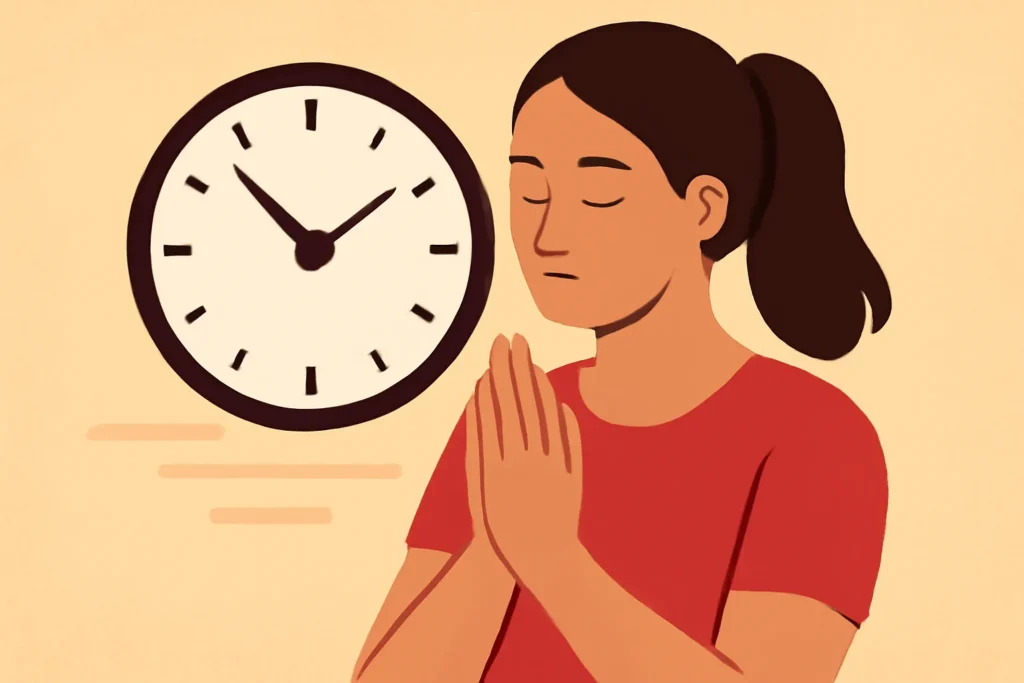
In many spiritual traditions, fasting and prayer are not isolated acts but integrated disciplines that shape character, awaken conscience, and deepen intimacy with the divine. This article, Fast and Praying: A Practical Guide to Spiritual Growth Through Fasting and Prayer, offers a practical framework for approaching this ancient pairing with clarity, compassion, and discernment. Whether you are exploring a brief spiritual fast or a longer period of abstaining from certain foods or activities, the goal is not mere deprivation but heightened awareness and transformed action. By treating fasting as a pathway to prayer rather than a test of willpower, you invite a rhythm that can realign priorities, sharpen moral perception, and cultivate what many traditions call a “soft heart” toward others.
This guide emphasizes practical steps, healthy habits, and spiritual reflection that helps you engage with fasting and prayer in a sustainable way. It is designed for individuals, families, and small groups who want to explore a shared discipline while honoring personal needs and medical realities. Throughout, you’ll encounter different forms of self-denial, formats for prayer, and strategies to turn the experience into meaningful growth. The language used here underscores that the purpose of fast and praying is not punishment but invitation: an invitation to listen more deeply, love more vividly, and act more justly in daily life.
The foundations: understanding fasting and its relationship to prayer
What is fasting?
Fasting is the voluntary abstention from certain foods, drinks, or activities for a specified period as a spiritual practice. It is not primarily about hunger but about shifting attention from the ordinary demands of life toward the presence of the sacred. In its broadest sense, fasting can be understood as self-denial in service of spiritual goals, a deliberate ceasing or limiting of something that competes with clarity, devotion, or compassion.
There are many manifestations of fasting, ranging from literal food abstinence to the refraining from entertainment, media, or other pleasures. What remains constant across these variations is the intention: to create space for prayer, repentance, gratitude, and listening. In this sense, fasting is a spiritual instrument that disciplines the body to become more attentive to the soul’s longings.
The relationship between fasting and prayer
Prayer without fasting can become a steady stream of requests without recognizing deeper needs; fasting without prayer can become a discipline without direction. The combination, however, tends to produce moral clarity, stronger resolve, and a tenderness toward others. When a fast reduces distractions, the heart naturally turns toward worship, petition, and confession.
Praying during a fast often takes on new textures: contemplative silence, scriptural meditation, and fervent intercession for others. The practice invites humility, gratitude, and an awareness of dependence on something larger than the self. Over time, the repeated pairing—fasting and prayer—forms a rhythm that can influence choices, speech, and acts of service long after the fast ends.
Types of fasting: choosing a path that fits your context
Partial fasting (abstaining from certain meals or foods)
A common approach is to skip one or two meals a day or to restrict certain categories of food (for example, sweets or meat) while continuing to eat moderately other times. This form of partial fasting is accessible for beginners and sustainable over longer periods. It also leaves space for intense prayer and study during the day.
Intermittent fasting paired with prayer
Some practitioners adopt a schedule like fasting during daylight hours or for specific days of the week. The aim is not to repurpose nutrition into a punishment but to invite the soul into a more deliberate posture. When used with a focused prayer routine, intermittent fasting can become a powerful feedback loop: less food-related distraction leads to more time and energy for contemplation and intercession.
A full fast may involve abstaining from all food for a defined period. Some traditions permit water or fluids only. Full fasting is more intense and should be approached with caution, especially for those with medical conditions, pregnancy, or high-stress circumstances. If you choose a full fast, it may be wise to limit duration and to prepare with lighter meals beforehand and between fasts, so the transition is gradual.
Daniel fast and other biblically informed fasts
The Daniel fast is a popular model among Christians that emphasizes vegetables, fruits, and grains, with no animal products or processed foods. This approach emphasizes simplicity and space for prayer and scripture study. It can be adapted in non-Christian contexts as a symbolic period of sustenance reduction and heightened spiritual focus.
Corporate and communal fasting
Fasting can be a group enterprise as well as an individual practice. When many people commit to fasting for a shared intention—such as peace, justice, or healing—the discipline often takes on a corporate energy. The prayers offered during a communal fast can generate solidarity, accountability, and collective courage.
Preparing to fast: spiritual and practical groundwork
Clarify your intention
Begin with a clear purpose for this period. Ask questions like: What is the outcome I seek? Which habits need reformation? What kind of transformation do I hope to witness in my relationships, work, and community? Writing down your objectives helps you stay focused when challenges arise. Throughout the journey, revisit and refine your aims.
Set a realistic duration and boundaries
Decide how long you will fast (12 hours, 24 hours, a weekend, a week, or longer) and what you will abstain from (foods, beverages, or activities). Realistic expectations reduce the risk of burnout and disappointment. It’s often wise to start with a shorter period and extend if you feel ready, rather than leaping into a lengthy fast that you struggle to complete.
Plan ahead: meals, hydration, and support
Plan your meals before and after the fast so you do not feel overwhelmed by the pause. Hydration becomes essential, and you may want to pool strategies for managing hunger with prayer breaks. If you are participating in a group, arrange accountability partners or a check-in schedule to encourage perseverance and mutual care.
Prepare your environment
Create spaces that nurture contemplation: a quiet corner for prayer, a timetable for study, and a routine for rest. Minimize distractions and set aside times when you will deliberately approach God, reflect on Scripture, or listen for guidance. A well-prepared environment increases the likelihood that the practice will be meaningful rather than burdensome.
Praying practices during fasting: turning intention into action
Daily personal prayer routines
A consistent daily rhythm helps you align body, mind, and spirit. During a fast, you can adopt a simple framework such asMorning reflection, midday intercession, and evening gratitude. The exact cadence is less important than regularity and sincerity. Integrating scripture reading, silence, and ausal confession strengthens the practice and deepens your sense of accountability before God.
Let contemplation be a core component of your practice. Read a brief passage, then sit in quiet for several minutes, asking what the text is asking you to understand and how it applies to your life. This form of listening prayer invites God to reveal needs you might not articulate aloud.
Journaling as a spiritual tool
Maintain a journal to capture insights, prayers, and the outcomes you observe during the fast. Writing helps you track growth, notice patterns, and return to themes that recur across days. You can use prompts such as “Where did I notice pride, fear, or complaint?” or “What is the practice of love I am called to today?”
Intercession for others and social concerns
A key aspect of prayer with fasting is intercession. Your fast becomes not only about your own needs but also about the well-being of neighbors, communities, and vulnerable populations. Create a rotating list of concerns and dedicate a portion of your prayer time to lifting up others by name and situation.
Fasting in community: shared practices and accountability
When fasting is done with others, you gain encouragement and accountability. You can share a brief check-in, pray together, or distribute readings that reinforce your shared intention. Practice discernment about how much you share publicly; maintain confidentiality and cultivate an environment of grace.
Daily rhythms during a fast: turning theory into life
A well-structured day helps you maximize the benefit of the practice. The following routine is a flexible template you can adapt to your schedule:
Morning: brief prayer, Scripture meditation, and a light mindfulness exercise to set intention for the day.
Midday: a short moment of reflection, gratitude, and a focused intercession or petition for a specific need.
Afternoon: a quiet pause for listening—what is this moment inviting me to notice or do?
Evening: repentance, appreciation for nourishment received, and a plan to act with greater compassion.
Sample daily framework
Adoration: praise and reverence for the divine presence in daily life.
Confession: honesty about flaws, excuses, and missed opportunities.
Supplication: specific requests for personal growth, family, and community needs.
Thanksgiving: gratitude for the day’s blessings, even in hardship.
Listening: a deliberate pause to hear what God might be saying through Scripture, nature, or silence.
Living out the results: after the fast, carry forward growth
The value of a period of abstaining from certain pleasures or nutrients is most evident after the fast ends. The mission is to integrate the insights gained into daily life, making small but meaningful changes that reflect a transformed heart. This can manifest as increased kindness, patient speech, generosity toward those in need, or a renewed commitment to ethical choices at work and at home. In other words, the impact of fasting and prayer should translate into concrete acts of love and justice.
Maintaining balance: physical health and spiritual vitality
While the spiritual purpose of fasting is primary, you should remain mindful of physical health. Adequate hydration, rest, and moderate activity support sustainability and bestow a sense of steadiness. If you are new to fasting, consider starting with shorter durations, ensuring you eat balanced meals before and after fasts, and listening to your body for signs of stress or dizziness. If any medical concerns arise, consult a clinician before continuing. The aim is spiritual vitality that does not become a hazard to health.
Hunger and fatigue: Acknowledge the signal, then redirect energy toward prayer or contemplation. Hydration and gentle activity can help.
Distraction and busyness: Create a concise daily prayer plan and schedule times for spiritual reading to keep your focus.
Spiritual dryness: Accept the phase as part of the journey; lean into listening and gratitude, even when feelings are muted.
Pressure to abort the fast: Revisit your intention and seek accountability from a trusted partner or mentor.
Safety and discernment: who should fast and when
Fasting is a powerful practice but not a universal remedy. Discretion and safety are essential. People with diabetes, pregnancy or lactation, chronic illness, elderly individuals, or anyone on medications should consult a healthcare professional before beginning any major fasting protocol. If you have concerns about blood sugar, blood pressure, or other conditions, choose a lighter form of fasting or a non-food-based practice (such as reducing screen time or entertainment) that still honors the intention of turning away from distractions toward God.
Ethical dimensions: fasting with justice in view
The practice of fasting is not simply about personal discipline; it can become a posture that questions consumerist culture, greed, and inequality. A meaningful fast often accompanies acts of service: donating meals, volunteering, or advocating for policies that help the vulnerable. When paired with prayer, fasting becomes a powerful catalyst for compassion-driven action and sustained commitment to the welfare of others.
Practical templates and examples you can adapt
Below are practical templates you can copy or adapt to your context. They blend the themes of fasting, prayer, and spiritual growth into concrete steps.
Two-day partial fast with daily prayer
Choose two consecutive days for partial fasting (for example, skip lunch both days).
Set a single prayer focus for each day (for example, “grace for family relationships” on Day 1; “wisdom for work integrity” on Day 2).
List three scripture passages to reflect on and memorize brief verses that resonate with your focus.
End each day with a brief gratitude prayer and an act of service (e.g., a phone call to a friend in need).
One-week Daniel-inspired fast with intercession emphasis
Morning reading: a chapter from a devotional or a short Bible study or other sacred text—adapted respectfully to your tradition.
Midday intercession: commit to praying for three groups or issues each day (family, community, global concerns).
Evening reflection: journal at least three insights about how serving others shaped your day.
Variations and breadth: cultural and religious contexts
Across traditions, the concept of fasting and prayer has many expressions. Some communities emphasize ascetic practices, while others emphasize feasting on wisdom and service after a period of abstinence. In Buddhist, Hindu, Muslim, Jewish, and Christian contexts, the core intention remains constant: to align focus, purify motives, and cultivate compassion. The language may differ, but the core practice remains a mutual invitation: to slow down, listen deeply, and respond with love.
Frequently asked questions about fast and praying
Is fasting necessary for spiritual growth? Not universally, but for many, it can catalyze growth, sharpen conscience, and deepen prayer. Alternatives exist, such as extended times of solitude, charitable acts, and disciplined study.
How long should a fast last? Start with a duration you can safely manage. Some people fast for 12–24 hours; others observe longer periods with medical guidance. The length should match your intention and health status.
What should I do about physical discomfort? Hydration, rest, and gentle activity help. If discomfort escalates, consider adjusting the fast or pausing and seeking spiritual counsel.
What if I miss a day? Return to your plan without guilt. Re-center quickly, resume your routine, and continue with renewed intention.
Conclusion: the enduring value of fasting and prayer
Fast and praying are not a one-time event but part of a larger rhythm of spiritual life. They invite you to a profound reconsideration of appetite, time, and attention. When practiced with intention, integrity, and care for health, the disciplines of fasting and prayer can unlock deeper levels of wisdom, mercy, and courage. The goal is not to prove something to God but to become more fully present to God’s guiding presence, to grow in integrity, and to serve others with renewed vigor and tenderness. By embracing a thoughtful, flexible, and compassionate approach to both fasting and prayer, you create a pathway for ongoing spiritual growth that honors both body and soul.
If you are beginning now, start small, stay honest about your limits, and seek community or mentorship to sustain you. Remember that the most important outcomes of this practice are inner transformation and outward acts of love—reflections of a life shaped by the disciplines of fasting and prayer.
Appendix: quick reference and reminders
Intentionality matters more than the length of the fast.
Health first: consult a professional if you have medical concerns.
Consistency beats intensity when building long-term habit.
Community matters: support can sustain your commitment.
This guide intentionally provides a flexible framework. You can mix and match the types of fasting, tailor the length, and adjust the prayer routines to fit your life, season, and tradition. The essential idea remains: fasting is a doorway into deeper prayer, and through that doorway, you may find not only greater spiritual growth but also a more generous, engaged, and compassionate life.










Leave a Reply