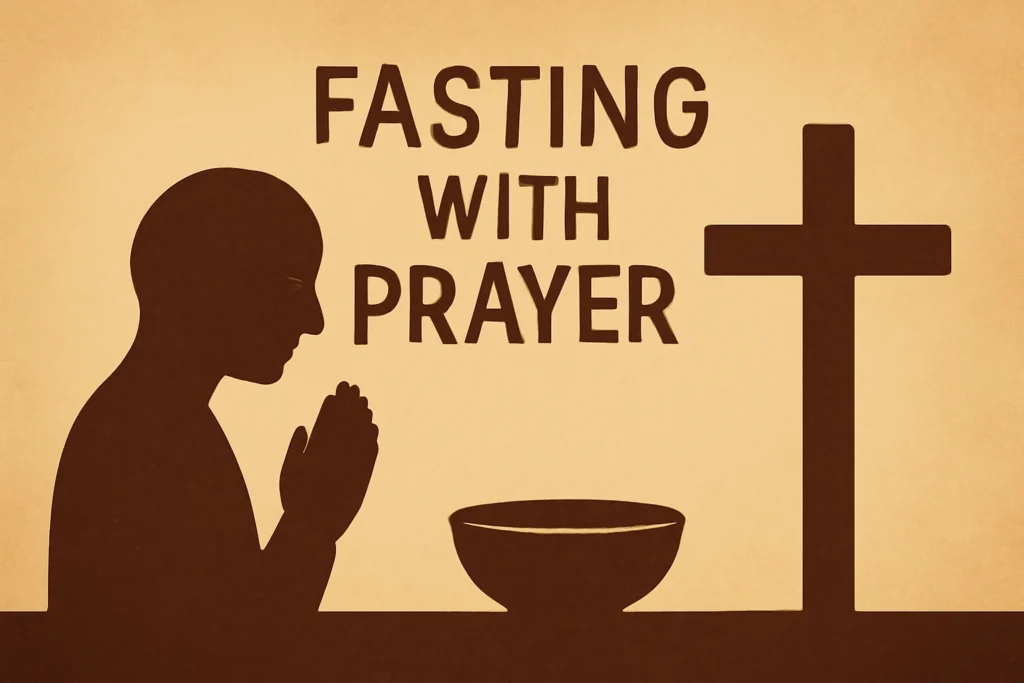
Fasting with prayer is a discipline that invites the whole person—body, mind, and spirit—into a deeper encounter with God. When the appetite is subdued, the heart can become more attentive. When routine is paused, prayer can expand from routine words to transformative dialogue. Across centuries and cultures, communities and individuals have discovered that spiritual fasting paired with intentional prayer can illuminate direction, cultivate humility, and awaken compassion. This article offers a practical guide to understanding, planning, and practicing fasting with prayer in a way that is sane, sustainable, and spiritually meaningful. We will explore variations of this practice, practical steps, safety considerations, and real-world tips that can help you embark on a meaningful journey rather than a rigid ritual.
What is fasting with prayer?
At its core, fasting with prayer combines two intentional acts. The first is fasting, which means refraining from certain foods or other comforts for a period of time. The second is prayer, which is deliberately seeking God’s presence, guidance, or intervention. When these two practices are joined, they are often described using several familiar phrases: fasting and prayer, prayerful fasting, spiritual fasting, and fasting with intercession. While each term highlights a slightly different emphasis, they all point to a core aim: to realign priorities, cultivate reliance on God, and open space for spiritual insight.
In practical terms, fasting with prayer is less about proving something through abstinence and more about creating space for God to work. It is not a contest of willpower but a relational discipline. Some people fast to gain clarity for a decision, others to grow in humility, and yet others to bear one another's burdens through intercession. In all cases, the rhythm of denying something good in order to seek something greater—God’s presence, truth, and direction—remains central.
Foundations: why people fast and pray
Across the biblical story and in many faith traditions, fasting is associated with several core aims. While the exact practices vary, several common motivations recur:
Repentance and humility: using fasting as a signal of sincere contrition and dependence on God.
Seeking guidance: asking for discernment in decisions, directions, or life transitions.
Intercession: lifting up needs for others—families, communities, nations, or leaders.
Spiritual breakthrough: praying for renewal, revival, or a fresh encounter with the divine.
Self-discipline and character formation: practicing restraint to cultivate patience, compassion, and attentiveness.
Types of fasting within the practice of prayer
There are several common ways people structure their fasting in order to support prayer. Each type has distinct benefits and is suited to different goals, health considerations, and spiritual temperaments. Here are several widely used forms, described with practical notes for a pastor, a church group, or a personal practitioner.
The partial fast typically involves abstaining from certain foods or meals while still consuming others. A classic example is vegetables, fruits, and water for a set period, with avoidance of rich foods, meat, or sweets. This approach reduces physical strain while maintaining focus on prayer. It can be sustained for days or weeks and is particularly popular for beginners or for those who want a steady rhythm of fasting with daily life.
Time-restricted fasting
Time-restricted fasting limits eating to a specific window each day (for example, 8 hours of eating and 16 hours of fasting). This form of fasting is easier to integrate into modern schedules and can be aligned with scheduled prayer times. The emphasis remains on prayer, repentance, and seeking direction rather than on ritual abstinence alone.
Juice or plant-based fast
A juice fast or a plant-based fast emphasizes consuming liquids such as water, juice, and broths while avoiding solid foods. For some, this approach is a gentle transition into longer fasting or a specific period of intercession. As with all fasts, it is important to monitor energy levels and adjust as needed.
Intermittent fasting with prayer
This approach blends a dietary fast with deliberate time set aside for prayer, scripture, and reflection. It is complementary to a busy schedule and can be integrated into daily routines. The focus remains on depth of conversation with God and the sanctifying effect of practiced restraint.
Absolute fast (rarer and more cautious)
An absolute fast involves abstaining from all food and sometimes drink. It is rare and should be engaged with great caution and, ideally, medical supervision. This form of fasting is generally undertaken for shorter periods and under the guidance of spiritual mentors or leaders when there is a strong sense of divine prompting or communal discernment.
Corporate or communal fasting
When a church, ministry, or family gathers around a shared purpose, corporate fasting can amplify prayer and provide mutual accountability. In this mode, a group agrees on a duration and a common focus (for example, seeking direction for a congregational renewal or unity). The shared practice strengthens solidarity and creates a collective memory of seeking God together.
Preparing to fast with prayer
Preparation helps prevent fasting from becoming merely an exercise in deprivation and instead makes it a meaningful spiritual discipline. The following practical steps provide a framework for entering a season of fasting with prayer in a healthy, sustainable, and fruitful way:
Clarify your purpose. Write down the specific goal for the fast (for example, “to seek wisdom for a major decision,” or “to intercede for our community during a time of transition”).
Choose a type of fast that suits your health, temperament, and objective. Start with a shorter duration if you are new to fasting.
Set a schedule. Decide when the fast begins and ends, how many meals or hours you will modify, and when prayer times will be built in.
Prepare physically. Ease into the fast by gradually reducing food portions or limiting certain foods ahead of time. Hydration should be protected, and plan lighter activities if you are doing longer fasting.
Guard your daily rhythm. Reserve dedicated times for prayer, Scripture, reflection, and journaling. Create a calm space free from unnecessary distractions.
Consult health guidelines. If you have medical concerns, are pregnant, nursing, diabetic, or on prescription medications, consult a healthcare professional before undertaking a significant fast.
Practical guidelines for a healthy and meaningful fast
To make fasting with prayer practical rather than punishing, consider the following guidelines. They are designed to preserve health, sustain energy for meaningful worship, and keep the focus on God rather than self-denial.
Stay hydrated during any food-related fast unless you are on a medical no-fluid instruction. Water, herbal teas, and clear broths can support energy and focus.
Listen to your body. If you feel dizzy, faint, or unwell, stop the fast and seek medical advice. Fasting should not endanger health.
Plan lighter activities. Reduce heavy physical labor and opt for quieter tasks during the fast, such as reading, listening to worship music, or contemplative prayer.
Involve community. If you are part of a faith community, share your intent with a trusted mentor or group; accountability can be a great help.
Balance quiet and petition. Structure your prayer time with a rhythm that balances worship, confession, gratitude, and intercession.
Acknowledge the rhythm of rest. Fasting is not a sprint; it often benefits from a slower pace and a generous posture toward God’s timing.
Guided prayer during fasting
Prayer during fasting is not simply “asking for things” but a posture of listening, confession, worship, and intercession. Below are practical formats and prompts to guide your times of prayer while you fast. Feel free to adapt them to your tradition and personality.
Prayer formats and prompts
ACTS format: Adoration, Confession, Thanksgiving, Supplication. Use this sequence to chart your prayers for each session.
SOAP journaling: Scripture, Observation, Application, Prayer. Read a passage, note what stands out, consider how it applies, and write a prayer in response.
Imaginative prayer: Reflect on a biblical story or a scene of encounter with God; imagine speaking to or hearing from God about your situation.
Intercessory prayer: Identify people or situations you are bearing in prayer and offer specific petitions and continual thanksgiving.
Scripture-driven intercession: Choose a verse or passage and pray through its truths for your needs and for others.
Sample prayer rhythms
Morning: a short time of confession, gratitude, and a focused intercession.
Midday: a brief, quiet moment for listening and a short Scripture reflection.
Evening: a longer time of worship, repentance, and gratitude for what God has revealed during the day.
Journaling and reflection during fasting
Maintaining a journal during fasting with prayer helps you track spiritual impressions, answer to God, and practical outcomes. Journaling can be a simple list or a narrative record of God’s activity in your life. The following approaches can help you document your journey in meaningful ways:
Dreams and impressions: Note any thoughts, impressions, or dreams you have as you fast; later you can compare with Scripture or counsel from mentors.
Gratitude lists: Regularly record what you are grateful for, which fosters a posture of thanksgiving even in seasons of challenge.
Prompted reflections: Use prompts such as “What is God inviting me to surrender?” or “Where is God guiding my next step?”
Prayer requests and answers: Track petitions and note when and how God answers, even if the answer is subtle or delayed.
Sample plan: a practical 7-day fast with prayer
The following is a flexible, general plan that can be adapted to your context. It blends a partial fast with scheduled prayer times and reflection. If you are new to fasting, start with shorter durations or a lighter form of fast and adjust as you gain experience.
Day 1: Orientation — Focus on repentance and humility. One modified meal or light fast. Prayer focus: confess personal and communal shortcomings and invite God’s guidance.
Day 2: Intercession — Heightened focus on interceding for others. Include Scripture and specific petitions for people in need.
Day 3: Wisdom and discernment — Seek clarity for a decision or direction. Lean into Scripture and wise counsel as needed.
Day 4: Gratitude and worship — Deepen praise and gratitude for what God has done and what He will do.
Day 5: Restoration and healing — Pray for restoration in relationships or communities and for healing where needed.
Day 6: Fasting as sacrifice — Consider giving up a daily habit beyond food (social media, entertainment) to heighten prayer focus.
Day 7: Consolidation — Reflect on what you learned, celebrate small breakthroughs, and plan next steps for continuing growth after the fast.
Safety, wisdom, and healthy boundaries
Fasting is a spiritual discipline, not a health hazard. It is important to approach fasting with wisdom, especially if you have medical conditions, are pregnant, nursing, or taking medications. Consider the following safeguards:
Consult a healthcare professional before undertaking a significant fast, particularly if you have chronic conditions such as diabetes, heart disease, or low blood pressure.
Have an exit plan. Decide in advance how you will end the fast if you experience adverse symptoms or if your energy levels become dangerously low.
Avoid extreme fasting for long periods without supervision. Long absences from nourishment can create risks for your health and your spiritual goals.
Be adaptable. If a fast is not feasible for your current health or life circumstances, consider a gentler form of fasting—one meal lighter, or a daily fast for a few hours with focused prayer.
Common challenges and how to navigate them
Fasting with prayer can present challenges that are both physical and spiritual. Here are some common hurdles and practical strategies to overcome them:
Hunger distraction: Hunger can be a constant reminder of the fast. Use it as a cue to redirect attention to prayer or Scripture rather than letting it become the sole focus.
Laziness or fatigue: Schedule rest and lighter activities. Short, focused prayer sessions can be more productive than long, strained efforts.
Spiritual dryness: If you feel distant from God, invite others into your journey for accountability, read comforting portions of Scripture, and trust the process rather than forcing a breakthrough.
Legalism or pride: Guard against turning the fast into a scorecard. Remember that the purpose is relationship with God, not performance metrics.
Benefits and fruits of fasting with prayer
Engaging in fasting with prayer can yield a number of enduring spiritual and practical benefits when approached with humility and wisdom. Some common fruits include:
Clarity and discernment in decisions or life directions.
Humility and spiritual receptivity, reducing self-reliance and increasing dependence on God.
Compassion and intercession for others, deepening empathy and communal concern.
Resilience and self-control, cultivated through disciplined choices and ongoing commitment.
Fresh worship and gratitude, often accompanied by renewed passion for spiritual practices.
Deepened prayer life, as fasting reveals new textures and persistently invites God’s presence into daily routines.
Variations to fit different contexts
The practice of fasting with prayer is adaptable to different faith communities, cultural contexts, and personal schedules. Below are several variations you might consider incorporating into a local church season, a family routine, or an individual devotion.
Family fasting: Families can fast together by sharing a common goal and taking turns leading brief prayers, reading a devotional, and sharing reflections.
Youth-friendly fasting: Short, guided prayer sessions, creative reflection activities, and audio or video devotionals tailored for younger participants.
Hospitality-centered fasting: Allow guests to join a corporate fast in a time of prayer for the community, while providing a shared meal to break the fast together at a designated time.
Seasonal fasting: Align fasting with liturgical seasons, harvest seasons, or times of social need to anchor the practice in a larger rhythm of life.
Guidance for leaders and communities
When a faith community undertakes fasting with prayer, leadership can help by providing structure, accountability, and care. Consider the following practices to steward the process well:
Clear objectives: Communicate the purpose, duration, and boundaries of the fast to the group so everyone is aligned.
Pastoral care: Be attentive to individuals who may struggle physically or emotionally during the fast and offer encouragement and resources.
Code of conduct: Respect personal boundaries; fasting is a voluntary spiritual discipline, and no one should feel compelled to participate beyond their capacity.
Debrief and celebrate: After the fast, gather to reflect on outcomes and celebrate God’s activity, even if answers came gradually or differently than expected.
Below are brief answers to common questions people ask when considering or undertaking a season of fasting with prayer. If you have additional questions, consider discussing them with a trusted spiritual mentor or pastor.
Is fasting required for everyone? No. Fasting is a voluntary spiritual discipline that can be meaningful for many but may not be appropriate for everyone at all times. Always consider your health, circumstances, and calling.
Can I fast if I have dietary restrictions? Yes. There are many forms of fasting that do not involve abstaining from all food. For example, you can fast from a particular type of food, social media, or media consumption, while maintaining nourishment.
How long should a fast last? Beginners might start with 12–24 hours or a single meal. Longer fasts should be approached with care and medical guidance, especially if health concerns exist.
What if I miss a day? Grace and continued participation are appropriate. You can resume the plan the next day or adjust the schedule to fit your circumstances without guilt.
Conclusion: embracing a longer path of prayerful discipline
Fasting with prayer is a timeless practice that invites believers into a rhythm of dependence, discernment, and devotion. While the details—the type of fast, the duration, and the focus of prayer—may vary from person to person and culture to culture, the underlying intention remains constant: to seek God with a whole-hearted, attentive, and compassionate posture. As you embark on or continue this journey, remember these guiding principles:
Start with intention and clarity about what you seek from God.
Listen more than you speak during prayer, making space to hear God’s voice and to discern his leading.
Practice humility in the heart of withholding physical comfort, recognizing dependence on God as the core gift of fasting.
Engage community wisely, inviting accountability, encouragement, and shared prayers without removing personal responsibility before God.
Finish with worship and action, turning the insights gained into compassionate neighbor-love and concrete steps that reflect God’s truth.
In the end, whether you call it fasting with prayer, prayerful fasting, or spiritual fasting, the practice invites a deeper intimacy with God. It is not about earning favor or forcing results but about aligning the heart with God’s purposes and opening the door to transformation. May your journey be marked not by a perfect schedule or flawless discipline, but by a growing responsiveness to God’s voice, a deeper trust in his timing, and a life that witnesses to the power of a heart surrendered in prayer.






Leave a Reply