Understanding God’s Forgiveness: A Theological Foundation
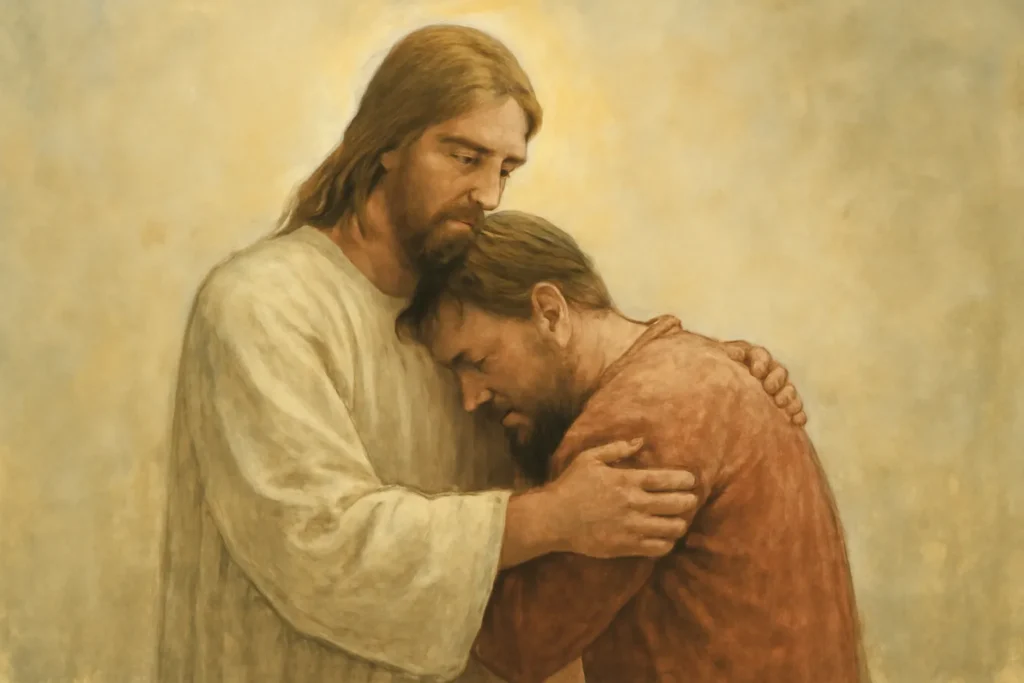
Few themes in Christian experience are as transformative as God’s forgiveness. It is not merely a concept to be studied; it is a dynamic reality that shapes how people see themselves, others, and the world. In Christian teaching, divine mercy is offered to sinners, received by faith, and lived out through grace-filled change. This article explores God’s forgiveness, its theological meanings, how people can understand it, and practical ways to live in light of His grace.
The character and scope of divine mercy
To grasp God’s forgiveness, we begin with who God is. In Christian thought, God is not merely just but also merciful. His pardon and remission of sins flow from His nature as a loving Father who desires restoration rather than punishment for its own sake. The Bible speaks of divine mercy as an active, ongoing gift that meets people where they are, not where they ought to be. The scope of this mercy is broad: it covers acts of sin, attitudes of heart, and the brokenness people carry into daily life.
Different Christian traditions describe the same reality using varied language, yet the core claim remains: God’s forgiveness is available because He desires relationship with humanity. The concept includes both a legal pronouncement—sins forgiven in God’s court—and a relational restoration—reconciliation with the Father’s heart. This dual aspect is often captured in phrases like divine pardon and reconciliation with God.
What does forgiveness from God involve?
Understanding God’s forgiveness requires noting several interlocking elements:
Atonement and pardon: The idea that sins have a debt or broken relationship that can be canceled by the righteous action of God or through the meritorious work of another (e.g., in Christ).
Grace as the enabling power: Forgiveness is not earned by good works but received through grace. This grace empowers a person’s heart to turn away from sin and toward God.
Faith as reception: Trust in Jesus and His redemptive work is the primary means by which a person secures access to divine mercy.
Transformation and renewal: Forgiveness is not a one-time event alone; it initiates a lifelong process of sanctification, in which a person is gradually conformed to the image of Christ.
Across this range, you’ll hear terms like grace, mercy, pardon, forgiveness of sins, and reconciliation. While they are distinct in nuance, they point to the same life-changing reality: God’s love moves toward us in our brokenness and invites us into a restored relationship.
Paths to receive God’s forgiveness
There is more than one pathway in Scripture for receiving God’s forgiveness, and different Christian traditions highlight aspects of that pathway with unique emphasis. Below are several commonly recognized avenues that together form a coherent picture of how humans turn toward God and receive His mercy.
Confession, repentance, and turning toward God
Confession and repentance are often presented as the pilgrim’s first steps toward divine mercy. Confession acknowledges sin before God; repentance involves a sincere turning away from the old ways and a commitment to new life. In many biblical accounts, this turning is the key that unlocks access to God’s pardon and forgiveness of sins.
Personal confession before God, with a contrite heart
Repentance that manifests in changed thoughts, desires, and actions
Seeking restoration where relationships have been broken
Faith in Jesus Christ and His saving work
A central thread across Christian teaching is that forgiveness from God is mediated through faith in Jesus Christ and His atoning work on the cross. By believing that Jesus died for sins and rose again, a person is brought into a position of acceptance before God. This faith is not merely intellectual assent; it is trust that God’s promises are true and a surrender to His leadership in life.
Trust in the person and work of Christ as the ground of pardon
Receiving the Holy Spirit as a seal and guarantee of restoration
Participation in the community of believers as a space of accountability and encouragement
Participation in the traditions of grace (sacraments and rituals)
Various Christian traditions emphasize rituals as means by which the believer experiences divine mercy. For instance, some traditions teach that baptism signifies cleansing from sin and entry into new life, while others highlight the Lord’s Supper as a continual reminder of Christ’s sacrificial act that brings forgiveness. Although the expression varies, the underlying idea is that grace is mediated through outward signs that strengthen inward renewal.
Baptism as a public symbol of cleansing and new identity
The Lord’s Supper as a weekly or regular reminder of God’s grace
Communal confession and prayer as aids to receiving mercy
How forgiveness works in daily life
Understanding the theory of God’s forgiveness is one thing; living in the reality of His grace day by day is another. The following ideas describe how forgiveness becomes practical, shaping choices, relationships, and inner life.
Identity and forgiveness
When people experience divine mercy, their identity shifts from being defined by failure to being defined as beloved children. This transformation fuels confidence, hope, and a healthier sense of self. A secure sense of being forgiven can reduce shame and empower a person to extend forgiveness to others.
Boldness to confess and confess again when needed
Freedom from persistent guilt that hinders growth
A renewed sense of worth grounded in God’s unconditional love
Relational healing and reconciliation
Forgiveness from God often has a horizontal ripple effect: it enables people to forgive others and seek reconciliation. In relationships marred by conflict, recognizing God’s mercy invites a posture of humility, patience, and courage to mend fences. This process is not about denying harm but about pursuing restorative outcomes that honor both truth and grace.
Holy forgiveness that relinquishes bitterness
Restoration of trust through consistent, trustworthy living
Healthy boundaries that protect relationships while encouraging repentance
Hope, peace, and daily motivation
Living under the conviction of God’s forgiveness can bring inner peace and a sense of hope even in difficult circumstances. The knowledge that one is accepted by a loving Father provides motivation to act with integrity, to serve others, and to resist patterns of sin that harm self and neighbor.
The Bible’s teaching on forgiveness: a concise map
Across the biblical narrative, several pillars illuminate how God’s forgiveness is described and promised. Here are some recurring themes you’ll encounter in Scripture, along with brief reflections on their implications for faith and practice.
Sin’s debt and God’s cancellation
Scripture often describes sin as a debt that humans cannot fully repay. God’s forgiveness is the cancellation of that debt, not mere forgetting of an offense. The remission of sins is grounded in the character of God—just, merciful, and faithful.
The concept of debt and cancellation aligns with the deepest needs of human conscience
Forgiveness is offered not on the basis of our merit but because God is gracious
Justice and mercy together
A robust view of divine mercy recognizes that forgiveness does not ignore wrongdoing. Instead, God’s justice is satisfied in a way that releases mercy to the penitent. This integration is often framed through the lens of the gospel, where Christ’s death satisfies the demands of righteousness while extending grace to sinners.
Paradox of forgiveness for the guilty and restoration for the broken
Assurances and promises
For believers, Scripture provides assurances that forgiveness from God is reliable and personal. Verses that speak of walking in the light, having sins forgiven, and being reconciled with God are meant to instill confident hope rather than vague wishful thinking.
Assurance of forgiveness when genuine faith and repentance are present
Continuing care from the Spirit that confirms one’s status as a child of God
Hope that past sins do not define future possibilities with God
Obstacles to accepting God’s grace—and how to overcome them
Even with abundant grace available, many people struggle to receive God’s forgiveness. Common obstacles include guilt, shame, fear of punishment, and a legalistic mindset that equates forgiveness with perfection. Here are practical ways to address these barriers.
Guilt and shame
Guilt tells the truth about wrongdoing, while shame can distort identity. One way to overcome this obstacle is to distinguish between guilt (feeling responsibility for sin) and guilt-ridden self-condemnation. Embrace God’s mercy, which renews the heart without demonizing the person.
Confess honestly and ask for God’s cleansing
Receive assurance through Scripture, prayer, and the community of believers
Practice self-compassion, recognizing you are still beloved by God
Fear of punishment or not measuring up
Some fear that forgiveness is temporary or conditional. The Bible teaches that God’s gracious gift is secured by Christ’s sacrifice and sustained by the Holy Spirit. Trust in the permanence of God’s promise can dispel fear and invite fearless living in grace.
Recall promises such as “You are loved, you are forgiven, you are reconciled”
Seek accountability within a trustworthy faith community
Engage in regular prayer and worship to strengthen faith in God’s faithfulness
Legalism and performance-based living
Legalism can distort forgiveness into a ledger of good deeds. The corrective is to center life on the gospel: grace received, grace lived out in gratitude. When forgiveness is understood as a gift that transforms, performance-based spiritual anxiety subsides and generosity toward others grows.
Focus on grace as the engine of transformation
Practice acts of mercy and service as responses to God’s forgiveness
Foster openness to confession and reconciliation within community
Forgiveness and spiritual formation
Understanding God’s forgiveness is not only about personal relief; it is also a catalyst for spiritual formation. When the heart is graced by forgiveness, it becomes more receptive to growth in holiness, ethical living, and compassionate action. The interplay between mercy and growth can be described through several practical habits.
Regular confession and repentance as disciplines
Spiritual practices that keep forgiveness central help believers stay honest before God. Regular confession—whether in private prayer, corporate settings, or guided liturgy—reinforces the reality that divine mercy is constant and available.
Daily or weekly moments to acknowledge fault and seek cleansing
Accountability partnerships or small groups to encourage ongoing repentance
Gratitude for forgiveness that energizes acts of kindness and justice
Gratitude for grace and generosity toward others
A grateful heart, shaped by the experience of God’s forgiveness, becomes generous. People who recognize their own need for mercy are often more patient, less judgmental, and more willing to extend grace to others. This is one of the most practical ways forgiveness shapes everyday life.
Forgiveness practiced in daily conflicts and disagreements
Empathy toward those who have harmed us, seeking restorative paths
Participation in ministries of reconciliation and mercy
Common questions about God’s forgiveness
Many readers arrive at questions about how forgiveness works and how to apply it in real life. Here are concise answers to a few frequently asked questions.
Is forgiveness conditional on confession?
In many Christian teachings, forgiveness is intimately connected to confession and repentance, yet the core motive is God’s grace offered to the contrite heart. Confession can be seen as the human response to grace, not a payment for it. God’s willingness to forgive remains operative even when the precise form of confession varies by circumstance.
Can I lose God’s forgiveness?
Different traditions answer this in different ways. Some teach that forgiveness is secure in Christ and cannot be lost, while others emphasize the possibility of falling away through persistent, unrepentant living. Across most Christian perspectives, the emphasis is on God’s faithfulness and the ongoing opportunity to return to Him through repentance and faith.
What about sins I can’t remember or understand?
God’s forgiveness covers both known and unknown sins in the believer’s life. The Bible speaks of God’s all-seeing mercy, and the Holy Spirit helps illuminate areas of brokenness that we might not fully understand. Persistent prayer, scripture engagement, and the support of a wise community can help uncover hidden sin and invite cleansing.
How to grow in experiencing God’s forgiveness
Growing in the experience of God’s forgiveness is a lifelong journey. The following practical steps can help you cultivate a robust, lived-out sense of forgiveness and grace:
Study Scripture: Engage passages that speak of mercy, forgiveness, and reconciliation. Let God’s promises inform your confidence in His mercy.
Prayer and confession: Regularly bring your faults before God and ask for cleansing. Include prayers for others who may need mercy too.
Practice forgiveness toward others: Extend the mercy you’ve received. This is not neglecting justice but reflecting the character of Christ in relationships.
Participate in community: Surround yourself with people who model grace, accountability, and truth-telling in love.
Serve and give: Let mercy move you outward—service reduces self-centeredness and deepens trust in God’s provision.
Conclusion: Living in the reality of God’s grace
Ultimately, the forgiveness of sins offered by the Creator is not simply a theology to be debated; it is a life to be embraced. When people understand God’s forgiveness, they encounter a source of divine grace that sustains them through trials, reshapes their priorities, and enables them to extend mercy to others. The journey toward accepting and living in God’s mercy is marked by honesty, faith, repentance, and a growing trust that God’s pardon is comprehensive and ongoing.
As you reflect on God’s forgiveness, consider these guiding truths:
God’s mercy is consistent, not capricious; He desires restoration for His creatures.
Forgiveness is received by faith and sustained by grace, not by perfect performance.
Jesus Christ is the center of the forgiveness narrative, the one through whom reconciliation occurs.
The life shaped by forgiveness leads to freedom, transformed character, and compassionate action toward others.
In the end, to experience God’s forgiveness is to enter into a relationship marked by trust, gratitude, and a reoriented life. It is an invitation to be fully known and to know the One who invites you into healing, renewal, and lasting peace. May this exploration of divine mercy encourage you to seek Him with honesty, receive His grace, and walk forward in the freedom that forgiveness brings.










Leave a Reply