Ice Breakers for Women's Ministry: Ideas to Build Community
Ice Breakers for Women's Ministry: Ideas to Build Community
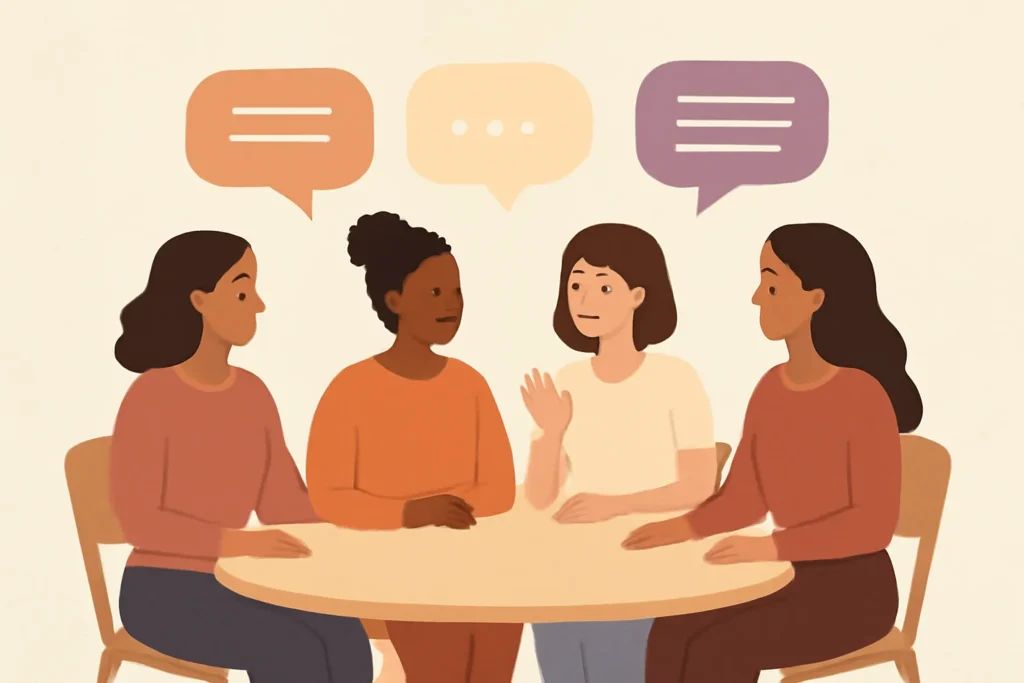
Building authentic community within a women’s ministry requires intention, creativity, and practical tools that help people move from strangers to sisters in Christ. Ice breakers are not merely small talk; they are moments that lower barriers, invite vulnerability, and set the tone for deeper conversation, prayer, and service. When chosen thoughtfully, ice breakers honor diverse backgrounds, celebrate shared faith, and foster a sense of belonging. This article offers a comprehensive guide to ice breakers for women’s ministry, with ideas that span in-person gatherings, online meetings, and hybrid formats. You’ll find categories, adaptable formats, and a wide array of examples designed to help you cultivate a thriving, supportive, and spiritually enriching community.
Ice breakers are more than playful activities; they are beginning points that set expectations for the group and shape the culture of the gathering. In women’s ministry, where topics can touch on personal identity, family life, career pressures, caregiving, grief, and spiritual longing, ice breakers serve several important purposes:
Lower barriers and ease anxiety for newcomers who may feel unsure about what to share or how others will respond.
Foster connection by revealing common ground and shared experiences, creating a sense of belonging.
Model vulnerability in a safe and structured way, encouraging participants to be authentic and to listen with empathy.
Set the tone for a gathering that is grounded in faith, grace, and mutual respect.
Populate a healthy group dynamic by distributing leadership opportunities, inviting quieter voices to contribute, and creating space for diverse perspectives.
Core Principles for Effective Ice Breakers
To ensure that ice breakers truly support women’s ministry goals, keep these principles in mind. You can apply them to almost any activity, adjusting for group size, age range, cultural background, and spiritual maturity:
Safety and confidentiality: Make explicit that what is shared in a session remains within the circle, unless consent is given for sharing outside the group.
Inclusion: Choose activities that are accessible to women with different physical abilities, family responsibilities, and cultural norms.
Respect: Encourage listening, avoid pressure to disclose more than a person is comfortable with, and remind participants that all voices matter.
Faith-forward framing: Tie activities to spiritual themes such as grace, forgiveness, service, or God’s faithfulness to center conversations.
Voluntary participation: Offer opt-out options and keep activities light enough to respect varying comfort levels.
Clarity and flow: Explain the purpose of each ice breaker and how it connects to the evening’s goals to prevent awkwardness or misinterpretation.
Categories of Ice Breakers
Below are broad categories of ice breakers, each with ideas you can adapt to your ministry context. You’ll find practical formats that work in multiple settings, from small small groups to larger gatherings.
Introduction and Welcome Activities
These activities are designed to help newcomers and regular attendees feel seen from the very start. They are especially useful at the opening portion of a meeting or retreat.
Name and One Word: Each person states their name and shares one word that describes their current season (e.g., “excited,” “hopeful,” “grateful”). This is quick, non-threatening, and offers a starting point for conversation.
Circle of Gratitude: In a circle, each person names one thing they are grateful for today and passes a small token to the next person as a reminder to be grateful for others’ share. This builds positive energy and sets a grateful tone.
Two-Minute Get-to-Know-You: In pairs, participants have two minutes to discover three things they have in common, then introduce their partner to the group with a short summary. This shifts focus from self to mutual discovery.
Getting-to-Know-You Games
These activities delve a bit deeper than surface-level introductions but stay light enough for most groups. They’re especially helpful for new members to learn about each other’s experiences and perspectives.
Common Threads: In small groups, identify three things everyone shares (e.g., a hobby, a favorite Bible verse, a season of life). Share a brief story related to one thread.
Story Chains: Start with a prompt (e.g., “Your most surprising moment in faith this year”). Each person adds a sentence to the story, building a collaborative narrative that can be both humorous and heartfelt.
Faith Milestones Timeline: On a wall or board, participants place sticky notes marking milestones such as “baptism,” “mission trip,” or “first Bible study leader.” This acts as an index of shared journeys and invites follow-up conversations.
Team-Building and Collaboration Activities
Group cohesion often translates into ministry momentum. Use these activities to cultivate teamwork, communication, and mutual support.
Team Puzzles: Present a simple puzzle or challenge and split into teams to solve it. Debrief with questions like “What leadership style helped your team succeed?”
Service Sprint Planning: In small groups, brainstorm a one-off service project the group could execute in a few weeks. Each group presents a mini-plan, and the best ideas get implemented.
Minute to Mentor: Pairs spend one minute sharing a practical life skill (e.g., time management, cooking for families) and the other person notes three action steps they’ll try in the next week.
Spiritual and Faith-Focused Ice Breakers
Center these activities on Scripture, prayer, and spiritual growth while maintaining a welcoming atmosphere.
Scripture Snapshots: Ask participants to pick a verse that has shaped them recently and share a one-sentence takeaway and a practical application.
Bible Character Quick Connect: Each person names a Bible character they feel connected to and explains one trait they’d like to grow in their own life. This invites reflection on spiritual formation.
Prayer Partner Rotation: Pair up attendees for a brief, guided prayer round, then rotate to a new partner after a few minutes. This expands relational coverage without pressure.
Service and Outreach Oriented Ice Breakers
Linking fellowship to service helps women experience ministry as a shared responsibility and a source of joy.
Impact Circle: Each participant shares one cause or ministry they’re passionate about. The group then brainstorms a small, real-world action they can take together in the coming month.
Compassion Cards: Create simple cards with encouraging messages to distribute to hospital staff, frontline workers, or caregivers. Each person writes one card and then exchanges readings aloud to the group for accountability and inspiration.
Partner-in-Needs: In pairs, participants discuss a group member who could benefit from a small act of service (meal train, prayer, note of encouragement). The duo commits to carrying out one such act within a set timeframe.
Ice Breakers for Different Settings
Different contexts call for different formats. Here are adaptable approaches for in-person gatherings, online meetings, and hybrid formats. The goal is to preserve the relational and spiritual intent regardless of setting.
In-Person Gatherings
In-person sessions offer tactile and sensory possibilities that can enrich connections. Consider layout, accessibility, and pace when choosing activities.
Ambient Welcome: As attendees arrive, place short, reflective prompts on welcome cards (e.g., “What is one blessing you’ve seen this week?”). Encourage participants to select a card that resonates and share briefly in a small group.
Hands-On Ice Breakers: Simple crafts or tactile activities (e.g., making gratitude bracelets or writing notes on cards) create shared experience and conversation starters that can continue beyond the gathering.
Movement-Based Openers: Short, light stretches or a gentle, guided movement exercise can put participants at ease, especially if they’ve had a long day. Combine with a brief reflection on God’s care in daily life.
Online Meetings
Online formats require attention to technology, pacing, and engagement. Use visuals, breakout rooms, and shorter prompts to maintain energy and inclusivity.
Virtual Background Stories: Invite participants to share a story represented by a chosen object in their background, or to describe a meaningful item in their space and why it matters to them.
Polls and Quick Reflections: Use quick polls (e.g., favorite verse of the week, preferred study format) to surface preferences and guide future planning. Follow with a small group discussion in breakout rooms.
Digital Gratitude Wall: A shared document or chat thread where everyone adds a brief note of gratitude. Moderators can summarize themes and close with a short devotional moment.
Hybrid Formats
Hybrid settings combine in-person and online participants. The key is inclusion and equitable participation across modalities.
Unified Ice Breakers: Use activities that can be done individually but shared with the group via video. For instance, everyone shares their “one word” in their chat or on a shared whiteboard, and a facilitator highlights common threads.
Asynchronous Pre-Work: Before a live hybrid meeting, provide a short prompt (e.g., “Share a Psalm that encouraged you this week”). Participants post in a forum or chat; in the live session, facilitators reference these posts and invite select participants to elaborate.
Inclusive Timing: Alternate between in-person and online speaking turns so no group is consistently waiting for the other to participate. Use a timer to ensure balance and respect for time.
Sample Ice Breaker Ideas: Thorough List and Variations
Here is an extensive, practical catalog of ice breakers you can adapt. Each entry includes a brief description, suggested setting, time estimate, and variations to fit your context. Use these as a menu rather than a script; tailor them to your group’s size, culture, and season of life.
Name and One Word — A quick opener where each person states their name and a word describing their current season. Setting: Any size group; Time: 5 minutes.
Variation: Theme the word (e.g., “one word about a favorite Bible verse”).
Two Truths and a Dream — Each person shares two true statements about themselves and one aspirational dream related to ministry or faith. Setting: Small to medium groups; Time: 7–10 minutes.
Variation: Replace “dream” with “lesson I’d love to teach” or “service project I’d like to lead.”
Story Snapshot — In pairs, participants share a short personal story connected to a Bible verse or spiritual lesson, then summarize for the group. Setting: Any size; Time: 8–12 minutes.
Common Ground Bingo — Create bingo cards with prompts (e.g., “has served abroad,” “loves coffee,” “has a granddaughter”). Participants mingle to find people who match the prompts. Setting: In-person; Time: 10–15 minutes.
Petite Prayer Partners — In pairs, participants share a prayer request and commit to praying for that request during the week. Setting: Any size; Time: 5–8 minutes.
Faith Milestones Wall — On a wall or board, attendees place notes marking spiritual milestones. After opening to all, small groups discuss patterns and divine faithfulness observed across seasons. Setting: In-person; Time: 15–20 minutes.
Verse-Connection — Each person pulls a verse from a deck or app and explains how it connects to a current life situation. Setting: Any size; Time: 6–10 minutes.
Flower of Gratitude — A participant passes a blossom to someone else and shares one thing they are grateful for, with a brief reason. The activity continues around the circle. Setting: In-person; Time: 5–7 minutes.
Icebreaker Prompts Cards — Prepare a deck of prompts (e.g., “Describe a moment when you felt God’s provision.”). Each person draws a card and answers in a small group. Setting: In-person or online; Time: 8–12 minutes.
Service Snapshot — Individuals share a one-minute story about a past service experience and invite others to collaborate on a future project. Setting: Any size; Time: 6–10 minutes.
Super-Simple Scavenger Hunt — Create a quick, faith-themed scavenger hunt inside the meeting space (e.g., find something that reminds you of a fruit of the Spirit and share why). Setting: In-person; Time: 8–12 minutes.
Random Acts of Kindness Challenge — Each participant names a small act of kindness they will perform for someone this week; group follows up in a future session. Setting: Any; Time: 5 minutes.
Faith-Focused Pictionary — Use biblical characters, places, or faith concepts as prompts for a light drawing game. Setting: Small to medium groups; Time: 15 minutes.
Prayer Walk Preview — A short indoor “prayer walk” in which participants move through stations with guided prompts, concluding with a short collective prayer. Setting: In-person; Time: 10–15 minutes.
Favorite-Verse Swap — Each person shares their favorite verse and one sentence why it resonates, then swaps verses with a neighbor and reflects on a shared insight. Setting: Any size; Time: 10 minutes.
Character Connection — Each participant names a Bible character they relate to and explains one lesson they’ve learned from that character’s journey. Setting: Small groups; Time: 8–12 minutes.
Service Interest Round — Quick round where participants express one area of service interest (e.g., hospitality, outreach, mentoring) and a statement of how they’d contribute. Setting: Any; Time: 8 minutes.
Quiet Corner Check-In — For larger groups, designate a quiet corner or small circle where attendees can briefly check in and share what they hope to gain from the session. Setting: In-person; Time: 7–10 minutes.
Soundtrack of My Week — Invite participants to name a song that has spoken to their faith this week and explain its message in one sentence. Setting: Any size; Time: 8–10 minutes.
Girl Talk, Faith Talk — Short, guided conversations that allow women to discuss a faith topic (grace, forgiveness, courage) in small, diverse groups. Setting: Any size; Time: 12–15 minutes.
Reflection Stations — Set up several stations with prompts (prayer, journaling, Scripture reflection). Attendees rotate through stations at their own pace, sharing takeaways with a neighbor at the end. Setting: In-person; Time: 15–20 minutes.
Lunchbox Letters — Encourage attendees to write a short encouragement note to someone in the group (to be delivered later or kept by the recipient). Setting: In-person; Time: 10–12 minutes.
Whispered Welcome — A whisper-net activity where one person shares a short encouraging word with the person next to them, who then passes it on. Setting: Any size; Time: 5–7 minutes.
Vision Board Quick-Share — Create a mini vision board fragment on a note card or sticky note, reflecting ministry goals or personal spiritual aims. Setting: Any size; Time: 8–12 minutes.
Serve and Speak — Invite a new member to share a short personal testimony or faith story in two minutes, giving others a chance to listen deeply. Setting: Any size; Time: 6–8 minutes.
Gracious Boundaries — A quick conversation about healthy boundaries in ministry, followed by a practical tip list for maintaining balance and care. Setting: In-person or online; Time: 8–12 minutes.
Book-Club Teasers — If your group follows a study or book, have members briefly share one takeaway from a chapter and propose discussion questions for the next meeting. Setting: Any size; Time: 10 minutes.
My Favorite Mentor — Share a quick story about a woman in your life who discipled you, and invite others to name a mentor who shaped their faith. Setting: Any size; Time: 8 minutes.
Prayer Ring — Form a circle and pass a virtual or physical prayer bead; whoever holds it prays briefly for a neighbor’s need, then passes it on. Setting: In-person; Time: 6–10 minutes.
Compliment Carousel — Participants give a sincere, specific compliment to the person on their right, then share one line about what they admire in the group as a whole. Setting: In-person; Time: 5–7 minutes.
Word Cloud Prayer — Invite participants to contribute short prayer requests to a live word cloud, then close with a collective prayer based on common themes. Setting: Online or hybrid; Time: 10–12 minutes.
Tips for Facilitators
As a facilitator, you set the atmosphere and guide the dynamics of ice breaking. The following practical tips can help you lead with wisdom, sensitivity, and effectiveness:
Know your group: Before planning, assess the group’s size, cultural background, comfort level, and spiritual maturity. Tailor activities to accommodate differences and avoid potential triggers.
Have a clear purpose: Each ice breaker should connect to the evening’s goals—whether it’s building trust, opening up a topic, or inviting service planning.
Prepare materials: Gather prompts, cards, sticky notes, props, and any technology needs in advance. Test equipment if you’re using online tools.
Set boundaries: Establish guidelines for confidentiality and respect at the outset. Remind participants that they can opt out without explanation.
Model vulnerability: Share a brief, appropriate personal reflection to demonstrate that it’s safe to be honest, while keeping the spotlight on others.
Balance energy with reflection: Alternate high-energy activities with quieter, reflective prompts to avoid fatigue and overwhelm.
Offer options: Provide a few different ice breakers and let participants choose which they would like to engage in. This increases ownership and comfort.
Incorporate spiritual prompts: Tie activities to Scripture, prayer, or worship to keep the focus on faith formation and mission.
Capture insights: After activities, invite short debriefs to capture emerging themes, leadership gifts, or practical action steps for the group.
Effective ice breakers contribute to measurable outcomes in a ministry context. Consider these methods to assess impact and sustain momentum:
Attendance and retention: Track whether newcomers return and whether sharing circles encourage continued participation in future sessions.
Qualitative feedback: Use brief surveys or facilitated debriefs to gather feedback on what worked, what didn’t, and what participants felt during the activities.
Depth of connection: Observe the quality of conversations after gatherings—are people sharing prayer requests, collaborating on projects, or checking in with one another during the week?
Spiritual formation indicators: Note increases in prayer life, Scripture engagement, or willingness to mentor others as a sign of growing discipleship within the group.
Action steps: Record concrete commitments that emerge from ice breakers (e.g., “Plan a service project for next month,” “Meet for a Bible study in a subgroup”).
Common Pitfalls and How to Avoid Them
Even well-intentioned ice breakers can derail a gathering if not managed thoughtfully. Here are common challenges and practical fixes:
Overly personal prompts: Avoid questions that probe into sensitive personal trauma too soon. If a prompt has potential to cause discomfort, offer a milder alternative or opt-out option.
One-way participation: Ensure that activities don’t place all the load on newer attendees. Encourage group rotation, small group sharing, and quiet participation options.
Time mismanagement: Time-box each activity with visible timers. A rushed or dragging agenda undermines engagement and trust.
Inflexibility: Be ready to pivot if an activity isn’t resonating. Have backup options and a quick reset plan to re-engage participants.
Exclusion by design: Avoid activities that assume a particular background or skill. Strive for universal accessibility and optional adaptations.
Conclusion: Building Community that Reflects God’s Love
Ice breakers in women’s ministry are more than entertainment; they are a catechetical tool for community formation, trust-building, and spiritual growth. When used with intention, they create a welcoming atmosphere where every woman—whether new or long-time member—feels seen, valued, and invited into deeper fellowship with God and one another. The most effective ice breakers are flexible, faith-centered, and adaptable to diverse seasons of life. They honor the dignity of each person, invite courageous conversation, and lay the groundwork for service, generosity, and leadership.
As you design or refresh your ministry’s ice breakers, anchor your choices in these guiding questions: What is the purpose of this activity? How will it honor confidentiality and safety? Does it invite participation from a wide range of voices, including quieter participants? How does it connect to our collective journey toward Christlikeness and to the practical mission of serving others? By keeping these questions at the core, you’ll create environments where women can grow in faith together, build lasting friendships, and extend God’s love through concrete acts of service.
Remember that the goal is not to perform clever games but to cultivate authentic community that reflects Jesus’ love. With deliberate selection, thoughtful facilitation, and ongoing stewardship, ice breakers can become a powerful catalyst for transformative relationships, spiritual formation, and joyful ministry that honors God and blesses the women you serve.







Leave a Reply