Judith (Wife of Esau): A Biblical Woman of Courage and Influence
Judith (Wife of Esau): A Biblical Woman of Courage and Influence
Old Testament Women | Deuterocanonical Women
Judith (Wife of Esau): A Biblical Woman of Courage and Influence
📅 circa 19th-18th century BCE, during the Patriarchal Era · 📜 The name Judith means 'Jewish woman' or 'praised' in Hebrew (Yehudit), reflecting her identity and legacy.
JudithEsauOld Testament womenBiblical biographies
Genesis 26:34: 'When Esau was forty years old, he married Judith daughter of Beeri the Hittite, and also Basemath daughter of Elon the Hittite.'— Genesis 26:34
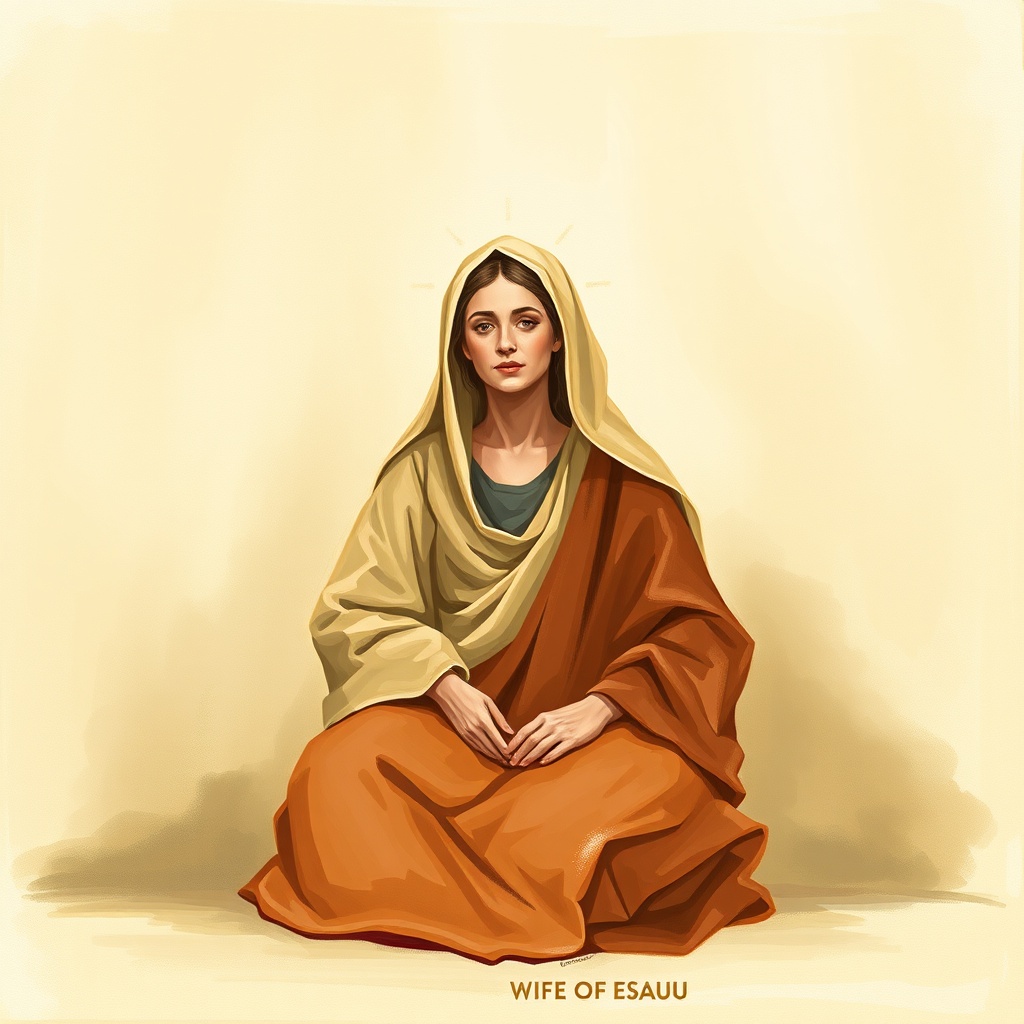
Judith, mentioned briefly in Genesis as the wife of Esau, is portrayed as a matriarch within the early biblical narrative. Though little detailed story is given, her significance underscores her role as an ancestor from whom the Edomite lineage descends. Her marriage to Esau links her to the founding of the Edomite nation, emphasizing the importance of alliances and her place in the broader biblical genealogies. Her legacy is tied to themes of inheritance, divine blessing, and cultural identity. As the matriarch of Edom, Judith's character symbolizes the ancestral roots of a nation often contrasted with Israel, highlighting themes of kinship, heritage, and divine providence among early biblical peoples.
🏛️ Cultural & Historical Context
In the patriarchal society of the ancient Near East, women like Judith played key roles in familial and tribal alliances. Marriage was a central institution for socio-political ties, and matriarchs like Judith were valued for their role in lineage and inheritance. While women generally had limited political power, their familial status was crucial for maintaining or establishing social identity. As the wife of Esau, her position reflected the importance of kinship bonds and the transmission of tribal identity. Women’s roles often centered around maintaining family honor and continuity, making Judith’s position as a matriarch significant within that cultural framework.
👨👩👧 Family Connections
Her husband is Esau, son of Isaac and Rebekah. She is the mother of Eliphaz, and through him, she is connected to the Edomite lineage.
Judith’s brief mention in biblical texts underscores her role as an ancestor of Edom, illustrating God’s providence in heritage and the fulfillment of divine promises through lineage. Her place in the ancestry of nations highlights themes of divine sovereignty over tribal and familial destinies. She exemplifies how divine blessing is transmitted through faithful lineage, and her story invites reflection on the importance of honoring God’s plan in familial relationships. As a progenitor figure, Judith symbolizes God's ongoing activity in shaping nations and history through faithful individuals and divine providence.
📖 Lessons for Today
📖 Lesson 1
Her legacy reminds us of the importance of honoring our family roots and heritage in God's plan.
Judith’s brief mention contrasts with the detailed stories of women like Sarah or Rebekah, yet her role as an ancestor emphasizes the foundational influence women have in biblical lineage. Unlike Miriam or Deborah, her prominence is primarily genealogical, but it highlights the significance of matriarchs as carriers of divine blessing and cultural identity. Her position links her to other biblical women who influence history indirectly, illustrating that even lesser-mentioned women played vital roles in God's overarching narrative.
📜 Scripture References
Reference
Genesis 26:34
Genesis 36:2-3
❓ Frequently Asked Questions
Who was Judith, wife of Esau?
Judith was a biblical matriarch mentioned as the wife of Esau, the son of Isaac and Rebekah. She is recognized as an ancestor of the Edomite nation, contributing to the biblical genealogy.
What is her significance in biblical history?
Her significance lies in her role as an ancestral figure representing divine blessing and the origins of Edom, highlighting the importance of family legacy in God's plan.
Is Judith mentioned in the Deuterocanonical books?
No, Judith as wife of Esau is only briefly referenced in Genesis, and there is no extensive story about her in other biblical texts or the Deuterocanonical books.
✨ Did You Know?
Despite her limited mention, Judith’s name and legacy endure through Edomite traditions and genealogies, illustrating how even minor biblical figures can influence cultural memory. Her name’s meaning as 'praised' reflects the regard for her ancestral importance in biblical history.






Leave a Reply