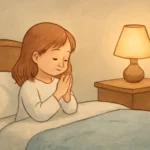
Nighttime is a season of quiet, when the world slows and the mind processes the day’s experiences. For many people, however, this quiet can be punctuated by bad dreams or nightmares—visions that feel vivid, unsettling, or even terrifying as the lights go out. In such moments, a Prayer Against Bad Dreams or a deliberate night prayer can serve as a safeguard for the sleep that follows. This article explores how prayer can function as a practical, spiritual, and emotional tool for guarding your sleep, along with ready-to-use prayers, guidance for personalizing your practice, and complements to enhance sleep hygiene.
It is important to recognize that prayer is not a magic wand but a means to invite calm, focus, and a sense of protection. When paired with healthy sleep habits and, when needed, professional help for persistent distressing dreams, prayer can become part of a holistic approach to restful nights. This article presents a broad view—from foundational ideas about why nightmares occur to concrete prayer variations you can adapt to your faith tradition, temperament, and daily life.
Understanding Bad Dreams and Their Origins
Before exploring prayer strategies, it is helpful to understand why nightmares happen. Bad dreams can arise from a complex mix of factors, including stress, anxiety, trauma, sleep debt, caffeine or alcohol consumption, illness, or medications. Even ordinary worries can surface in dreams in unusually vivid ways. For some people, dreams reflect unresolved emotions, past experiences, or fears about the future. In many spiritual and cultural traditions, dreams are also seen as messages, warnings, or opportunities to grow, which can intensify the emotional impact of a nightmare.
Understanding does not erase fear, but it can embolden your response. When you pair this awareness with a protective night routine—which can include prayer, breathing techniques, grounding exercises, and a soothing sleep environment—you give yourself a framework for staying centered even when a dream becomes distressing.
The Power of Prayer in Sleep Protection
Prayer can influence the subjective experience of sleep in several ways. First, it can promote calmness and rhythmic breathing, reducing physiological arousal that fuels nightmares. Second, it can establish a sense of spiritual shelter—a felt presence that you can lean on when fear arises. Third, it can shift attention away from distressing fragments of a dream toward a focused intention for safety, peace, and restoration.
Across cultures, people report that prayer helps them process fear, anchor hope, and reframe the night. It is not about denying danger but about acknowledging a greater source of strength—whether you name it as God, the Universe, a higher power, or a personal sense of inner guardianship. An intentional night prayer can become a daily discipline that aligns body, mind, and spirit toward a restful outcome.
Different Variations of Prayer Against Bad Dreams
To support a broad range of readers, this section offers variations of prayer against bad dreams—from short invocations you can recite in seconds to longer, Psalm-inspired prayers that deepen the sense of protection. You can use these as-is or adapt them to fit your own language, tradition, and memory.
Short Nightly Invocations
Short invocations are practical when you go to bed late, wake in the night, or want a quick routine that doesn’t disrupt sleep. A concise night prayer can be spoken aloud or whispered at the edge of consciousness.
“Protect my sleep, shield my dreams, and grant me peaceful rest through the night.”
“Guard me from fear, calm my heart, and let calm return with morning light.”
“I seek safety in this darkness; may every dream be guided toward healing and rest.”
Psalm-Inspired and Scriptural Prayers
For many readers, drawing on scripture offers a familiar language of protection. You can recite verses that embody trust, refuge, and divine guardianship, either in full or in brief selections. The act of pairing a scriptural blessing with a personal request for protection can deepen the sense of meaning and intention.
“The Lord is my shepherd, I shall not want; He makes me lie down in green pastures. He leads me beside still waters.”—a framing of safety and gentle rest.
“You, O Lord, are a shield around me; my glory, and the One who lifts my head.” (A paraphrase of Psalm 3:3)
“I will lie down and sleep in peace, for you alone, O Lord, make me dwell in safety.” (Psalm 4:8)
“Bless the Lord, who gives sleep to His beloved—may His protection surround me tonight.”
Guardian‑Focused Prayers
These prayers invite the presence of protective forces—whether angels, ancestors, or a higher spiritual authority. The language can be adapted to honor your traditions, while emphasizing a sense of guarding and care.
“Angels of protection, stand watch over my bed; I rest in your care and awaken refreshed.”
“I call on all benevolent guardians to surround me with light and keep my dreams free from harm.”
“May a circle of divine guardians shield my sleep from fear and guide my dreams toward healing.”
Personalized, Gratitude-Centered Prayers
A prayer that blends gratitude with protection can counter fear by reframing the night as a gift. You can tailor these to your values and circumstances.
“Thank you for the day I had, and I entrust the night to your care. May gratitude fill my heart as I sleep.”
“I am grateful for rest, and I ask for safety in this quiet hour. May my dreams be gentle and restorative.”
“With a calm breath, I release today and embrace the protection that surrounds me as I drift to sleep.”
Breath-Malalignment and Prayer Pairings
Pairing prayer with breathwork can be especially effective. Slow, deliberate breaths can reduce physiological arousal and create a receptive state for prayer. Consider simple pairings such as inhaling with a phrase, exhaling with another, or repeating a short line while counting breaths.
If you want a repeatable routine, use this structured approach to build a consistent night prayer practice. It blends prayer with practical steps that support safe, restful sleep.
Prepare the environment: dim the lights, remove bright screens, and create a calm space. A comfortable bed, clean sheets, and a cool room can help reduce sleep disturbances. Optional: a comforting scent, such as lavender, can support relaxation if you react well to it.
Center with breath: take 4 slow counts in, 4 hold, 6 out, or a 4-6-8 rhythm that feels natural to you. Let the body settle and the mind quiet.
Affirm protection: recite a brief line or two from your chosen prayers. Name the source of protection you align with—whether it’s a faith tradition, a guiding spirit, or a personal sense of inner strength.
Recite your prayers: speak your chosen verses, invocations, or personal statements. You can rotate among short invocations, longer psalm-based prayers, and guardian-focused petitions across the week.
Visualize a shield or light: imagine a circle or cocoon of protective light around your bed. Visualize this shield gently absorbing any distressing energy and transforming it into calmness.
Gratitude and surrender: end with a moment of gratitude for rest and a sense of surrender to the night’s care, no matter what the dreams may bring.
Keep a dream journal: next morning, jot down any dreams you remember, thoughts you had upon waking, and themes you noticed. This can help you track patterns and discuss persistent concerns with a professional if needed.
Practical Guidance for Personalizing Your Night Prayer
Personalization matters. The most powerful prayers are often those that reflect your deepest needs, beliefs, and everyday life. Consider these approaches to tailor a Prayer Against Bad Dreams that truly resonates:
Language: use words that feel natural to you. If traditional phrasing feels distant, rewrite it in your own voice while preserving the core intention—protection, peace, and restoration.
Tempo and form: alternate between spoken prayers, whispered prayers, or silent intention. Some people respond better to a rhythmic cadence; others prefer straightforward prose.
Tradition blending: you can blend elements from multiple traditions—scripture, poetry, spiritual guides, or personal affirmations—so long as the practice remains respectful and meaningful to you.
Time of day: some people prefer a pre-bed routine, while others benefit from a brief moment of prayer during nighttime awakenings or in a mid-sleep pause to re-center.
Inclusion of others: consider praying for loved ones or for healing of collective fears. Intercessory prayer can broaden the sense of protection beyond the self.
Additional Techniques That Complement Prayer
Prayer works best when combined with practical strategies that support sound sleep. The following techniques can complement your prayers and reduce the likelihood of distressing dreams.
Sleep hygiene: maintain a consistent sleep schedule, limit caffeine later in the day, avoid heavy meals before bed, and minimize screen exposure in the hour before sleep.
Grounding exercises: if fear intensifies at night, try grounding strategies such as naming five things you can see, four you can touch, three you can hear, two you can smell, and one you can taste.
Breathing techniques: the 4-7-8 method or box breathing (4 in, 4 hold, 4 out, 4 hold) can calm the nervous system and prepare the mind for peaceful sleep.
Soothing routines: consider a warm bath, gentle stretching, soft music, or a comforting object (a favorite blanket or pillow) to anchor you in safety.
Journaling: a few minutes of writing before bed can help release worries and create a sense of closure for the day.
What to Do If Nightmares Persist or Intensify
While prayer and healthy routines can reduce the frequency or intensity of distressing dreams, some individuals may experience persistent nightmares, especially after trauma or during periods of stress. In such cases, consider the following steps:
Consult a professional: a clinician trained in sleep medicine, trauma-informed care, or cognitive-behavioral therapy for nightmares can offer targeted interventions such as imagery rehearsal therapy (IRT) or other evidence-based approaches.
Discuss your dreams with a trusted spiritual mentor, friend, or family member who can provide support and perspective.
Reassess medications and substances: certain medications, alcohol, or stimulants can disrupt sleep and influence dream recall. A medical review can help determine contributing factors.
Reinforce safety and grounding: if nightmares are triggered by real-life anxiety, combine professional guidance with your night-prayer routine to build resilience in the hours before bed.
Prayers You Can Use: Ready-to-Use Texts
Here are ready-to-use options arranged to fit different lengths and moods. You can copy, adapt, and mix them as you wish.
Option A: A Short, Reassuring Invocation
“Protect my sleep, O guardian of the night. Surround me with calm light, guard my dreams from fear, and restore my body and spirit with every breath. Amen.”
“Thank you, gracious source of peace, for the rest I received. May any dreams that visited me be softened by your mercy, and may I wake refreshed, ready to face the new day with courage.”
Option C: Psalm-Inspired Night Prayer (Short)
“The Lord is my refuge at night; I lie down in safety, and my sleep is sweet because you protect me. May the fear of night fade, and may I awaken renewed in your light.”
Option D: Guardian- angels Focused Prayer
“Angels of protection, gather round my bed. Let your quiet presence calm my chest, silence my fears, and guide my dreams toward healing and rest.”
Option E: Longer, Psalm‑Inspired Prayer with Personal Request
“O Source of all comfort, I seek refuge under your wings as I sleep. Shelter me from the shapes of fear and the echoes of distress. Send me a night of gentle dreams and awaken me with gratitude, strength, and clear intention for tomorrow. May your light illuminate my path even in the darkness. Amen.”
Option F: Gratitude-First Night Prayer
“I enter this night grateful for the day’s blessings. I ask for protection over my sleep and for dreams that heal and renew. If fear arises, help me release it with each breath and replace it with trust and peace.”
Integrating Prayer into Your Weekly Routine
Consistency matters. A steady ritual helps you build a predictable, reassuring structure around sleep. You might experiment with different patterns:
Three-phase weekly routine: choose one variation (short invocation, psalm-based, guardian-focused) for Monday, Wednesday, and Friday, and reserve other nights for gratitude-based or personalized prayers.
Seasonal rotations: align your prayers with the seasons or life events. For example, spring may invite renewal language, while winter might emphasize shelter and rest.
Combined practices: pair prayer with a short meditation or a 5-minute mindfulness practice before bed to enhance the sense of safety.
Group or family practice: if appropriate, share a brief collective prayer before bed with loved ones, reinforcing mutual care and protection for all in the household.
Understanding the Limits and Boundaries of Prayer
It is essential to hold expectations realistically. Prayer can nurture peace, but it is not a guarantee against every distressing dream. Some dreams may be deeply rooted in trauma, pain, or physiological processes that require additional support. In such cases:
Allow space for emotions: acknowledge fear or sadness that arises, and treat it with compassion rather than forced positivity.
Balance faith and self-care: prayer should support, not replace, practical care for mental and physical health.
Seek guidance when needed: if dreams persistently disrupt sleep or awaken you with trauma memories, consider speaking with a therapist or counselor, in addition to continuing spiritual practices.
Frequently Asked Questions
Is a long prayer more effective than a short one?
Effectiveness is personal. A short, sincere prayer can be as powerful as a lengthy one if it brings calm, focus, and a sense of protection. The key is consistency and genuine intention.
Can I use prayers from multiple traditions?
Yes. Many people find value in drawing from diverse sources as long as the practice respects each tradition’s integrity and aligns with your beliefs and comfort level.
What if I don’t believe in a higher power?
Prayers, invocations, and affirmations can be reframed as intentions for safety, peace, and healing, spoken aloud or whispered to yourself, to create a sense of psychological and emotional protection during sleep.
Closing Thoughts: The Value of a Night Prayer
A night prayer against bad dreams can be a meaningful, practical habit that helps you transition from daytime concerns to nighttime rest. It offers a framework for cultivating calm, resilience, and hopeful anticipation for the morning. By pairing prayer with sleep-friendly habits, you create a holistic system designed to honor your need for rest while honoring your beliefs and values.
Sample Night-Prayer Toolkit: Quick Reference
If you like, save these elements as a quick reference to assemble your own Prayer Against Bad Dreams in minutes:
Two to three short invocations or a single line you repeat as you lie down.
A psalm line or a short blessing for protection and peace.
A guardian-focused phrase inviting protective presence and rest.
A sentence of gratitude for the day and faith in the night’s care.
A breath-based reset, using a simple rhythm to calm the nervous system.
Final Note: Embracing a Prayerful Night as a Practice
If you approach prayers against nightmares with sincerity, curiosity, and a willingness to adapt, you can build a nightly ritual that soothes anxiety, fosters trust, and improves sleep quality. The journey is personal and ongoing. Allow your practice to grow with you, and remember that you are not alone in seeking safe, restorative sleep. May your nights be peaceful, your dreams gentle, and your mornings bright with renewed energy and hope.










Leave a Reply