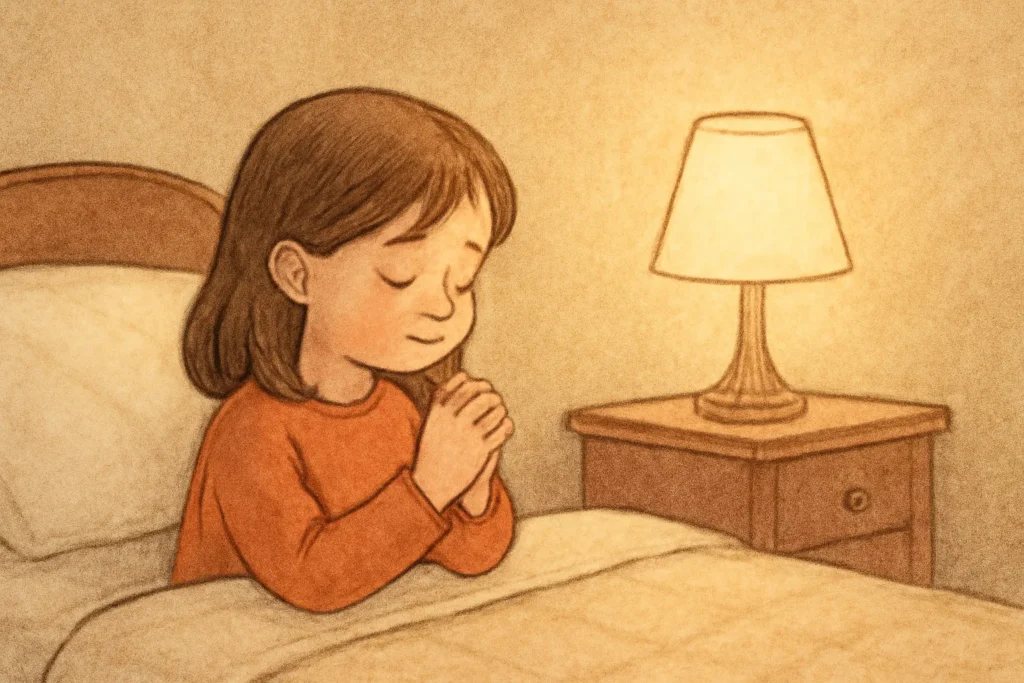
For generations, people have turned to evening prayers as a gentle transition from the bustle of the day to the quiet of night. A well-timed bedtime prayer can calm the mind, soften the anxiety, and invite a sense of peaceful sleep that carries you through the night. The practice isn’t about rigid ritual alone; it is a moment of intention—an opportunity to pause, reflect, and connect with something larger than yourself, whether that is a divine presence, a universal energy, or a personal sense of inner mercy.
In this article, you will find 25 evening prayers designed to offer breadth across traditions and styles. Each entry includes a brief explanation of its purpose, a version of the prayer text, and suggestions for how to adapt it to your own routine. Whether you come from a specific faith tradition or you practice a secular form of mindfulness, the common thread is clear: a deliberate closing of the day that fosters gratitude, forgiveness, and a safe, restful night.
How to Use These Prayers: Practical Tips for a Nightly Ritual
A bedtime prayer works best when it becomes a personal ritual rather than a checklist. Here are practical ideas to help you integrate these prayers smoothly:
Choose a consistent time: aim to begin your prayer routine within 15–20 minutes of turning off screens and dimming lights.
Set a calm space: a softly lit room, a cushion or chair, and a moment of slow breathing before you begin can deepen the sense of calm.
Use breath as a bridge: pair each line of the prayer with a slow inhale or exhale to anchor your mind in the present moment.
Adapt language: translate or rephrase prayers into your own words so the sentiment feels true to your heart.
Combine formats: you may blend a short prayer with a brief moment of gratitude journaling or a few minutes of loving-kindness meditation.
Share with family: if you live with others, invite them to join or take turns leading a nightly prayer to strengthen family bonds and collective peace.
The diversity of these 25 prayers reflects how people approach the night from many angles. Some are concise, some are lyrical, and some invite contemplation about forgiveness, safety, or the welfare of others. The aim is restful sleep that rests not only the body but also the troubled thoughts of the day.
25 Evening Prayers for Peaceful Sleep
1. Now I Lay Me Down to Sleep (Christian bedtime classic)
Text (traditional form): "Now I lay me down to sleep, I pray the Lord my soul to keep. If I should die before I wake, I pray the Lord my soul to take. Amen." This short prayer is a quiet declaration of trust in God’s care during the night. It centers the sleeper on a single, clear connection to the divine and invites a night of peaceful sleep and safety.
How to use: recite the lines slowly, then take three deep breaths, releasing the day with each exhale. If you’re not comfortable with the exact phrasing, you can adapt it into your own words, keeping the sense of trust and surrender. This prayer is especially soothing for children and adults alike, because its rhythm creates a gentle lullaby for the soul.
2. The Nightly Lord’s Prayer (Our Father) — Brief adaptation for bedtime
Text (paraphrased for night): “Our Father in heaven, hallowed be your name. May your peace come to our home tonight. May your will be done in our lives as it is done in heaven. Give us today what we need, and forgive our mistakes as we forgive those who have wronged us. Protect us from what tempts us and guide us toward your good.” Amen.
Note: The Lord’s Prayer is a classic. A bedtime adaptation emphasizes mercy, protection, and moral alignment for the night. If you prefer the original wording, you can recite it in full and add a closing sentence of gratitude for the day’s gifts. This practice grounds the day in a sense of grace and protection.
3. Psalm 4:8 — A Scripture for Safety
Text (King James-style phrasing): “In peace I will both lie down and sleep: for thou, Lord, only makest me dwell in safety.”
Reflection: A short scriptural line like this can anchor the heart in the promise of safety and rest. You can add a personal line afterward, such as, “May our home be a place of quiet mercy and rest tonight.”
4. Guardian Angel Prayer (Catholic tradition)
Text: “Angel of God, my guardian dear, to whom God’s love commits me here, ever this night be at my side, to light, to guard, to rule, and to keep me. Amen.”
Use: This simple invocation invites a protective, guiding presence through the night and helps cultivate a sense of safety for all who sleep under your roof.
5. Shema Yisrael — Nighttime Recitation (Judaism)
Text (short form): “Hear, O Israel: the Lord is our God, the Lord is One.” A nighttime variation can be followed by a personal blessing for family’s wellbeing.
Purpose: The Shema is a central declaration of faith. Ending the day with a single, focused line helps calm the active mind and re-center attention on what matters most—love, unity, and the presence of the divine in daily life.
6. Dua for Sleep and Protection (Islam) — Short form
Text (traditional): “Bismika Allahumma amutu wa ahya.” Translation: “In Your name, O Allah, I die and live.”
Usage: This compact dua can be whispered as you lie down, pressing the sense of safety and submission to God’s care for the night.
Text (brief): “Allahumma inni a’udhu bika min al-kasali, wa sufri al-qalb, wa min fitnatil-dunya, wa min ‘adhabi al-qabri.” Translation: “O Allah, I seek refuge in You from laziness, and from fear in the heart, and from the temptations of this world, and from the punishment of the grave.”
Reflection: This longer dua can be used on tougher days to release worry and invite a calm mind as you prepare for rest.
8. Lokah Samastah Sukhino Bhavantu — Hindu blessing for all beings
Text (transliteration): “Lokah Samastah Sukhino Bhavantu.” Translation: “May all beings be happy; may all beings be free from suffering; may all beings experience peace.”
Purpose: This universal blessing offers a generous, expansive form of mercy that moves the heart beyond personal concerns toward the welfare of all. Ending the day with compassion can improve your own sleep by reducing inward rumination.
9. Shanti Mantra — Hindu Peace Invocation
Text (short): “Om, shanti, shanti, shanti.” Translation: Peace on every level—body, speech, and mind.
Utilization: Combine the mantra with slow breaths, letting the word “peace” echo as you drift toward sleep. This practice can help release tension and invite a gentle, steady night’s rest.
10. Om Namah Shivaya — Hindu devotion
Text (mantra): “Om Namah Shivaya.”
Insight: Repetition of a sacred syllable can soothe the nervous system and invite a sense of stillness as the day ends. If you wish, add a brief intention for sleeping well and waking refreshed.
11. Metta Night Meditation — Buddhist loving-kindness
Text (opening phrases): “May I be safe. May I be healthy. May I be at ease. May I be at peace.” Then, expanding to others: “May all beings be safe, be healthy, be at ease, be at peace.”
Practice: This is a gentle, inward form of loving-kindness that reduces self-criticism and cultivates a compassionate mood as you fall asleep.
12. Buddhist Night Refuge — A simple refuge in truth
Text (brief): “I take refuge in the Buddha, the Dharma, and the Sangha. May the night be calm, and may the dawn bring clarity.”
Benefit: Reciting a short “refuge” statement can anchor the mind in present-moment awareness and invite a gentle, non-distracted path into sleep.
13. Gratitude for Today — A secular nightly reflection
Text (short): “Today I am grateful for the small wins, the people I love, and the lessons I learned. May I sleep well and wake with a lighter heart.”
Why it helps: Acknowledge gratitude to convert lingering stress into a sense of contentment and to raise the likelihood of a restful night.
14. Forgiveness and Release — Letting go of the day’s burden
Text (paraphrase): “I release what I did not solve today. I forgive others for their hurts, and I forgive myself for my mistakes. Tonight I choose peace.”
Benefit: Forgiveness can unclench the heart and reduce rumination, paving the way for deep sleep.
15. Family Blessing Night Prayer — For loved ones
Text (original): “May each member of this home be safe, loved, and cared for. May our dreams be gentle, and may our hearts return to the light of tomorrow with strength.”
Use: A family blessing cultivates a shared sense of security and mutual care, helping everyone fall asleep with a feeling of belonging.
16. Healing and Rest Prayer — Body and spirit
Text (original): “May my body rest in healing and my mind settle into quiet. May sleep restore energy, and may I wake ready to serve with compassion.”
Purpose: This prayer is especially helpful for anyone carrying physical or emotional pain, inviting the body to accept rest as a natural part of healing.
17. Calm Mind Practice — A simple, secular breath-prayer
Text (brief): “Breathing in, I am present; breathing out, I release. I rest in the space between.”
Practice: Pair the phrase with a few cycles of slow, even breaths. This technique is powerful for anxiety reduction and for guiding the mind toward stillness.
18. Nightly Blessing for Children — Gentle bedtime text
Text: “Little one, may your dreams be sweet, your heart be brave, and may you wake to a new day full of wonder. I am here with you as you sleep.”
Use: For families with kids, this kind of blessing helps create a sense of security and parental love that fosters a calm, deep sleep.
19. Interfaith Night Peace — A short inclusive prayer
Text (brief): “May this night be calm. May compassion guide our thoughts, mercy soften our hearts, and peace rest upon our homes.”
Purpose: An inclusive prayer honors the shared longing for peace and sleep’s safety across beliefs.
20. Earth-Centered Night Blessing — Nature-based restful prayer
Text (short): “May the earth cradle us in rest. May the stars watch over us, and may dawn bring renewal.”
Benefit: Grounding the night in nature-related imagery can invite a soft, natural sense of rest.
21. Light and Shadow Prayer — Balancing emotion
Text (paraphrase): “May light illuminate what is true; may shadow soften what is heavy. Tonight I am safe, and tomorrow I grow stronger.”
Text (short): “May this home be kept safe through the night. May doors be closed against danger and open only to mercy.”
Purpose: A home-centered blessing can anchor a sense of security for everyone under the roof.
24. Forgiveness of Self and Others — Releasing the day
Text (gentle): “I release the day’s hurts, I forgive myself, and I breathe in the possibility of a fresh start with tomorrow.”
Benefit: Carrying forgiveness into sleep tends to shorten lingering regrets and invites deeper, more refreshing rest.
25. Closing Interfaith Night Reflection — A unifying moment
Text (brief): “May we be safe, may we be healthy, may we be at ease, may we rest in peace.”
Use: Close your list with a brief interfaith sentiment to set a tone of peace and shared humanity as you drift to sleep.
Variations and How to Personalize Your Evening Prayers
The prayers above are designed to be adaptable to different faith traditions and personal beliefs. You may mix and match lines, add a brief moment of gratitude for personal blessings, or include a short prayer for people you know who are facing hardship. Here are a few approaches to customize your routine:
Combine prayers by theme: start with gratitude, move to protection, then finish with a long, centered intention for peaceful sleep.
Pair with a short breath practice: inhale for a four-count, exhale for a six-count while repeating a chosen verse or phrase.
Offer prayers for others: include a brief line for loved ones, neighbors, and those in need. Acts of mercy can extend the reach of your rest to others.
Use a journal or card: keep a small card with your chosen prayers by your bed. Reading from a card can help you stay focused and reduce wandering thoughts.
Adjust for children: when praying with kids, invite them to repeat lines with you or to create a personal blessing for someone they love. A kid-friendly version often strengthens bedtime routines and fosters trust.
Whether you prefer ancient prayers or modern, mindful practices, the essential goal remains the same: to end the day with intention, mercy, and a heart open to rest. Regular bedtime prayer can improve sleep quality, reduce ruminative thoughts, and cultivate a daily practice of self-compassion and kindness.
Closing Thoughts: Creating a Lasting Bedtime Habit
A nightly prayer is more than a moment of spoken words. It is a ritual that communicates care for yourself and others, a pause that invites your body to release tension, and a reminder that the night is a time for restoration and renewal. By embracing a flexible, inclusive approach—drawing from Christian, Jewish, Islamic, Hindu, Buddhist, and secular traditions—you can craft a bedtime practice that resonates with your values and supports a truly peaceful sleep.
If you are just beginning, consider selecting one or two prayers from this list and keeping them simple for the first week. Over time, you may widen your repertoire, adding personal notes or new lines that reflect your evolving spiritual or secular understanding. The most important elements are intention, presence, and a consistent moment of quiet before the day ends. In that spirit, may your evenings be blessed with gentle rest, your dawns with renewed clarity, and your life with ongoing peace.











Leave a Reply