Questions About Christianity Religion: FAQs and Clear Answers
Questions About Christianity Religion: FAQs and Clear Answers
This article gathers commonly asked questions about Christianity and provides clear, accessible explanations. It is designed for newcomers, students, and curious readers who want reliable guidance on the basics, as well as more nuanced topics within the Christian tradition. While there is a vast diversity of beliefs and practices across denominations, many core questions share a common center: who God is, who Jesus is, what the Bible teaches, and how Christians live out their faith in daily life.
At its root, Christianity is a faith centered on the life, teaching, death, and resurrection of Jesus Christ. Believers affirm that Jesus is the Son of God who came into the world to redeem humanity from sin and to restore a broken relationship with God. Across history and geography, Christians have gathered in communities to worship, study the Bible, pray, and serve others. While there are many denominations—each with its own distinctive practices—most Christians concur on certain foundational claims:
The belief in one God, who exists in a complex unity as the Trinity (Father, Son, and Holy Spirit).
The authority of the Bible as a sacred text inspired by God.
The central role of Jesus as the Messiah who fulfills the promises of Scripture.
The offer of salvation by God's grace through faith, rather than by human effort alone.
The practice of communal worship, baptism, and the Lord's Supper (also called Communion) within various traditions.
In addition to these core elements, Christians engage with a wide range of theological interpretations, liturgical practices, and ethical commitments. The diversity is real, but the shared desire is to know and follow God as revealed in the life of Jesus.
What are the core beliefs of Christianity?
The core beliefs of Christianity are often summarized through creeds, catechisms, and confessed summaries. Here are some of the essential doctrines that many Christians consider non-negotiable or highly central:
God as the eternal Creator who invites relationship with humanity.
The Trinity: one God in three persons—Father, Son, and Holy Spirit.
The incarnation of Jesus—that Jesus, though fully divine, took on human nature.
The atonement—Jesus' death on the cross as a sacrifice for sins and a bridge to reconciliation with God.
The resurrection of Jesus from the dead—proof of victory over sin and death and a guarantee of eternal life for believers.
The salvation offered by grace through faith—not by human works, but by trusting in Jesus.
The Bible as the inspired word of God, guiding faith and practice.
The life of discipleship—following Jesus in love, service, ethical living, and mission in the world.
Denominations may differ in emphasis—such as views on sacraments, church governance, or the nature of grace—but these elements consistently appear in conversations about the Christian faith.
Who is Jesus Christ and why is he central to Christianity?
Jesus occupies a central place in Christian faith because Christians believe he is both fully God and fully human, a combination known as the doctrine of the incarnation. The biblical narratives present Jesus as:
The Word became flesh, who dwelt among people and revealed the character of God (John 1:14).
One who teaches with authority, fulfills Old Testament prophecies, and reveals God’s plan for the world.
The one who suffers and dies on the cross, bearing the weight of sin and offering reconciliation.
The one who rises from the dead, providing the ultimate triumph over death and a path to eternal life for believers.
The significance of Jesus is often summarized in the phrase Christology—the study of who Jesus is and what his life means. Christians trust that Jesus' life models perfect love and obedience, his death accomplishes forgiveness, and his resurrection guarantees hope for the future. This triad—life, death, and resurrection—constitutes the heart of the Christian message: a call to repentance, faith, and followership.
What is the Trinity and how do Christians understand God?
The doctrine of the Trinity holds that there is one true God who exists eternally as three distinct persons: the Father, the Son, and the Holy Spirit. Each person is fully God, sharing the same divine essence, yet there is one God, not three gods. This concept helps Christians appreciate God’s unity while also recognizing the distinct roles God plays in creation, salvation, and the life of the Church.
The Father is often associated with creation, providence, and the initiation of salvation.
The Son (Jesus) is the Word made flesh who reveals God to humanity and accomplishes redemption.
The Holy Spirit is the presence of God with believers, empowering, guiding, convicting, and shaping the church.
Different Christian traditions articulate the Trinity with nuance, but the basic idea remains that God is one being who exists in three persons. This mystery is a source of awe and a cornerstone of Christian worship. It also shapes how Christians speak about God’s love, power, and relational life within the divine own being.
How do Christians read the Bible and determine its meaning?
The Bible is central to Christian faith and practice, but Christians disagree about how to interpret it. There are multiple perspectives on biblical interpretation, but most share these elements:
The Bible is considered inspired by God and authoritative for faith and life.
It contains diverse literary forms—narrative history, poetry, prophecy, wisdom literature, epistles, and apocalyptic writings.
Interpretation often involves considering the historical context, the literary genre, the original audience, and the overarching story of God’s redemption.
Communities, pastors, theologians, and lay readers engage with scripture through study, preaching, catechesis, and personal devotion.
Many churches follow a framework that helps interpret the Bible consistently, such as recognizing the overarching arc from creation to restoration, or reading passages in light of the life and teaching of Jesus. Some denominations emphasize literal readings of certain parts, while others employ more symbolic or allegorical approaches—each aiming to be faithful and humane in applying timeless truths to contemporary life.
What is the gospel message in Christianity?
The word gospel means “good news.” In Christian terms, it is the news that God, in love, offers forgiveness and renewal to people through faith in Jesus. The core elements of the gospel typically include:
Human beings are separated from God by sin but are invited to reconciliation.
Jesus lived a perfect life, died on the cross, and rose again to defeat sin and death.
Salvation is a gift of grace received through faith (trusting in Jesus), not earned by works.
Those who trust in Jesus are adopted into God’s family, empowered by the Holy Spirit, and called to live in accordance with God's purposes.
The gospel is not merely abstract theology; it is a transformative invitation that shapes personal identity, relationships, and mission in the world. It emphasizes God’s initiative in salvation and human response through faith, repentance, and obedience, all within a community of believers called the Church.
What are the differences in how Christians understand salvation and grace?
While Christians share a belief that salvation comes from God, they may differ in how they describe the role of grace, faith, and works. Here are some common strands:
Grace as the unmerited favor of God is foundational for most traditions. It is God’s gift, not something earned by human effort.
Some traditions emphasize salvation as a single moment of faith (often called “justification by faith”), while others emphasize ongoing formation, conversion, and sanctification as part of the Christian life.
The debate about the role of works centers on whether good deeds are required as evidence of faith or as part of the process of being saved; most Christians agree that genuine faith produces a transformed life and acts of love.
Views on how salvation intersects with
church membership, baptism, and the Lord’s Supper vary among traditions—but all typically hold that these practices participate in God’s saving work in some way.
In short, salvation in Christianity is typically understood as God’s initiative of grace extended to people through Jesus, received by faith, resulting in new life and communion with God.
What are the main sacraments or ordinances in Christianity?
Different Christian traditions call them differently—some call them sacraments, others call them ordinances—but many agree that they are visible signs of spiritual realities. The most universally recognized practices are:
Baptism: often considered the entry into the Christian community. Some traditions practice infant baptism; others practice believer’s baptism after a profession of faith.
TheLord's Supper (Communion or Eucharist): a ritual meal commemorating Jesus’ Last Supper with his disciples, symbolizing fellowship with Christ and, in some traditions, the nourishment of the community by grace.
Other practices exist depending on tradition, such as confirmation, confession, ordination, and various forms of liturgical or prayer practices. Understanding the exact meaning and number of sacraments can illuminate the distinctive emphasis of a particular tradition, but all these practices point to God’s ongoing presence and work in the life of the church.
What is prayer and worship like in Christianity?
Prayer and worship are central to Christian life, serving as means of relationship with God, growth in faith, and expression of devotion. Prayer can be:
Communal or private; formal liturgies or spontaneous expressions.
Adoration, confession, gratitude, and requests for guidance or intervention.
Centered on Jesus as the mediator and example of how to approach God.
Worship varies widely by tradition. Some emphasize structured liturgies with set prayers, readings, and creeds; others favor contemporary music and informal gatherings. Across these forms, the aim is to honor God, to shape the character of believers, and to foster mutual care within the church.
How does Christianity view suffering, evil, and the problem of pain?
The problem of suffering is one of the most persistent questions within theology. Christians address it in several ways:
God is good and sovereign, yet human beings live in a world affected by sin and brokenness.
Jesus’ life includes suffering and ministry to those who are hurting, giving Christians a model for compassion and resilience.
Hope in the resurrection and eternal life provides a framework for endurance and meaning in the midst of pain.
To some extent, Christians affirm that God can work through suffering to refine faith, develop character, or advance compassion in ways beyond our immediate understanding.
Different traditions stress different aspects of this hope. Some emphasize providence and trust in God’s plan, while others emphasize social action and relief of suffering as concrete manifestations of faith.
How do Christians relate to people of other religions?
Christianity has historically engaged with people of diverse beliefs. Attitudes toward other religions range from exclusivist claims—that Jesus is the unique path to God—to more inclusivist or pluralist understandings that affirm the ways people are drawn toward God through many traditions. Most contemporary Christian communities emphasize:
Respect for human dignity and freedom of conscience.
The importance of sharing the Christian message with love and integrity, often in a respectful, dialogical manner.
Commitment to justice, mercy, and service in a global and interfaith context.
Conversations about religious truth can be nuanced and sensitive. While there is diversity on how to articulate salvation and truth, many Christians agree on the centrality of Jesus, the call to love neighbor, and the invitation to live out a transformative faith in daily life.
What is the difference between the Roman Catholic, Orthodox, and Protestant branches of Christianity?
The three broad families of Christianity—Catholic, Orthodox, and Protestant—share core beliefs but differ in governance, sacraments, traditions, and some theological emphases:
Roman Catholic Church emphasizes apostolic succession, the authority of the Pope, and a rich sacramental life, including seven canonical sacraments.
Orthodox churches emphasize continuity with the early church, liturgical richness, and conciliar leadership, with a focus on mystery and a strong sense of tradition.
Protestant churches typically prioritize the authority of Scripture, the priesthood of all believers, and justification by faith, with varied views on sacraments and church structure.
Despite differences, all these families confess Jesus as Lord and seek to follow him. They differ in emphasis, practice, and ecclesial structure, but each contributes to the broad tapestry of Christianity worldwide.
What is a typical path for someone exploring Christianity?
For someone considering converting or simply learning more, a healthy approach includes:
Reading selected portions of the Bible with guidance from trusted resources or mentors.
Participating in a local church community to experience worship, teaching, and fellowship.
Asking questions about beliefs, doubts, and how faith intersects with life, work, and family.
Exploring the life of Jesus through the Gospels (Matthew, Mark, Luke, and John) and reading a concise creed or summary of faith.
The goal is not just intellectual assent but beginning a relationship with God through Christ, growing in prayer and moral formation, and joining a community that supports compassion, truth, and service.
FAQs for newcomers and curious readers
The following questions are frequently asked by people beginning their exploration of Christianity. Answers provide a concise, accessible summary to help you understand the essentials and point you to further study.
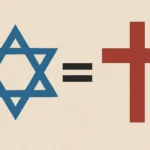
Is Christianity the same as Judaism or Islam?Judaism and Islam are distinct religions with their own beliefs about God, revelation, and practice. Christianity emerged from a Jewish context and centers on Jesus as the Messiah. While Christians affirm common elements with these religions (such as belief in one God and moral guidance), Christians believe that Jesus is the definitive revelation of God and the path to salvation for humanity.
What do Christians believe about salvation for people who haven't heard the gospel? There is a range of views, including trust in God's justice and mercy, the possibility of salvation through Christ known in ways beyond explicit belief, and the importance of living in ways consistent with God's will. Different traditions hold varied positions on this matter.
How should I approach disagreements within Christianity? Healthy disagreement has existed since the early church. Seek sources from trusted theologians, engage respectfully with others who hold different views, and focus on the core: honor for God, love for neighbor, and a faithful witness to Jesus. Reading broadly, praying for wisdom, and participating in a community that values both truth and charity can help.
What role do creeds play in modern Christianity? Creeds have historically served as concise statements of essential beliefs for teaching, baptism, and worship. While some traditions hold fast to them as guardrails of faith, others may place more emphasis on Scripture, personal faith, and lived discipleship. In many churches, creeds are recited as a way to confess shared beliefs together.
Is belief in the Bible necessary for being a Christian? Most traditions affirm the Bible as foundational for faith and practice. However, there is variation in how strictly individuals interpret every verse. The emphasis is generally on trusting in Christ, following him, and allowing Scripture to shape life and conscience over time.
What about miracles, prophecies, and supernatural experiences? Christians hold a range of perspectives. Some affirm ongoing spiritual gifts and miracles, while others emphasize a more cautious, faith-centered approach. The core is trust in God and a reverent use of spiritual experiences in line with love, truth, and the common good.
How should I decide which church to join? Consider whether the church teaches the gospel clearly, fosters a welcoming community, aligns with your understanding of Jesus, and encourages spiritual growth and service. Visiting several congregations can help you sense where you feel most supported in your faith journey.
What is the best way to study Bible passages? Start with the historical context and literary genre, read in multiple translations, compare parallel passages, and use reliable study aids or commentaries. Discussing passages with a pastor, teacher, or study group can enhance understanding.
How can I pray if I’m new to faith? Prayer is conversation with God. You can start simply: address God as Father, thank him, confess where you’ve fallen short, ask for guidance, and pray for needs and others. Many Christians also recite prepared prayers or the Lord's Prayer as a model.
What does Christian ethics look like in daily life? Christian ethics emphasize love for God and neighbor, justice, mercy, humility, honesty, and integrity in all relationships, including work, family, and civic life. The specifics can vary, but the aim is to reflect Christ’s character in ordinary and challenging situations.
Historical overview: a brief journey through the development of Christianity
The history of Christianity spans two millennia and includes a broad spectrum of people, cultures, and ideas. A concise timeline helps illuminate how the faith grew and diversified:
Origins in the Jewish milieu of first-century Palestine, centered on the life and teaching of Jesus.
The early church spread across the Mediterranean world, shaping communities and writing scripture.
The Great Schism of 1054 divided the church into Roman Catholic and Eastern Orthodox branches, each with distinct traditions and governance.
The Protestant Reformation in the 16th century, initiated by reformers like Martin Luther and others, led to the emergence of diverse Protestant communities and a renewed emphasis on scripture and faith.
Modern era: Christianity became global, with diverse expressions in Africa, Asia, the Americas, and Europe, addressing social, political, and cultural changes.
The story of Christianity is not merely a chronology of events; it is a living history of people seeking to know God, to love others, and to contribute to the common good through faith in Christ.
Closing reflections: reading, learning, and growing in faith
This overview has highlighted several common questions about Christianity and offered concise explanations. If you are exploring faith, here are a few guiding principles:
Engage with the Bible and reliable teachings, but also listen to diverse voices within the Christian tradition.
Seek communities that model Christlike love, humility, and service to others.
Be honest about questions and doubts; a faith that lasts is often tested and refined through inquiry and practice.
Remember that the goal is a relationship with God through Jesus, lived out in love for neighbors and a life shaped by truth and mercy.
Whether you are a long-time believer seeking deeper understanding or a newcomer asking basic questions, the journey of exploring Christianity can be rich, challenging, and deeply meaningful. May you find clarity, grace, and the joy of walking with God in the days ahead.








Leave a Reply