Saint Anthony — Patron of Lost Things | Life, Miracles, and Devotion
Saint Anthony — Patron of Lost Things | Life, Miracles, and Devotion
Saints and Martyrs · patronos
Saint Anthony — Patron of Lost Things | Life, Miracles, and Devotion
June 13
patronos Saint Anthony — Patron of Lost Things
Saint Anthony of Padua was a Portuguese Catholic friar and preacher of the 13th century, renowned for his eloquence and dedication to the poor. He remains one of the most venerated saints for his profound ability to intercede for those seeking lost items and guidance. Born in Lisbon around 1195, he joined the Franciscan Order and quickly gained recognition for his theological knowledge and humility. His life exemplifies unwavering faith and devotion to spreading the Gospel message through humble service and miraculous deeds.
The name Anthony originates from the Latin name 'Antonius,' of uncertain etymology, possibly linked to ancient Roman family names. It may derive from the Greek 'Anthos,' meaning flower, symbolizing beauty or flourishing, or from a lost Latin root associated with value. The name gained popularity due to Saint Anthony's reputation for guiding people through difficult searches and life's uncertainties, symbolically representing hope and perseverance in Christian tradition.
Feast Day
June 13
Related Bible Verses
Matthew 7:7
Ask, and it will be given to you; seek, and you will find; knock, and it will be opened to you.
This verse reflects Saint Anthony’s role as an intercessor who encourages believers to seek divine help in all their needs, especially in finding what is lost.
Luke 11:9
So I say to you, ask, and it will be given to you; seek, and you will find; knock, and it will be opened to you.
This verse emphasizes the importance of persistent prayer, a quality Saint Anthony exemplified in his life and teachings.
John 14:14
If you ask anything in my name, I will do it.
This encourages the faithful to invoke Saint Anthony's intercession with confidence, trusting in Christ's promise.
Martyrdom and Canonization
Saint Anthony is venerated as a miracle worker and a model of heroic virtue. He died in 1231 in Padua, Italy, after inspiring many through his sermons and acts of charity, often healing the sick and helping those in need. His cause for canonization was opened shortly after his death, and he was canonized in 1232 by Pope Gregory IX, just one year later—an unprecedented event. Miracles attributed to him include numerous healings, particularly of lost items, which cement his reputation as the patron of lost things. His canonization recognized his heroic virtue and the widespread devotion he inspired during his lifetime and beyond.
Miracles and Apparitions
Saint Anthony's most famous verified miracle involves the recovery of a stolen or lost object, often a religious item or personal belonging, through his intercession. Reported apparitions and healings continue to be documented by the Church, especially in places dedicated to him, such as the Basilica of Saint Anthony in Padua. Many believers testify to miraculous recoveries of lost loved ones, health, and spiritual blessings attributed to prayers and novenas dedicated to him. The Church carefully investigates these miracles, affirming their divine origin as signs of his ongoing intercession and sainthood.
Prayer and Devotion
Devotees commonly pray the Saint Anthony novena, especially when seeking help in finding lost items or guidance in difficult situations. Medals, scapulars, and statues depicting him holding the Child Jesus or a loaf of bread are popular devotions. Many visit shrines dedicated to Saint Anthony on his feast day, offering prayers and promises to seek his intercession. The faithful invoke his aid through traditional prayers, trusting in his compassionate help for material needs and spiritual wellbeing, fostering a deep growing trust in divine providence.
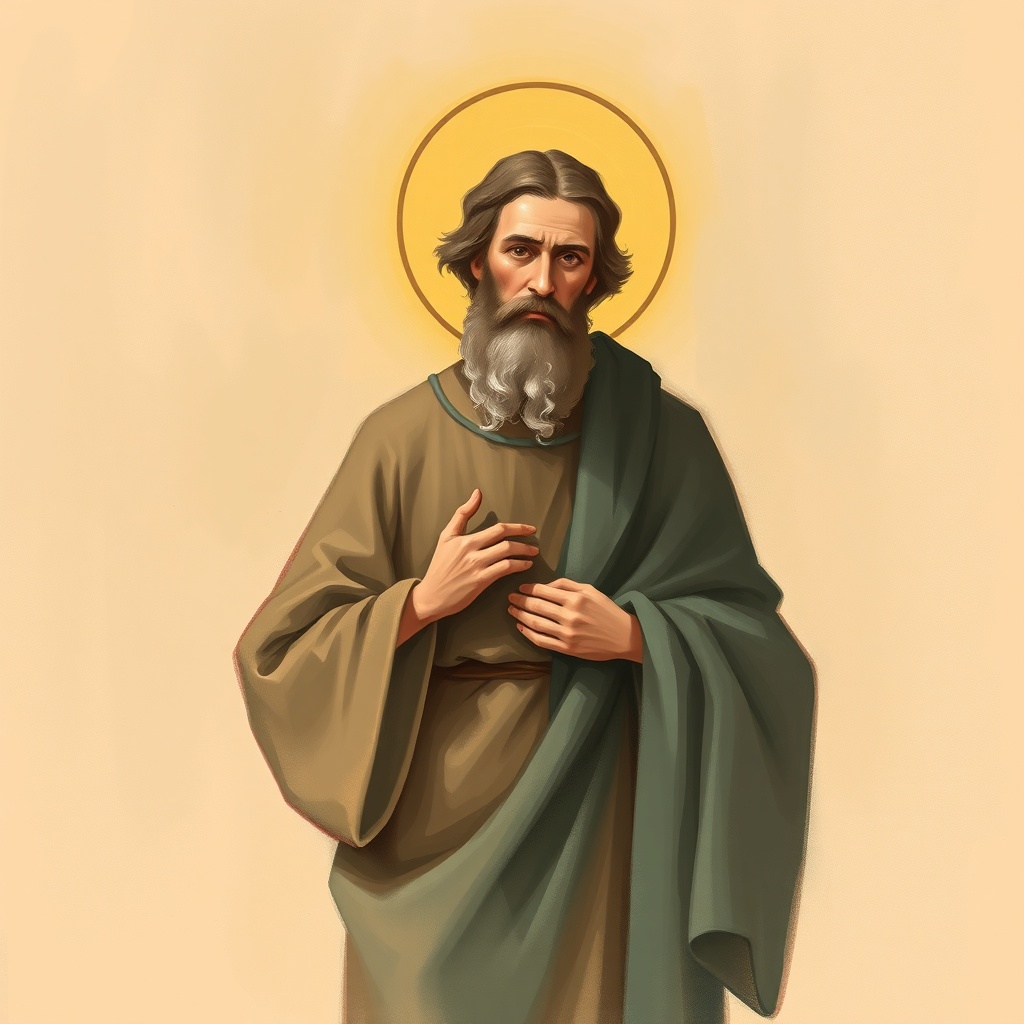
Saint Anthony is often depicted with a lily, symbolizing purity and sanctity, and his images frequently show him holding the infant Jesus, emphasizing his close relationship with Christ. His relics are believed to have miraculous healing powers, attracting pilgrims from around the world to his tomb in Padua, making him one of the most venerated saints in Catholic tradition.
Frequently Asked Questions
How is Saint Anthony traditionally invoked?
People often pray the Saint Anthony novena or recite specific prayers like the 'Litany of Saint Anthony' to seek his intercession, especially for lost objects, trusting in his reputation as the 'finder of lost things.'
Why is Saint Anthony called the patron of the poor?
Because of his life of humility and service to the needy, Saint Anthony dedicated himself to caring for the poor and spreading compassion, which earned him this patronage.
Are there any specific symbols associated with Saint Anthony?
Yes, he is often depicted holding the Child Jesus, a lily symbolizing purity, or a loaf of bread representing his charity and service, which are common artistic symbols in his iconography.