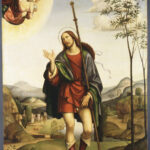
Saint Luke — Patron of Physicians | Life, Miracles, and Devotion
Saint Luke — Patron of Physicians | Life, Miracles, and Devotion
Saints and Martyrs · patronos
Saint Luke — Patron of Physicians | Life, Miracles, and Devotion
October 18
patronos Saint Luke — Patron of Physicians
Saint Luke was a physician and one of the Four Evangelists, traditionally credited with authoring the Gospel of Luke and the Acts of the Apostles. Living in the first century, he was a companion of Saint Paul and played a vital role in spreading Christianity among Gentiles. Venerated as the patron saint of physicians, Luke exemplifies compassion, healing, and theological insight. His life emphasizes the integration of faith and healing, making him a revered figure in Christian tradition.
The name Luke derives from the Latin name 'Lucas,' which in turn originates from the Greek name 'Loukas.' The Greek root 'lou' means 'light' or 'brightness,' symbolizing enlightenment and clarity. The name was popular in Hellenistic culture, often associated with illumination, insight, and guidance, fitting for a Gospel writer and healer dedicated to bringing spiritual and physical light to others.
Feast Day
October 18
Related Bible Verses
Luke 10:9
Heal the sick who are there and tell them, 'The kingdom of God has come near to you.'
Reflects Luke's mission of healing and spreading God's kingdom, embodying his role as a healer and evangelist.
Colossians 4:14
Dear friend Luke, the doctor, and Demas send greetings.
Highlights Luke's profession as a physician and his close association with early Christian communities.
Luke 24:47
Repentance for the forgiveness of sins will be preached in his name to all nations, beginning at Jerusalem.
Emphasizes Luke's contribution to the Gospel message of salvation and reconciliation.
Martyrdom and Canonization
Saint Luke died a natural death, having dedicated his life to serving Christ through evangelism and healing. His cause for canonization was initiated due to his exemplary faith, virtuous life, and the numerous healings attributed to his intercession. The Church officially recognized his sainthood after miracles were verified through careful investigation, including healings of incurable diseases attributed to his intercession. Canonized in the early centuries, his feast day, October 18, commemorates his role as an evangelist and healer, inspiring countless faithful worldwide. Miracles attributed to Luke often involve healings of physical and spiritual ailments, emphasizing the divine power granted through his intercession.
Miracles and Apparitions
Numerous verified miracles are linked to Saint Luke, especially miraculous healings in hospitals and clinics following prayers for his intercession. Reported apparitions have occasionally occurred, especially in places associated with his relics or shrines dedicated to him, reinforcing his reputation as a healer. The Church has officially recognized some of these healings as miracles through the Congregation for the Causes of Saints, further promoting devotion to Luke as a healer and protector of health. His images are often associated with symbols of medicine, like the staff and serpent, reflecting his role as the patron saint of physicians.
Prayer and Devotion
Devotees often pray to Saint Luke for healing and guidance in medical endeavors, invoking his intercession for physical and spiritual ailments. Novenas, medals, and scapulars bearing his image are popular for seeking his assistance. Many also visit shrines dedicated to Luke, especially in medical institutions, to pray for the sick and healthcare workers. Liturgical prayers and dedicated chaplets are regularly recited, emphasizing trust in his compassionate intercession and fostering a deeper connection between faith and healing.
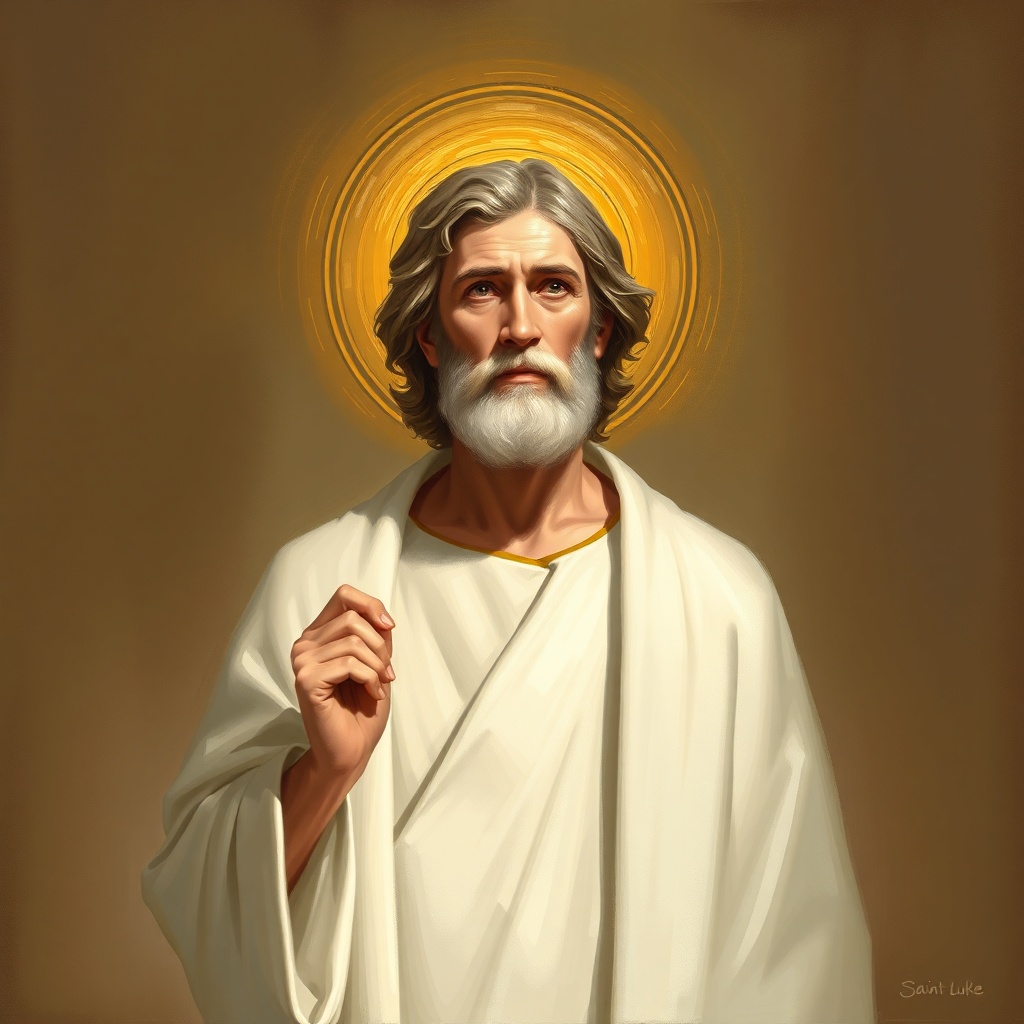
Saint Luke is often depicted in Christian art with a winged ox or bull, symbols inspired by the visions in Ezekiel and Revelation. His relics are kept in various churches, and some say that the oldest Gospel manuscript, Papyrus 52, is attributed to his writing, making him one of the most significant evangelists in history.
Frequently Asked Questions
Why is Saint Luke the patron of physicians?
Because he was a physician and a Gospel writer who combined his healing profession with his role as an evangelist, exemplifying care for both body and soul, as reflected in his writings and deeds.
What are some common symbols associated with Saint Luke?
He is often depicted with a winged ox or bull, symbolizing sacrifice and service, along with a quill or scroll representing his role as an evangelist and author of the Gospel.
How can I seek Saint Luke's intercession for health issues?
You can pray special novenas, wear medals or scapulars dedicated to him, or visit his shrines, asking for his intercession and trusting in God's healing grace through his intercession.