Saint Norbert — Founder of Norbertines | Life and Legacy of the Patron Saint
Saint Norbert — Founder of Norbertines | Life and Legacy of the Patron Saint
Saints and Martyrs · fundadores
Saint Norbert — Founder of Norbertines | Life and Legacy of the Patron Saint
June 6
fundadores Saint Norbert
Saint Norbert was a 12th-century church reformer born in southern France around 1080. Originally a nobleman, he experienced a spiritual awakening leading him to dedicate his life to renewal of the Church. He founded the Norbertines, also known as the Premonstratensians, to promote piety, charity, and pastoral care. He is venerated as a model of humility, reform, and dedication to God’s service during a time of ecclesiastical corruption and social upheaval.
The name Norbert originates from Latin, 'Norbirtus,' meaning 'bright north' or 'bearer of the north,' reflecting his noble European origins. The name combines elements of 'north' and 'bright,' symbolizing enlightenment and guidance. Culturally, the name became associated with leadership and spiritual illumination due to Saint Norbert’s influence on church reform. It signifies a person destined to lead others toward righteousness and divine truth.
Feast Day
June 6
Related Bible Verses
Matthew 5:9
Blessed are the peacemakers, for they shall be called children of God.
This verse reflects Saint Norbert’s commitment to peace, reconciliation, and the fostering of harmony within the Church and society.
Colossians 3:12
Clothe yourselves with compassion, kindness, humility, gentleness, and patience.
A reminder of the virtues Saint Norbert exemplified in his life of service and reform.
Philippians 2:3
Do nothing from selfish ambition or conceit but in humility count others more significant than yourselves.
Saint Norbert’s humility and selflessness embodied this biblical call to servant leadership.
Martyrdom and Canonization
Saint Norbert was canonized due to his heroic virtues, reform efforts, and the numerous miracles attributed to his intercession after death. He died in 1134 and was beatified shortly thereafter, with canonization officially recognized by the Church in 1582 during the papacy of Pope Gregory XIII. His cause for sainthood emphasized his deep spiritual life, miracles of healing, and the renewal of monastic discipline. The Church's recognition of his sanctity underscores his role as a reformer who exemplified prophetic courage and humility in the face of ecclesiastical corruption. Miracles such as healings at his tomb contributed to his canonization and ongoing veneration.
Miracles and Apparitions
The most famous verified miracle associated with Saint Norbert includes healings attributed to his intercession at his shrine. Reports of miraculous recoveries from illness have been documented by Church authorities, often verified through medical examinations. There have also been reported apparitions and visions of Saint Norbert guiding individuals or calling for peace and reform, which the Church has officially recognized through investigations. These miracles demonstrate his ongoing spiritual influence and divine favor, reinforcing his status as a saint. Official documentation includes testimonies by witnesses and medical reports confirming supernatural healings attributed to his intercession.
Prayer and Devotion
Devotion to Saint Norbert often involves prayer petitions for peace, reconciliation, and clergy vocations. Many faithful recite the 'Prayer to Saint Norbert' asking for his intercession in times of discord and spiritual renewal. Novenas in his honor are prayed especially on his feast day, and medals and scapulars bearing his image are worn as symbols of protection and devotion. Shrines dedicated to him are visited by pilgrims seeking his intercession for peace and guidance. His intercession is invoked for overcoming divisions and fostering unity within families, communities, and the Church.
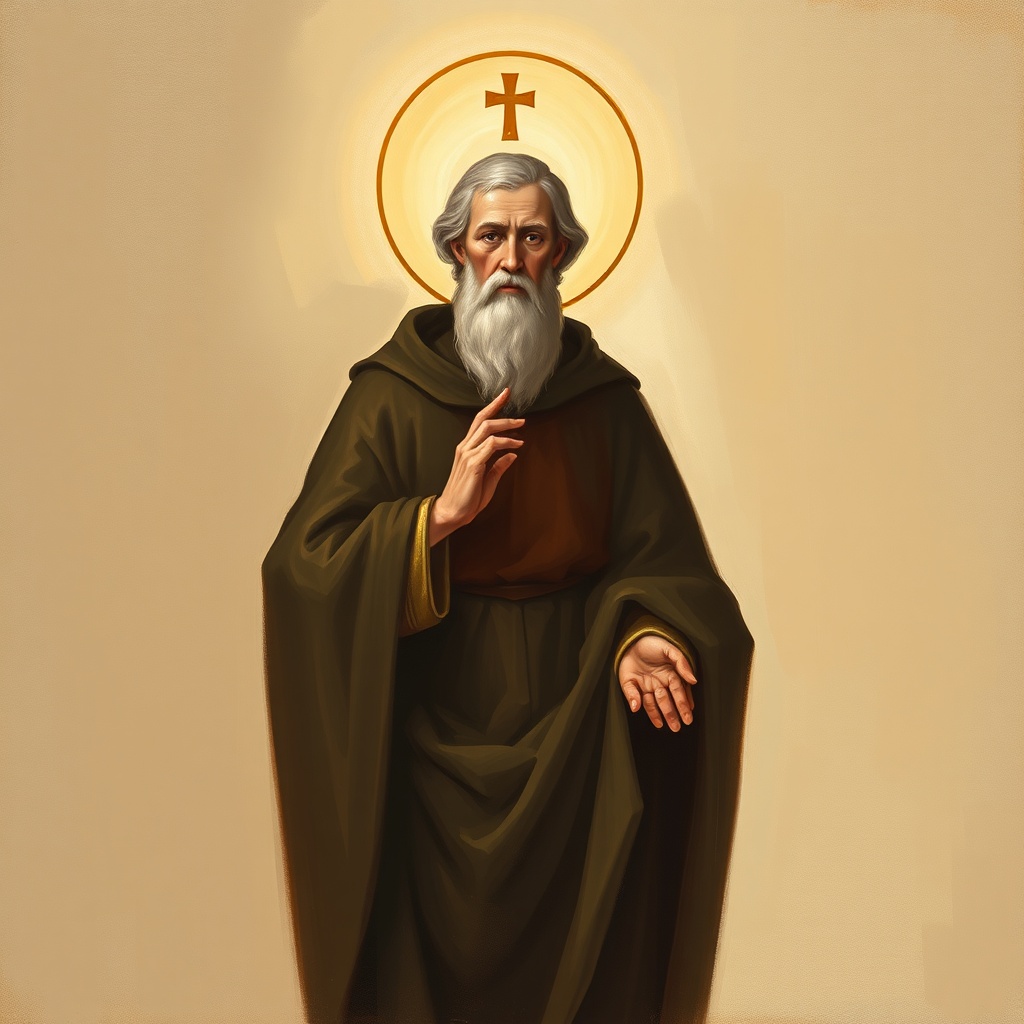
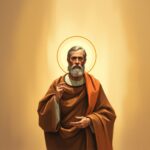
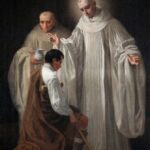
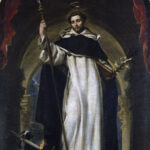
Saint Norbert is often depicted in art holding a host and a staff, symbolizing his dedication to the Eucharist and his leadership in church reform. His relics are preserved in several churches, and his tomb became a popular pilgrimage site during the Middle Ages, highlighting his lasting spiritual influence across Europe.
Frequently Asked Questions
Who was Saint Norbert?
Saint Norbert was a 12th-century reformer and founder of the Norbertine Order, known for his dedication to renewal, humility, and peace within the Church.
Why is Saint Norbert considered a patron of peace?
Because of his efforts to foster reconciliation and harmony in society and the Church, exemplified by his teachings and leadership in reform movements.
When is the feast day of Saint Norbert?
His feast day is celebrated on June 6 according to the Roman Catholic calendar.