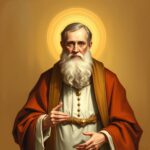
Saint Ignatius of Loyola — Founder of the Jesuits | Life and Legacy
Saint Ignatius of Loyola — Founder of the Jesuits | Life and Legacy
Saints and Martyrs · fundadores
Saint Ignatius of Loyola — Founder of the Jesuits | Life and Legacy
July 31
fundadores Saint Ignatius of Loyola
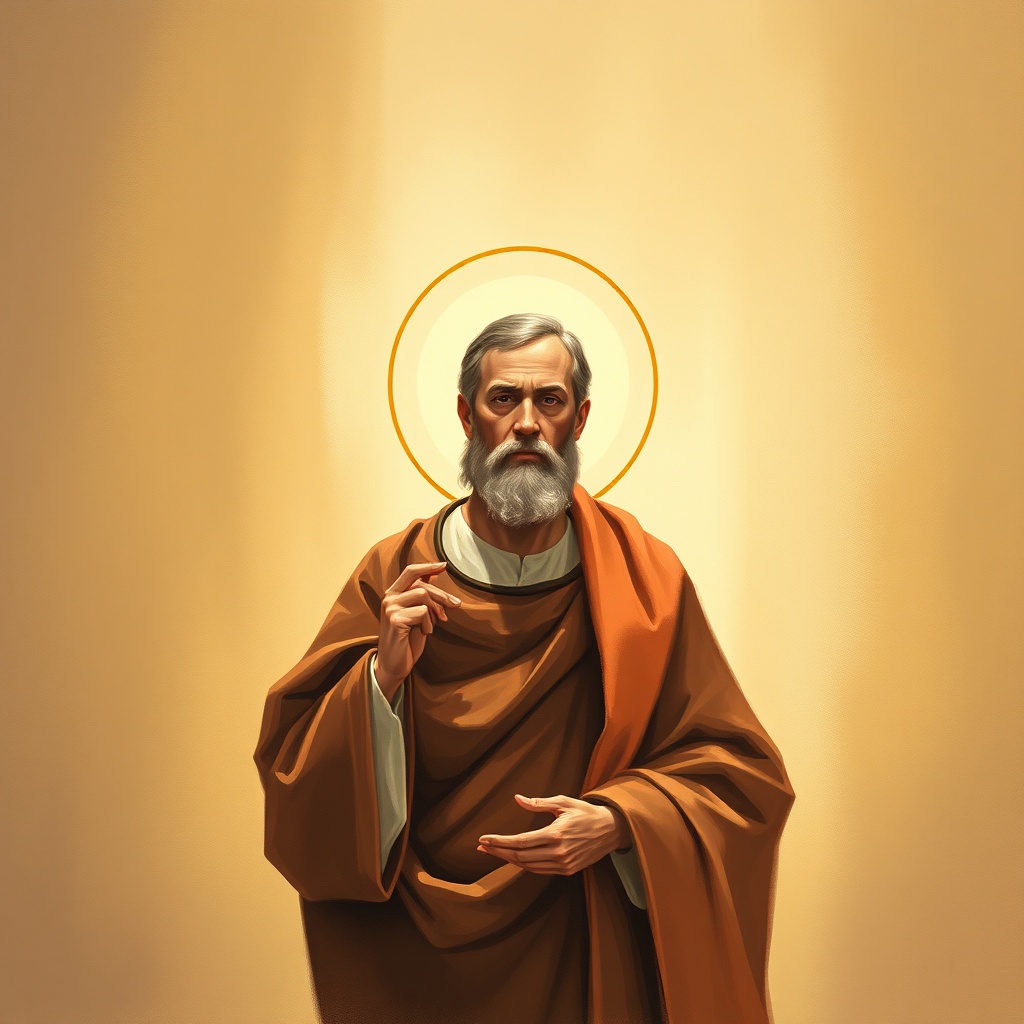
Saint Ignatius of Loyola was a 16th-century Spanish priest and theologian, born in 1491 in Loyola, Navarre. He was a soldier turned spiritual leader who founded the Society of Jesus, or Jesuits. Renowned for his deep spiritual writings and commitment to education and evangelization, he is venerated as a model of holiness and reform within the Church. His legacy continues through the Jesuit order’s work worldwide in education, missions, and spiritual formation.
The name 'Ignatius' derives from Latin 'Ignatius,' meaning 'fiery' or 'ardent.' It was a common name in the Roman Empire, symbolizing passion or zeal. The name reflects Saint Ignatius’s fervent dedication to faith and his fiery spirit of renewal in the Church. His name has become synonymous with spiritual zeal and intellectual pursuit.
Feast Day
July 31
Related Bible Verses
Romans 12:11
Never be lacking in zeal, but keep your spiritual fervor, serving the Lord.
This verse embodies Ignatius's passionate dedication to serving God through his spiritual and apostolic missions.
2 Timothy 4:7
I have fought the good fight, I have finished the race, I have kept the faith.
Ignatius’s life was marked by his perseverance and unwavering faith in the face of challenges, exemplifying this apostolic perseverance.
Matthew 28:19
Go and make disciples of all nations.
This Great Commission inspires Ignatius’s missionary zeal and the founding of the Jesuits to spread Christianity worldwide.
Martyrdom and Canonization
Saint Ignatius of Loyola was canonized as a saint in 1622 by Pope Gregory XV. His cause was opened due to his heroic virtues, devout life, and numerous reported miracles attributed to his intercession. He was martyred indirectly through his unwavering commitment to the spiritual growth of others and the Church’s renewal. The Church regards his spiritual writings and the founding of the Jesuits as signs of sanctity. Miracles, including healings attributed to his intercession, have been officially recognized and documented during his canonization process.
Miracles and Apparitions
Numerous verified miracles are associated with Saint Ignatius, including healings of diseases and spiritual conversions. Apparitions of Ignatius have been reported by the faithful, especially in prayer contexts and at Jesuit shrines. Miraculous healings documented by Church investigators have contributed to his veneration. His relics, especially the incorrupt heart, are venerated in various Jesuit churches worldwide, strengthening faith and devotion.
Prayer and Devotion
Devotees pray to Saint Ignatius for guidance in their spiritual journey, often through the Ignatian examen or specific novenas. The Jesuit scapular and medals bearing his image serve as sacramentals invoking his intercession. Many pray for the graces of humility, discernment, and enthusiasm for God’s work. His feast day is an occasion for reflection on his teachings and dedication to faith and education.
A famous artistic symbol associated with Saint Ignatius is the flaming heart, representing his fiery passion for Christ and his spiritual zeal. His relic, the heart of Saint Ignatius, is kept in the Church of the Gesú in Rome and is venerated as a symbol of his intense devotion and love for God.
Frequently Asked Questions
Why is Saint Ignatius of Loyola called a founder?
He founded the Society of Jesus, a religious order dedicated to education, evangelization, and spiritual renewal, which played a major role in the Church's mission worldwide.
What are some key teachings of Saint Ignatius?
His teachings emphasize spiritual discernment, prayer, humility, and service, especially through the Spiritual Exercises, a guide for deepening one’s relationship with God.
When is Saint Ignatius’s feast day and how is he remembered?
His feast day is July 31, and he is remembered for his spiritual writings, missionary work, and the founding of the Jesuits, who continue his legacy today.