Saint Paul the Apostle — Evangelist and Missionary | Life and Legacy
Saint Paul the Apostle — Evangelist and Missionary | Life and Legacy
Saints and Martyrs · apóstoles
Saint Paul the Apostle — Evangelist and Missionary | Life and Legacy
June 29
apóstoles Saint Paul the Apostle
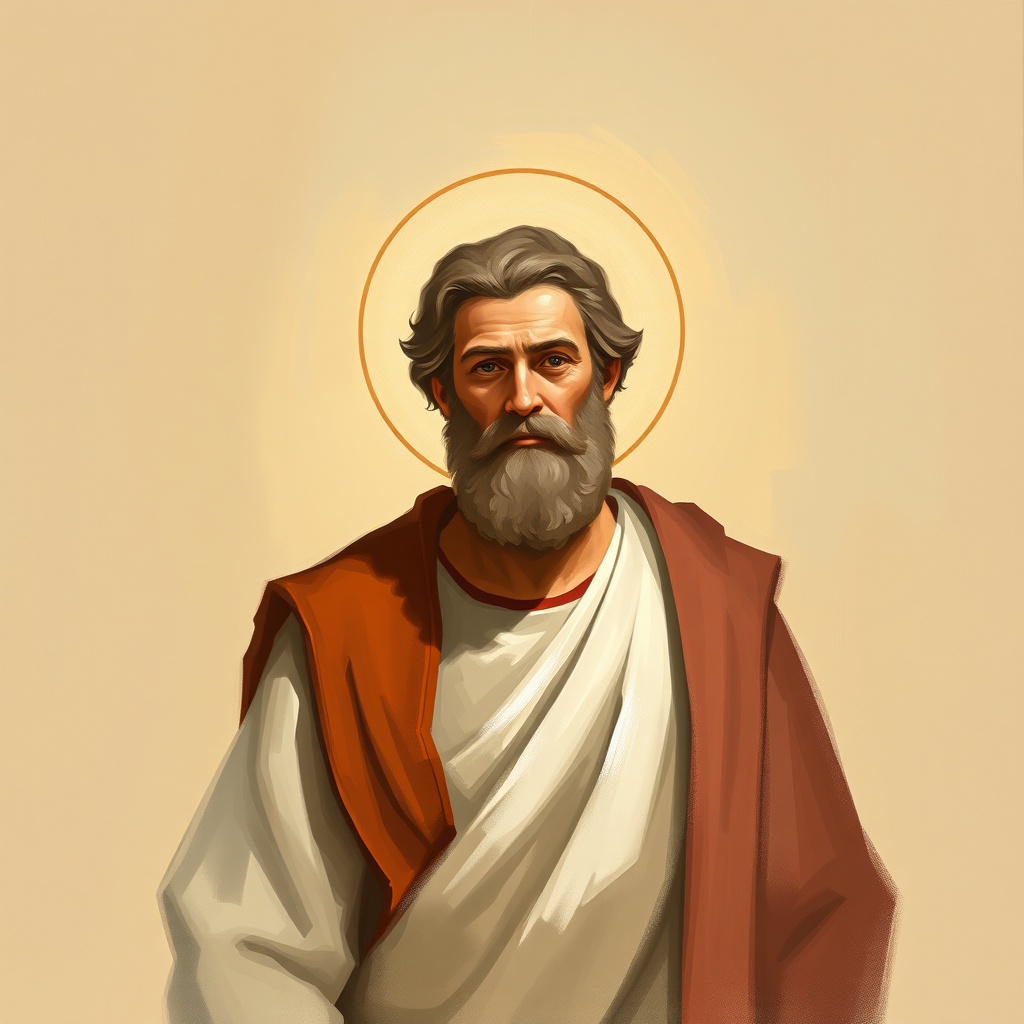
Saint Paul the Apostle, originally named Saul, was a Jewish Pharisee born in Tarsus around 5 AD. He is renowned for his pivotal role in spreading Christianity throughout the Roman Empire and authoring many New Testament epistles. Converted from a persecutor of Christians after a dramatic encounter with Christ on the road to Damascus, he dedicated his life to evangelization and missionary work. His zealous effort to establish Christian communities has made him one of the most influential saints in Christian history.
The name Paul derives from the Latin word 'Paulus,' meaning 'small' or 'humble.' Its Greek counterpart, 'Páulos,' carries similar connotations, emphasizing humility. The name signifies a humble servant of Christ, reflecting Saint Paul’s attitude of service and devotion that defined his life and mission.
Feast Day
June 29
Related Bible Verses
2 Corinthians 12:9
My grace is sufficient for you, for my power is made perfect in weakness.
This verse exemplifies Saint Paul’s understanding of divine strength working through human weakness, reflecting his own hardships and perseverance.
Philippians 4:13
I can do all things through Christ who strengthens me.
This verse encapsulates Saint Paul’s unwavering faith and reliance on Christ, inspiring believers to trust in divine support.
Romans 1:16
I am not ashamed of the gospel, for it is the power of God for salvation.
This verse highlights Paul’s unwavering commitment to evangelism and the importance of proclaiming the Gospel boldly.
Martyrdom and Canonization
Saint Paul was martyred in Rome around 64-67 AD during the reign of Emperor Nero. His cause for sainthood was driven by his heroic virtue, unwavering faith, and suffering for Christ, which the Church officially recognized. The Church declared him a saint through canonization, emphasizing his role as an apostle to the Gentiles and his deep devotion. Miracles attributed to his intercession, such as healing the sick and conversion of sinners, were documented and affirmed as signs of his sanctity. His death exemplifies heroic perseverance in faith, and he is celebrated universally as a model martyr whose legacy endures through his writings and missionary work.
Miracles and Apparitions
Many miracles have been reported in relation to Saint Paul, including healings through prayer and miraculous conversions attributed to his intercession. Pilgrims seeking his aid often visit the Basilica of Saint Paul Outside the Walls in Rome, where relics are preserved. Numerous testimonies describe individuals healed after praying to him or visiting shrines dedicated to his memory. The Church has officially recognized some of these miracles in the process of canonization, confirming his powerful intercession and inspiring faith worldwide.
Prayer and Devotion
Devotees pray to Saint Paul for courage in spreading the Gospel, strength during times of trial, and clarity of faith. Novenas and prayers, such as the Prayer to Saint Paul the Apostle, are common, invoking his intercession for perseverance and missionary zeal. Medals and scapulars bearing his image are worn as symbols of protection and commitment to evangelization. Sacred sites, like the Basilica of Saint Paul Outside the Walls, serve as pilgrimage destinations for those seeking spiritual renewal and inspiration from his exemplary life.
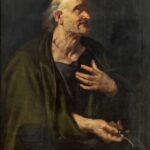
Saint Paul’s conversion experience on the road to Damascus is one of the most dramatic in Christian history, often depicted in art with a blazing light and a falling horse. His relics are believed to be kept in the Basilica of Saint Paul Outside the Walls in Rome, making it a major pilgrimage site. Artistic symbols associated with him include a sword, representing his martyrdom, and a scroll or book, symbolizing his epistles and writings.
Frequently Asked Questions
Why is Saint Paul called the 'Apostle to the Gentiles'?
Saint Paul is called the 'Apostle to the Gentiles' because of his missionary work among non-Jewish communities across the Roman Empire, spreading the Gospel beyond Jewish borders, as detailed in his epistles and Acts of the Apostles.
What was Saint Paul’s original profession before becoming an apostle?
Saint Paul was originally a tentmaker and a Pharisee, skilled in Jewish law, before his dramatic conversion that led him to become an evangelist.
How did Saint Paul die?
Saint Paul was martyred in Rome, traditionally believed to be beheaded under Nero’s persecution, symbolizing his ultimate sacrifice and unwavering faith.