Saint Teresa of Ávila — Doctor of the Church & Religious Reformer | Life and Legacy
Saint Teresa of Ávila — Doctor of the Church & Religious Reformer | Life and Legacy
Saints and Martyrs · doctores
Saint Teresa of Ávila — Doctor of the Church & Religious Reformer | Life and Legacy
October 15
doctores Saint Teresa of Ávila
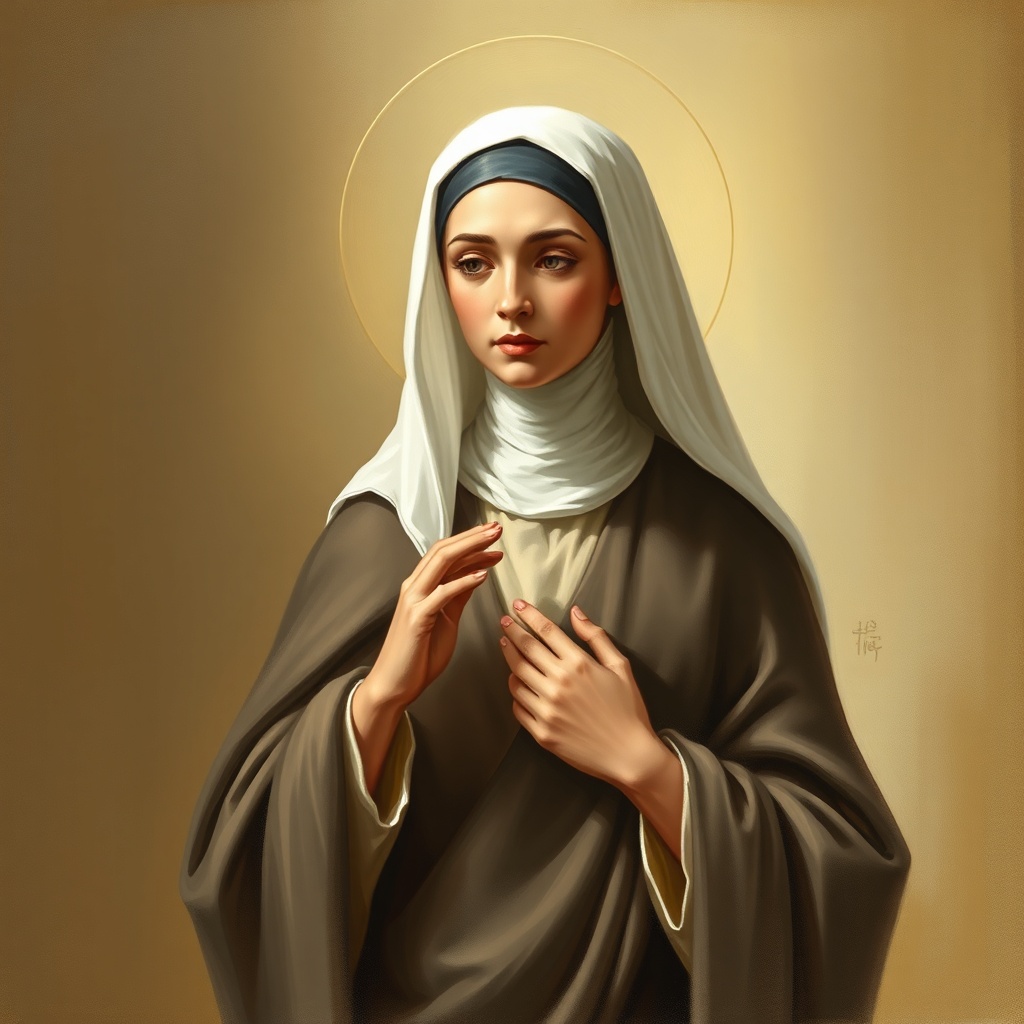
Saint Teresa of Ávila, born in 1515 in Spain, was a prominent Carmelite nun, mystic, and spiritual writer. She played a crucial role in the Catholic Reformation by reforming Carmelite monastic life through the establishment of the Discalced Carmelites. Recognized for her profound mystical experiences and theological insights, she was declared a Doctor of the Church in 1970. Her legacy endures through her writings on prayer, contemplation, and virtue, which continue to inspire millions of the faithful worldwide.
The name Teresa derives from the Greek name 'Theresa,' meaning 'harvester' or 'reaper,' signifying one who gathers or collects. The name has roots in ancient Greek culture, symbolizing productivity and spiritual abundance. Its cultural significance grew through Saint Teresa's influence, embodying the spiritual harvest that comes from prayer and virtue. The name has been popular among saints and queens, emphasizing its noble and spiritual connotations.
Feast Day
October 15
Related Bible Verses
John 15:5
I am the vine; you are the branches. Those who abide in me, and I in them, bear much fruit.
This verse reflects Saint Teresa's deep union with Christ and her emphasis on abiding in Him through prayer and love.
Matthew 6:33
Seek first the kingdom of God and his righteousness, and all these things will be added to you.
Saint Teresa often urged focusing on divine love and righteousness as the path to true fulfillment.
Philippians 4:13
I can do all things through Christ who strengthens me.
This verse underscores her trust in Christ's strength during her mystical struggles and reforms.
Martyrdom and Canonization
Saint Teresa of Ávila was canonized as a saint in 1622 by Pope Gregory XV for her heroic virtue and mystical life. Her writings revealed her profound theological insights, and her visions and mystical experiences were deemed authentic miracles. The Church officially recognized several miracles attributed to her intercession, including healings from serious illnesses. In 1970, Pope Paul VI declared her a Doctor of the Church, recognizing her as one of the greatest spiritual writers and teachers in Catholic history. Her life exemplifies heroic virtue and an unwavering commitment to prayer, humility, and reform within the Church.
Miracles and Apparitions
Many verified miracles are attributed to Saint Teresa, including healings from paralysis and cancer. Reported apparitions of her in visions have inspired pilgrimages and devotional practices. The Church has documented numerous miraculous healings through her intercession, often reported by those seeking her aid in times of crisis. These miracles serve as evidence of her holiness and ongoing spiritual influence as a intercessor and guide for believers.
Prayer and Devotion
Devotees pray the Prayer of Saint Teresa for deeper spiritual growth and intimacy with Christ. Novenas dedicated to her invoke her intercession for mental clarity, healing, and perseverance in faith. The Brown Scapular and medals bearing her image are popular devotional objects seeking her protection and guidance. Many churches and shrines offer dedicated spaces for prayer to Saint Teresa, where the faithful seek her intercession for grace and spiritual renewal.
Saint Teresa is often depicted holding a book or quill, symbolizing her prolific writings. Her tomb in Ávila is a major pilgrimage site, and her spiritual insights have inspired countless artists, including painters and writers. Her influence extends beyond the Catholic Church into literature and art, making her one of the most celebrated mystics in history.
Frequently Asked Questions
Why is Saint Teresa of Ávila called a Doctor of the Church?
Because her writings and teachings profoundly shaped Catholic theology and spirituality, and she was recognized by the Church for her heroic virtue and mystical life, earning her the title in 1970.
What are the main spiritual writings of Saint Teresa?
Her most famous works include 'The Interior Castle,' 'The Way of Perfection,' and her mystical autobiography, which explore the stages of spiritual development and union with God.
How is Saint Teresa of Ávila celebrated today?
Her feast day is October 15, commemorated with special Masses, processions, and prayer services. Many convents, churches, and cities also hold events honoring her life and legacy.