Saint Athanasius — Doctor of the Church & Defender of Faith | Life and Legacy
Saint Athanasius — Doctor of the Church & Defender of Faith | Life and Legacy
Saints and Martyrs · doctores
Saint Athanasius — Doctor of the Church & Defender of Faith | Life and Legacy
May 2
doctores Saint Athanasius
Saint Athanasius was a prominent bishop of Alexandria during the 4th century, instrumental in combating Arianism and affirming the divinity of Christ. He is regarded as a towering theologian and Church Father whose writings laid the foundation for Christian orthodoxy. His steadfast faith amidst political and theological turmoil earned him veneration as a Doctor of the Church. His life exemplifies deep humility, unwavering commitment to truth, and theological brilliance that continues to influence Christianity today.
The name Athanasius derives from the Greek name 'Athanasios,' meaning 'immortal' or 'immortality.' This name reflects qualities of eternal life and divine virtue, fitting for a saint known for his theological insights and spiritual resilience. In early Christian tradition, the name signified a commitment to everlasting truth and faithfulness to God’s promises. The name was popular among early Christians, emphasizing the hope of eternal life through Christ.
Feast Day
May 2
Related Bible Verses
John 1:1
In the beginning was the Word, and the Word was with God, and the Word was God.
This verse underscores Christ’s divine nature, a core belief defended passionately by Saint Athanasius against Arianism.
Colossians 2:9
For in Christ all the fullness of the Deity lives in bodily form.
A testament to Athanasius's focus on Christ’s full divinity, countering heretical views that diminished Christ’s divine status.
Hebrews 13:8
Jesus Christ is the same yesterday and today and forever.
Reflects Athanasius’s emphasis on the eternal and unchanging nature of Christ, central to his theological defense.
Martyrdom and Canonization
Saint Athanasius was declared a saint and Doctor of the Church for his heroic defense of divine truth during the Arian controversy. He endured exile, opposition, and hardship but remained steadfast in proclaiming the full divinity of Christ. The Church officially beatified him, recognizing his writings and unwavering faith as miracles of doctrinal clarity. His cause for canonization was opened shortly after his death, and he was canonized by popular acclaim, with subsequent Church recognition of numerous miracles attributed to his intercession. His theological contributions have been held as vital aids in defining Orthodox doctrine, especially the Nicene Creed's affirmation of Christ’s nature.
Miracles and Apparitions
Saint Athanasius is credited with various miracles, including healings and protection from danger, which were documented by early Church witnesses. One of the most famous verified miracles involved the protection of a city from invasion through his intercession. Reports of apparitions or relic-based cures have been documented in ecclesiastical records. The Church formally recognizes these miracles as confirmations of his sainthood, and pilgrims often visit his relics and shrines seeking spiritual favors and healing.
Prayer and Devotion
Devotees pray to Saint Athanasius for clarity of faith, protection from heresy, and perseverance in the truth. Novenas and special prayers are dedicated to him, especially during his feast day, asking for his intercession in theological and personal trials. Many wear medals or scapulars imprinted with his image as a sign of devotion. Churches and shrines dedicated to him serve as places for prayer and reflection on the importance of defending orthodoxy and living a life of steadfast faith.
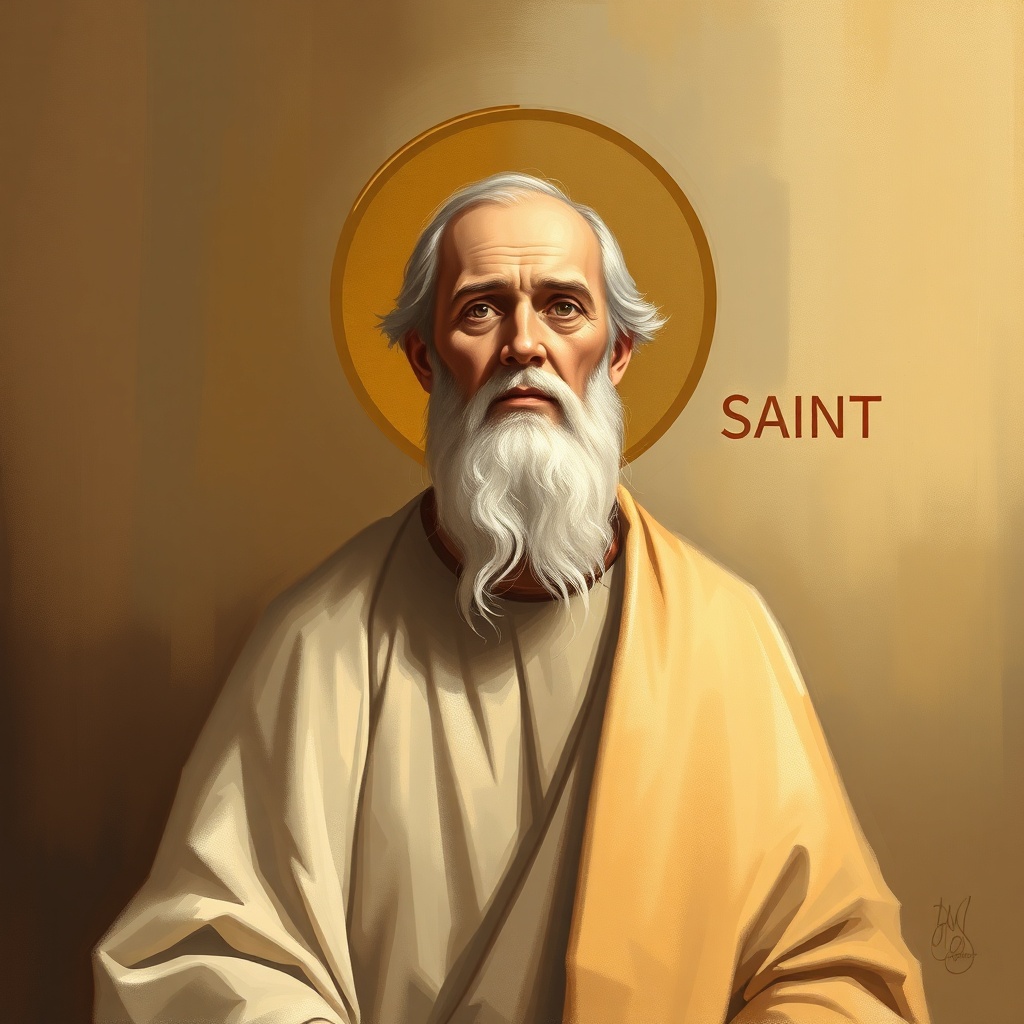
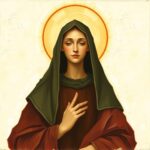
Saint Athanasius is often depicted holding a bishop’s crozier and a book, symbolizing his role as a theologian and defender of faith. His relics were said to be capable of healing, and numerous icons portray him with a halo and an open Scripture, reflecting his writings and spiritual authority. His influence extends beyond theology into cultural history, inspiring artworks, hymns, and educational teachings throughout Christian civilization.
Frequently Asked Questions
Why is Saint Athanasius called a Doctor of the Church?
He is called a Doctor of the Church because of his profound theological writings defending Christ’s divine nature and his role in shaping Christian doctrine, which continue to influence the faith today.
What was Saint Athanasius’s main theological contribution?
His main contribution was affirming that Jesus Christ is fully divine, combating Arian heresy, and helping establish the Nicene Creed’s statements on Christ’s nature.
How is Saint Athanasius honored today?
He is honored on his feast day, May 2nd, through prayers, processions, and the veneration of his relics in churches worldwide, inspiring faithful with his example of theological courage.