The Book of Tobit: Complete Guide with Verses and Catholic Teaching — Angels, Healing, and Divine Providence
The Book of Tobit: Complete Guide with Verses and Catholic Teaching — Angels, Healing, and Divine Providence
The Book of Tobit is a radiant example of Catholic biblical spirituality, weaving together fidelity in exile, charity toward the poor, steadfast prayer, and a vivid encounter with angelic guidance. In Tobit we meet a righteous father and his family, whose trials illuminate the mysterious ways in which God provides mercy and healing. The story centers on Tobit and his son Tobias, whose journey is aided by the archangel Raphael, whose interventions reveal a deeper reality: God’s providence works through human actions and heavenly messengers alike. Tobit’s emphasis on physical and spiritual healing, as well as the power of prayer and almsgiving, invites Catholics to trust in divine providence even in hardship. The book concludes with praise to God for salvation and deliverance, and its presence in the NABRE edition highlights its enduring relevance for Catholic faith, devotion, and moral life.
Tobit is a deuterocanonical book set in the period of the Jewish exile, traditionally placed in Nineveh and surrounding communities. Although the author is unknown, the work presents a coherent narrative about Tobit, a righteous Israelite, and his family—particularly his son Tobias—whose fortunes are intertwined with acts of faith, mercy, and divine intervention. A central figure is the archangel Raphael, who appears as a guide to Tobias and, through Providence, coordinates healing and protection. In the Catholic canon Tobit is accepted as inspired Scripture; it is included in the Old Testament as part of the Deuterocanonical books. In contrast, Protestant Bibles omit Tobit because they follow the Hebrew canon and shorter Old Testament. The Catholic Church, drawing on the Septuagint (LXX) usage and Tradition, regards Tobit as a valuable source of doctrine, spirituality, and moral teaching.
Tobit 4:7-11 — Almsgiving and righteousness: The text emphasizes charitable acts as essential to the life of faith, linking mercy to salvation and the common good; Catholic interpretation considers this a concrete expression of the Gospel’s call to love neighbor and care for the poor as a path to holiness.
Tobit 3:1-5 — Tobit’s prayer in trouble: Tobit’s lament and petition to God show trust in divine mercy even amid suffering; Catholic teaching sees prayer in affliction as a crucial posture of faith that aligns human will with God’s providence.
Tobit 6:6-9 — The appearance of the archangel Raphael and guidance on the journey: The narrative presents angels as active messengers and protectors who lead the faithful toward healing and virtuous choices, consistent with Catholic teaching on angelic ministry.
Tobit 11:7-9 — Healing and divine providence through the fish: The gift of healing exemplifies God’s care for the righteous and his use of natural means under heavenly direction, a recurring Catholic theme about God’s providence at work in ordinary life.
Tobit 12:6-9 — Raphael’s revelation and encouragement to praise God: The angel’s revelation reinforces the proper response to grace—faith, gratitude, and worship—central to Catholic devotional life.
Tobit 13:3-7 — Praise, judgment, and blessing: The prophetic blessing underlines faith in the one, true God and commends a life oriented toward righteousness, justice, and trust in divine mercy rather than idolatrous conventions.
Tobit 14:6-9 — Tobit’s death and final blessing: The concluding exhortations and the example of Tobit’s fidelity provide a model of sanctity, hope in God’s mercy, and a robust understanding of life lived before the face of God.
Tobit 4:1-2 — The call to virtue in daily life: Early guidance on piety, integrity, and fidelity to God in the domestic and social spheres, illustrating the sanctity of ordinary life.
Tobit 8:5-8 — Prayer in the marriage and communal blessing: Tobias and Sarah unite in prayer, invoking God’s mercy; Catholic interpretation highlights the proper ordering of prayer in family life and the acknowledgment of God’s providence in marriage and salvation histories.
What the Catholic Church Teaches
The Catholic Church teaches that Tobit is part of the canonical Old Testament and inspired Scripture. This status was affirmed in the Council of Trent (1545–1563), which codified the canon, including Tobit among the Deuterocanonical books. The Vatican II documents, especially Dei Verbum, articulate a Church-wide understanding of Scripture as inspired by the Holy Spirit and interpreted within the living Tradition of the Church, ensuring that Tobit’s messages about prayer, charity, and providence are read in continuity with apostolic teaching. The Catechism of the Catholic Church (CCC 120-126) treats the Deuterocanonical books as part of the inspired Word of God within the canon used by the Church. In apologetics, those who deny Tobit’s canonicity often cite the Hebrew Bible; Catholics respond by emphasizing the LXX-based canon, the Church’s Tradition, and the unanimous use of Tobit in liturgy and catechesis throughout history.
Apologetic responses can include: (1) the Church’s official canon recognizes Tobit as inspired Scripture; (2) Tobit’s themes align with Catholic teaching on prayer, charity, and providence; and (3) the early Christian practice and patristic citations reflect Tobit’s status in the faith community. The aim is not to override private judgment but to present the magisterium’s consistent witness to Tobit’s place in salvation history.
Tobit has long influenced Catholic spirituality and moral thought. The Latin Fathers and medieval theologians frequently engaged Deuterocanonical books, including Tobit, to illustrate the virtues of charity, humility, and trust in God’s providence. Jerome’s Vulgate included Tobit as part of the canon, helping shape Catholic liturgical and devotional life, while the Councils of Trent formally affirmed the broader canon in response to Protestant questions about the inner witness of Scripture. Throughout the centuries, Tobit’s story of angelic guidance, healing, and prayer has inspired saints and scholars to reflect on providence, the diaconate of mercy, and the role of God’s messengers in guiding human steps. The text remains a touchstone for Catholic catechesis on mercy, angels, and divine care for the faithful.
Frequently Asked Questions
Is Tobit part of the Catholic Bible? Yes. Tobit is included in the Catholic Old Testament as a Deuterocanonical book, as affirmed by the Council of Trent and in later Vatican II documents.
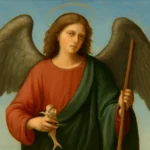
Who is the archangel in Tobit? The archangel Raphael, who guides Tobias and heals Tobit, is the principal angelic figure in Tobit and is revered in Catholic teaching as a faithful messenger of God.
What does Tobit teach about prayer?
What does Tobit teach about healing and providence?
Why is Tobit included in the canon?
Answers: Tobit teaches that prayer, mercy, and trust in God sustain the faithful; healing and guidance come under God’s providence, often through means humans do not foresee. Its inclusion in the canon underscores the Catholic emphasis that God’s saving plan often unfolds through ordinary persons, devout families, and heavenly messengers, inviting readers to holiness through daily virtue and reliance on divine grace.
O Lord, Heavenly Father, we thank you for the witness of Tobit, whose faith, charity, and trust in your providence teach us to love you with all our hearts and to serve those in need. Send Your holy angels to guide our steps, heal our wounds, and fill our days with your mercy. May we imitate Tobit’s steadfast prayer and Tobias’ courage, so that your light may shine in our homes and in the world. Through our Lord Jesus Christ, who lives and reigns with you in the unity of the Holy Spirit, one God, for ever and ever. Amen.







Leave a Reply