Understanding the role of a volunteer ministry coordinator
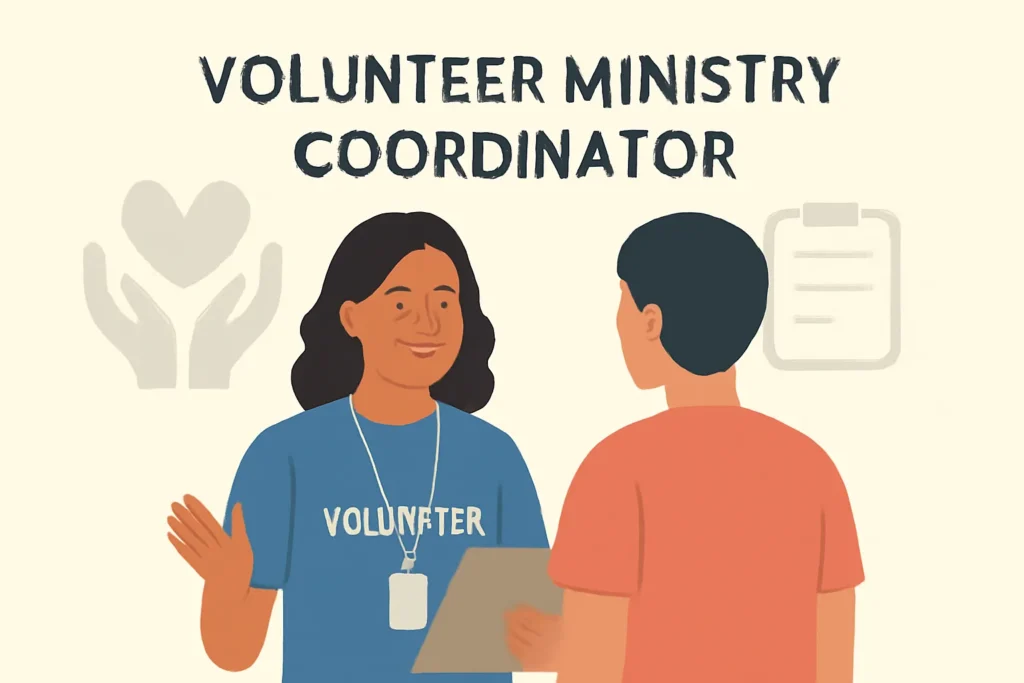
A volunteer ministry coordinator serves as the connective tissue between a church, synagogue, mosque, or community faith-based organization and the people who serve within it. This role is not merely administrative; it is mission-driven leadership that turns a pool of interested people into a coordinated, reliable, and joyful volunteer force. In many organizations, the volunteer program is the most visible expression of hospitality and service. A skilled coordinator ensures that volunteers understand the organization’s values, feel valued for their contributions, and can perform their tasks with clarity and safety.
While the term volunteer ministry coordinator is common, you may encounter variations such as volunteer program manager, volunteer director, church volunteer administrator, or ministry volunteer supervisor. Regardless of the title, the core aim remains the same: create a robust volunteer ecosystem where people can join, grow, and contribute in meaningful ways.
Core responsibilities of a volunteer ministry coordinator
The responsibilities of a volunteer coordination leader span planning, people management, and practical logistics. A comprehensive approach helps ensure that the ministry’s goals are achieved without overwhelming volunteers or staff.
Volunteer recruitment and outreach: identifying needs, crafting appealing roles, and reaching diverse communities to invite participation.
Role definition and onboarding: developing clear descriptions, expectations, and first-step experiences for newcomers.
Training and development: offering initial orientation and ongoing learning to increase effectiveness and confidence.
Scheduling and assignment: matching volunteers to tasks based on skills, availability, and organizational priorities.
Supervision and support: modeling supportive leadership, providing feedback, and addressing concerns promptly.
Volunteer safety and compliance: implementing safeguarding policies, risk assessments, and background checks as appropriate.
Recognition and retention: acknowledging contributions in meaningful ways to sustain engagement.
Communication: maintaining transparent, timely channels between volunteers and staff.
Data management: tracking hours, impact, training completion, and volunteer preferences to inform decisions.
Budget and resource stewardship: allocating materials, space, and funds efficiently to support volunteer work.
Program evaluation: gathering feedback, measuring outcomes, and iterating on processes.
Designing a strong volunteer program that scales
Building a thriving volunteer program begins with clarity of purpose and a plan that accommodates growth. A well-structured program helps the volunteer ministry leader align volunteers with the organization’s mission while providing clear paths for involvement and advancement.
Define the mission and impact: articulate what success looks like when volunteers are engaged. Translate broad goals into concrete outcomes, such as serving a certain number of families, supporting a weekly service, or delivering a community outreach event.
Create a role catalog: identify current needs and potential roles, including leadership tracks, short-term assignments, and long-term commitments. Each role should have a brief description, expected time commitment, required skills, and supervision plan.
Document policies and expectations: develop a volunteer handbook that covers conduct, safety, confidentiality, safety protocols, and emergency procedures.
Develop a risk management approach: assess potential risks associated with activities, integrate safeguarding measures, and delineate escalation paths for concerns.
Build a feedback loop: create mechanisms for volunteers to share experiences, challenges, and ideas for improvement.
Creating an intentional onboarding path
Onboarding is more than paperwork. It is an opportunity to orient volunteers to values, culture, and expectations. A strong onboarding plan includes a welcome session, role-specific training, and a mentor or buddy system during the first weeks.
Establishing success metrics
A resilient ministry program relies on data-informed decisions. Identify a few key metrics that align with your mission, such as volunteer retention, training completion rates, or service hours contributed per month.
Recruitment and onboarding: attracting the right volunteers
Recruiting is more than filling slots; it is about inviting people to participate in something meaningful. The best recruiters through the ministry demonstrate genuine hospitality and a clear pathway for impact.
Crafting compelling roles and descriptions
A well-crafted role description communicates purpose, impact, and expectations. Include time commitments, required skills, training needs, and supervisor contacts. Use inclusive language that welcomes diverse backgrounds.
Outreach and partnerships
Build outreach channels beyond Sunday programs. Consider local schools, youth groups, faith-based charities, community centers, and online forums. A multi-channel approach expands reach and invites new perspectives into the ministry.
Screening processes should balance safety with hospitality. Use age-appropriate checks, code of conduct reviews, and interviews that probe reliability, teamwork, and alignment with core values. Always ensure volunteer safety and data privacy in handling information.
The first weeks matter. Pair new volunteers with a mentor, provide a simple first project, and schedule check-ins to address questions. A positive first impression fosters long-term engagement and a sense of belonging.
Retention-first mindset in recruiting
Rather than chasing high numbers, prioritize the quality of engagement. A small, well-supported volunteer corps often delivers more impact than a large, under-supported group.
Training and development: growing capability and confidence
Ongoing training and development are essential to keep volunteers capable, engaged, and inspired. A thoughtful program supports volunteers at every stage—from orientation to leadership transitions.
Orientation programs that set expectations
Orientation should cover more than logistics. Explain the organization’s mission, governance, safety policies, communication norms, and the volunteer’s unique role within the broader ministry.
Skill-building and leadership tracks
Offer targeted trainings such as customer service excellence, risk management, crisis response, event planning, or youth mentorship. Create pathways for volunteers to grow into team leads or coordinators, which reinforces succession planning.
Mentorship and peer learning
Pair volunteers with mentors who can share experience, provide feedback, and model best practices. Encourage peer-to-peer learning through small cohort sessions or practice-based workshops.
Evaluating training impact
Track outcomes such as improved service quality, higher confidence in taking on responsibilities, and reduced error rates. Use surveys, observation, and supervisor feedback to adjust curricula.
Scheduling, assignments, and day-to-day management
Efficient scheduling is a practical pillar of a healthy volunteer program. An effective volunteer scheduling process respects volunteers’ time, aligns with organizational needs, and reduces burnout.
Shift planning and coverage
Map shifts to service cycles, events, and outreach campaigns. Build redundancy so that last-minute absences do not derail operations. Consider staggered roles to provide work-life balance and weekly variety.
Delegation and supervision
Delegation should empower volunteers while preserving accountability. Establish clear reporting lines, check-in cadences, and a simple escalation path for issues. A good supervisor is approachable, responsive, and deliberate in giving feedback.
Tools and processes for logistics
Use calendars, sign-up platforms, and shared documentation to coordinate tasks, locations, and resources. Ensure accessibility for volunteers who vary in digital comfort and language needs.
Handling contingencies and last-minute changes
Have a plan for inclement weather, staff shortages, or unexpected gaps. A proactive approach reduces stress and keeps programs running smoothly.
Communication strategies for a connected volunteer network
Clear, compassionate communication is essential for engagement. The volunteer relations manager should facilitate transparent information flow among volunteers, staff, and leadership.
Establish standard channels for different purposes: announcements, shift changes, and feedback. Common channels include email newsletters, messaging apps, bulletin boards, and periodic town-hall style meetings.
Feedback loops
Create formal and informal opportunities for volunteers to share experiences. Regular surveys, suggestion boxes, and open office hours help identify problems early and surface improvements.
Communication best practices
Use inclusive language, be mindful of tone, and acknowledge diverse perspectives. Personalize when feasible, and show appreciation for both frontline volunteers and behind-the-scenes supporters.
Safety, safeguarding, and compliance: protecting people and programs
A cornerstone of effective volunteer leadership is safeguarding and risk management. Volunteers operate in varied environments, from in-person service to virtual mentoring, and each context requires careful planning.
Safeguarding policies: formal guidelines to protect vulnerable populations and ensure appropriate conduct.
Background checks and verification: appropriate processes to verify trustworthiness where required.
Training in safety procedures: emergency response, first aid basics, and crowd management when applicable.
Confidentiality and data protection: guidelines on handling sensitive information about clients, families, or beneficiaries.
Incident reporting: clear steps for volunteers and staff to report concerns promptly.
The ministry safety framework should be documented, communicated, and regularly reviewed. A proactive stance on safety protects participants and sustains trust in the program.
Recognition, retention, and sustaining momentum
Volunteers give generously of their time, and thoughtful recognition is essential to maintain energy and commitment. A robust strategy for appreciation helps people stay engaged and feel that their work matters.
Recognition strategies
Public acknowledgments during services or events without compromising privacy.
Personal notes from leadership or grateful beneficiaries to reinforce impact.
Spotlight stories that highlight specific outcomes and the volunteers behind them.
Milestone celebrations for anniversaries or significant contributions.
Retention through growth and belonging
Retention is strengthened when volunteers see a pathway to deeper involvement, leadership opportunities, and meaningful relationships. Offer leadership tracks, peer support groups, and ongoing feedback to nurture growth.
Volunteering as a community culture
A thriving program anchors volunteering in a broader culture of service. Encourage collaboration across ministries, celebrate cross-functional teamwork, and foster an atmosphere where service becomes part of everyday life.
Measuring success: data, metrics, and evaluation
Quantitative metrics, qualitative insights, and ongoing learning combine to show impact and guide improvements. A balanced scorecard for a volunteer ministry can include both activity measures and outcomes.
Volunteer counts and engagement: active volunteers, new sign-ups, and average tenure.
Hours contributed: total hours, hours per volunteer, and distribution across programs.
Training completion: percentages of volunteers who finish onboarding and ongoing sessions.
Coverage and reliability: service gaps identified and addressed.
Beneficiary impact: feedback from participants served, improvement in service quality, or quantifiable outcomes.
Volunteer satisfaction: morale, sense of belonging, and perceived support from leadership.
Gather data from diverse sources: sign-up platforms, attendance logs, surveys, and supervisor notes. Regularly review and interpret the data with transparency and a growth mindset to inform program refinements.
Technology and tools for effective volunteer management
The right tools simplify administration, enhance communication, and enable better matches between volunteers and tasks. A modern volunteer management system or volunteer information platform can be a valuable ally.
Sign-up and scheduling tools: make it easy for people to see opportunities and reserve time.
Communication platforms: emails, messaging apps, and internal dashboards that keep everyone informed.
Training platforms: online courses, trackers, and certificate records to monitor progress.
Data analytics: dashboards that visualize hours, impact, and training outcomes.
Document collaboration: shared handbooks, role descriptions, and policy updates.
When selecting technology, prioritize accessibility, privacy, and user-friendly design. Volunteers come from diverse backgrounds, so the tools should be intuitive and respectful of different comfort levels with technology.
Budgeting and resource planning for volunteer programs
A sustainable volunteer program requires thoughtful budgeting that accounts for materials, training, events, and recognition activities. Even if resources are limited, disciplined planning helps maximize impact.
Material costs: supplies, badges, safety equipment, and event materials.
Training expenditures: guest facilitators, online modules, and printed materials.
Recognition budgets: certificates, meals, or small gifts that acknowledge service.
Technology investments: software licenses, devices, or subscriptions that support coordination.
Contingency funds: reserve for emergencies or unplanned opportunities.
Transparent budgeting builds trust with volunteers and staff alike. Share a clear overview of how funds are used and invite feedback on prioritization when appropriate.
Culture, diversity, and inclusion in volunteer ministry leadership
A thriving volunteer ecosystem reflects a broad spectrum of gifts, backgrounds, and life experiences. The volunteer program leader should intentionally foster an inclusive culture that welcomes all who want to serve.
Inclusive recruitment: broad outreach, language that respects differences, and accommodations for accessibility.
Equitable opportunities: ensuring roles are available to varied skill sets and life circumstances.
Respectful governance: policies that honor different beliefs, cultures, and identities while upholding safety and mission alignment.
Conflict resolution: constructive processes to address disagreements and maintain trust.
Leadership within the ministry should model hospitality, humility, and service. When volunteers feel seen and heard, they are more likely to stay engaged and invite others to participate.
Real-world scenarios and practical examples
Across communities, volunteer ministry coordinators implement practical techniques that translate theory into action. Consider a few illustrative scenarios that highlight the application of leadership principles.
Scenario 1: Reorganizing a Sunday welcome team
A church notice that the welcome team’s workload overwhelmed a few volunteers, leading to burnout and inconsistent greeting experiences. The coordinator crafted a role catalog, established a two-tier welcome system (greeters and welcome hosts), and trained volunteers to rotate leadership roles. Within a few weeks, turnout stabilized, new volunteers joined, and guest satisfaction scores improved.
Scenario 2: Launching a mentoring program for youth
A youth ministry adopted a volunteer mentor model to support small groups. The volunteer director created mentor roles with clear expectations, provided training on safeguarding, and paired mentors with experienced staff for ongoing supervision. The result was increased youth engagement and safer environments for learning.
Scenario 3: Disaster-response volunteering
In response to a local emergency, the ministry coordinator coordinated volunteer shifts, distributed supplies, and kept communication lines open with responders. The program demonstrated resilience by documenting lessons learned and updating the risk management plan for future events.
Step-by-step plan to launch or refresh a volunteer ministry program
A practical, phased approach helps ensure a successful launch or revival of a volunteer program. Below is a structured plan that a ministry volunteer administrator or volunteer program director can adapt.
Clarify purpose: define the mission, outcomes, and how volunteers contribute to the organization's goals.
Audit needs: assess current volunteer capacity, gaps, and upcoming events or programs that will require staffing.
Build the role catalog: create a library of volunteer roles with responsibilities and time commitments.
Design onboarding: develop an orientation, safety training, and mentorship plan for new volunteers.
Set up scheduling and communications: implement a system for sign-ups, shift reminders, and supervisor communications.
Implement safety and compliance: roll out safeguarding policies, background checks where appropriate, and incident reporting.
Launch pilot cohorts: start with a small group of volunteers to test processes and gather feedback.
Iterate based on feedback: refine roles, training, and scheduling to better meet needs.
Scale with confidence: gradually expand, ensuring support structures keep pace with growth.
Throughout the process, keep volunteers at the center of decision-making. Transparency about goals, expectations, and outcomes builds trust and lays the foundation for a healthy, sustainable program.
Key takeaways for effective leadership of a volunteer ministry
A strong volunteer ministry coordinator or volunteer leadership team operates with clear purpose, effective systems, and a culture of mutual respect. When people understand how their service ties to a larger mission, receive supportive onboarding and ongoing development, and feel recognized for their contributions, a volunteer program becomes more than a schedule of tasks—it becomes a living expression of service.
Lead with clarity and consistency in expectations for every role.
Design roles and processes that are scalable, inclusive, and transparent.
Invest in training, mentorship, and growth opportunities for volunteers.
Prioritize safety, compliance, and data privacy at every stage.
Measure impact with a balanced mix of quantitative data and qualitative feedback.











Leave a Reply