What Does the Bible Say About Vaccines? Faith, Healing, and Loving Care
Quick Answer: what does the bible say about vaccines? The Bible does not directly address modern vaccination, but it consistently teaches that God is the healer, prayer matters for the sick, and believers should act wisely and responsibly. You can seek medical care, pray for protection, and follow conscience while obeying God’s command to love and care for others.
Many Christians ask, what does the bible say about vaccines, especially when families face health risks and public health recommendations. While Scripture does not specifically mention modern vaccines, it speaks clearly about God’s character as the LORD that healeth thee, the value of prayer for the sick, and the call to trust Him with our worries. At the same time, God’s Word shows that people are created with purpose, steward creation, and make responsible choices in everyday life. In this devotional, we’ll connect verified Bible passages to the heart of this question: how believers can hold faith in God while also taking wise steps to care for bodies and neighbors. Our goal is not fear or argument, but biblical encouragement—bringing decisions into the light of God’s care and guidance.
At a Glance — Verses in This Article
Genesis 1:27-28
Exodus 15:26
James 5:14-15
1 Peter 5:7
Bible Verses
Genesis 1:27-28 (King James Version)
“So God created man in his own image, in the image of God created he him; male and female created he them. And God blessed them, and God said unto them, Be fruitful, and multiply, and replenish the earth, and subdue it: and have dominion over the fish of the sea, and over the fowl of the air, and over every living thing that moveth upon the earth.”
These verses affirm human responsibility under God’s dominion, which supports careful, responsible stewardship over health and life.
Exodus 15:26 (King James Version)
“And said, If thou wilt diligently hearken to the voice of the LORD thy God, and wilt do that which is right in his sight, and wilt give ear to his commandments, and keep all his statutes, I will put none of these diseases upon thee, which I have brought upon the Egyptians: for I am the LORD that healeth thee.”
God’s promise that He is “that healeth thee” directly frames health concerns—including prevention and treatment—as under His care.
James 5:14-15 (King James Version)
“Is any sick among you? let him call for the elders of the church; and let them pray over him, anointing him with oil in the name of the Lord: And the prayer of faith shall save the sick, and the Lord shall raise him up; and if he have committed sins, they shall be forgiven him.”
This passage highlights prayer, elders’ ministry, and God’s power to raise the sick, addressing how Christians respond when illness threatens.
1 Peter 5:7 (King James Version)
“Casting all your care upon him; for he careth for you.”
God calls believers to cast their cares on Him, which is especially relevant when people feel anxious about outbreaks and medical choices.
God Cares for Our Bodies and Calls for Wise Stewardship
When people search for what does the bible say about vaccines, they are often asking a deeper question: “How should a follower of Christ think and act when health and safety are at stake?” The Bible begins with God as Creator and with humans as His image-bearers. Genesis 1:27-28 shows that God made mankind in His image and gave humanity stewardship—being fruitful, multiplying, replenishing the earth, and exercising dominion over living things.
That doesn’t mean people become gods or control everything. It means life matters to God, and we have meaningful responsibility. Illness is not treated as an accident to ignore. Instead, Christians are invited to care for others and to use appropriate wisdom in the midst of uncertainty. In a world where diseases spread, prevention and protection are part of responsible stewardship—just as tending the land, planning provisions, and practicing daily care are.
This is important because fear can tempt us to either deny reality or panic over it. God’s stewardship vision moves us toward balanced, obedient action. You can recognize that the Lord rules over life and death, while still taking steps to protect what He has entrusted to you.
So, while Scripture doesn’t list “vaccines” by name, the principle still stands: God created bodies, He values life, and He invites faithful stewardship. If you’re seeking a Scripture-shaped approach, start by rooting your heart in God’s dominion and care, then let that peace guide practical decisions.
The Lord Who Heals: Trusting God Alongside Health Decisions
Exodus 15:26 offers one of the most direct Bible statements for anyone worried about sickness: “I am the LORD that healeth thee.” This is not a vague promise. God Himself identifies as the One who heals—meaning your health concerns are not too small for Him and not outside His attention.
When Christians ask questions like does the bible mention vaccines, they are often confronting a tension: “If God heals, why seek medical help?” Exodus 15:26 provides an anchor—God heals—but it does not remove the call to seek wise help. Scripture consistently portrays God working through means, including the prayers and ministries He appoints.
Notice the setting of Exodus 15:26: God connects healing to attentive obedience—“If thou wilt diligently hearken to the voice of the LORD thy God… and keep all his statutes.” That doesn’t reduce healing to a transaction, but it does show a posture of listening and aligning life with God’s will.
In the context of public health, many believers wonder how obedience relates to medical decisions. A spiritually grounded approach can look like this: pray for wisdom, consider guidance available, and act in a way that reflects trust rather than rebellion. God is not honored by avoidance of every responsibility, and He is not honored by ignoring conscience. He is honored when we place our confidence in Him and pursue steps that protect life.
Exodus 15:26 reminds us that healing belongs to the Lord. That truth can steady your heart whether you decide to seek preventative measures, respond to an exposure, or care for someone who is sick. Faith is not pretending illness isn’t real; it is remembering the LORD is the healer.
Prayer for the Sick and the Ministry of the Church
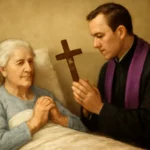
James 5:14-15 speaks to the believer facing sickness: “let him call for the elders of the church; and let them pray over him… and the prayer of faith shall save the sick, and the Lord shall raise him up.” This passage is both comforting and action-oriented. It does not tell believers to bury their heads in the sand; it tells them to seek the prayer ministry God provides.
When health conversations turn to prevention—such as whether to receive vaccines—this passage helps Christians keep the spiritual center. In every season, the church is called to pray, and the Lord is able to raise up the sick. Prayer is not only for “after tragedy.” It is for real-time need, including times when a contagious disease threatens.
James also shows that faith is relational. Believers are not meant to isolate in fear. Instead, they call for elders, and the body of Christ intercedes. The church becomes a place where burdens are carried together.
This means your response to illness, outbreaks, or medical questions can include: (1) prayer, (2) seeking counsel from godly leadership, and (3) acting responsibly. Even when you pursue medical care, prayer still belongs at the center.
James 5:15 ends with forgiveness of sins connected to the suffering and crisis. That doesn’t mean every sickness is punishment, but it reinforces that God is concerned about the whole person—body, soul, and spirit. Healing is spiritual and physical in the ways God chooses.
So as you think about prayer for the sick, let it strengthen your confidence rather than replace wisdom. God invites you to be both spiritually alert and practically caring.
Casting Anxiety on God When Health Is Uncertain
Outbreaks, medical debates, and changing recommendations can produce intense anxiety. That emotional pressure can overwhelm spiritual judgment and lead to rash decisions. Here, 1 Peter 5:7 is profoundly relevant: “Casting all your care upon him; for he careth for you.”
If you’re asking biblical guidance on medical care, don’t skip the internal condition of the heart. God’s Word addresses fear directly. “All your care” is comprehensive. It includes worries about your children, your body, your loved ones, hospital capacity, and the unknown.
The Bible does not ask you to pretend you don’t feel fear. It calls you to cast it—transfer it—onto God. That means you can research, consult, and plan, while refusing to let worry rule you.
Casting care also protects relationships. Health decisions can become contentious. Anxiety can make people defensive: they speak harshly, they accuse, or they mock. But 1 Peter 5:7 calls the believer back to humility and trust in God’s heart.
A practical faith posture is to bring concerns to the Lord, ask Him for wisdom, and then follow through with actions consistent with peace and conscience. If you need courage to act, ask for it. If you need clarity, ask for it. If you need patience with someone who disagrees, ask for it.
When you cast your worries on Him, you don’t lose responsibility—you gain steadiness. You can love people without being controlled by fear.
Let 1 Peter 5:7 be a daily reminder in this conversation: God cares for you, and His care can steady your mind even when medical choices feel heavy.
How to Respond in Faith: Prayer, Wisdom, and Loving Stewardship
If you’re trying to live faithfully amid health questions, you can follow a simple three-step pattern drawn from the Scriptures above.
First, start with stewardship. Genesis 1:27-28 reminds you that life is meaningful and entrusted. That can shape your thinking: be responsible, not careless; be thoughtful, not reckless. When considering medical steps, pray for wisdom and act as a faithful steward of life.
Second, bring the matter to God as the healer. Exodus 15:26 declares that the Lord heals. That means you don’t pray to a distant deity—you pray to the One who cares about sickness. Before making decisions, spend time seeking the Lord, then proceed with a posture that honors God rather than panic.
Third, refuse to be swallowed by anxiety. 1 Peter 5:7 tells you to cast your care on Him. If you find yourself spiraling into fear, pause and surrender the worry. Then, if illness is present or imminent, follow James 5:14-15: call for church elders, receive prayer, and trust God to act.
This approach doesn’t require you to treat medical issues as purely spiritual or purely scientific. Instead, it centers your heart on God while still encouraging careful choices.
A good daily practice: pray briefly, review your options with wisdom, talk with trusted and godly counsel, and act in a way that reflects faith, peace, and love. In the end, Christians are not called to win arguments; they are called to care for neighbor and trust the Lord.
Frequently Asked Questions
Does the bible mention vaccines?
The Bible does not specifically name modern vaccines. However, it teaches principles about God’s healing, prayer for the sick, casting anxiety on Him, and faithful stewardship of life. These themes can guide Christians as they make responsible health decisions.
What does scripture say about vaccines and fear?
While Scripture does not address vaccines directly, it addresses anxiety and care. 1 Peter 5:7 calls you to cast all your cares on God because He truly cares for you. That means health worries should lead you to prayer and wise action, not panic.
How can Christians apply biblical guidance on medical care?
You can apply biblical themes by seeking God’s wisdom, trusting the Lord as the healer (Exodus 15:26), and responding to illness with prayer and the church’s ministry (James 5:14-15). Genesis 1:27-28 also supports responsible stewardship over life and health.
How do I hold faith and practical health steps together?
Start with the conviction that God heals (Exodus 15:26). Bring concerns to Him in prayer and cast anxiety on Him (1 Peter 5:7). If sickness is present, seek prayer from elders (James 5:14-15). Then make wise, responsible choices consistent with stewardship (Genesis 1:27-28).
A Short Prayer
Lord, You are the One who heals. When health questions feel heavy, help us cast our cares on You and trust Your love. Teach us to be wise stewards of life, to seek counsel and prayer, and to rely on the ministry of the church. Strengthen our faith when sickness threatens, and let Your peace guard our hearts. Guide every decision with righteousness and compassion, so we may love our neighbors and honor You in all things. In Jesus’ name, Amen.
Key Takeaway: The Bible doesn’t directly mention vaccines, but it powerfully calls believers to trust the Lord as healer, pray for the sick, cast anxiety on God, and practice faithful stewardship.