23 psalm prayer: A Psalm 23 Prayer for Comfort and Guidance
Psalm 23 is often called a shepherd’s psalm, a compact hymn that holds a steady rhythm of care, trust, and hope. Though it is a short passage, its images—green pastures, still waters, protective guidance, and table-set blessings—offer a rich vocabulary for prayer. In times of anxiety, loss, decision, or transition, many people turn to this psalm not merely as reading, but as a living, breathing prayer. This article invites you into a thoughtful exploration of a Psalm 23 prayer, with practical variants, mindful practices, and sample prayers you can adapt to your own season of life. We will look at how to pray Psalm 23 for comfort and guidance, and how its poetry can become a reliable compass in daily living.
Understanding Psalm 23 and its pastoral imagery
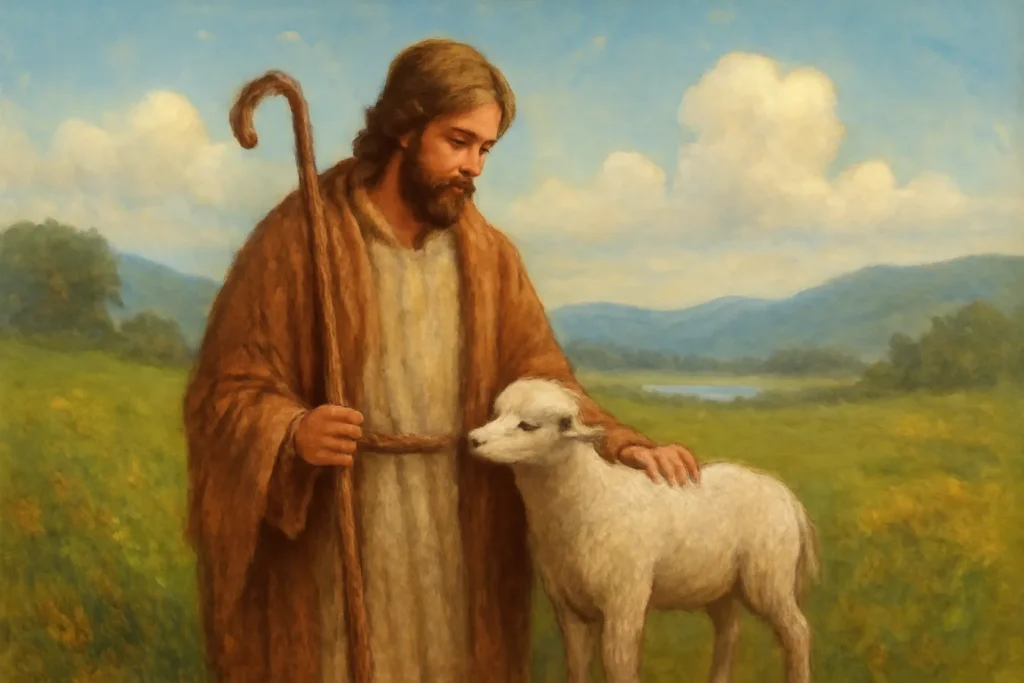
Psalm 23 is built on a single, intimate voice—often understood as the author, traditionally King David—speaking from the perspective of someone who depends on a shepherd for safety, provision, and direction. This voice is not distant or doctrinal; it is personal and relational. The poem unfolds through pastoral imagery that translates easily into prayer:
Green pastures and still waters symbolize nourishment, rest, and life-giving peace.
The Shepherd’s rod and staff stand for protection and guidance, even when faced with fear.
The journey through the valley of shadows is not an escape from danger, but a trusted path through it.
The image of a table prepared in the presence of enemies proclaims blessing, hospitality, and abundance, even amid conflict.
The final lines—goodness, mercy, and dwelling in the house of the Lord—point to enduring friendship with the divine and a home that cannot be shaken.
In prayer, these images become phrases you can speak aloud or absorb in quiet reflection. You can recite Psalm 23 exactly as it appears in your preferred translation, or you can personalize it by substituting your own experiences, fears, and hopes while preserving the Psalm’s core trajectory: trust, guidance, protection, provision, and lifelong companionship.
Why Psalm 23 resonates as a prayer for comfort and guidance
The psalm’s resonance comes from its steady voice of assurance. It does not deny hardship, but it contextualizes hardship within a wider, faithful economy of care. When someone says “The Lord is my shepherd”, they are naming a personal relationship, a claim of trust, and a source of security that transcends circumstance. When the psalm speaks of “I shall not want”, it is not promising a life of ease, but a life under a generous, guiding presence who coordinates every need with wisdom. When we face decisions, losses, or uncertain horizons, Psalm 23 offers:
A sense of presence in the journey, not a distant abstraction.
A framework for decision-making grounded in trust rather than fear.
Images that invite mindful breathing and visualization—seeing green pastures, hearing still waters, and sensing the warmth of a prepared table.
A pathway for grieving or distress to move toward restoration through divine companionship.
As a prayer, Psalm 23 becomes a script for turning attention away from scarcity or threat and toward the abundance of God’s care. It invites us to name our fears alongside our hopes, to confess our own dependence, and to anchor ourselves in a truth greater than our temporary circumstances.
How to pray Psalm 23: practical formats and variations
You can pray Psalm 23 in many ways, depending on your moment, temperament, and needs. Below are several variations and formats to enrich your spiritual rhythm. Each variation preserves the core message of the psalm while offering a distinct flavor—personal meditation, concise recitation, guided visualization, and communal blessing.
A personal daily prayer: grounding in the shepherd’s presence
This format helps you begin your day anchored in trust. It can be spoken aloud, whispered, or prayed in the quiet of a morning walk.
The Lord is my shepherd, I begin with this quiet confession, naming the One who tends my life with care. I shall not want, I say, acknowledging that my deepest needs are met not by my own effort alone but by the goodness accompanying my journey. He makes me lie down in green pastures and leads me beside still waters, inviting rest and renewal for my body, mind, and spirit. In that stillness, He restores my soul, reviving courage and clarity.
As I walk through the day, He guides me in paths of righteousness for His name’s sake, aligning my choices with a larger purpose and a reliable character. Even when I encounter trials—perhaps a difficult meeting, a setback, or a fear about the future—I remember “Even though I walk through the valley of the shadow of death, I will fear no evil”, a pledge that courage does not come from circumstance but from trust. With His rod and staff—the tools of protection and guidance—He comforts me, sustaining me with steady reassurance. Before me, a table is laid in the presence of life’s challenges: You prepare a table before me in the presence of mine enemies. My cup overflows; goodness and mercy follow me all my days. And I am invited to dwell in the house of the Lord forever.
Concise nighttime version: a brief, soothing recitation
When the day is done and rest is sought, a shortened recitation can bring peace. This version highlights the Psalm’s most comforting lines in a compact form:
The Lord is my shepherd, I lack nothing. He gives me rest beside green pastures and quiet still waters. He restores my soul, guides me in right paths for His name’s sake. Through the valley of the shadow of death, I fear no evil, for You are with me. Your rod and staff comfort me. You anoint my head with oil; my cup overflows. Surely goodness and mercy shall follow me all my days, and I will dwell in the house of the Lord forever.
Prayer for guidance in decisions
In moments of choice, this format invites humility, discernment, and trust. You can begin with a simple invocation and then weave in the psalm’s imagery as a lens through which to see options.
The Lord is my shepherd—lead me today. If I must choose between paths, help me lie down in green pastures of clarity, protect me with Your rod and staff from rash decisions, and guide me along a righteous path for Your name’s sake. May Your goodness and mercy accompany me as I walk toward a future that honors You.
Comfort in grief or loss
Grief requires tenderness and steadiness. A Psalm 23 prayer in times of sorrow can name pain while leaning toward the assurance of care.
The Lord is my shepherd, my companion in sorrow. I shall not want what is beyond Your sustaining grace. Lead me beside still waters when the heart is overwhelmed, and grant rest in the times when sleep is hard to find. Restore my soul as I move through grief, and guide me in paths of righteousness with compassion for others who suffer. Even in the valley of the shadow of death, I will fear no evil, for You are with me; Your rod and staff comfort me. In the presence of loss, You still prepare a table of sustenance and hope, and Your mercy follows me, day after day.
Healing, restoration, and renewal
Healing prayers can center on the Psalm’s invitation to restore, refresh, and renew the inner life.
Let God’s presence guide every step. Let green pastures symbolize recovery; let still waters signify rest that rejuvenates. May Your oil of healing anoint my head; may my cup overflow with renewed purpose. I walk toward health not by my own strength alone but under Your tender care, trusting that goodness and mercy will accompany me into the days ahead.
Group or family blessing using Psalm 23
Reading or praying Psalm 23 as a family or group fosters shared language of trust and care. You can assign lines for different people, or have a rotating reader lead the passage. The chorus of blessings in the psalm can be spoken as a communal faith statement.
Leader: The Lord is my shepherd—let us declare our shared dependence. Family: I shall not want—we commit our needs to God together. All: He leads me beside still waters—we ask for peace in our home and in our community.]
Visualization and breath-based practice
A contemplative practice can heighten the prayer’s impact by pairing the verses with conscious breathing and mental imagery.
Close your eyes. Inhale as you say, The Lord is my shepherd. Exhale as you think of green pastures and still waters. Inhale again for He restores my soul; exhale, imagining the steps along paths of righteousness. When fear arises in the valley, inhale courage and exhale fear, repeating the refrain, “I will fear no evil,” while acknowledging that You are with me.
Short memorized version for reminders
A brief, easily memorized form can be carried in the heart for quick moments of prayer during the day.
The Lord is my shepherd, I lack nothing. He leads me to rest and renewal. Even in the darkest places, I fear no evil, because You are with me. You bless me; Your goodness and mercy follow me; I will dwell with You forever.
Practical steps to incorporate Psalm 23 into daily life
Consistency often matters more than intensity when building a habit of prayer. Here are practical steps to weave Psalm 23 into your daily routine, in a way that keeps the prayer lively and meaningful.
Choose a regular moment: morning, midday, or evening. A few minutes of quiet with Psalm 23 can establish a steady rhythm.
Use a preferred translation: Psalm 23 appears in many translations; select one that speaks clearly to you. You may print a small card for portability.
Personalize the words: replace “mine enemies” with “my challenges” or “the obstacles I face,” keeping the sense of blessing intact.
Pair with a breath practice: inhale with “The Lord is my shepherd”; exhale with a line about rest or guidance.
Journaling prompts: after praying, write down one decision, fear, or gratitude that arises and how the psalm’s themes might shape your response.
Music and art: write a simple melody or draw an image of a shepherd leading, a table set with blessing, or a cup that overflows. Let art enrich the prayer.
Group times: occasionally pray Psalm 23 together with family, friends, or a faith community, inviting different voices to read or reflect.
Historical and theological notes: context for Psalm 23 prayer
While many readers experience Psalm 23 as timeless and universal, it is also rooted in a specific ancient Near Eastern context. Shepherding language communicates protection, provisioning, and intimate knowledge of the land. The imagery of “green pastures” and “still waters” was familiar to readers who understood the risks and rhythms of nomadic or agrarian life. The psalm’s bold assertion that God’s goodness and mercy pursue the believer “all the days of my life” resonates with a theology of durable divine faithfulness. When you use Psalm 23 as a prayer—whether in private devotion or communal liturgy—you are participating in a tradition that links personal experience with ancient poetry and enduring hope.
Common questions about praying Psalm 23
Here are some frequently asked questions that people often have when they begin to use Psalm 23 as a prayer tool.
Is Psalm 23 appropriate for all ages? Yes. Its imagery is accessible to children and meaningful to adults, and it can be shared across generations in family prayers or church settings.
Can I adapt the psalm to my own tradition? Absolutely. You can pray Psalm 23 within your own faith tradition’s language or blend it with culturally meaningful expressions, while preserving its core themes of guidance and care.
How should I handle difficult experiences with this prayer? Use the psalm as a companion text—allow it to name fear, while also naming trust. You can combine Psalm 23 with lament or petition in other prayers to reflect a full range of emotion.
What if I’m not sure what I believe? Psalm 23 can still serve as a doorway to dialogue with your own questions. Its imagery can be a way to articulate what you long for—comfort, protection, and a sense of belonging—without forcing doctrinal conclusions.
Further reflections: cultivating a lifelong practice with Psalm 23
A Psalm 23 prayer can become more than a momentary recitation; it can become a lens through which you view your life. Consider these contemplative practices to deepen your relationship with the psalm:
Seasonal pauses: at each season of the year, revisit Psalm 23 and notice what the imagery means in a new context (seed and harvest, rest and renewal, journey and homecoming).
Seasonal art prompts: paint, sketch, or collage the imagery of green pastures, still waters, and a table of blessing, using colors and textures that reflect your current feelings.
Memory and portability: work on memorizing the verses that most deeply speak to you. Carry a few lines in your heart for moments when you need steady reassurance.
Holistic prayer: integrate Psalm 23 into other spiritual disciplines—silent contemplation, hymnody, sacramental practices, or acts of service as expressions of trust and mercy.
In a world that often feels hurried or unsettled, Psalm 23 offers a patient, confident invitation: to rest in a presence that shepherds our lives, to trust a divine direction even when the path is not fully visible, and to receive a blessing that is larger than our immediate circumstances. Whether you are facing a difficult decision, enduring a season of grief, or seeking a daily source of comfort and guidance, a Psalm 23 prayer can become a faithful companion. Its language—simple yet deep—remains accessible across generations and religious traditions, inviting you to enter into a dialogue with the divine through the enduring symbolism of a shepherd’s care.
If you wish, you can bookmark this article and return to it when you feel the need for new formulations of prayer based on Psalm 23. The goal is not to memorize a ritual but to cultivate a practice—one that keeps the heart open to grace, keeps the mind focused on truth, and keeps the feet steady on the path of care and service.







Leave a Reply