Introduction: What it Means When “Jehovah Is My Shepherd”
The phrase "Jehovah is my shepherd" or "The Lord is my shepherd" opens one of the most beloved psalms in the Bible: Psalm 23. This short, poetic confession carries a weight of assurance for people of faith across generations and cultures. It speaks to a relationship, not merely a doctrine. When a person says that Jehovah is my shepherd, they are identifying a personal guide, protector, provider, and companion who meets them in the ordinary moments of life as well as in the deepest trials.
In this article, we will explore jehova es mi pastor in its English rendering, while also tracing the paths by which the shepherd image travels through Scripture, theology, worship, and daily living. We will examine how the metaphor functions, what it means for trust and conduct, and how believers today can apply the truths of Jehovah as shepherd to decision-making, grief, work, and community life. By looking at the psalm from multiple angles—historical, literary, and practical—we aim to provide a thorough, classroom-ready guide to understanding the Lord as my shepherd.
The Psalm 23: Context, Structure, and Core Imagery
Psalm 23 sits within the collection of the Psalms, long celebrated for its pastoral imagery and intimate language. Traditionally attributed to King David, the psalm uses the figure of a shepherd to describe God’s care for the speaker. The image of shepherding would have been familiar to ancient Israel—a setting of green pastures, quiet waters, pathfinding, protection, and restoration.
The poem is compact, yet it unfolds in a sequence that moves from provision to protection, from danger to deliverance, and finally to permanence in God’s presence. In it we hear a rhythm: God meets basic human needs (food, rest, guidance), then offers safety in the wilderness, then grants spiritual restoration, and finally hosts the believer in God’s house forever. This progression helps explain why so many readers return to the psalm in moments of need, gratitude, or worship.
Verse-by-Verse Summary
Verse 1: The speaker declares that the Lord is their shepherd, a source of sufficiency and care, ensuring that they lack nothing essential.
Verse 2: The shepherd leads the speaker to green pastures and still waters, symbolizing nourishment, refreshment, and peace.
Verse 3: The path of righteousness is guided by the shepherd, restoring the speaker’s soul and guiding their life in upright ways.
Verse 4: Even in the darkest valley, the shepherd’s presence dispels fear, offering comfort with the rod and staff—tools of guidance and protection.
Verse 5: A banquet-like experience unfolds in the presence of enemies, where the shepherd anoints the speaker with oil, and goodness and mercy pursue them all their days.
Verse 6: The journey ends in eternal fellowship with the shepherd in God’s appointed house, a place of intimate communion and ongoing care.
Names and Titles: What the Phrases Mean in Context
The phrase jehova es mi pastor hinges on a particular name for God. In many English Bible translations, the phrase is rendered as The Lord is my shepherd. The word behind it—often transliterated as YHWH or Yahweh—conveys the sense of a personal, covenant-keeping God who reveals himself to his people. Some English readers encounter Jehovah as a traditional rendering, especially in older translations that sought to vocalize the Tetragrammaton. Others encounter the LORD in uppercase letters as a convention to signal the divine name.
In practical terms, the psalm uses the shepherd metaphor to describe a relationship rather than a set of abstract attributes. The speaker is not simply stating a belief about God; they are naming a lived experience of being guided, fed, and protected by a divine leader who is personally present. When we say The Lord is my shepherd, we are inviting readers to imagine a daily pattern of care: God’s voice guiding, his provision sustaining, his discipline correcting, and his mercy following.
Why a Shepherd? The Biblical Significance of the Pastoral Image
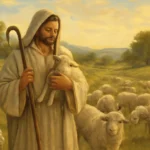
The role of the shepherd is deeply symbolic in Scripture. In the ancient Near East, shepherds were trusted figures who watched over a flock, guarded it against predators, led it to resources, and tended wounds. The image translates well to God’s leadership of Israel first, and then of the people who would become part of the broader biblical community. When the psalmist writes about lying down in green pastures or being led beside still waters, the language evokes safety, leisure, refreshment, and a sense of well-being that comes from a benevolent guide.
The shepherd motif also helps to explain the moral and ethical dimension of the psalm. The path of righteousness—“the right paths” or “the righteous way”—is not merely a set of rules but a relationship with the shepherd who knows what is best for the flock. This is why the psalm places restoration and guidance at the center: the shepherd’s care is comprehensive, addressing both external circumstances and internal dispositions.
Variations on the Phrase: How People Say “Jehovah Is My Shepherd”
In English and other languages, readers encounter multiple variations that carry the same essential claim while highlighting different facets of the relationship.
Jehovah is my shepherd (literal variant reflecting the divine name with the shepherd metaphor).
The Lord is my shepherd (common in many English Bibles, preserving the act of leadership).
Yahweh is my shepherd (emphasizing the personal name in some translations and scholarly editions).
Jehovah‑God is my shepherd (a broader formulation that underscores God’s full identity).
The Divine Shepherd Jehovah (a more poetic rendering used in reflective or devotional writing).
Using variations helps readers connect with the text across different traditions and languages. It also clarifies that the shepherd image is not limited to one cultural idiom but resonates across centuries and contexts. When you encounter jehova es mi pastor in a bilingual setting, it can serve as a bridge between Latin American Spanish-speaking communities and English-speaking congregations, highlighting the shared spiritual insight that God cares, guides, and sustains.
Fresh Angles on the Old Image: What It Means for Daily Life
The timeless image of a shepherd guiding a flock translates into practical lessons for ordinary life. Here are several keys readers consistently find in Psalm 23:
Provision: The shepherd ensures that the flock has what it needs. In human terms, this means trust in a God who supplies daily bread, protection, and rightful guidance.
Rest and restoration: Green pastures and still waters symbolize rest that restores the soul, offering resilience for the road ahead.
Guidance: The right paths lead to safety and integrity, even when the way feels uncertain or perilous.
Protection in danger: The rod and staff stand as symbols of care that deflect danger and discipline when needed.
Presence: The shepherd’s companionship is a constant reality, not a distant promise; comfort comes in the presence of God, especially in fearsome situations.
Grace and mercy: The concluding note emphasizes mercy following the believer through all days, hinting at a life oriented toward gratitude and relationship with God.
These themes recur in both Jewish and Christian religious life, underscoring the broad spiritual resonance of this small but powerful poem.
Pastoral Trust in Times of Trouble
In moments of loss, conflict, or uncertainty, people often return to Psalm 23 to recollect a different posture toward life’s dangers. The shepherd’s rod and staff symbolize not only discipline but support: even when the path grows narrow or the valley darkens, the believer does not walk alone. This is a deeply comforting truth for those facing illness, grief, or life-altering decisions. The question becomes not whether trouble will come, but how one will respond in the presence of the shepherd.
Psalm 23 in Worship: Liturgical and Personal Practice
Across centuries, Psalm 23 has found a home in worship settings, funerals, weddings, and personal meditations. The priority given to this psalm arises from its universal themes: care, guidance, peace, and a hopeful future. In liturgical contexts, it is often read aloud during times of comfort and during pastoral care, when congregants face grief or transition. In personal practice, many believers memorize the psalm or recite it as a daily prayer to frame their days with a reminder of God’s shepherding presence.
Funerals: The psalm’s sense of eternal presence provides a consoling message of reunion and ongoing care beyond death.
Morning prayer: Beginning the day with a declaration of God’s guidance sets a tone of trust and humility.
Evening reflection: The calm imagery of rest aligns well with winding down and surrendering concerns to God.
Communal worship: Reading the psalm aloud fosters shared memory of God’s faithful guidance in a community context.
The psalm’s appeal also motivates musical settings, art, and poetry. Its imagery can inspire songs about provision, protection, and peace, inviting listeners to situate their own lives within the larger story of God’s care.
Prayerful Reflection: A Guided Path Through Psalm 23
Engaging with jehova es mi pastor on a personal level often involves a structured, reflective practice. Below is a simple guide that readers can adapt for personal devotion, class discussions, or group study.
Read slowly: Read Psalm 23 aloud once, then again silently, paying attention to the imagery you hear most clearly.
Identify the images: List the images of the shepherd, the green pastures, still waters, the valley, the table, and the house. What feelings do they evoke?
Place yourself in the scene: Imagine you are the speaker in the psalm. What are your fears, your hopes, your needs?
Invite discernment: Ask God to reveal what “following the shepherd” looks like in your current life—relationships, work, health, finances, and decisions.
Journal a response: Write a short prayer or reflection that connects your life with the themes of provision, guidance, and mercy.
Commit to action: Choose one practical step that embodies trust in God’s leading today.
Historical and Theological Reflections on the Shepherd Motif
The shepherd motif in Psalm 23 has shaped theological reflection in Judaism and Christianity alike. In Jewish tradition, the shepherd imagery resonates with care for the community, fidelity to covenant, and fidelity to God’s instruction. In Christian contexts, the shepherd concept often expands to Christological interpretations—seeing Jesus as the Good Shepherd who lays down his life for the sheep. This broader lens invites readers to consider how leadership and self-giving love embody the shepherd’s path.
The psalm can also be read as a meditation on trust rather than control. By foregrounding God as shepherd, the text invites people to surrender the illusion of total self-sufficiency and to acknowledge dependence on divine care. This interpretive stance can encourage humility, gratitude, and a more compassionate stance toward others who depend on God’s mercy.
Additionally, the psalm’s ethical impulse—paths of righteousness—points toward a life oriented toward justice, mercy, and integrity. The shepherd does not merely supply physical needs; he also guides moral direction. In a world where competing claims press upon individuals, the image of the shepherd invites a patient, watchful, and humane way of life.
Common Questions About “The Lord Is My Shepherd”
Readers often ask practical questions as they explore Psalm 23. Here are a few common inquiries and clear, concise answers that help illuminate the text without oversimplifying it.
What does it mean that God is my shepherd? It means God is intimately involved in guiding, protecting, and sustaining you, much like a shepherd leads and cares for a flock.
Why green pastures and still waters? These images symbolize nourishment, rest, and peace—found in God’s presence and care.
What is the rod and staff for? They represent guidance, correction, and comfort, showing that God’s leadership includes protection and discipline when needed.
How can I apply this psalm today? By seeking trust in God in daily decisions, cultivating a lifestyle of gratitude, and offering mercy to others as you rely on God’s provision.
Integrating the Message: A Practical Path for Everyday Believers
For many readers, the central message of jehova es mi pastor translates into a way of living. It is not merely a theological proposition but a framework for handling life’s uncertainties with courage and grace. Whether you are a student, a professional, a parent, or a caregiver, the shepherd metaphor invites you to:
Trust in provision—Recognize daily gifts and seek contentment rather than scarcity. A shepherd’s care is steady, not sporadic.
Seek restoration—When you feel spiritually depleted, look for spaces and practices that restore your soul, such as rest, community, prayer, or creative expression.
Follow guidance—Invite God’s direction into your decisions, especially at crossroads where outcomes feel consequential.
Face fear with presence—In difficult moments, remember the shepherd’s nearness and choose courage grounded in trust.
Share mercy—A life shaped by God’s mercy becomes a source of mercy for others, reinforcing a community that reflects divine care.
Conclusion: The Lasting Promise of the Shepherd Image
The declaration that Jehovah is my shepherd is more than a creed; it is a lived experience that invites ongoing relationship with God. The imagery of the Lord as shepherd provides a radiant anchor for faith in a world of change and challenge. It reminds readers that life’s journeys—whether through tranquil fields or shadowed valleys—are navigated under the care of a sovereign and loving guide. In this sense, the psalm remains a living psalm: a timeless confession that continues to shape worship, ethics, and personal trust.
As you continue to explore jehova es mi pastor in your reading, consider how the shepherd’s voice sounds in your own life today. Is there a decision you need to entrust to God’s guidance? Is there a moment where you need to pause and rest in God’s care? Is there a way to embody mercy so others can experience the shepherd’s presence through you? The Psalm 23 invitation is simple and profound: follow, rest, and dwell with the one who tends your soul.








Leave a Reply