3 Reasons Why God Allows Suffering: Meaning, Causes, and Hope
3 Reasons Why God Allows Suffering: Meaning, Causes, and Hope
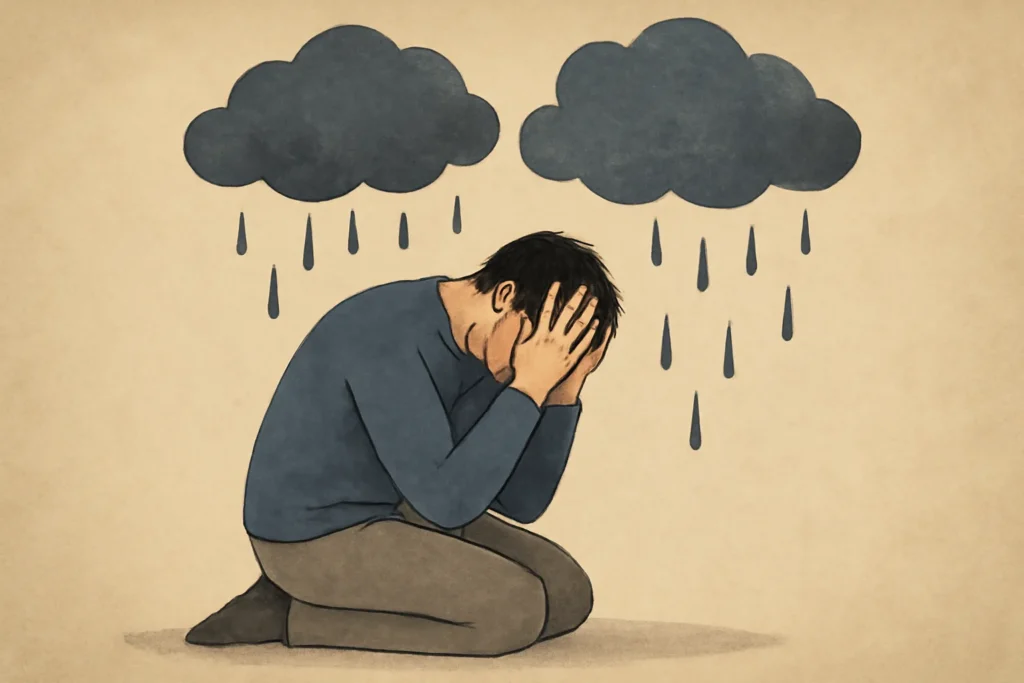
Why does suffering exist in a world believed to be created and sustained by a loving, purposeful God? This question has occupied thinkers, theologians, pastors, and everyday believers for centuries. In this article, we explore a structured way to think about the problem of pain and adversity through three interrelated lenses: Meaning, Causes, and Hope. Each of these serves as a distinct but interconnected way to approach the mystery of suffering: how it fits into a larger narrative, why it appears in the world, and what it offers to human life in the long run. The aim is not to resolve every doubt or to claim a single, definitive answer, but to provide a framework that helps people find direction, resilience, and deeper understanding when confronted with pain.
Meaning: Suffering as a Path to Meaning and Growth
One of the most influential lines of thought in the history of religion and philosophy is the idea that suffering can be meaningful. In other words, adversity is not simply an interruption of life’s goodness but a context in which human beings are invited to discover purposes that might otherwise remain hidden. This meaning-making is not a way of denying pain or minimizing loss; rather, it is a way of reframing experience so that it contributes to a fuller, more morally and spiritually integrated life. Below are three dimensions of how suffering can acquire meaning, each supported by observations, practices, and stories from across cultures and traditions.
Meaningful growth through adversity
Adversity often acts as a catalyst for moral and spiritual growth. When people face hardship—whether illness, failure, grief, or social injustice—they are sometimes compelled to develop virtues that remain latent in easier circumstances. Courage, perseverance, patience in the face of delay, and a patient trust in a larger order can emerge precisely because life does not go the way we wish. This is sometimes described as soul-making—a term popularized by thinkers who argue that character is formed through trials that reveal our deeper capacities and boundaries. In education, psychology, and religious practice alike, the idea that pain can contribute to growth is frequently framed in terms of a process rather than a passive consequence.
Courage and perseverance: Repeated trials can train a person to endure, to persist in the face of uncertainty, and to resist the impulse to abandon responsibility when things go wrong.
Wisdom and discernment: Suffering can force a deeper examination of values, priorities, and meanings. People often discover what truly matters, separate from status, wealth, or comfort.
Humility and dependency: Hardship can remind us of our limits and our interdependence with others, with communities, and with the divine. This humility can open space for grace, growth, and renewed purpose.
Empathy, mercy, and solidarity as meaningful responses
A second dimension of meaning arises when suffering awakens empathy and a willingness to respond with care. When we witness or experience pain, we may be moved toward mercy, generosity, and solidarity, fostering relationships that bridge divides and heal fractures in communities. The capacity to stand with others in their pain—whether through listening, practical support, or advocacy—can itself become a source of purpose. The idea is not that suffering is good in itself, but that it can reveal and cultivate compassionate action that strengthens communal life and reflects a higher good.
Compassion in action: Empathetic response to others’ pain is a powerful form of human meaning that reinforces social bonds and moral responsibility.
Shared vulnerability: When communities acknowledge collective pain, they often mobilize to protect the weak, reduce harm, and provide care that would be unlikely in more insulated settings.
Service and sacrifice: Acts of service under pressure can become markers of identity and values—the kinds of deeds that shape a life’s story as one of care and fidelity.
Gratitude, hope, and a transcendent frame for life’s purposes
Another aspect of meaning in suffering concerns the way it reframes our sense of gratitude and dependence. Even amid pain, many traditions teach that life is endowed with value and purpose beyond immediate circumstance. This can translate into a renewed sense of gratitude for small mercies, a deeper appreciation for relationships, and a trust that there is a larger story in which hardship is integrated. In religious and spiritual contexts, this is often linked to hope in the divine presence or in a benevolent cosmic order. The result can be a transcendent perspective that sustains people during long journeys of healing and restoration.
Gratitude amid loss: Recognizing small gifts—kind words, momentary relief, or the love of others—can help sustain life when larger goals seem distant.
Hope as a horizon: A sense that there is a purpose greater than one’s immediate suffering can provide direction and motivation to persevere.
Spiritual practices: Prayer, contemplation, or rituals can anchor meaning when circumstances feel overwhelming, connecting individuals to a story larger than personal pain.
Causes: Understanding Why Suffering Exists
Where does suffering come from in a world believed to be created and sustained by a caring God? A careful account often distinguishes among different kinds of causes, recognizing that pain can arise from a mix of human choices, natural processes, and systemic conditions. Rather than offering a single causal formula, this section outlines three broad categories that many theologians and scholars describe as causes of suffering in the human condition. Each category has implications for how we respond, hope, and work toward healing and justice.
Free will and moral evil
One central cause of suffering in many religious and philosophical traditions is the existence of free will. If individuals are able to choose, they may choose in ways that harm others, break relationships, or contribute to unjust systems. The presence of free will makes some degree of suffering almost inevitable, because moral agents can act in ways that cause pain, cruelty, or neglect. Yet this same freedom also makes possible genuine love, loyalty, and acts of courage. The challenge is to hold together two truths: that freedom is necessary for authentic relationship and moral responsibility, and that the consequences of human choices can be profoundly painful for others, including innocent people who did not choose their circumstances. Here are some key implications of this cause:
Personal responsibility: People have the capacity to choose, and with that capacity comes accountability for actions that produce suffering.
Interpersonal harm: Relationships can be damaged or destroyed by choices that undervalue others’ dignity or safety.
Potential for genuine love: The same freedom that can cause harm also enables self-sacrificing love, forgiveness, and acts of mercy that transform consequences into opportunities for good.
Natural processes and the order of creation
A second major category concerns the structured nature of the physical world. Earthquakes, diseases, weather disasters, genetic disorders, and other natural evils arise from the way matter, life, and ecosystems operate. The laws of nature enable growth, health, and order, but they also allow for pain and death to occur. This cause is not a judgment in the same sense as moral evil; rather, it is the necessary background for a universe with consistent physical laws, ecological systems, and evolutionary processes. Several reflections follow from this view:
Regularity enables reliability: Predictable natural laws allow scientists and communities to prepare, adapt, and respond to hazards.
Limitations and fragility of life: The same vulnerability that makes life beautiful and resilient also makes it susceptible to harm.
Opportunity for response and care: Human ingenuity, medicine, engineering, and social planning can mitigate many natural harms, turning potential suffering into manageable risk and improved quality of life.
Structural evil, injustice, and human systems
A third dimension concerns how social, political, and economic structures create or perpetuate suffering. This category includes oppression, exploitation, discrimination, poverty, and war—manifestations of collective choices, institutions, and norms that harm vulnerable people. Structural evil may be less visible than personal cruelty but often affects vast numbers of people over long periods. Framing suffering this way invites direct action and reform, alongside personal coping. Some guiding considerations include:
Systemic responsibility: Institutions and communities bear responsibility for addressing abuses, mitigating risk, and protecting the vulnerable.
Justice and repair: Healing in this dimension often requires accountability, restitution, and policy changes that prevent reoccurrence of harm.
Empowered action: Recognizing systemic causes can mobilize collective efforts—advocacy, education, charitable work, and structural reforms—that reduce future suffering.
These three causal strands—free will and moral evil, natural processes, and structural injustice—do not exhaust every possible explanation for suffering. Rather, they offer a useful taxonomy that helps people think clearly about why pain exists, what it means in different contexts, and how communities can respond with courage, compassion, and practical wisdom. In many conversations, these causes intersect in complex ways: for example, a natural disaster may be exacerbated by predicaments in infrastructure or governance, while personal loss can illuminate the choices we make about how we care for one another. The goal of this section is not to reduce suffering to a single cause, but to acknowledge its multifaceted character and to illuminate pathways for healing and justice that emerge from thoughtful reflection.
Hope: How Suffering Points Toward a Future of Restoration and Comfort
Hope is the companion to meaning and a crucial counterpart to the acknowledgment of suffering’s causes. In many religious traditions, hope does not pretend that pain is unimportant or trivial; rather, it sustains people by pointing them toward a future where pain is transformed, relationships are healed, and the world is renewed in a way consistent with the best of what we long for—justice, mercy, and peace. The following sections outline three distinct ways that hope can arise in response to suffering, each of which helps keep faith alive in the face of hardship.
Transformation and resilience as a hopeful reality
Hope often takes the form of transformation—the belief that individuals and communities can grow through adversity in ways that are not only bearable but life-giving. This does not erase pain but reframes it as part of a long arc toward wholeness. Resilience becomes a practice: learning to endure, to adapt, and to recover with greater strength and wisdom. Important features of this hopeful stance include:
Adaptive strength: People discover new strategies, skills, and supports that enable them to navigate future challenges more effectively.
Meaningful redirection: Pain can redirect priorities toward what truly matters—health, relationships, service, and purpose.
Internal peace: With time, many experience a steadier inner state that rests on trust in something larger than themselves, whether that is God, a spiritual practice, or a set of enduring values.
Community, solidarity, and shared suffering
Hope also grows in the context of relationships. Human beings are communal creatures, and times of trial often reveal the strength of bonds when people come together to support one another. This dimension of hope emphasizes that shared suffering can forge deeper connection, cultivate mutual aid, and generate communal resilience. Concrete expressions of this hopeful dimension include:
Mutual aid networks: Neighbors, churches, mosques, temples, and secular groups often organize food, shelter, medical assistance, and emotional support for those in need.
Just action and advocacy: Collective efforts to address the root causes of suffering—poverty, discrimination, environmental degradation—can reduce pain for future generations.
Liturgical and contemplative practices: Shared rituals, prayers, and meditations can sustain a community’s hope and remind participants that they are not alone in the journey.
Divine promise, eschatological hope, and the larger narrative
For many traditions, hope includes a future fulfillment—a belief that the present sufferings will be reconciled or transformed in a larger, divinely guided timeline. This eschatological or redemptive hope does not negate the seriousness of pain; instead, it situates pain within a story that ends in justice, restored relationships, and renewed creation. Several common themes form part of this hopeful horizon:
Restoration and renewal: A future in which broken systems are healed, where ill health becomes a memory, and where creation experiences harmonious flourishing.
Justice and accountability: The conviction that wrongs will be addressed—with accountability for wrongdoing and protection for the vulnerable.
Love that endures: The belief that love, mercy, and fidelity have a lasting, transformative impact that transcends present suffering.
In practice, hopeful living involves a balance of honest acknowledgment of pain and a patient, steady confidence that life’s pain does not have the final word. It invites people to live with integrity, care for others, and pursue justice while remaining open to divine mystery. The combination of personal resilience, communal solidarity, and a compelling horizon of restoration can help individuals move through grief and hardship toward a future that feels possible, meaningful, and good.
To summarize the article in a nutshell: the question of why God allows suffering invites three responsive horizons—Meaning, Causes, and Hope. Each provides a vocabulary for navigating pain. Meaning helps us interpret and integrate suffering into our life stories; Causes invites a sober, multi-layered understanding of where pain arises in human life and the order of creation; Hope offers a direction for healing and transformation that sustains faith, fosters resilience, and motivates courageous action. Taken together, these three lenses do not erase the mystery of suffering, but they illuminate ways to respond with wisdom, compassion, and courage. They encourage us to see pain not as a random accident that nullifies life’s goodness, but as a field in which growth, justice, and love may be discovered, tested, and renewed over time.








Leave a Reply