The Paschal Mystery is one of the central ideas in Christian theology, describing the events of Jesus Christ’s life that culminate in the saving work of God for humanity. When people speak of the Paschal Mystery, they are referring to a single, salvific event that unfolds across the moments of Jesus’ suffering, death, and resurrection, and continues to be made present in the life of the Church. This article offers a clear, thorough explanation of what the Paschal Mystery is, why it matters, and how it shapes Christian faith, worship, and daily living.
The term Paschal Mystery comes from the Greek word for Passover, Pascha, and is closely tied to the Jewish festival of Passover. In the Christian imagination, the Paschal Mystery refers to the redemptive work of Christ accomplished through his passion, death, and resurrection, and it is understood as a mystery because it surpasses full human comprehension and is revealed by God rather than fully grasped by human effort. In Catholic and many Orthodox and Protestant circles, the Paschal Mystery is the one saving event that embraces three key moments: the suffering and crucifixion, the victory of the resurrection, and the reigning presence of Christ after the ascension, which is lived out in the life of the Church and the world through the Holy Spirit.
To grasp the concept, it helps to note several common ways people talk about the Paschal Mystery. You may hear it described as the Easter mystery, the mystery of salvation, or the redemptive passion and resurrection of Christ. Each phrasing points to the same core conviction: in Jesus, God has acted decisively to redeem creation, to reconcile humanity to God, and to open the path to eternal life. In this sense, the Paschal Mystery is not merely a past event to be commemorated; it is a living, ongoing reality that believers participate in through faith, baptism, the Eucharist, and a transformed life.
The Roots and Context: Passover and the Jewish Background
The word Pascha is the Greek rendering of the Hebrew Pesach, the Passover festival that commemorates the liberation of Israel from slavery in Egypt. In the Hebrew Bible, Passover is a sign of God’s saving act, a liberation that prefigures future redemptions. In the New Testament, Jesus’ death at Passover time intensifies this linkage: his death on the cross is interpreted as the fulfillment of Israel’s saving story, and his resurrection is celebrated as the new dawn of God’s plan for humanity. Thus, the Paschal Mystery sits at the intersection of Jewish memory and Christian faith, a bridge from the old covenant to the new.
The Passover Parallel
Liberation: From slavery in Egypt to freedom in the land God promises, mirrored in Christ’s liberation from sin and death.
Bloodmarking: In the Jewish story, the lamb’s blood spared the Israelites; in the Christian story, Jesus’ blood is the sign of new life for all who believe.
Passage: The journey from bondage to life is a Paschal passage, a passage from death to life accomplished by God.
Within Christian teaching, the link to Passover emphasizes not only a historical event but a pattern of salvation that is continually made present as the Church remembers and participates in the mysteries of Christ.
The Core Components: Passion, Death, and Resurrection
Understanding the Paschal Mystery involves naming its three foundational components. Each of these elements contributes to the overall claim that God’s saving plan reaches its fulfillment in Jesus Christ.
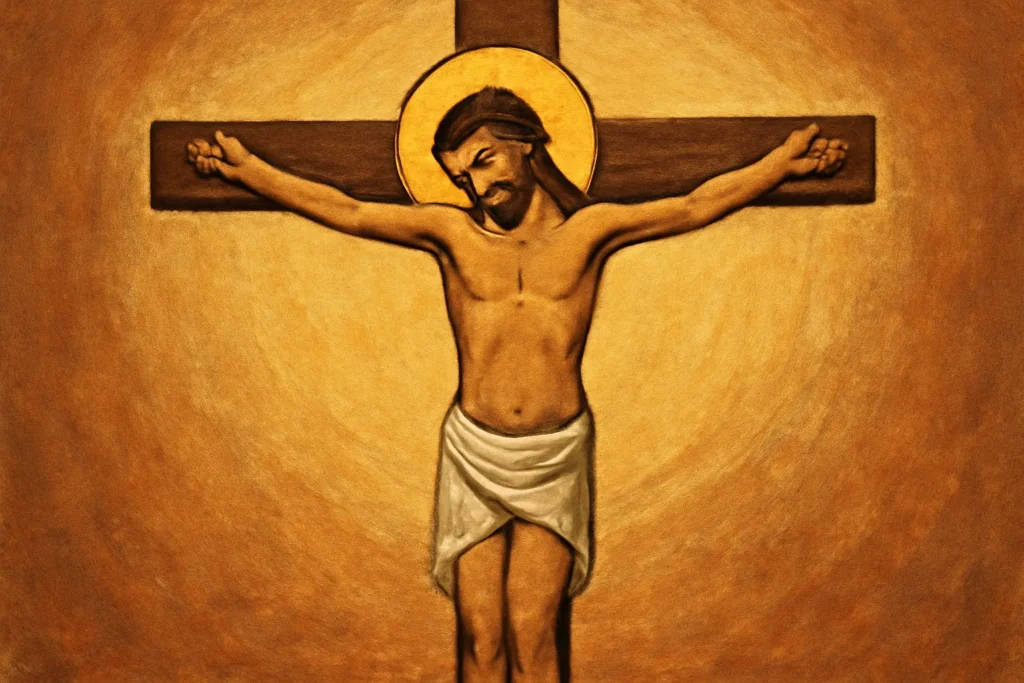
The passion refers to the whole sequence of events in which Jesus accepts suffering rather than fleeing it, submits to sacrificial love, and remains faithful to God’s will even unto death. This phase includes the agony in the Garden, trials before religious and political authorities, bearing the cross, and the crucifixion. The passion reveals the depth of Jesus’ love and obedience, and it foregrounds the moral and spiritual meaning of suffering in the Christian life. The Paschal Mystery does not minimize pain; it transfigures it through love that conquers death.
The Death: A Sacrificial Victory
Jesus’ death on the cross is not a mere tragedy; in Christian theology, it is a deliberate, salvific act. Christ offers himself as a lamb of God, a sacrifice that bears the sins of the world and opens a path for reconciliation with God. The cross thus becomes the place where sin is defeated, where mercy is extended, and where God’s justice and love meet in a single, transformative moment.
The Resurrection: Victory Over Death
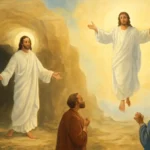
The core of the Paschal Mystery is the resurrection of Jesus from the dead. The empty tomb signals that death has been conquered and that new life is possible for all who belong to Christ. The resurrection vindicates Jesus’ identity as the Son of God, confirms his teaching, and inaugurates the new creation promised in the scriptures. The resurrection is not simply a future promise; it is a present reality that believers witness in faith, sacramental life, and moral transformation.
The Ascension, the Descent of the Spirit, and the ongoing Paschal Reality
After his resurrection, Jesus is believed to have ascended to the Father, an event that New Testament writers describe as Jesus taking his place at God’s right hand to rule, intercede, and send the Holy Spirit. The subsequent descent of the Spirit empowers the Church to carry forward the work of Christ in the world. This expanding circle completes the arc of the Paschal Mystery: Christ achieves redemption, sends the Spirit to sustain believers, and continues to save and transform through the Church’s mission. In this sense, the Paschal Mystery is not confined to a single historical moment; it is a living, dynamic reality that touches worship, prayer, and everyday life.
The Paschal Mystery in the Life of the Church
Christians believe that the Paschal Mystery is present and active in the life of the Church in several essential ways. It shapes how believers worship, how they understand salvation, and how they live out their faith in the world. The following areas illustrate the ongoing impact of the Paschal Mystery.
Liturgy and worship: The Easter season, Mass, and liturgical rites continually reenact and make present the events of Christ’s passion, death, and resurrection.
Sacraments: The sacraments are signs and means by which believers participate in the Paschal Mystery. In baptism, participants are joined to Christ’s death and resurrection; in the Eucharist, they share in Christ’s body and blood as a memorial of his sacrifice and a source of ongoing grace; other sacraments such as confirmation and reconciliation also connect to the mystery in meaningful ways.
Grace and transformation: The divine life granted through the Paschal Mystery empowers believers to grow in holiness, love of neighbor, and fidelity to God.
Hope and eschatology: The Paschal Mystery points toward the ultimate fulfillment of God’s plan—resurrection of the dead and the new creation—offering hope in the face of suffering and death.
One of the clearest ways the Paschal Mystery is made present is through the Eucharist, also called the Holy Communion or the Lord’s Supper. In the Eucharist, believers participate in Christ’s sacrifice in a ritual meal that re-presents the one, saving event. The bread and wine, believed to become the body and blood of Christ in many Christian traditions, serve as a tangible sign of the Paschal Mystery’s ongoing presence. Through the Eucharist, the Church is united with Christ’s paschal victory and sent forth to live it out in daily life.
The Mystery in Liturgy and Prayer
Liturgical life and personal prayer are not mere rituals; they are the primary means by which the Paschal Mystery is remembered, celebrated, and applied. The term mystery in this sense signals something that is eagerly confessed in faith, made present by grace, and deepened through contemplation. In daily life, Christians are invited to cooperate with grace, to trust in God’s saving action, and to imitate Christ’s love as a response to the gift of salvation.
Hope amid trials: The Paschal Mystery invites believers to trust that suffering, when united with Christ, can become a path to transformation.
Love of neighbor: The self-giving love demonstrated on the cross serves as a model for Christians toward others, especially the vulnerable and marginalized.
Prayerful remembrance: Prayers, readings, and meditative practices during Holy Week and Easter deepen awareness of God’s saving work.
Theological Reflections: How The Paschal Mystery Is Theological Center Point
The Paschal Mystery has been a central topic of Christian theology for centuries. Theologians have explored its meaning for God’s nature, for creation, and for human destiny. Several themes recur across traditions:
God’s self-gift: The mystery reveals that God’s nature is love that gives itself away for the good of others.
Redemption and reconciliation: Through Christ, humanity is reconciled to God, and the broken relationship between God and creation is healed.
New creation: The Resurrection ushers in the possibility of new life, a sign of the ultimate restoration of all things in God.
Hope and accountability: Believers are called to live in light of the resurrection, embodying justice, mercy, and faithfulness in the world.
Different Christian Traditions and the Paschal Mystery
While the core claim about the Paschal Mystery is shared broadly across Christian traditions, there are nuanced differences in emphasis and interpretation. These differences reflect how communities understand Scripture, tradition, sacraments, and ecclesial authority.
Catholic and Orthodox perspectives: In these traditions, the Paschal Mystery is deeply linked to liturgy, sacraments, and the Church’s teaching authority. The Eucharist is seen as a primary means by which the faithful participate in the paschal event, with the Resurrection celebrated as the kernel of faith and hope.
Protestant perspectives: Many Protestant communities emphasize the record of Jesus’ atoning work, the historical reality of the resurrection, and the personal appropriation of salvation through faith. The emphasis on faith, grace, and the authority of Scripture shapes how the Paschal Mystery is preached and lived.
Orthodox nuances: The Orthodox Church often highlights theosis (the process of becoming more like God) as a fruit of participating in the Paschal Mystery, stressing the transformative effect of resurrection life in believers.
Common Questions About the Paschal Mystery
As people explore this topic, several questions frequently arise. Here are concise explanations to help clarify common curiosities.
Is the Paschal Mystery a past event only? No. While it centers on Jesus’ historical passion, death, and resurrection, it is understood as a present reality that believers participate in today through the Church, the sacraments, and Christian living.
Why is it called a mystery? In theology, a mystery is not something unknowable but something God reveals gradually. The Paschal Mystery surpasses human understanding yet is made accessible through faith, Scripture, and grace.
How does the Paschal Mystery relate to forgiveness? The crucifixion is viewed as the decisive act by which sin is forgiven and humanity reconciled to God. The resurrection confirms the efficacy of that forgiveness and the hope of new life.
What is the role of the Holy Spirit? After the Resurrection, the Spirit empowers the Church to continue Christ’s mission, making the paschal life real in communities and individuals.
How do individuals experience the Paschal Mystery? Through baptism (participation in Christ’s death and resurrection), the Eucharist (sharing in Christ’s sacrifice), penance and reconciliation (restoration), and a life shaped by love and service.
Key Takeaways: Why the Paschal Mystery Matters Today
For readers seeking a succinct synthesis, here are essential points to remember:
Central salvific act: The Paschal Mystery identifies the decisive moment of God’s saving work in Jesus Christ—his passion, death, and resurrection.
Past, present, and future: It is anchored in a historical event, made present in the liturgy and sacraments, and pointed toward the ultimate fulfillment of God’s plan.
Participation through grace: Believers do not merely observe the Paschal Mystery; they participate in it by faith, baptism, and the Eucharist, allowing God’s life to transform them.
Unity of the Christian story: The mystery links creation, fall, redemption, and new creation into a coherent narrative centered on Christ.
People describe the Paschal Mystery using different phrases that illuminate its breadth. Some common variants include:
Paschal Mystery (most common in Catholic and Orthodox usage)
Easter mystery (emphasizing the celebration of the Resurrection)
Redemption through Christ’s Passion (highlighting atonement and liberation)
Paschal event or paschal liturgy (emphasizing the liturgical remembrance and public proclamation)
Crucifixion and Resurrection (focusing on the two primary milestones within the mystery)
Educators, pastors, and laypeople often seek practical ways to explain and explore this complex topic. Here are some effective approaches:
Story and sequence: Present the timeline of Jesus’ suffering, death, and resurrection in a narrative that emphasizes causality and purpose.
Link to baptism and Eucharist: Show how the Paschal Mystery is communicated through the rites that initiate and nourish believers’ faith.
Symbolic language: Use symbols such as light and darkness, a tomb, an empty grave, bread and wine, and water to symbolize key elements.
Personal reflection: Invite readers to relate the mystery to their own experiences of growth, transformation, forgiveness, and hope.
Prayer and liturgy: Encourage participation in the Easter season, where the church’s worship continually re-presents the Paschal Mystery.
While the Paschal Mystery is a theological term with centuries of development behind it, the aim in teaching and learning is to make the message clear and compelling for a broad audience. The concept can be grasped by focusing on its core claim: God’s love reaches into human history, overcomes evil, and brings life out of death through Jesus. This is not merely an abstract idea; it is a story meant to be received, proclaimed, and lived.
When people encounter the Paschal Mystery, they encounter an invitation to a transformed way of living. The meaning of this mystery extends into ethical choices, relationships, work, and service to others. Practically, this means choosing acts of mercy, seeking reconciliation, and cultivating hope in situations of suffering. It also means recognizing that life in Christ is not a distant future promise but a present reality that shapes how believers respond to pain, celebrate joy, and participate in the community of faith. In this sense, the Paschal Mystery is not a relic of the past; it is a living energy that sustains faith, animates worship, and calls people to love in concrete ways.





Leave a Reply