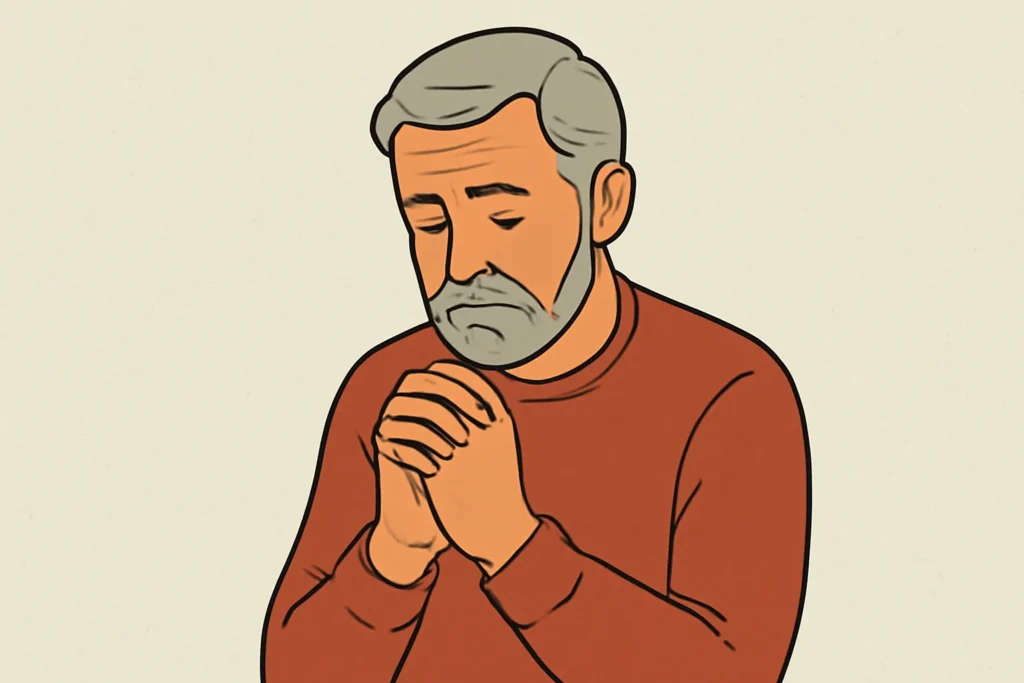
The Third Step in Alcoholics Anonymous is a turning point in the program: a conscious choice to turn our will and our lives over to the care of a Power greater than ourselves, as we understand that Power. This decision is not a one-time event but a daily practice that unfolds through intention, humility, and action. Central to that practice is the Third Step Prayer, a short, potent form of surrender that many members use as a daily anchor. The prayer invites us to let go of self-centered control and to invite guidance, support, and structure from something larger than our individual egos.
In this guide, you will find a practical exploration of the Third Step Prayer, its core ideas, and how to incorporate it into everyday life. We’ll explore variations of the prayer so you can find language that resonates with your own understanding of a higher power. We’ll also offer concrete, actionable steps to practice the third step with intention—through meetings, journaling, and personal rituals—so that the spiritual shift described by Step 3 becomes a living habit rather than a theoretical concept.
The Core Idea Behind Step 3: Surrender as a Practice
The heart of the Third Step is surrender as a daily discipline, not a passive resignation. It asks us to examine the way we’ve been trying to control outcomes, people, and circumstances, and to replace that control with a deliberate choice to invite guidance. The phrase emphasizes two complementary ideas:
Turn our will over – An act of choosing to align our intentions with a higher purpose rather than with fear, pride, or self-will.
Turn our lives over – A commitment to live in a way that serves others and remains open to direction, even when that direction contradicts our preferences.
In practice, this often means growing comfort with uncertainty, practicing honesty about what we can and cannot control, and recognizing that healing rarely comes from brute force or stubborn independence. The Third Step Prayer becomes a concise vehicle for that mindset: to articulate a choice, invite aid, and request the removal of obstacles that stand in the way of acting in line with one’s best self.
The traditional wording of the prayer is widely referenced in AA communities. It is commonly shared in meetings, carried in personal journals, and spoken aloud at moments of decision or difficulty. While exact wording can vary in local groups or personal copies, the core invitation remains consistent: to offer oneself to a Power greater than oneself, to relinquish the bondage of self, and to ask for assistance in living according to that Power’s plan.
“God, I offer myself to Thee—to build with me and to do with me as Thou wilt.”
This brief excerpt illustrates several essential ideas. First, the act of offering signals a deliberate choice to reorient one’s will toward guidance. Second, to build with Me and to do with Me as Thou wilt suggests cooperation rather than passive faith—the will to work with the Power, not just to passively wait for it to act. Third, the very structure of the sentence implies a partnership: the individual is not abandoned to fate but invited into a collaborative relationship with something larger and wiser.
In addition to the short direct line above, many readers and practitioners encounter the prayer in slightly longer forms or in pauses that emphasize the process of relinquishment and trust. The essence, however, remains: a conscious decision to seek guidance, to release self-will, and to welcome a path that serves a greater purpose and the needs of others. When read aloud in a group, the rhythm of the words can also become a meditative cue—one that helps quiet the mind, soften resistance, and invite a sense of spiritual direction.
Variations of the Third Step Prayer: Paraphrase and Diversity of Language
Across different sobriety communities and personal practices, the Third Step Prayer appears in many variations. Some folks prefer formal language drawn from traditional liturgy; others opt for plainspoken, contemporary phrasing. What remains consistent is the intention behind the words: to surrender, to align, and to serve. Below are several paraphrased versions that preserve the intention while offering linguistic flexibility. Use these variations as prompts for personal reflection, or as the basis for your own written version.
Variation A: Simple, Direct Language
“I choose to turn my will and my life toward a higher plan, and I will work with it.”
“I surrender my ego’s plans and ask for guidance to do what is right.”
Variation B: Relational and Cooperative
“God, I give my life into Your care and invite Your guidance to shape my days. Help me partner with You in all I do.”
“Relieve me of the burden of my own thinking, so I may cooperate with Your will for my life and for others.”
Variation C: Focused on Service
“I offer myself to a purpose greater than myself, to serve Your plan and to help those I meet along the way.”
“Take away my self-centered habits that block Your power and Your way of life.”
Variation D: Modern and Personal
“I release my need to control everything and invite the guidance that leads to peace and usefulness.”
“May I act with integrity, kindness, and humility, following the path that You set before me.”
Variation E: Emphasizing Relief from Difficulties
“Relieve me of my own stubbornness so I can face my problems with wisdom instead of fear.”
“Free me from the chains of self-will so my actions may reflect Your power, Your love, and Your plan.”
When you encounter these variations, notice which phrases resonate most deeply and which feel foreign or awkward. The goal is not to memorize a catchphrase but to cultivate a language that helps you engage sincerely with the practice of surrender. If you prefer, you can also craft your own version by focusing on three elements: a clear statement of surrender, a request for relief from self-centered tendencies, and an appeal to live in alignment with a higher purpose that serves others.
A Practical Guide to Using the Third Step Prayer in Daily Life
Turning the Third Step into daily practice involves both intention and routine. Below is a practical framework you can adapt, whether you are new to Step 3 or returning to it after a difficult spell.
1) Establish a Daily Moment of Recollection
Set a short, dedicated time each day for the prayer or its paraphrase. Even two minutes can be meaningful if done with attention.
Combine the prayer with a brief breath meditation: inhale slowly, exhale fully, then speak or read your version aloud.
Pair the practice with a simple action, such as jotting down one area where self-will or ego showed up that day and one way you invited guidance.
2) Use the Prayer as a Decision-Making Tool
Before making a choice, pause and recall the core aims of Step 3: surrender to a higher plan and serve others.
Ask yourself: “Does this decision reflect self-will or a higher will? How would this choice feel if I acted for the good of others?”
Consider writing a one-sentence note from your paraphrase to keep you anchored during the moment of choice.
3) Integrate Step 3 into Meetings and Service
In meetings, the Third Step Prayer can be a grounding ritual that centers the room on humility and responsibility.
Use a brief variation that fits the group tone; you might invite others to share how the Step 3 idea informs their service, which can deepen communal support.
Offer to sponsor newcomers by modeling a gentle, practical approach to Step 3 that emphasizes shared purpose and care for others.
Common Myths, Realities, and Challenges of Step 3 Practice
As with any spiritual practice, the Third Step Prayer can be misunderstood or misapplied. Below are some common misunderstandings and practical clarifications:
Myth: Step 3 means giving up control forever. Reality: It means choosing to relinquish the need to control outcomes all the time, while remaining responsible for one’s actions and choices in the moment.
Myth: The prayer is magical and will automatically fix everything. Reality: The prayer is a disciplined invitation to cooperate with a higher plan, which often requires honest work, time, and communities of support.
Myth: You must believe in a specific concept of God to practice Step 3. Reality: People interpret “Power greater than self” in many ways. The key is a relationship that brings guidance, hope, and a lived sense of direction beyond self-will.
Myth: Step 3 is only for the alcoholic in crisis. Reality: Step 3 is a lifelong practice that supports ongoing recovery, personal growth, and compassionate service.
For many, the real challenge is not quoting the words but living them: showing up with humility in the face of fear, asking for help when needed, and taking action in alignment with that help. The Third Step Prayer becomes a living contract—one that invites ongoing attention, accountability, and care for others.
Pause before responding to situations that trigger resistance or self-will.
Recite or reflect on your preferred variation of the Third Step Prayer to reframe your intention toward guidance and service.
Identify one concrete action you can take that aligns with the higher will and benefits someone else.
Act in a way that demonstrates your commitment to the third-step mindset, even if it feels inconvenient.
Review at the end of the day or week: where did surrender work, and where did self-will slip in? What adjustments can help next time?
Further Resources and Practices
The Third Step Prayer sits within a larger ecosystem of recovery practices—solutions that emphasize humility, fellowship, and service. If you’re seeking to deepen your practice, consider these complementary resources:
Meeting formats that emphasize Step work and personal sharing about surrender and trust.
Service opportunities within your group or community that provide practical ways to help others.
Journaling routines that track progress, obstacles, and breakthroughs in Step 3 practice.
Mentor relationships with sponsors or peers who can offer guidance on applying the Step in difficult circumstances.
Whatever path you choose, the aim is consistent: to cultivate a relationship with a higher power that is practical, compassionate, and oriented toward living a life that is beneficial to others. The Third Step Prayer is not merely a ritual phrase; it is a deliberate stance toward surrender that can inform thoughts, choices, and actions across the full spectrum of daily life.
Conclusion: The Transformative Potential of the Third Step Prayer
The journey through the Third Step is a pedagogy of humility. It invites us to replace the habit of control with the discipline of trust, to shift from self-centered worry to outward service, and to cultivate a life that reflects the power, love, and way of life we seek to embody. Whether you read a traditional line, a modern paraphrase, or a personal variation crafted in your own words, the essential practice remains the same: offer yourself to a higher purpose, release the bondage of self, and invite the guidance that helps you live with greater wisdom and compassion.
If you are new to the Third Step, take it one day at a time. The practice can feel awkward at first, and that is okay. With patience, honest reflection, and the support of a community, surrender becomes less about defeat and more about freedom—the freedom to grow, to serve, and to become more fully the person you want to be.









Leave a Reply