Introduction: Why surrender matters in a busy world
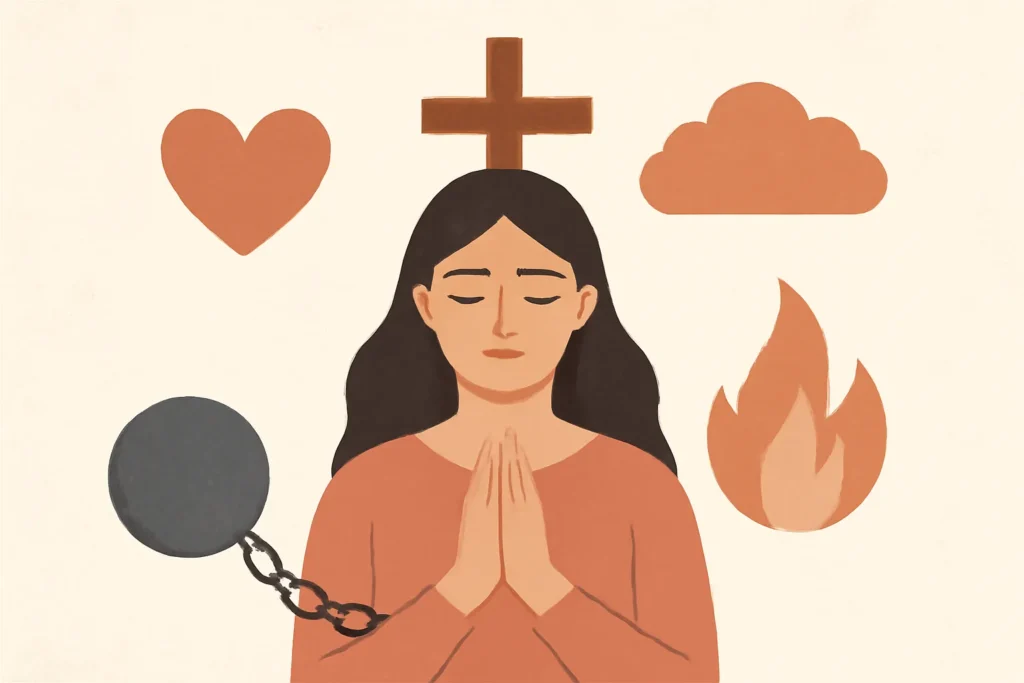
In a culture that celebrates hustle, achievement, and control, the idea of surrender can feel foreign or even risky. Yet many people find that true freedom in faith arrives not by grasping harder, but by loosening our grip and opening our hands to a reality bigger than ourselves. This article offers a practical guide to letting go and deepening your faith by exploring 10 things to surrender to God. You might also hear these expressed as the ten areas to release to the Divine, the ten things you can surrender to God, or 10 areas of surrender. The variation in wording reflects a single, hopeful practice: choosing trust over worry, and choosing God’s purposes over our own plans.
Surrender is not a one-time event but a daily rhythm. It involves honest confession, prayer, action, and accountability. When we surrender, we invite God to lead, reframe our priorities, and invite spiritual growth that can transform our everyday life. This guide treats surrender as a discipline—an ongoing practice that grows through small, consistent steps. Read on to explore the ten areas that commonly surface in the journey of faith and how to approach each one with intention, humility, and hope.
What does surrender look like in a faithful life?
Surrender in a religiously meaningful sense means placing trust in God and choosing to align your will with a higher wisdom. It does not mean inactivity or passivity; rather, it means:
Admitting when you are trying to control outcomes and choosing to release that need.
Seeking guidance through prayer, scripture, and wise counsel before acting.
Being willing to endure uncertainty while staying connected to God’s promises.
Accepting that some circumstances are beyond your power to fix, and that God can work through imperfect situations.
The practical question is not whether you will surrender something, but what form surrender will take in your daily life. The answer will look different for each person, but the core intention remains the same: trust God, release fear, and move forward with humility.
10 Things to Surrender to God: A Practical Guide to Letting Go and Deepening Your Faith
1. Control and the urge to micromanage
The impulse to micromanage outcomes—whether in family life, work, or ministries—often masks a deeper fear: that things won’t turn out well if we aren’t directing every detail. Surrendering control does not cancel responsibility; it reorients responsibility toward God’s wisdom and timing. Practically, this begins with a simple ritual: identify one issue you are trying to steer today, name it aloud in prayer, and commit to taking only the essential actions while releasing the rest to God.
Prayer of release: today I release my need to control this situation. I invite Your guidance and timing.
Boundaries with responsibility: do what is prudent, but don’t overstep into coercion or coercive micromanagement.
Accountability: invite a trusted friend or mentor to check in on your progress and remind you to let go when you slip back into control.
Reflection: journal what changed when you stopped steering every piece of the puzzle and let God work.
By practicing these steps, you transform control from a source of anxiety into a practice of discernment. This shift can also deepen your sense of trust in God’s timing and wisdom, which is a central facet of any meaningful journey of surrender.
2. Fear and anxiety
Fear often masquerades as careful preparation. However, chronic fear can distort decision-making and erode peace. Surrendering fear involves naming it, inviting God into it, and choosing courage grounded in faith. This is a daily practice, not a one-off cure.
Name the fear: write down what you are afraid of and why it feels threatening.
Breathe and pause: practice slow, mindful breathing for two minutes to interrupt anxious spirals.
Scriptural anchoring: recall a promise from scripture that speaks to God’s presence and care (for example, themes of peace, courage, and provision).
Action as grow-through: take a small, courageous step toward what you fear, with God as your ally, not your opponent.
Remember, surrendering fear is not about pretending danger doesn’t exist but about choosing to move forward with peace in your heart. The practice helps you experience God’s comfort in the midst of uncertainty.
The future is inherently uncertain, and yet many people organize their lives around worst-case scenarios. Surrendering the future means living in the present with a forward-looking faith that trusts God’s plan while remaining responsibly engaged with today.
Present-moment focus: anchor attention to today’s tasks and commitments rather than worrying about what comes next.
Wisdom-led planning: make plans with room for revision and God’s leading, not rigid predictions.
Let-go journaling: write a note to God about your future worries and ask for guidance, then seal it with a prayer of release.
Gratitude practice: list three things you’re grateful for each day to shift your perspective from scarcity to abundance.
This is how you practice a form of surrendered hope: you walk in wisdom today while trusting that God’s grace will sustain tomorrow. It’s an approach that honors both your agency and your faith.
4. The past and regrets
The past can keep us captive, especially when guilt or shame lingers. Surrendering the past means accepting forgiveness where available, offering forgiveness where possible, and reframing past experiences as fuel for growth rather than permanent cages.
Forgiveness as release: if you hold resentment toward someone, consider a concrete step toward reconciliation where safe and possible.
Forgiveness toward self: extend mercy to yourself for mistakes—your worth is not determined by failures.
Reframing: identify how a past hardship has shaped your resilience, compassion, or faith, and write it down.
Daily remembrance: commit to a daily reminder that you are forgiven in Christ and that your past does not define your present or your future.
When we surrender the past, we stop letting it define our identity and begin to live out of a more hopeful narrative—one where God’s grace shapes the next chapter.
5. Identity and self-worth rooted in performance
Many people base their value on achievements, praise, or external approval. This can create a fragile sense of self that hinges on circumstances. Surrendering identity means anchoring who you are in God’s love and in your inherent worth as a beloved creature, not in what you do.
Identity affirmation: declare aloud who you are in God’s sight before you begin your day.
Performance detachment: practice doing something well for its own sake rather than to earn validation.
Community support: invite trusted friends to remind you that your value comes from belonging to God, not from accomplishments.
Scriptural grounding: surround yourself with verses that affirm identity in God’s eyes, not in society’s expectations.
Reframing self-worth as a gift from God frees you to pursue purpose with humility, generosity, and authenticity—qualities that sustain you longer than praise or trophies ever could.
The ego can tempt us to seek applause, dominance, or visibility to validate our importance. Surrendering the ego is about choosing humility, serving others, and letting God receive the glory rather than our own name in lights.
Practice anonymous service: do a good deed without posting about it or seeking acknowledgment.
Celebrate others: cultivate genuine joy for others’ successes rather than comparison.
Humility prayers: invite God to search your heart for pride and invite a posture of dependence on divine guidance.
Grace over judgment: extend grace to yourself and others when mistakes appear, recognizing that God’s work often unfolds through imperfect vessels.
A modest heart becomes a powerful witness to faith. When you surrender the need to be seen, you make room for God to be known through your actions.
7. Wealth, possessions, and security
Financial security and material comfort can become gods if they define safety and worth. Surrendering wealth means adopting wise stewardship, generosity, and an openness to God’s direction—even when it leads you away from a comfortable path.
Stewardship plan: review your budget, prioritize charitable giving, and consider how your resources can serve others.
Generosity discipline: commit to a regular practice of generosity, whether through tithing, gifts, or acts of service.
Minimalism with intention: simplify possessions to reduce distraction and increase your freedom to respond to God’s call.
Trust in provision: remind yourself that God’s care extends beyond what you own, and that dependence on Him is a form of security too.
By surrendering the grip of possession, you discover a different kind of wealth: peace that comes from living with open hands and a generous heart.
8. Relationships, forgiveness, and healthy boundaries
Relationships often test our willingness to surrender. This includes forgiving others when wounds run deep, setting healthy boundaries, and choosing love in difficult conversations. Surrender can begin with grace, continue with honest boundaries, and culminate in reconciliation where possible.
Forgiveness steps: pray for the person, name the hurt, and choose release rather than revenge.
Boundaries with love: identify lines that protect your wellbeing while maintaining compassion.
Communication: approach conflicts with humility, seeking understanding before being understood.
Love as a practice: let love guide actions even when it’s costly or uncomfortable.
When you surrender challenging relationships to God, you create space for healing—for others and for yourself. It is through this process that meaningful connections can endure beyond immediate circumstances.
9. Time and plans vs divine timing
Many people live by calendars and to-do lists, while feeling that God’s timing is almost never aligned with theirs. Surrendering time means choosing to live with open hands—ready to act when guidance comes, patient when it does not, and faithful in the meantime.
Embracing divine timing doesn’t negate intentional living; it amplifies the trust that God can align your steps with a larger, better plan.
10. Comfort zones and complacency
Comfort zones protect us from discomfort, but they can also insulate us from growth. Surrendering complacency invites you into risk, experimentation, and service—often in ways you didn’t anticipate but that bring greater joy and purpose.
Try something new for God: take a small step—join a new community, serve in an unfamiliar role, or volunteer for a cause you’ve shied away from.
Discernment practice: take time to listen for God’s nudges toward unfamiliar territory and weigh them with trusted counsel.
Support network: enlist peers who encourage you to step out courageously and safely.
Celebrate progress: reflect on the growth that comes from trying, failing, learning, and trying again.
Surrendering comfort is not about becoming reckless but about choosing faith over fear and obedience over ease. In many testimonies, the richest experiences of faith arise when people push past safety into service, uncertainty, and trust.
Putting surrender into daily life: practical steps beyond the list
The above ten areas form a framework for ongoing spiritual growth. To translate surrender into daily life, consider adopting a few recurring practices that reinforce the discipline:
Daily devotion: start and end the day with a brief time of prayer, reading, or reflection focused on surrender and trust.
Gratitude journal: every day write down three things you’re grateful for, including moments when you observed God’s hand at work.
Confession and accountability: if you struggle with something specific, confess it to God and share a cautious, loving conversation with an accountability partner.
Service-minded living: seek opportunities to serve others, especially when it’s inconvenient or costly.
By weaving these practices into your routine, surrender becomes less of a once-in-a-while choice and more of a living rhythm—one that sustains you through challenges and deepens your relationship with God.
Closing reflections: A journey of surrender and faith
The path of surrender is not about perfection; it is about progress—steadily choosing to trust God and to release what you cannot control. Through the ten areas discussed here, you can begin or continue a journey that leads to greater peace, deeper faith, and a more expansive sense of God’s love in your life. You may start with a single area and add others over time, or you may choose to work through the list in a season of spiritual growth. Either way, consistent practice matters more than dramatic, one-time actions.
If you’re looking for a phrase to carry into your day, consider this repeated invitation: let go, trust God, move forward. The journey of surrender is a lifelong gift, inviting you to participate in a divine story that is greater than your own plans. As you read the variations of this concept—whether you call it the ten areas to surrender to the Divine, the ten things you can surrender to God, or simply the practice of surrender—may you encounter moments of quiet courage, contagious hope, and an ever-deepening friendship with the One who loves you without condition.









Leave a Reply