5 Ways to Build Your Faith in God: Practical Steps to Strengthen Your Belief
5 Ways to Build Your Faith in God: Practical Steps to Strengthen Your Belief
Growing in faith is a practical journey as much as it is a spiritual one. While belief often begins in the heart, it is nurtured through daily actions, intentional habits, and meaningful relationships. In this article, you’ll find five concrete paths to build your faith in God, each with practical steps you can begin today. Whether you call it prayer, study, contemplation, community, or action, these approaches offer durable ways to deepen your trust, expand your understanding, and live out your convictions with courage and consistency.
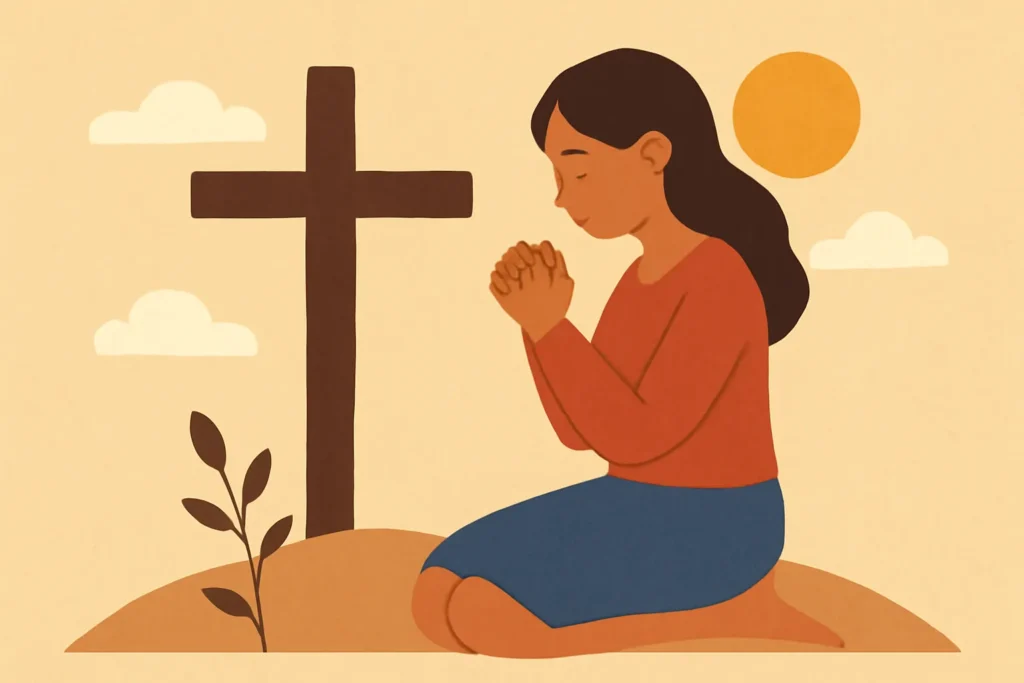
1) Pray Regularly: Deepen Your Communication with God
Prayer is the primary doorway to a relationship with the divine. It is not merely asking for things you want but opening a channel for honesty, gratitude, hope, and alignment with God’s purposes. Regular prayer helps you hear, sense, and respond to God in everyday life. This is the cornerstone of many spiritual traditions that call people to seek, listen, and respond rather than merely recite formulas.
Why a consistent prayer life matters
Communication builds trust. When you talk with God regularly, you become more aware of divine guidance and less driven purely by impulse or fear.
Prayer reframes priorities. It shifts focus from self-centered concerns to what aligns with love, justice, and mercy.
Prayer strengthens resilience. In trials, prayer provides a framework to process sorrow, confusion, and uncertainty with hope.
Practical steps to cultivate a rich prayer life
Set a daily time and place. Choose a quiet routine—morning, midday, or evening—and keep it as a non-negotiable appointment with God.
Use a simple framework. Acknowledge, request, confess, thank, and listen. You can adapt as you grow, but a clear structure helps consistency.
Keep a prayer journal. Note your requests, the ways you perceive answers, and the truths you’re learning. Review entries periodically to see patterns of God’s work.
Include Scripture in your prayers. Let verses inform your petitions and praises. Meditating on God’s promises strengthens belief.
Pray with others. Group prayer or prayer with a trusted friend can deepen accountability and provide communal encouragement.
Common obstacles and how to overcome them
Dry spells are normal. Even when prayer feels distant, continue showing up. Consistency often leads to renewed connection over time.
Distractions and hurry. Short, focused prayers during the day—in the car, before a meeting, or during a walk—can sustain a sense of ongoing dialogue with God.
Unanswered questions. It’s okay to ask hard questions. Prayer invites honest conversation, and questions can lead to deeper trust and insight.
2) Study Scripture to Grow Knowledge and Trust
Engaging with sacred texts is not only about learning religious facts but about forming a deeper relationship with God through understanding God’s character, will, and ways of justice, mercy, and love. Studying Scripture helps you recognize patterns of faith, witness how people in history faced doubt, and discover how God has shown faithfulness across generations.
How studying the Bible (or other sacred writings) strengthens faith
Knowledge fosters belief. Understanding context, themes, and promises makes faith more informed and resilient.
Scripture guides decisions. When faced with choices, you can appeal to wisdom contained in the texts you study.
Historical witness validates experience. Seeing how others trusted God in difficult times provides a model for your own journey.
Practical steps for effective Scripture engagement
Choose a reading plan. Start with a plan that matches your current level of familiarity—sequential reading, thematic studies, or book-by-book exploration.
Annotate as you read. Highlight verses that speak to you, jot down questions, and note insights in a dedicated notebook or digital document.
Memorize key verses. Pick 1–2 verses per week to commit to memory; repetition strengthens recall and the ability to apply them in daily life.
Discuss insights with someone you trust. A study partner or small group can provide fresh perspectives and accountability.
Apply the text to life. After reading, ask: What does this teach me about God? How should this change my attitudes or actions today?
Variations on study approaches
Topical studies. Explore a theme (grace, forgiveness, courage) by collecting passages from various books that speak to that theme.
Character-based studies. Follow a biblical figure’s journey (e.g., Abraham, Moses, Mary, Paul) to observe how faith and doubt manifested in different seasons.
Literary and historical context. Learn about the surrounding culture, language, and history to better interpret the meaning and implications of the text.
3) Observe and Reflect on God’s Work in Creation and Life
Faith grows when you witness God at work in ordinary and extraordinary moments. This pathway invites you to cultivate a practice of looking for divine fingerprints in nature, relationships, and daily circumstances. It is about noticing, interpreting, and giving thanks for what you experience and observe.
Why observation matters for faith
Recognition leads to gratitude. Seeing God’s fingerprints in ordinary life fosters a posture of thankfulness, which strengthens belief.
Creativity and wonder inspire trust. When you’re attentive, you notice ways God provides, guides, and heals in surprising places.
Reality check against cynicism. Honest observation helps you distinguish faith from wishful thinking, grounding belief in lived experience.
Practical practices to cultivate spiritual observation
Nature walks with a listening mindset. While outdoors, pause, breathe, and consider how the scene might speak to God’s character—creativity, order, beauty, generosity.
Keep a gratitude and grace journal. Each day, write down at least three things you’re grateful for and one instance where you sensed grace at work.
Notice answered prayers. Track how specific prayers align with outcomes, even when the answer isn’t dramatic. Small, steady responses matter.
Seek meaning in relationships. Observe acts of mercy, patience, and forgiveness among family, friends, and strangers, and reflect on what those moments reveal about God’s love.
Practice Sabbath moments. Dedicate regular time to rest, contemplation, and worship, creating space to sense God’s presence beyond busyness.
Turning observation into practice
Create a weekly reflection ritual. Set aside time (e.g., Sunday evening) to review the week’s moments where you saw God at work and what you learned about faith.
Share your experiences. In a safe circle, recount stories of faith-in-motion—moments when faith influenced your choices, forgiveness, or courage.
4) Engage with a Community of Faith: Learn, Worship, and Serve Together
Faith is not a solitary journey. While you can grow in solitude, you typically deepen and sustain your belief in the context of a community that shares values, supports growth, and challenges you to live consistently with your convictions. A healthy faith community offers worship, teaching, accountability, and opportunities to serve others.
Why community matters for strengthening faith
Worship and teaching shape belief. Regular exposure to sermons, liturgy, and shared songs helps align your heart with truth.
Accountability nurtures consistency. Friends and mentors can remind you of commitments, celebrate progress, and gently correct missteps.
Service deepens meaning. Engaging in acts of mercy and justice reveals the practical implications of belief and fosters compassion.
Practical steps to participate in a faith community
Find a supportive, spiritually nourishing community. Look for a group that emphasizes learning, grace, and service, and aligns with your values.
Attend consistently. Regular presence signals commitment, helps you absorb teaching, and builds relationships.
Engage in small groups or mentorship. Smaller settings offer safe spaces to ask questions, share struggles, and receive guidance.
Participate in service opportunities. Volunteer for outreach, care ministries, or community projects to practice faith in action.
Practice generosity. Giving time, energy, and resources to others reinforces the reality that faith informs action, not just belief.
Overcoming challenges in community life
Conflict as growth, not failure. Disagreements arise; use them to practice humility, listening, and reconciliation.
Feeling judged or excluded. Seek spaces that emphasize grace, or engage in one-on-one mentorship to build trust.
Balancing inclusion with truth. A healthy community invites questions while remaining committed to core beliefs and ethics.
5) Live Out Your Beliefs: Acts of Faith in Daily Life
The final pathway to building faith is not merely knowing or feeling something accurate about God; it is translating that belief into action. Living out your faith involves decisions, character, and a consistent posture toward love, justice, mercy, and integrity. When belief becomes practice, faith matures and becomes a steady compass in a changing world.
Decision-making rooted in principle. When you face ethical dilemmas, the values you hold become visible through choices.
Character under pressure. Hard times test your convictions; choosing noble action during pressure strengthens confidence in God’s faithfulness.
Witness to others. Your behavior can invite curiosity and open doors to conversations about faith and hope.
Practical ways to live out faith every day
Practice honesty and integrity. Let truthfulness guide both your big decisions and small, daily interactions.
Show compassion in tangible ways. Assist someone in need, listen deeply to someone who is hurting, or advocate for the voiceless in your community.
Cultivate patience and gentleness. Respond with calmness and kindness, especially when facing frustration or conflict.
Choose generosity over fear. Share resources, time, and attention with others, even when it’s inconvenient or costly.
Be hopeful in hardship. Allow faith to shape your response to uncertainty, illness, or loss, offering comfort to yourself and others.
Strategies for sustaining faith in challenging seasons
Create a resilience routine. Pair spiritual practices (prayer, Scripture, reflection) with practical routines that sustain you—exercise, rest, meaningful work, and healthy relationships.
Anchor hope in God’s promises. Return to specific assurances that have nourished your faith in the past and meditate on their relevance for today.
Seek help when needed. It’s wise to pursue counseling, mentorship, or spiritual direction during seasons of doubt, grief, or crisis.
Putting It All Together: A Roadmap to Lasting Faith
Although these five pathways—prayer, study, observation, community, and action—are presented as distinct tracks, they are deeply interconnected. A robust faith life often weaves together regular prayer with studied understanding, attentive noticing, communal support, and courageous living. Here is a simple, flexible roadmap to help you start or continue your journey:
Begin with intention. Choose one primary focus for the next 30 days, for example, a daily 10-minute prayer practice or a weekly Scripture study.
Build a balanced routine. Integrate two or three of the pathways each week so that prayer, study, life observation, community involvement, and action reinforce one another.
Track progress. Use a journal, app, or simple checklist to note what works, what challenges appear, and what changes you observe in your faith life.
Be flexible and generous with yourself. You won’t master all five paths at once. Progress comes through consistency, not perfection.
Invite others into your process. Share your goals and experiences with a trusted friend or mentor who can encourage and challenge you in healthy ways.
As you pursue these five avenues, you’ll likely discover more variations that suit your personality, culture, and season of life. You may find that some approaches feel natural and life-giving, while others require more discipline. Embrace the journey as a lifelong, evolving practice. The aim is not to achieve a flawless religious routine but to cultivate a living faith that sustains you through joy and difficulty alike.
Final encouragement: Faith grows best when you engage with honesty, humility, and hope. Be open to growth, allow doubt to refine rather than destroy, and trust that God meets you where you are, guiding you toward a deeper relationship that blesses you and blesses others.









Leave a Reply