AA Prayer for Anxiety: Prayers to Calm Worries and Find Serenity
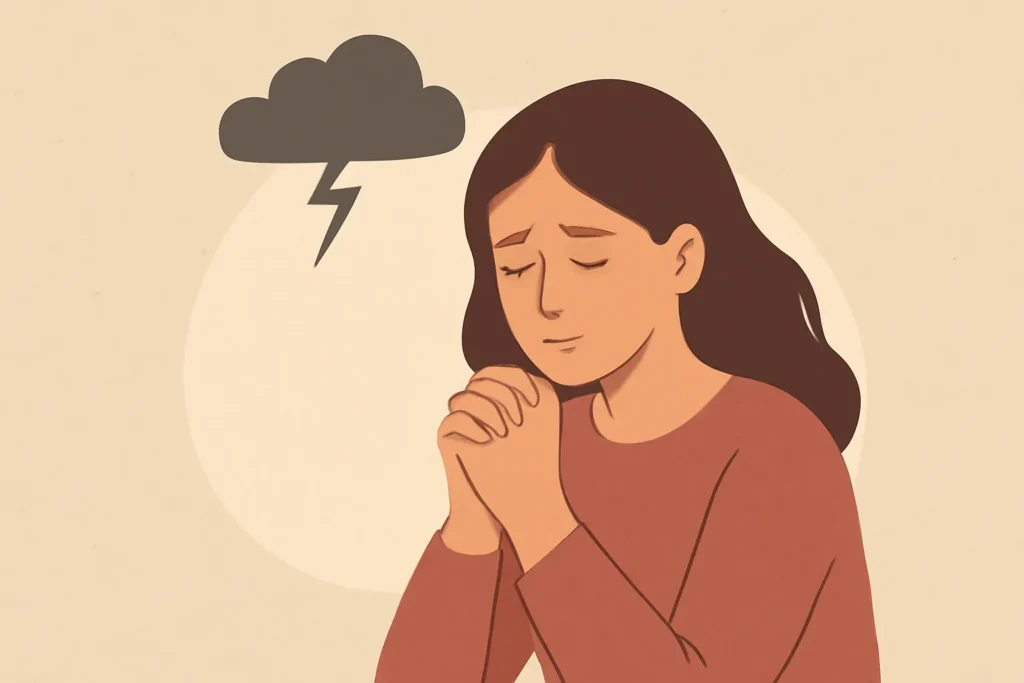
In recovery communities, anxiety often arises as a familiar passenger—floating in and out of daily routines, tempting fears about craving, relapse, or the unknown. AA prayers for anxiety are not magical solutions, but structured practices that invite calm, shift focus from fear to presence, and remind us that we are not alone in our struggles. This article offers a comprehensive look at how prayers used in Alcoholics Anonymous can help calm worries, restore balance, and guide an anxious mind toward serenity. You will find paraphrased versions designed for accessibility, practical ways to use them, and variations that fit different moments in the day or in particular situations. The aim is to provide tools that are both spiritually meaningful and practically useful for anyone seeking relief from anxiety within a recovery framework.
Understanding anxiety in recovery and the role of prayer
Anxiety can operate on several levels: physiological arousal, cognitive rumination, and emotional reactivity. In the context of sobriety, worry might center on triggers, the fear of relapse, or the pressure of making honest amends. Prayers offered within AA are not a guarantee of an absence of discomfort; rather, they are a practice that helps shift the narrative of worry, invites humility, and opens space for acceptance and action. The core intention behind the AA prayer for anxiety is to invite serenity while remaining engaged with reality—recognizing what can be changed, what cannot, and where one might seek guidance.
Historically, the AA community has long valued the serenity to accept, the courage to change, and the wisdom to know the difference. This triad provides a framework for facing anxious moments with composure, while still choosing constructive steps when possible. The practice is often supported by other mindful activities—breathing exercises, journaling, and brief moments of stillness—creating a holistic approach to managing nervous energy.
Key prayers used in AA to ease anxiety
Below are commonly used prayer styles and paraphrased versions that reflect the spirit of AA traditions. They are presented in a way that emphasizes calm, surrender, and practical action without relying on exact textual reproductions. Each section includes practical notes on when and how to use the prayer effectively.
1. Serenity-centered prayer (paraphrased)
In this version, the focus is on serenity as a steadying force in the face of uncertainty. The paraphrase emphasizes accepting what cannot be changed, gathering courage to make changes where appropriate, and seeking wisdom to distinguish between the two. It also invites living one day at a time and leaning on a higher power or a source of meaning as a stabilizing influence.
Core idea: Seek calm in the present moment, a clear sense of direction, and the humility to discern limits and possibilities. In practice, you might repeat this paraphrase during a tense moment, write a brief note in a journal, or recite it aloud in a quiet space.
2. Third Step-inspired prayer (paraphrased)
The Third Step in AA emphasizes turning over control to a higher power as you understand it. A paraphrased version tailored for anxiety invites you to let go of the need to control every outcome and to place trust in a process that includes honest inventory, confession where helpful, and a commitment to making amends where possible. This approach can be especially comforting during moments of social anxiety, craving, or fear about the future.
Core idea: I release my need to micromanage outcomes, and I stay engaged with the present moment through honest self-reflection, accountability, and a willingness to take gentle, responsible action as needed.
3. Short daily breath prayers (easy, portable, practical)
Breath-focused prayers are particularly useful when anxiety spikes. A concise, portable version might be delivered as a quick phrase you repeat with each inhale and exhale. This practice helps re-center attention, reduces physiological arousal, and creates a bridge between spiritual intention and bodily calm. The language remains flexible so you can customize it to your own understanding of a higher power or source of meaning.
Core idea: Inhale calm; exhale fear. Invite clarity, presence, and a gentle sense of purpose to fill the moment.
Practical ways to use AA prayers for anxiety in daily life
Adopting a prayer routine is not only about the words; it’s about creating a reliable moment to reset when anxiety rises. Here are practical strategies to integrate these prayers into your everyday routine—and to tailor them to your own pace and needs.
Morning grounding: Begin with a brief prayer or paraphrase to set the day’s tone. Pair it with a few slow breaths to establish a calm baseline before stepping into daily tasks.
Midday check-in: Use a 1- to 2-minute pause during the afternoon to recenter. Reiterate a simple phrasing like “I accept what I cannot change; I choose what I can do now.”
Evening reflection: End the day with a short meditation or prayer that acknowledges successes and gently releases what can’t be changed, preparing the mind for rest.
In-person group support: At meetings or informal gatherings, share a brief line from your AA-inspired prayer, or offer a paraphrase to others who may be experiencing anxiety.
Portable prompts: Carry a small card or digital note with a paraphrased prayer you can read anywhere—waiting rooms, commute, or during a difficult conversation.
These practices are designed to be flexible. You can adapt the wording, length, and cadence to fit your unique rhythm and environment. The key is repetition and relevance—find phrases that resonate and use them consistently so they become a familiar tool during stressful moments.
Variations and adaptations for different situations
Not every anxious moment looks the same. That’s why it helps to have a small menu of variations you can draw from depending on the trigger. Here are several adaptable versions you can use or tailor to your experience.
Trigger-specific variations:
Social anxiety: Use a version that emphasizes presence with others, listening, and one-step-at-a-time interaction.
Relapse fear: Focus on accepting the possibility of anxiety without letting it derail sober actions, and on inviting clarity about what you can still do (reach out, attend a meeting, call a sponsor).
Relational stress: Center the reminder that you will act with honesty and kindness, even when emotions feel loud.
Short-form vs. longer forms: Have a concise version for quick moments and a longer version for calmer times when you have more space to reflect.
Group-friendly language: Some groups prefer more universal language that can be used by people with diverse beliefs. A neutral version can be just as effective for grounding and focus.
Personalized emphasis: If a particular theme helps you—gratitude, surrender, or service—build that emphasis into your preferred version.
Adaptability helps these prayers stay relevant. The more you customize them to your lived experience, the more meaningful they become as anxiety-calming tools within the AA framework.
Prayers for specific anxiety triggers
Different triggers may call for tailored wording and emphasis. The following short passages are designed to be easily memorized and used in moments when fear rears up in specific contexts.
In the face of uncertainty: “Help me stay present, one moment at a time, and to act, even when I don’t know what comes next.”
Before a difficult conversation: “Grant me calm focus, to listen first, and to speak with honesty and respect.”
When cravings or urges arise: “I acknowledge the urge without judgment, and I choose a healthier action in this moment.”
At night, when thoughts race: “I release the day to a higher power, and I rest with a quiet mind and a hopeful heart.”
These prompts are not about denying discomfort but about changing the relationship to it—seeing anxiety as a signal rather than a verdict, and choosing constructive steps aligned with recovery goals.
Beyond prayer: pairing spiritual practice with evidence-based strategies
While AA prayers for anxiety are powerful for many, combining them with evidence-based approaches can enhance results. Consider integrating these practices with the prayers to create a well-rounded routine.
Breathing techniques: Slow, diaphragmatic breathing (inhale for 4, exhale for 6) reduces physiological arousal and supports the calming effect of prayer.
Mindfulness and grounding: Brief grounding exercises (notice five things you can see, four you can touch, etc.) complement reflective prayer.
Journaling: Write a brief inventory of what you feel, what you can influence, and what you will do next. This builds coherence between belief, emotion, and action.
Support networks: Reaching out to sponsors, peers, or therapists provides practical assistance that prayers alone cannot supply.
Values-based action: Transform anxiety into momentum by identifying a small action aligned with your recovery values (attend a meeting, call someone, complete a step).
Ultimately, a combined approach respects the spiritual dimension of AA while acknowledging the value of scientific and therapeutic methods for managing anxiety.
If you prefer a more contemplative approach, you can use a brief guided reading alongside your chosen prayer. These prompts are designed to be read slowly, with pauses for reflection and breath.
Pause and notice your body: Where do you feel tension or tightness? Name it without judgment.
Identify the thought: What is the anxious thought saying right now? Acknowledge it, then restate it in a neutral form.
Offer a limit: What is one thing you cannot change in this moment, and what is one small thing you can do instead?
Invite a higher perspective: If you understand spirituality as a source of support, how can this moment be an opportunity for growth?
Take action: Choose one concrete step that aligns with your recovery plan and proceed with it.
Using these prompts with a prayer can deepen your practice by linking the inner experience of anxiety with outward, constructive steps toward serenity.
How to build a sustainable practice of AA prayers for anxiety
A sustainable practice is less about intensity and more about consistency. Here are guidelines for building a reliable routine that nourishes serenity over time.
Consistency over duration: Commit to a short daily practice rather than an occasional long session. Even 2–5 minutes each day can accumulate significant benefits.
Environment matters: Create a quiet, comfortable space free from distractions during your prayer time.
Clarity of intention: Before you begin, articulate a simple intention like “I seek calm and honest action.”
Progress tracking: Keep a simple log of when you used the prayer and what followed. Over time you may notice patterns of triggers and effective responses.
Forgiveness and patience: Acknowledge that anxiety can fluctuate. Treat yourself with compassion and resume practice gently after disruptions.
Frequently asked questions about AA prayers for anxiety
Here are some quick answers to common questions about integrating AA prayers into an anxiety-management routine.
Q: Are these prayers compatible with non-religious people in AA?
A: Yes. Many find value in secular or broadly spiritual language that emphasizes acceptance, courage, and wisdom. The core ideas of surrender, action, and mindful presence can be expressed in non-religious terms as well.
Q: Can I use these prayers if I am new to AA?
A: Absolutely. Short, simple phrases work well for beginners. The practice grows as you become more comfortable with reflection and routine.
Q: How do I know if I am over-relying on prayer?
A: Prayer is most beneficial when it is paired with concrete steps (attending meetings, reaching out to sponsors, practicing coping strategies). If you find yourself avoiding action, revisit the intention behind the practice and consider seeking additional support.
Q: Can I customize these prayers to reflect my beliefs?
A: Yes. The prayers in this article are intentionally flexible. Adapt wording to fit your understanding of a higher power or personal source of meaning, as long as the core values of serenity, courage, wisdom, and compassionate action remain present.
Conclusion: cultivating serenity through regular practice
AA prayers for anxiety offer a pathway to serenity by combining timeless spiritual language with practical action. The goal is not to erase all worry but to change the relationship with worry: to acknowledge the feeling without being overwhelmed by it, to accept what cannot be changed, to summon courage for what can be changed, and to cultivate wisdom to tell the difference. By integrating serenity-focused prayers, thoughtful breathing, grounding exercises, and supportive recovery practices, you create a robust toolkit for navigating anxious moments in sobriety and life more broadly.
Remember that the process is personal and ongoing. Some days, a few quiet breaths and a brief paraphrase will be enough to restore calm. Other days, you may find deep resonance in longer reflections or in sharing a practice with a group. What matters is your commitment to showing up for yourself with honesty, humility, and a steady intention toward recovery. In this way, the AA prayer for anxiety becomes not just a solitary ritual, but a living framework for choosing serenity, one moment at a time.










Leave a Reply