Afternoon Prayer: A Simple Guide to Finding Peace and Focus
Afternoon Prayer: A Simple Guide to Finding Peace and Focus
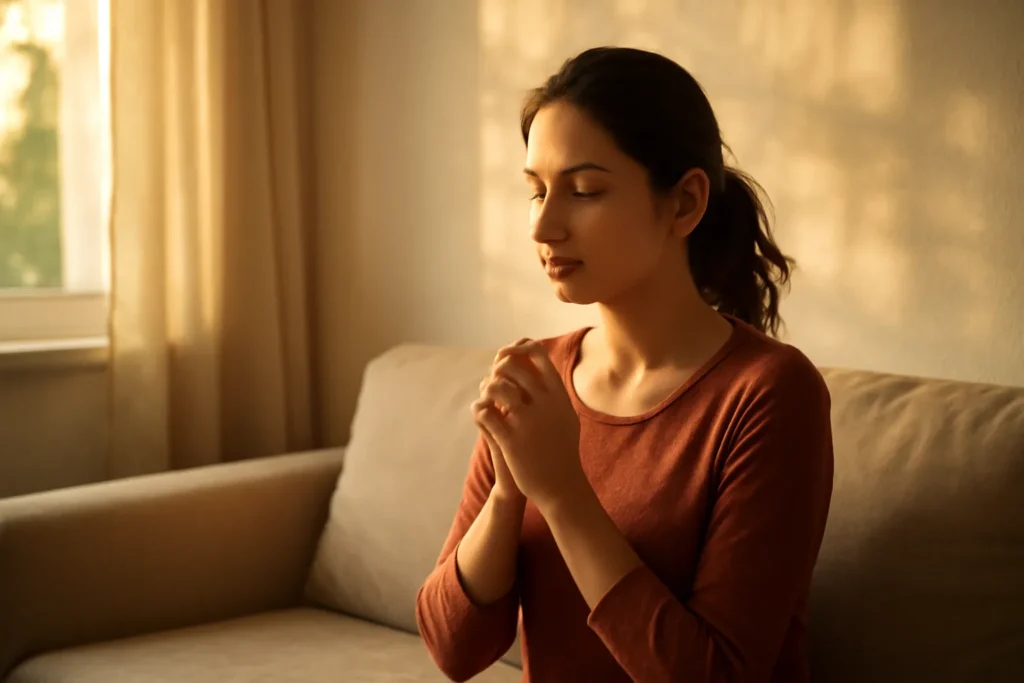
Afternoon prayer is a practice that sits between the bustle of the morning and the quiet of the evening—a moment to recalibrate, breathe, and reconnect with what matters most. Whether you call it midday prayer, noon devotion, or simply an afternoon ritual, this guide offers a practical, secular-friendly approach designed to help you cultivate peace, focus, and a kinder relationship with yourself and the world around you.
The goal of this article is not to prescribe a single way to pray but to provide a menu of accessible options that you can adapt to your schedule, beliefs, and environment. You will find ideas for short bursts of intention, longer contemplative pauses, and gentle activities that honor the mind-body connection. By the end, you’ll have a clear sense of how an afternoon pause can shift your energy, reduce tension, and restore momentum for the rest of your day.
In its simplest form, an afternoon prayer is a deliberate pause—an intentional moment when you move from external demands to inner attention. This can be a quiet moment of gratitude, a request for guidance, a recitation of words that feel meaningful, a breath-centered practice, or a short ritual that frames the rest of your day with intention.
The practice can be secular or spiritual, personal or communal. The key elements include intention, a designated time, and a repeatable structure. Because the afternoon often carries fatigue, deadlines, or decision fatigue, the midday practice is particularly suited to quick resets—moments that restore clarity without requiring a long investment of time.
Across cultures and eras, people have used noon prayer or afternoon devotion to mark the day, honor the present moment, and anchor behavior in a simple practice. This article presents a flexible framework you can adjust with the rhythm of your life, from a two-minute ritual to a longer contemplative session.
The science and psychology behind an afternoon pause
The idea of taking a dedicated pause resonates with what researchers describe as cognitive refreshment. Short, regular breaks can reduce stress hormones, lower heart rate, and improve working memory and executive function. When you slow your breathing, quiet your surroundings, and set a clear intention, you can shift from a reactive state to a more proactive one.
Morning adrenaline often wears off by afternoon. A brief practice helps you reorient your attention to the task at hand, enabling you to approach challenges with composure and clarity. In this sense, the afternoon prayer is less about doctrine and more about training the mind to focus, regulate emotion, and cultivate presence.
Whether your goal is to reduce anxiety, ground yourself after a conflict, or simply reclaim a sense of narrative control over your day, the afternoon pause can be a practical, accessible tool.
When and where to practice: timing, settings, and rhythm
The beauty of an afternoon ritual is its adaptability. You can choose a fixed time each day, or opt for a flexible window that respects your work calendar and family commitments. Common windows range from 2 to 10 minutes, but you can extend the practice as needed.
Best times for different schedules
Early afternoon (1:00–3:00 PM): great for counteracting post-lunch lethargy and returning to high-perception tasks.
Late afternoon (3:30–5:00 PM): helpful for consolidating learning, preparing for transitions, and finishing the day with intention.
After a meeting or confrontation: ideal for resetting emotional tone and recentering attention.
Where to practice
Quiet corner at home or a personal desk space where you won’t be interrupted.
Office break room or a quiet hallway during a short break, if privacy is possible.
Outdoor space such as a park bench or a calm courtyard for a nature-based refreshment.
What to bring or prepare
A comfortable chair or cushion for posture alignment.
Optional invariant items: a short prayer card, a meaningful quote, or a small object that signals your pause.
Water or a light beverage to stay hydrated during longer routines.
How to build a simple midday routine
A practical afternoon routine should be simple enough to do every day, yet flexible enough to adapt to how you feel in the moment. The following framework offers a scalable approach—from a two-minute version to a ten-minute version—so you can tailor the practice to your schedule.
Step-by-step framework
Decide on a time window: Pick a predictable window (for example, between 2:30 and 2:45 PM) or a flexible trigger (when you notice rising tension or fatigue).
Set a clear intention: State a single, concrete aim for the practice (e.g., “I want to reset my breath and regain calm”).
Choose a core practice: Select one core method, such as breath awareness, a short body scan, or a gratitude reflection.
Engage a brief ritual: Add a minor ritual cue—close your eyes, place a hand on your heart, or recite a short phrase that centers you.
Close with a gentle transition: Take a final breath, notice how you feel, and smoothly return to your tasks with a renewed sense of attention.
Core elements of an accessible ritual
Breath—slow, diaphragmatic breathing to calm the nervous system.
Posture—keep the spine tall, shoulders relaxed, and jaw unclenched.
Attention—choose a focal point (breath, body sensation, or a short phrase).
Emotion—name a feeling you want to let go of, and invite a positive one to replace it.
Transition—step back into action with a defined, intentional moment of carrying the pause forward.
Variations of the afternoon prayer: expanding semantic breadth
To honor different beliefs, preferences, and contexts, this section outlines several variations you can experiment with. Each variant shares core principles—intention, presence, and a brief practice—while offering different textures to suit your mood and setting.
1) The two-minute breath-centered pause
This is the quickest version, designed for days when you’re pressed for time. Sit or stand comfortably, close your eyes if possible, and follow this sequence:
Take a slow inhale for four counts, hold for two, exhale for six; repeat five times.
Shift attention to the sensation of the breath at the nostrils or the rise and fall of the chest.
Mentally repeat a phrase such as “balance and calm” or simply observe the present moment without judgment.
2) The gratitude-centered midday devotion
Gratitude practice can reframe the afternoon by highlighting what’s working and what you value. A brief structure:
Close your eyes and breathe slowly for one minute.
List three things you appreciate about the day or a person who helped you recently.
End with a quiet intention to carry appreciation into your interactions this afternoon.
3) The body-scan with a peace focus
A gentle body scan helps notice areas of tightness and release them. Include a peaceful intention such as “May this moment be enough.” Steps:
Begin with a full, easy breath and bring attention to the top of the head, slowly moving downward.
Notice where you hold tension (jaw, shoulders, chest) and breathe into those areas.
When you reach the feet, imagine grounding energy flowing from the earth into your body.
4) A short spiritual or secular reflection
If you have a favored text, verse, poem, or short affirmation, you can incorporate it into the routine as a reading. For secular use, you might select a line about resilience, compassion, or presence. For example:
Read a single line aloud or silently.
Sit with the meaning for a minute or two, letting it settle in your body.
Close with a personal commitment to act with greater clarity in the remaining hours.
5) The “noon-to-afternoon” ritual for shared spaces
If you share a workstation or family space, you can adapt the practice into a social routine. A 5-minute variant:
Agree with others on a signal (pause bell, soft chime) every day at a certain time.
Join in a collective breath or a brief spoken affirmation.
Render a short, individual reflection privately, then return to your shared daytime tasks with calm boundaries.
Practical guidance for sustaining the practice
Consistency matters more than intensity. Here are pragmatic strategies to help you build and maintain a reliable afternoon pause:
Start small: Begin with 2–3 minutes and gradually increase as it becomes a habit.
Set a reminder: Use a calendar alert, a phone notification, or a physical cue (a small stone, a bookmark) to trigger the pause.
Guard the space: Create a minimal “pause zone”—a corner, chair, or desk edge where you can step away from screens for a moment.
Limit distractions: If possible, silence notifications or tell colleagues that you’re taking a stand for the next few minutes.
Track your feelings: Briefly jot a note about your mood before and after the practice to observe progress over time.
Posture, breathing, and sensory cues
A good posture reduces physical strain and helps attention stay anchored. Combine posture with controlled breathing and subtle sensory cues—soft lighting, a favorite scent, or a tactile object—to signal the brain that this is a dedicated pause.
Adapting afternoon prayer for different life contexts
The beauty of this practice is that it can morph to suit your environment. Below are adaptations for common contexts:
In the office
Choose an unobtrusive moment, such as during a break or after a meeting.
Use a quiet corner or your desk with a subtle, private posture (hands resting on thighs, back straight).
Keep it brief and respectful to colleagues who may be nearby.
At home with family
Invite a partner or children to join in a quick breathing exercise or a shared moment of gratitude.
Frame it as a family habit rather than a personal ritual—this can build connection and routine for everyone.
While traveling or on the road
Use a compact cushion or a seat with good back support in transit settings.
Adapt to the environment: a calm corner in a hotel room, a quiet park bench, or a peaceful airport lounge.
In nature
Let the sounds, textures, and light be part of the practice.
Focus on the breath, the sensation of air on the skin, and the feeling of the ground beneath your feet.
Common challenges and how to overcome them
Even the most thoughtful planners encounter obstacles. Here are typical difficulties and practical responses:
Challenge: You forget the routine
Place a visible reminder in your environment—a sticky note, a screensaver message, or a calendar event with a recurring alert.
Pair the practice with a momentum booster, such as after you finish a task or before you switch to a new one.
Challenge: Distractions are persistent
Use a brief two-minute ritual: one breath cycle followed by a single line of intention.
Communicate with others about your need for interruption-free time during that window.
Challenge: You feel restless or antsy
Shift to a movement-based micro-practice: shoulder rolls, a few neck stretches, or a short walk to reset energy.
Accept restlessness as part of the moment and breathe through it rather than fighting it.
Challenge: Time is unpredictably tight
Keep an ultra-brief version as a fallback—30–60 seconds of breath and intention can still be meaningful.
Schedule a longer version on days when you have more flexibility and use the shorter version as a bridge on busy days.
Ethical and cultural considerations
Afternoon prayer intersects with personal belief systems and cultural norms. When practicing in shared spaces or within teams, consider:
Acknowledging diversity of beliefs and choosing inclusive language or neutral practices when appropriate.
Respecting others’ space and privacy, especially in communal settings.
Being transparent about your practice while honoring others’ privacy and autonomy.
If you come from a particular faith tradition, you may wish to adapt the practice to align with your customary forms—for example, including readings, supplications, or recitations that reflect that tradition—while maintaining the core purpose of presence and calm. The afternoon pause can also be approached in a secular, science-informed way if that is more comfortable or practical.
Here are a few ready-to-use templates. Choose one that resonates, and feel free to mix elements from different versions.
Two-minute starter routine
Find a comfortable seat and close your eyes or gaze softly downward.
Take two slow breaths: inhale for four, exhale for six.
Whisper or think a single phrase: “I am here now.”
Five-minute mindful practice
Set a timer for five minutes and settle into posture.
Do a 60-second body scan from crown to toes, releasing tension as you go.
Spend three minutes on breath awareness, counting inhales and exhales if helpful.
End with a gratitude line and a gentle stretch before resuming work.
10-minute reflective routine
Choose a focus: peace, clarity, or compassion.
Begin with three long breaths, then a short meditation on your chosen focus for five minutes.
Read or recall a short inspirational text, reflecting on its meaning for five minutes.
Making the afternoon practice a lasting habit
Consistency is built through small, reliable decisions, not dramatic leaps. The afternoon prayer practice becomes enduring when you integrate it into the flow of your day and treat it as a non-negotiable moment of self-care.
Link the practice to a daily cue—e.g., a coffee break, turning off your computer, or stepping out for a breath in fresh air.
Keep a lightweight journal to record observations about mood, focus, and energy after each session.
Gradually expand the duration as you become more comfortable, moving from 2–3 minutes to 5–10 minutes or more, if desired.
Share the practice with a friend or colleague who might benefit, turning the pause into a shared ritual when appropriate.
Over time, you may notice a shift not just in your afternoon state but in your overall approach to daily life. The present moment tends to feel more accessible, relationships may become calmer, and your capacity to handle setbacks can improve.
Further reading, tools, and resources
If you want to deepen your practice, consider exploring a few broad categories of resources:
Books and essays on mindfulness, calm, and presence that emphasize secular approaches to attention.
Short daily devotionals or micro-prayers from various traditions, read as optional inspirations rather than rigid prescriptions.
Guided audio practices or apps that offer brief, timer-driven sessions suitable for an afternoon pause.
Local groups or online communities that share tips for establishing healthy routines and balancing productivity with wellbeing.
Regardless of the path you choose, the essential elements stay constant: intention, presence, and a brief period of pause to let your mind reset and your body recalibrate.
Conclusion: A simple, powerful way to find peace and focus in the afternoon
An afternoon prayer or midday pause is a practical tool for navigating the complexity of modern life. It invites you to slow down, observe, and set a purposeful direction for the hours ahead. By adopting a few minutes of intention—whether through breath, gratitude, body awareness, or reflective reading—you can cultivate calm, clarity, and a more compassionate stance toward yourself and others.
The beauty of this practice is in its flexibility. It can be short and simple on busy days, or more reflective and extended when time allows. What matters most is not the exact words you use or the exact duration you choose, but the consistent choice to show up for yourself in the middle of the day. Your day will not be perfect, but with regular afternoon pauses, you can make it more steady, more intentional, and more attentive to what truly matters.











Leave a Reply